

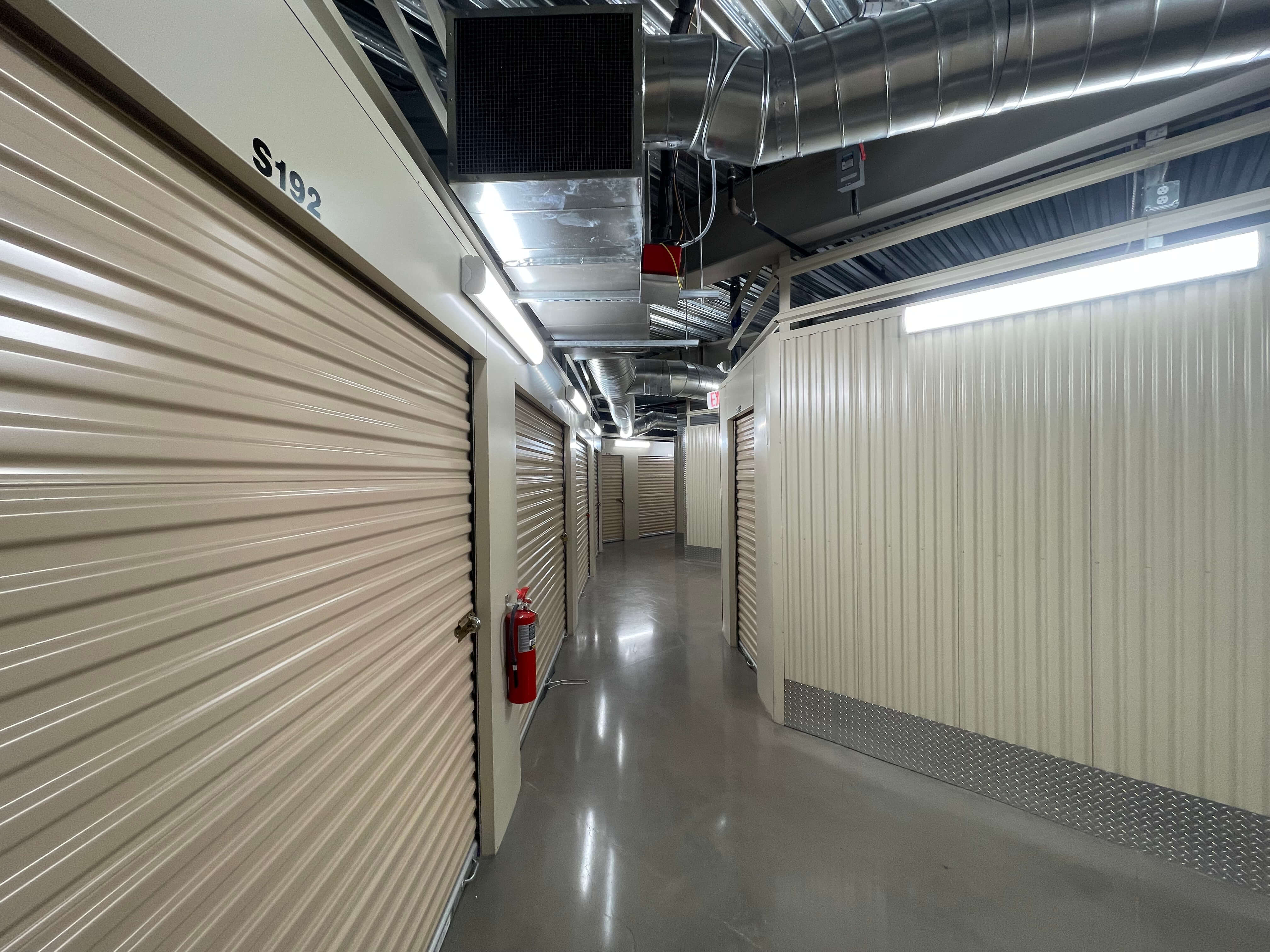
Maintaining an orderly home is about more than just aesthetics; it is about creating a sanctuary where you can focus on what truly matters in your life. At McDowell Mountain Community Storage, we understand that the process of transforming a house from a state of chaos into a streamline system of efficiency can feel overwhelming for many adults balancing a busy schedule. However, with the right strategy and a bit of motivation, anyone can simplify their surroundings to achieve a tidy living environment. Our professional advice focuses on how to categorize, prioritize, and optimize every area of your living space by using a clear checklist to ensure no detail is overlooked.
To reach this goal, we recommend incorporating specialized organizers that turn a cluttered room into a functional masterpiece. Whether you are searching for some creative ideas to manage the mess or need a way to hide anything that does not have a designated home, the key is consistency. Even small daily habits, like loading the dishwasher immediately after a meal, contribute to the overall flow and order of the household. This guide represents our commitment to helping you master the art of organization through practical steps and reliable storage solutions.
Systematic Approach To Decluttering Success
The first step in any successful organization project is to declutter, starting from the top shelves and working down to the ones on the floor. We believe that a single person cannot organize clutter; you can only manage it. To start, we suggest you go through each room and evaluate every item, using a few professional tricks to stay focused. Ask yourself if the thing serves a functional purpose or if you truly love it. If the answer is no, it is time to let it go. This method allows you to clear a bunch of unnecessary items from your floor and countertops, giving you a blank canvas to work with.
We recommend a simple sorting process as our favorite tip for efficiency. Create three piles: keep, donate, and discard. By separating your belongings, such as old bottles or miscellaneous items, into these categories, you gain a clear sense of what needs to stay and what is simply taking up valuable storage space. At times, the process can be difficult, but once you have narrowed down your possessions to the essentials, the real work of organizing begins. Our goal is to help you create a home where everything has a designated place, reducing the time you spend looking for lost items and increasing your overall peace of mind.
Entryway And Mudroom Efficiency
The entryway is the front line of your home, and we believe it should never be an uphill battle to keep it clear. It is the first thing people see and the spot where the outside world meets your private life. Because this area is a magnet for mail, coats, and shoes, we advise implementing a strict routine to prevent a massive pile of clutter from forming. Whether you are a busy woman on the go or a couple managing a shared schedule, use hooks on the side of the entryway for frequently worn jackets and a dedicated bin for others in the family to store their daily gear.
A mudroom should function as a transition zone where you can stow away water bottles and sports gear in a specialized case. We suggest using a bench with built-in storage or a set of baskets tucked at the bottom to keep footwear off the floor. For paper clutter like news and bills, set up a small desk to post reminders or a wall-mounted organizer near the door. This allows you to sort mail immediately, ensuring junk goes to the recycling bin while important papers are placed in a folder for later attention. Thanks to this organized progress, you can even find a spot for a quick touch up of makeup before heading out. If you have any questions about this idea, we recommend looking at how managing this space effectively prevents the mess from creeping further into the house.
Kitchen And Pantry Optimization
The kitchen is often called the heart of the home, but it is also a primary source of clutter that can easily spill over into the dining room. We recommend starting with the counters, as clearing away any appliances that you do not use on a daily basis is the fastest path to an organized space. By keeping surfaces clear of extras and bags, you create more room for cooking and meal preparation. To truly optimize your workflow, incorporating brilliant kitchen organization ideas like using shelf risers inside your cabinets can double your storage capacity for dishes, plates, bowls, and cups. In reality, when items are left everywhere, it becomes impossible to maintain a high level of quality content in your cooking and kitchen management.
In the pantry, we suggest you categorize food items by type to create a logical focal point. Use clear containers and bins to hold snacks, grains, and baking supplies. Labels are your best friend here; they help everyone in the household know exactly where things belong, even stray items like television remotes that occasionally end up in the wrong area. For deep drawers, use drawer dividers to keep utensils, gadgets, and lids in order. If you have a lot of spices, a tiered tray or a turntable can show you everything you have at a glance, preventing you from buying doubles of what you already own. We also recommend checking your refrigerator and fridge door weekly to discard expired items, ensuring your food storage remains fresh and organized.
Living Room And Family Areas
The living room is a place for rest and entertainment, but it often becomes a graveyard for many types of toys, magazines, and electronics. To maintain order, we suggest furniture with hidden storage, such as a coffee table with drawers or a comfortable chair that doubles as a storage nook. The main reason for this approach is to keep the floor clear of items that would otherwise clutter the image of your beautiful home. Use a dedicated box or a decorative basket to corral remote controls and game controllers, ensuring that everyone in the house has the rights to a tidy shared space where the entertainment system actually works without a struggle.
For families with kids, toys can quickly take over common areas and even spill back into the kitchens. We advise setting a rule where only a certain amount of toys are allowed in the living room at one time. Use attractive bins to store lego sets and games, and make it a habit to do a quick sweep every evening; we often see positive comments from parents who find this routine life changing. If you have a large collection of books, arrange them on shelves by height or color for a cleaner look. By keeping the floor clear and using vertical space, you can transform a cluttered room into a relaxing retreat.
Master Bedroom Sanctuary
Your bedroom should be a place of tranquility and the one area in the house where you can truly escape the clutter. To achieve this, we suggest you prioritize a clear surface on your nightstand and dresser, as keeping these areas tidy is the best way to find peace. Use a small tray to hold jewelry, skincare products, and other small items you use before bed so they do not become scattered stuff. If your room is small, consider under bed storage solutions for extra linens or seasonal clothing. By utilizing all available spaces, including the floor under your bed, you ensure that everything has a designated place.
The wardrobe or closet is the most important part of bedroom organization and a primary space for maintaining order. We recommend a seasonal rotation where you move off season clothes and shoes to a different location, such as a basement or a professional storage unit. Within the closet, use a consistent type of hanger in your cabinets or hanging areas to create a streamlined look. Group your clothing by category and then by color; this system makes it much easier to find what you need in the morning without digging through drawers. For accessories like belts and scarves, use hooks on the back of the cabinet or closet door to save space.
Our advice for families is to keep kids and their toys in their own rooms rather than letting them spill into the master bedroom. Use a dedicated bin or drawer for something like extra books or magazines to keep them off the shelves and out of sight. Whether you are organizing a kitchen, a living room, or your private closets, our guide is designed to help you bring all your things into a functional system. By focusing on the drawer and bin layout within your storage furniture, you can ensure your life remains organized and stress free.
Children And Kids Spaces
Organizing for children requires a different mindset compared to the organization required for adults in their own private homes. We believe that the system must be simple enough for a child to follow, almost like a golden rule for maintaining a tidy house. Use open bins, specialized organizers, and low shelves so they can access their belongings and, more importantly, put them back on the right shelf. Labeling bins with both words and a picture can help younger children understand where some of their favorite things go, whether it is in a specific spot on the floor or inside a cabinet.
In a playroom or bedroom, categorize items like art supplies, building blocks, and toys into separate baskets or containers. If space is tight, a loft bed with a home office desk or storage underneath is an excellent way to maximize the layout and provide a dedicated area for school work. We also suggest a regular decluttering project with your children to teach them how to handle paper clutter and keep the lot of stuff they accumulate under control. By involving them in the steps, you help them develop lifelong habits of tidiness that can eventually be applied to the bathroom, the sink area, or even how they organize a dresser for their clothes. This advice ensures that anything from small accessories to a bulky laundry pile has a designated place, keeping the entire home in perfect order.
Home Office Productivity
A cluttered desk leads to a cluttered mind. In your home office, we suggest you focus on paper management as your first priority to declutter the space. Use a filing cabinet or a system of folders to categorize important documents, projects, and tax information. We recommend you arrange your shelves to hold the items you use most frequently, as a smart layout of your furniture can significantly improve your daily efficiency. A shredder should be kept close by to dispose of junk mail and sensitive papers immediately, which is a key method to streamline your workflow.
Keep your desk surface clear of everything except your computer and a few essentials. Use specialized containers or a drawer organizer for pens, paper clips, and cords to simplify your setup. If you have a lot of electronics, use cable ties to keep cords from becoming a tangled mess under your feet. We also recommend a digital cleanup; sort your computer desktop and inbox regularly to ensure your virtual work environment is as tidy as your physical one. Our strategy for a productive space incorporates various home office organization tips into a daily routine backed by an organizational checklist. When you optimize your plan for storage by using clear bins and detailed labels, you create a professional order that truly works. A clean office space improves focus and boosts productivity for adults who need to stay on top of their game.
Bathroom And Linen Closet Order
Maintaining an orderly home is about more than just aesthetics; it is about creating a sanctuary where you can focus on what truly matters in your life. At McDowell Mountain Community Storage, we understand that the process of transforming a house from a state of chaos into a streamline system of efficiency can feel overwhelming for many adults balancing a busy schedule. However, with the right strategy and a bit of motivation, anyone can simplify their surroundings to achieve a tidy living environment. Our professional advice focuses on how to categorize, prioritize, and optimize every area of your living space by using a clear checklist to ensure no detail is overlooked and that the organization of your work and personal life remains a top priority.
To reach this goal, we recommend incorporating specialized organizers that turn a cluttered room into a functional masterpiece in all modern homes. Whether you are searching for some creative ideas to manage the mess or need a way to hide anything that does not have a designated home on a shelf, the key is consistency throughout the house. Even small daily habits, like loading the dishwasher immediately after a meal or clearing a lot of paper from the sink and bathroom area, contribute to the overall flow and order of the household. This guide represents our commitment to helping you master the art of storage through practical steps that keep your laundry, dresser, and floor clear of most common clutter, ensuring every spot in your home serves a purpose for your accessories and daily need.
Laundry Room Workflow
The laundry room is a high traffic area that benefits greatly from a logical layout. We suggest using a three bin system to sort clothes into lights, darks, and delicates as they become dirty. This saves time on wash day and keeps piles of clothing off the floor.
Use shelves or a cabinet above the washer and dryer to store detergent, stain removers, and other supplies. If you have the space, a countertop for folding clothes as they come out of the dryer is a huge help. We also recommend a small basket for lost socks and a jar for items found in pockets. By streamlining your laundry process, you turn a chore into a manageable task.
Garage Basement And Attic Storage
These large areas often become the dumping ground for things we do not know what to do with, but we believe that with the right strategy, they can become models of order. We suggest using heavy duty shelving units to get boxes off the floor and away from potential moisture, as a smart layout of your furniture and shelves is essential for long term success. Use large, clear plastic bins and containers to store seasonal decor, sports equipment, and tools. To simplify the process, we recommend you sort through your belongings and prioritize what needs to stay in the house versus what should move to specialized storage.
Labeling is vital in these spaces because you may only access these items once or twice a year, so be sure to apply clear labels to every bin. We recommend keeping a list or a detailed checklist as an inventory of what is stored in each area. For the garage, use wall hooks to hang bikes, ladders, and garden tools, keeping the floor clear for your car. This method is part of a daily routine to maintain efficiency in your plan. If you find that your attic or basement is overflowing despite your best efforts to streamline the area, it might be time to consider the benefits of a professional storage solution to optimize your living environment.
Maintaining The Results
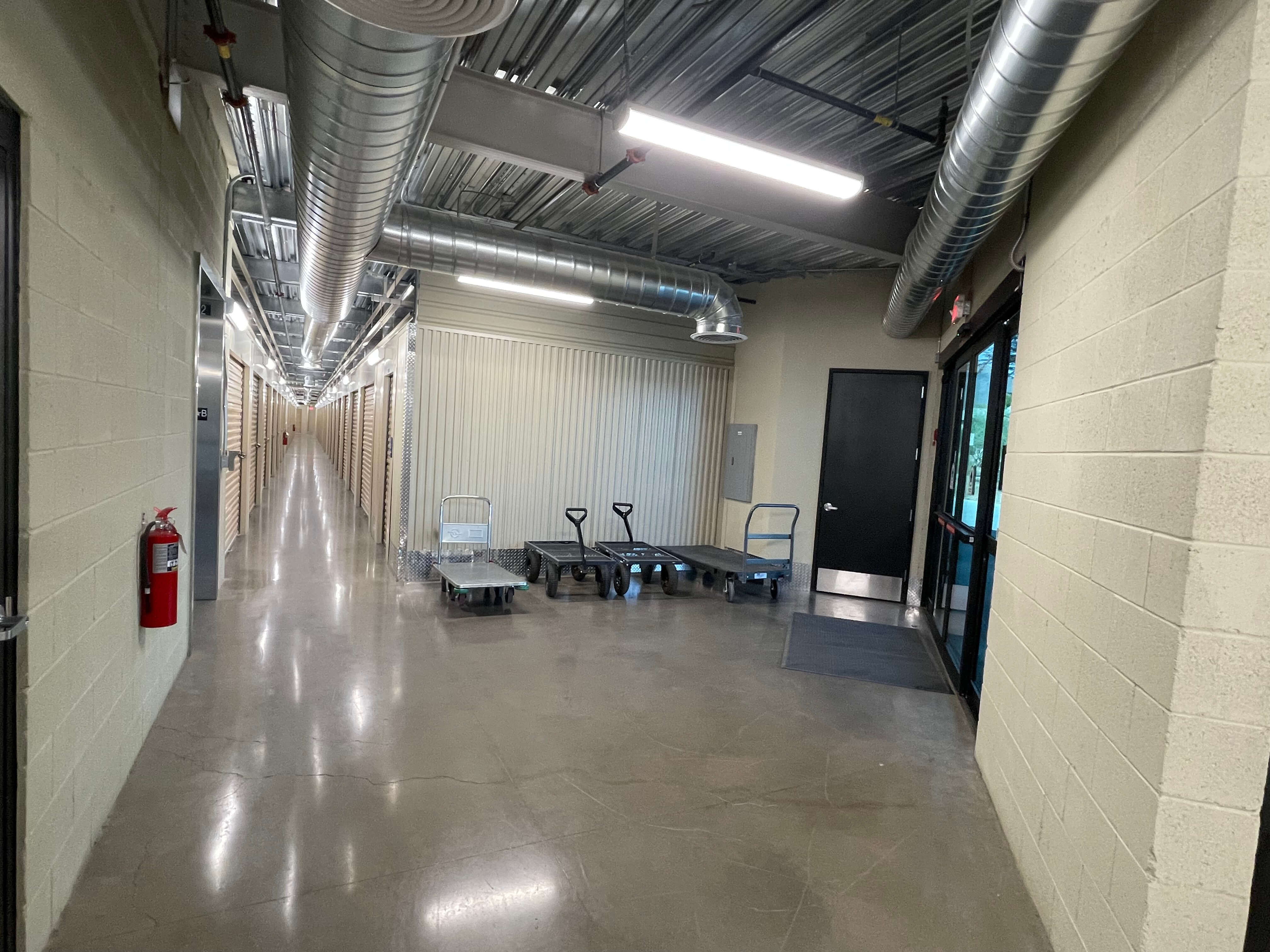
True organization is not a one time event; it is a habit. We believe that the key to staying organized is to implement small, daily routines. Spend ten minutes each evening doing a quick tidy of the main living areas. Follow the one in, one out rule: for every new item you bring into your home, something else must leave.
We encourage our readers to be patient with the process. Real life can be messy, and it takes time to find the systems that work best for your family. Celebrate the small wins, like a clean kitchen counter or a perfectly organized junk drawer. These small steps build momentum and lead to a more peaceful, orderly home. At McDowell Mountain Community Storage, we are always here to provide the advice and space you need to achieve your organization goals.
The Psychology Of Living In Order
Beyond the physical act of moving things into bins and drawers, there is a mental component to organization that we cannot ignore. A home filled with clutter acts as a constant visual reminder of unfinished tasks. This creates a mental burden that can affect your mood and overall well being. When we help our clients find storage solutions, we are not just giving them a place for their stuff; we are giving them the mental freedom to relax in their own homes.
We have found that when people take control of their environment, they feel more in control of their lives. The simple act of putting a lid on a storage box or labeling a shelf can provide a sense of accomplishment. This positive momentum often spills over into other areas, such as work performance or personal relationships. By viewing organization as a form of self care, you can find the motivation needed to maintain a tidy house even on your busiest days.
Strategic Thinking For Long Term Order
When you look at your home as a whole, it is important to see how the different zones interact to create a lifestyle that everyone in the family can enjoy. An organized kitchen makes dinner time easier, which in turn leaves more time for family activities in the living room. However, when surfaces and countertops are covered in a high amount of paper clutter, that sense of flow is broken. Each room is a piece of a larger puzzle, from the food in your refrigerator to the heavy gadgets in your garage. Our method focuses on creating a sense of balance throughout the entire house, ensuring that every item and individual item is accounted for.
If you find that certain areas, like the door where you drop your mail and news, are constantly becoming a mess, take a step back and analyze why. Perhaps your daily routines are not aligned with your current layout, or maybe you have too many belongings and not enough control over where they go. Do not be afraid to change the pieces of your organization projects or try a different type of organizer to manage your papers and other essentials. The goal is to make your home work for you, not the other way around. By paying attention to the details and staying committed to your plan, you can enjoy a home that is both beautiful and efficient.
Maximizing Small Spaces and Hidden Areas
Not every home comes with expansive closets or a massive basement. We specialize in helping residents with limited square footage find innovative ways to store their belongings. One of the best ways to gain more room is to look up. High shelves in bedrooms or cabinets that reach the ceiling in the kitchen can provide a lot of extra space for things you do not use every day.
We also suggest looking for hidden opportunities, such as the space under a staircase or the back of a door. Using an over the door organizer for shoes or cleaning supplies can free up valuable floor space. For furniture, we recommend choosing pieces that serve multiple functions. A storage bench in the entryway or a bed with built in drawers can hold a surprising amount of stuff while keeping your rooms looking clean and spacious. By being creative with your storage solutions, you can make even the smallest apartment feel like a large, organized home.
The Role of Labeling and Categorization
One of the most common mistakes people make when organizing is putting things away without a clear system. We believe that labels are the key to long term success. When every bin, box, and basket has a clear label, there is no question about where an item belongs. This is especially important in households with multiple people, as it ensures everyone is following the same rules.
When you categorize your belongings, try to think about how you use them. Keep all your baking supplies together, all your sports gear in one place, and all your holiday decorations in another. This logical grouping makes it much easier to find what you need when you need it. It also prevents you from buying duplicates of things you already own but cannot find. By investing a little time in a labeling and categorization system now, you save a lot of time and frustration in the future.
Handling Digital and Mental Clutter
In today’s world, clutter is not just physical. We also deal with a massive amount of digital information every day. Our advice for a tidy home extends to your computer and phone. Organize your files into folders, unsubscribe from emails you do not read, and delete photos you do not need. This digital decluttering can be just as satisfying as cleaning out a closet.
We also suggest being mindful of the mental clutter that comes from having too many projects or commitments. Just as you would purge an old wardrobe, take a look at your schedule and see what you can let go of. By simplifying your life both physically and mentally, you create space for the activities and people that truly matter. This holistic approach to organization is at the heart of our philosophy at McDowell Mountain Community Storage.
Professional Storage Solutions
Sometimes, even the best organization strategy inside the home is not enough. Whether you are dealing with a life transition, a home renovation project, or simply a collection of belongings that exceeds your current square footage, we offer the extra space you need. Using a storage unit can be a vital part of your decluttering process, allowing you to keep valuable items without letting them crowd your living space.
We take pride in providing a clean and secure location for your things. By moving seasonal items, heirlooms, or business inventory to our facility, you can regain control of your home. This allows you to focus on creating a lifestyle that is not weighed down by excess stuff. We invite you to see the difference that a bit of extra space and a professional storage partner can make in your life.
Conclusion On Home Organization
Creating an organized home is a journey that requires both a plan and action. From the front door to the back of the attic, every inch of your house has the potential to be a well ordered part of your daily life. By following the tips and strategies we have outlined, you can transform chaos into clarity.
Remember to prioritize the areas that cause the most stress and take it one step at a time. Use the right products, maintain your routines, and do not be afraid to ask for help when you need it. We hope this guide has provided the information and inspiration you need to start your next organization project. At McDowell Mountain Community Storage, we wish you the best of luck in creating the tidy, efficient home you deserve. Thank you for trusting us with your storage and organization needs.
Frequently Asked Questions (FAQs)
1. How do I choose between plastic, wicker, or fabric bins?
Use clear plastic for kitchens and garages to resist moisture and see contents easily. Choose wicker or fabric for living areas to hide clutter and match decor. Ensure the material suits the room’s humidity and aesthetic.
2. What is the “Container Concept” for managing clutter?
Treat every shelf or bin as a physical limit. If a “toy bin” is full, you cannot add more without removing something. This stops over-buying by reframing your furniture as a boundary for your belongings rather than just a surface.
3. How do I handle sentimental items that take up too much space?
Digitize bulky memorabilia by taking high-quality photos. For physical keepsakes, use a “Legacy Box” with a strict size limit. This allows you to honor your past and keep the most meaningful items without letting them overwhelm your home.
4. What is the best way to label high-rotation bins?
For pantries or playrooms where contents change, use chalkboard labels or clip-on tags. These are easier to update than adhesive stickers and don’t leave a sticky residue, making your organization system flexible and sustainable long-term.
5. How do I organize a home with no built-in closets?
Utilize freestanding armoires, industrial rolling racks, or decorative trunks. Vertical space is key; use tall bookshelves with baskets to mimic a pantry. These “mobile closets” create structure in open layouts without requiring renovation.
6. How do I manage clothes that are worn but not yet dirty?
Avoid “the chair” by installing a dedicated hook rack or a small “in-between” basket in the bedroom. This keeps semi-worn items off the floor and away from clean laundry, maintaining order while acknowledging realistic daily habits.
7. How often should I perform a deep decluttering session?
Aim for a deep purge four times a year, ideally during seasonal transitions. While daily tidying maintains the surface, quarterly reviews help you catch expired pantry items, outgrown clothes, and seasonal gear that no longer serves you.
8. Which documents should go in a fireproof safe versus a file?
Keep tax records and utility bills in standard files. However, vital records like birth certificates, passports, and property deeds should be stored in a fireproof, waterproof safe to ensure they are protected during an emergency.
9. How do I handle a roommate who isn’t as organized as I am?
Establish “common area” standards where shared spaces remain clear. Allow each person a “zone of chaos,” such as a private drawer or desk, where they can maintain their own level of order without impacting the household’s collective peace.
10. What are the most eco-friendly ways to “discard” items?
Research textile recycling for rags, e-waste centers for old tech, and “Buy Nothing” groups for functional items. Donating or recycling responsibly reduces the guilt of decluttering and keeps unnecessary waste out of local landfills.