

Organize Your Storage Room with Shelves, Bins, Hooks, Labels, and DIY Solutions

Keeping a storage room organized can feel like an endless challenge, especially when life fills every corner with items you need but don’t use daily. Whether you are managing a garage, basement, closet, pantry, home office, or a dedicated storage unit, having a functional system is key. At McDowell Mountain Community Storage, we understand the struggle of cluttered spaces and offer practical solutions for maximizing your storage space. Here’s a comprehensive guide to storage room organization with actionable ideas, expert tips, and simple DIY hacks to help you create a tidy, efficient, and accessible storage system.

Maximize Storage Room Space with Shelving and Containers

One of the most effective ways to organize a storage room is to arrange items to maximize vertical and horizontal space. Installing shelving units along walls, in corners, or even as freestanding pieces allows you to store something off the floor while keeping everything visible and within hand. Use a combination of bins, containers, and baskets to categorize your belongings, from clothes, kids’ items, and books to shoes, linens, and anything else in the house. This simple idea, combined with a few clever tricks, can transform a cluttered area into an organized, functional space. 

Tips for shelving efficiency:

  • Stack items strategically: Place heavier items at the bottom and lighter ones on top.
  • Use clear containers: This allows you to see everything at a glance without opening boxes.
  • Label bins and shelves: Always label containers to save time searching for a specific item.
  • Adjustable shelving units: They give flexibility to accommodate different sizes of items as your storage needs change.

Categorize and Sort Items for Easy Access

A cluttered storage room often results from everything being thrown into one area. To fix this, categorize items by type, use, or season. There are several ways to compact your belongings and reduce clutter. For example, keep seasonal decorations, coats, or baby clothes in separate bins or shelves, and tackle some items one step at a time. Create sections in your basement, garage, or closet for toys, office supplies, kitchen tools, and furniture, using cabinet space when possible. Avoid letting a pile of items accumulate—this helps owners maintain the storage room of their dreams. 

Effective categorization methods:

  • By frequency of use: Store daily-use items at eye level and less-used goods on top shelves or corners.
  • By type or room: Group clothes, linens, and shoes in one section and tools, files, and projects in another.
  • By season: Keep winter clothes, holiday decorations, or summer gear in labeled containers or vacuum-sealed bags to save space.

Declutter Before Organizing

Before you organize shelves, bins, or containers, it’s crucial to focus on decluttering your home fast. Many people struggle to maintain order because they keep unnecessary items. A thorough declutter helps free space and makes the organization process smoother. In this blog post, we share tips that are just one of the many strategies used around the world to keep storage rooms tidy and efficient. 

Decluttering tips:

  • One room at a time: Tackle the garage, basement, or closet one section at a time to prevent feeling overwhelmed.
  • Keep, donate, discard: Sort everything into these three categories.
  • Be honest: If you haven’t used an item in the past year, likely, you don’t need it.
  • Handle duplicates carefully: Many people store a bunch of similar items that could be downsized or combined.

Use Storage Bins, Containers, and Baskets Wisely

Storage bins and containers are essential for keeping your storage room neat. They allow you to store a lot of items compactly while protecting them from dust, moisture, and damage. Baskets and open containers are perfect for items you want easy access to, like toys, office supplies, or kitchen accessories.

Bin organization strategies:

  • Label everything: Label the bins with contents and location.
  • Color code: Use different colored containers for categories like office supplies, toys, or seasonal clothes.
  • Use uniform bins: Stackable, uniform containers maximize space and create a tidy appearance.
  • Transparent options: Clear bins make it easy to see stuff without opening every container.

Utilize Wall and Door Spaces

When floor and shelf space are limited, walls and doors become valuable storage areas. Installing hooks, pegboards, or hanging racks allows you to store items efficiently while keeping them accessible. This method works particularly well for coats, tools, sports equipment, and bags.

Practical wall and door hacks:

  • Hooks for coats and bags: Install near entryways or inside closet doors.
  • Pegboards: Ideal for organizing tools, office supplies, and craft materials.
  • Over-the-door racks Are Great for storing shoes, accessories, or cleaning supplies.
  • Corner shelves: Maximize underused corners with vertical shelving.

Create a DIY Shelving System

Building your own shelving unit can be a fun DIY project that fits your space perfectly. You can customize dimensions, materials, and design to match your storage needs.

DIY shelving ideas:

  • Wooden shelves with brackets: Affordable and sturdy for books, bins, and decor items.
  • Crate shelving units: Stack crates for a versatile, modular system.
  • Metal shelving racks: Ideal for garages, basements, or heavy storage.
  • Floating shelves: Perfect for display items or lightweight goods.

Organize by Room for a Systematic Approach

Each room in your home has unique storage needs. A systematic approach ensures that every item has a dedicated spot, making your storage space functional and streamlined.

Room-specific strategies:

  • Garage: Use a combination of shelving, hooks, and bins for tools, sports gear, and seasonal equipment.
  • Basement: Focus on heavy storage bins, shelving units, and stackable containers for project materials, furniture, and bulk goods.
  • Home office: Utilize cabinets, files, and storage containers to organize documents, office supplies, and electronics.
  • Closets: Fold, hang, and categorize clothes, shoes, and accessories efficiently using containers and shelving.
  • Kitchen or pantry: Store spices, dry goods, and kitchen supplies in labeled containers or baskets to keep everything tidy.

Implement an Efficient Labeling System

Organize and label stored boxes properly to maximize efficiency, as labels are one of the most essential tools for storage organization. They help everyone in the family know where things belong, making it easier to access items quickly. 

Labeling tips:

  • Use large, readable fonts, especially on bins stored on high shelves.
  • Label all sides: Useful for stacked containers.
  • Include contents and date: Helps with seasonal or project-based items.
  • Color-coded labels: Quickly distinguish between types of items.

Maximize Closet and Storage Unit Efficiency

Closets and storage units are often underutilized. You can make the most of these spaces by using shelving, bins, hooks, and hanging organizers. This allows you to store a lot without clutter and keeps your items accessible.

Tips for closets and storage units:

  • Double hanging rods: Hang more clothes in limited vertical space.
  • Shelf dividers: Keep linens, blankets, or clothes organized.
  • Vacuum-sealed bags Are Used to store seasonal clothes or bulky items.
  • Rolling bins: For easy access to toys or supplies.

Efficiently Store Seasonal Items and Projects

Seasonal items, baby supplies, or long-term projects often take up valuable space. Proper organization ensures they are protected and accessible when needed.

Strategies for seasonal storage:

  • Top shelves: Store holiday decorations or winter gear on higher shelves.
  • Dedicated containers: Use labeled bins for each season.
  • Project bins: Keep materials for DIY projects or crafts in a single container.
  • Rotation system: Rotate items based on seasonal use, keeping frequently used goods within easy reach.
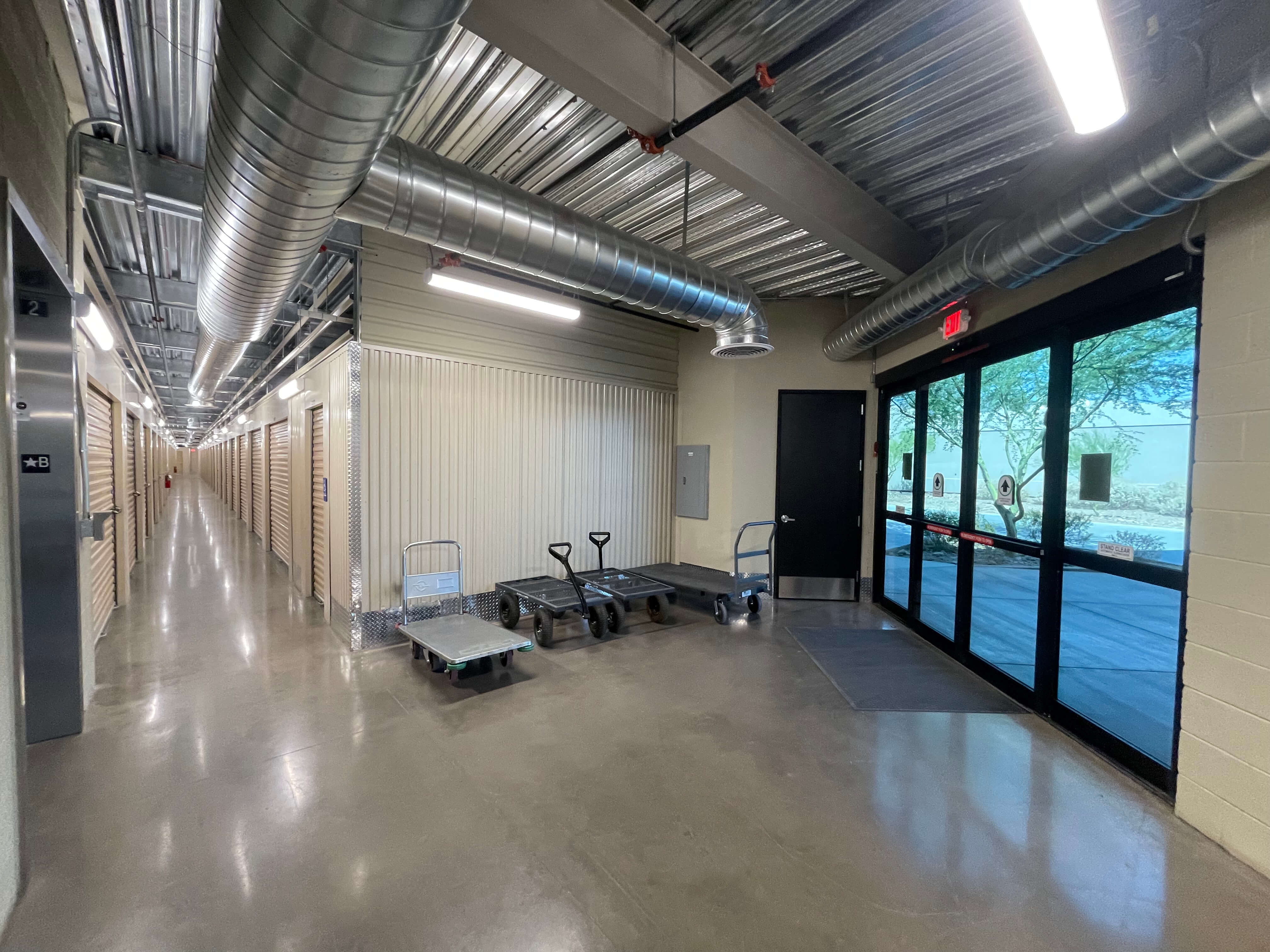
A well organized storage room with shelves bins labeled containers and hooks at McDowell Mountain Community Storage in Scottsdale Arizona
Organize your storage room efficiently using shelves bins hooks and labels at McDowell Mountain Community Storage in Scottsdale Arizona

Use Hooks, Racks, and Side Storage for Small Spaces

Small storage rooms benefit from creative solutions like hooks, racks, or side wall storage. This is especially useful for tools, kitchen utensils, or baby supplies.

Creative small-space solutions:

  • Magnetic strips: Store metal tools or kitchen knives safely.
  • Hanging baskets: Perfect for toys, linens, or office supplies.
  • Wall-mounted racks: Keep coats, shoes, or bags off the floor.
  • Corner shelves: Utilize often-forgotten spaces efficiently.

Optimize Storage Room Layout for Accessibility

The layout of your storage room can make a huge difference. A well-thought-out plan ensures easy access, safety, and efficient use of space.

Layout strategies:

  • Pathways: Keep aisles clear for easy access.
  • Zones: Create zones for clothes, tools, kids’ toys, or office supplies.
  • Frequently used items at eye level: Avoid bending or reaching for items used daily.
  • Heaviest items on the bottom: Prevent accidents and maximize safety.

Maintain Organization Over Time

Organization is not a one-time project. Maintaining order ensures your storage room stays tidy and functional.

Maintenance tips:

  • Monthly check-ins: Review bins and shelves to remove clutter.
  • Seasonal rotation: Switch out seasonal items for easy access.
  • Family involvement: Encourage everyone to return items to their spot.
  • Quick cleanups: Use containers, baskets, and labels to keep everything organized.

Add Style and Inspiration to Storage

A well-organized storage room can also be stylish. By incorporating decorative bins, shelving units, and baskets, you can turn a purely functional space into an inspiring area.

Styling tips:

  • Uniform containers: Give a cohesive look.
  • Matching labels: Adds a neat, professional touch.
  • Decorative baskets: Store linens, toys, or accessories stylishly.
  • Incorporate color and design: Make the space enjoyable to use.

Final Thoughts on Storage Room Organization

Organizing a storage room doesn’t have to be overwhelming. By using the proper shelving, bins, containers, hooks, and labels, you can maximize space, streamline access, and keep everything neat. Whether it’s your basement, garage, closet, home office, or storage unit at McDowell Mountain Community Storage, the strategies outlined here provide a comprehensive roadmap to a more organized life. DIY projects, seasonal rotations, and clever use of wall and door space ensure your storage system is functional, efficient, and adaptable. 

With the right tips, ideas, and hacks, every item, from books and toys to clothes and project supplies, can have a dedicated spot. A well-organized storage room not only reduces clutter but also makes your home more enjoyable and stress-free. By implementing these strategies, you’ll create a storage system that works for your family, lifestyle, and future projects, turning chaotic storage rooms into dream spaces that maximize utility and minimize clutter.

Frequently Asked Questions (FAQs) About Storage Room Organization

1. What is the best flooring for a storage room to prevent moisture damage?

Use moisture-resistant flooring like vinyl, sealed concrete, or laminate with water-resistant backing. Adding a rug or mat in areas prone to spills or leaks can also help protect items, especially if storing clothes, linens, or paper-based goods.

2. How can I organize fragile or valuable items safely in a storage room?

Store fragile items in padded boxes or containers lined with bubble wrap, foam, or old linens. Label these containers clearly and place them on the middle or top shelves to prevent crushing. Avoid stacking heavy items on top of fragile ones.

3. What lighting solutions work best for storage rooms or closets?

LED strip lights, motion-sensor lights, or bright overhead fixtures work well. Motion-sensor lights are handy for closets or garages where you need instant visibility without fumbling for switches.

4. How can I make a small storage room feel less cramped and more accessible?

Use vertical storage, such as tall shelving units and wall-mounted hooks, to free up floor space. Clear bins and uniform containers create a visually tidy space. Also, keep pathways clear and designate zones for specific types of items.

5. Are there eco-friendly storage containers or materials I can use?

Yes! Look for containers made from recycled plastic, bamboo baskets, or wooden crates. Reusable fabric bins and cardboard boxes from sustainable sources are also good options, especially for seasonal or lightweight items.

6. How often should I review and reorganize my storage system?

A good rule of thumb is every 3–6 months. Seasonal rotations, new purchases, or completed projects are good opportunities to reassess your bins, shelves, and labels to maintain order and efficiency.

7. What’s the best way to store electronic equipment or cables to avoid tangling or damage?

Use cable ties, Velcro straps, or small labeled containers for cords. Store electronics in protective cases or padded bins. Keep heavier devices on low shelves to prevent falls, and avoid stacking them under heavy items.

8. How can I create a kid-friendly storage area in a shared space?

Use open bins, low shelves, and labeled baskets for toys, books, and art supplies. Bright colors, clear labels, and accessible hooks help kids learn to put items back, making cleanup easier and encouraging independence.

9. Can I use furniture or multi-purpose pieces to add storage in small rooms?

Absolutely! Storage ottomans, benches with compartments, or beds with under-storage drawers are excellent ways to maximize space while keeping items hidden and accessible. Cabinets with adjustable shelves are also versatile.

10. What security measures should I consider for valuable items in a storage unit?

Use a lock approved by the storage facility, and consider insurance for high-value items. Keep fragile or sensitive items in opaque containers to prevent them from being easily seen, and avoid storing cash or extremely valuable electronics without extra precautions.

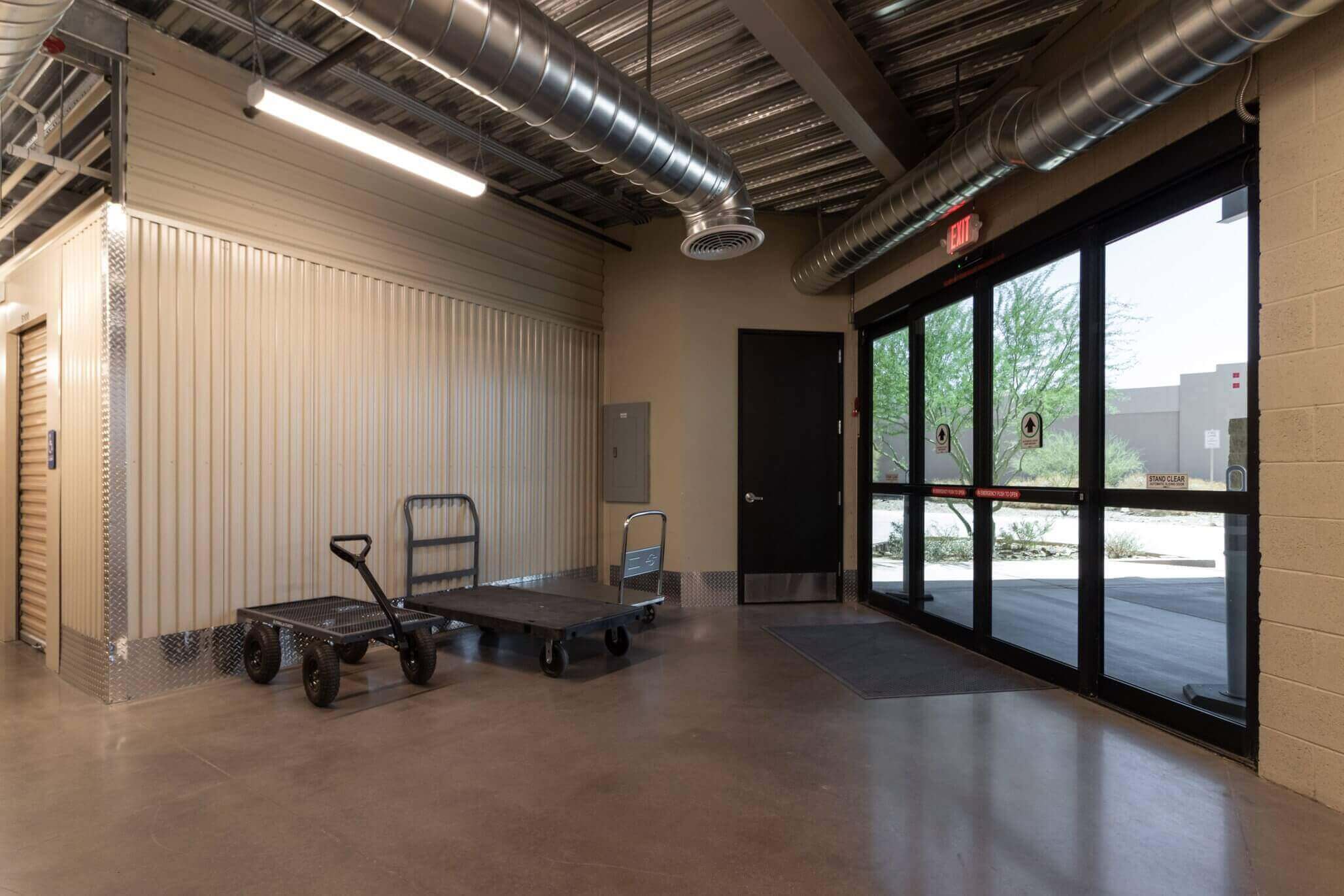
How to Turn a Spare Room Into the Ultimate Storage Hub

Turning a spare room into a storage hub is one of the most innovative ways to reclaim space, reduce clutter, and create a highly functional area within your home. Whether it’s an unused bedroom, a former office, or a catch-all zone filled with miscellaneous items, transforming it with intention can significantly enhance your home’s ability to stay organized, remain tidy, and feel more efficient. With the proper containers, clever design, and systems to stack, arrange, and keep things neat and accessible, you can optimize every square foot for maximum use and satisfaction. 

At McDowell Mountain Community Storage, we help families and individuals maximize spaces efficiently—both in their homes and in our secure, climate-controlled units. Whether you’re trying to create a cozy nook for the kids, a sleek bar area, or a multipurpose room with a TV and kitchen countertop for added function, we’re here to support your transformation. Suppose you’re ready to transform that spare room into an organized sanctuary with comfort, essentials, and a top-tier look. In that case, this guide covers everything you need to know—from layout tips to clever side storage strategies. 

Step 1: Evaluate the Room’s Purpose and Layout

Start by walking into your spare room and assessing its current condition. What’s being stored in there now—holiday decor, off-season clothes, old furniture, unopened boxes from your last move? Consider how you want the room to function:

  • Will it be strictly stored in Storage?
  • Will it serve a dual purpose, such as a guest room or home office?
  • Do you want it to store seasonal items, craft supplies, or tools?

Next, take precise measurements of your space. Identify walls, corners, closets, and any architectural features (like sloped ceilings or built-ins) that will influence your storage layout. Whether you’re turning the area into a mini library, playroom, laundry room, or even a second bathroom, knowing the dimensions helps you make the most of your rooms. Take note of natural lighting, outlets, and the radius of door swings—each of these can help you plan your shelving and furniture choices strategically, ensuring there’s plenty of room for book storage, food bins, Comic Book Storage Ideas for Protecting Your Collection, or something unique to your vision.

If the room has a closet, consider whether it’s being used effectively or if it needs a revamp. For a child or children, this could mean organizing toys, games, or school products. Likewise, suppose there’s a nook, alcove, or underutilized wall. In that case, you can transform that into a vertical storage zone with the right system—great for pets’ essentials, home gym gear, or even a mirror for added depth and functionality. Think about how colors can define different zones, whether you’re optimizing a basement space or just trying to keep things neat and accessible. 

Step 2: Clear, Clean, and Categorize

Once you’ve assessed the room, it’s time to clear it out and start fresh. Begin by removing everything from the room. As you go, sort items into five categories:

  1. Keep in the room
  2. Relocate elsewhere in the home
  3. Store offsite
  4. Donate
  5. Trash/recycle

Be ruthless. If you haven’t used it in a year, strongly consider donating it or moving it to offsite Storage—freeing up storage space for essential pieces like a cabinet for linens, bins for towels, or overflow from the pantry or living room. Keeping only what adds function or reflects your personality ensures everything on hand has a purpose. 

After clearing the room, give it a deep clean—vacuum floors, dust vents, wash windows, and wipe down baseboards. This is the perfect time to refresh the paint, change out outdated window treatments, or install new lighting. Consider placing a cozy chair in a quiet corner to create a reading nook or transforming the center of the room into a luxury pet zone or a crafting project center. Whether you’re working with spare bedrooms or multifunctional spaces, this phase reveals the room’s full potential. Adding bookshelves or planning around furniture option layouts can turn any area into a stylish addition to your home.

Step 3: Plan Storage Zones by Category

Designating zones within your spare room helps maintain long-term organization and clarity. Group items by function or frequency of use. For example:

  • Seasonal: Holiday decor, winter clothes, patio cushions
  • Tools & Equipment: DIY tools, sports gear, garden supplies
  • Documents & Media: Paper files, old photos, DVDs, keepsakes
  • Hobbies: Sewing, crafting, painting, or gaming gear
  • Kids’ Items: Toys, clothes to grow into, keepsakes

Each category should have its own assigned area—such as shelving, cabinets, or storage bins—clearly labeled and easily accessible. Whether you organize a kid’s toys, implement garden tool storage ideas, manage a walk-in closet full of seasonal pillows, or set up a crafting project zone, thoughtful planning makes a big difference. These storage ideas can turn even small renovations into something efficient and fun, proving that anything is possible with the right system in place.

Step 4: Choose the Right Storage Solutions

Now, it’s time to install your storage system. Here are some practical, space-saving options:

  • Vertical shelving: Maximize wall space with tall units or floating shelves.
  • Storage cubes: Great for sorting smaller items and fitting them into cubby furniture.
  • Over-the-door organizers: Ideal for tools, accessories, or cleaning supplies.
  • Clear bins: Easy to see contents; great for closet shelves or under beds.
  • Furniture with hidden Storage: Benches, ottomans, and beds with built-in compartments.
  • Pegboards: Perfect for craft supplies, tools, or hobby zones.

Mix open and closed storage options to strike a balance between access and aesthetics. Open shelves work well for frequently used items or framed photos, while closed drawers or boxes hide clutter. Kitchen cabinets with updated knobs can be repurposed for stylish storage that still fits your budget. Ensure everything has a designated home—whether it’s a functional piece, a daily-use item, or supplies in their raw form—this keeps the room clean and supports multiple functions in the long term. 

Step 5: Use Vertical and Hidden Storage

Many people overlook the potential of fully utilizing vertical and hidden space. Go beyond traditional shelving and consider these ideas:

  • Install shelves over doors and windows
  • Use bed risers to store bins underneath
  • Add hooks and baskets to wall panels or pegboards
  • Convert a closet into a built-in shelving system
  • Use space behind doors for slim racks or hanging organizers

Maximizing these less obvious areas ensures that every inch of your spare room works harder for you. A bench with built-in drawers, a shelf tucked into a quiet spot, or a bookcase made of reclaimed wood can make all the difference. Try placing armchairs in a row to create a cozy reading nook, or add a narrow table in front of a window. Sometimes, the smallest trick or idea adds that extra bit of function and charm. 

Step 6: Incorporate Multifunctional Furniture

If your spare room will double as a guest room, office, or craft space, multifunctional furniture is a must:

  • Murphy beds or sofa beds: Great for guests without compromising space
  • Desks with drawers: Provide workspace and Storage
  • Storage benches: Offer seating and a place to stash blankets, books, or craft supplies
  • Folding tables: Easily stow away when not in use
  • Modular furniture: Reconfigure as your needs evolve

Make sure furniture complements the storage system—everything should feel cohesive and streamlined. Keep in mind how the approach to each zone supports daily flow, whether you’re storing household goods, digital content, or small appliances. A well-placed rug can define areas, such as a cozy dining room setup or a reading nook. Utilize the bottom of shelves for heavier items kept out of sight, maintaining a clean and intentional layout throughout.

Step 7: Personalize and Decorate

Just because it’s a storage room doesn’t mean it has to be dull. Use color, art, and decor to create a welcoming and intentional space. Consider:

  • Soft rugs for warmth
  • Artwork or inspiration boards
  • Plants for a natural vibe
  • Accent lighting like LED strips or wall sconces

This is especially important if the room serves as a functional space, such as an office or creative studio. A beautiful environment boosts motivation and helps maintain cleanliness.

Step 8: Maintain Your System

Creating a beautiful storage room is only half the battle—keeping it that way is the real challenge. Try the following:

  • Reassess Storage every 3–6 months
  • Replace worn-out bins or labels
  • Rotate seasonal items (e.g., holiday decorations, coats)
  • Purge items you no longer need
  • Keep a donation bin in the room so you’re always ready to declutter

A simple routine keeps your space fresh, functional, and frustration-free.

Step 9: When to Use Offsite Storage

Even with a well-organized storage hub, there are limits. If you’re storing:

  • Large furniture
  • Infrequently used items
  • Boxes of paperwork or old media
  • Business inventory
  • Sentimental items you’re not ready to part with

…then, an offsite storage unit is an innovative solution.

At McDowell Mountain Community Storage, we offer affordable, secure, climate-controlled units in a range of sizes. Whether you’re preparing for a move, remodeling your home, or want to free up space, we’re here to help.

Pro Tips for Common Storage Room Themes

Stylish spare room redesigned for maximum storage capacity using tips from McDowell Mountain Community Storage in Scottsdale Arizona
Homeowners across Scottsdale Arizona trust McDowell Mountain Community Storage to turn unused rooms into highly functional storage areas

Home Office + Storage

  • Use file cabinets and modular desks
  • Label documents clearly
  • Keep cords and devices organized with clips or trays

Craft Room + Storage

  • Store supplies by color or type
  • Use clear jars, caddies, and drawer dividers
  • Create a pegboard wall for tools

Guest Room + Storage

  • Under-bed bins for linens and out-of-season clothes
  • Nightstands with drawers
  • Wall shelves above the headboard for decor and Storage

Toy Room + Storage

  • Soft bins for safety
  • Low shelving for accessibility
  • Color-coded or picture labels for easy cleanup

Real-Life Spare Room Transformation Example

Before: A cluttered spare bedroom filled with cardboard boxes, unused furniture, and random decor items.

After:

  • Walls painted in a calming blue-gray
  • Floor-to-ceiling shelving on two walls
  • Murphy bed installed for guests
  • Pegboard and floating desk on the third wall
  • Under-bed bins hold holiday decorations
  • The room doubles as a crafting nook and guest retreat

The transformation saved over 150 sq. ft. of clutter in the main house and added both function and style to an otherwise forgotten room.

Final Thoughts

Your spare room can be so much more than a catch-all for clutter. With planning, creative storage solutions, and a dash of style, it can become the ultimate storage hub that supports your lifestyle and keeps your home serene.

And if you run out of space? Let McDowell Mountain Community Storage provide you with the breathing room you need with our clean, secure, and climate-controlled units available right here in Scottsdale.

Ready to reclaim your space?

Contact McDowell Mountain Community Storage today and ask about our current specials and unit availability!

Frequently Asked Questions

1. Can I convert a spare room into Storage without making permanent changes?

Yes. Utilize freestanding shelving, over-the-door organizers, and modular furniture to avoid the need for drilling or remodeling. This is ideal for renters or temporary needs.

2. What lighting works best in a storage-focused room?

Use bright, energy-efficient LED lighting. Layer ambient ceiling lights with task lighting (like desk lamps or wall sconces) to illuminate specific storage zones.

3. How do I keep the storage room from becoming cluttered again?

Implement a “one-in, one-out” rule. Regularly review stored items and use labeled containers to ensure everything has a designated place and purpose.

4. What type of flooring is best for a storage room?

Low-maintenance options, such as vinyl, laminate, or sealed hardwood, are ideal. Add washable rugs in high-use zones for warmth and comfort.

5. How can I make my storage room child-safe?

Anchor tall furniture, avoid sharp corners, keep choking hazards and chemicals out of reach, and use soft bins and low shelves for kids’ access.

6. What’s the best way to store fragile or valuable items?

Use padded containers, bubble wrap, and acid-free boxes. Store them on middle-height shelves to avoid pressure from heavy items above or dust and damage from below.

7. How can I make a small spare room feel bigger while storing more?

Use vertical Storage, mirrors, light paint colors, and multifunctional furniture. Keep the center of the room open to enhance flow and visual space.

8. Should I install built-in cabinetry or go with modular pieces?

Built-ins are ideal for long-term homes; modular systems offer flexibility and portability, making them a good option if your needs change or you relocate.

9. How can I keep stored items fresh and free from dust and pests?

Use airtight containers, silica gel packs, and cedar blocks. Clean regularly and avoid using cardboard boxes, as they can attract insects.

10. Can a storage room increase my home’s value?

Yes. A well-organized, multipurpose room with thoughtful storage features can significantly enhance the appeal for buyers seeking functional space.