Effective Purse Storage Ideas for Homes and Storage Units
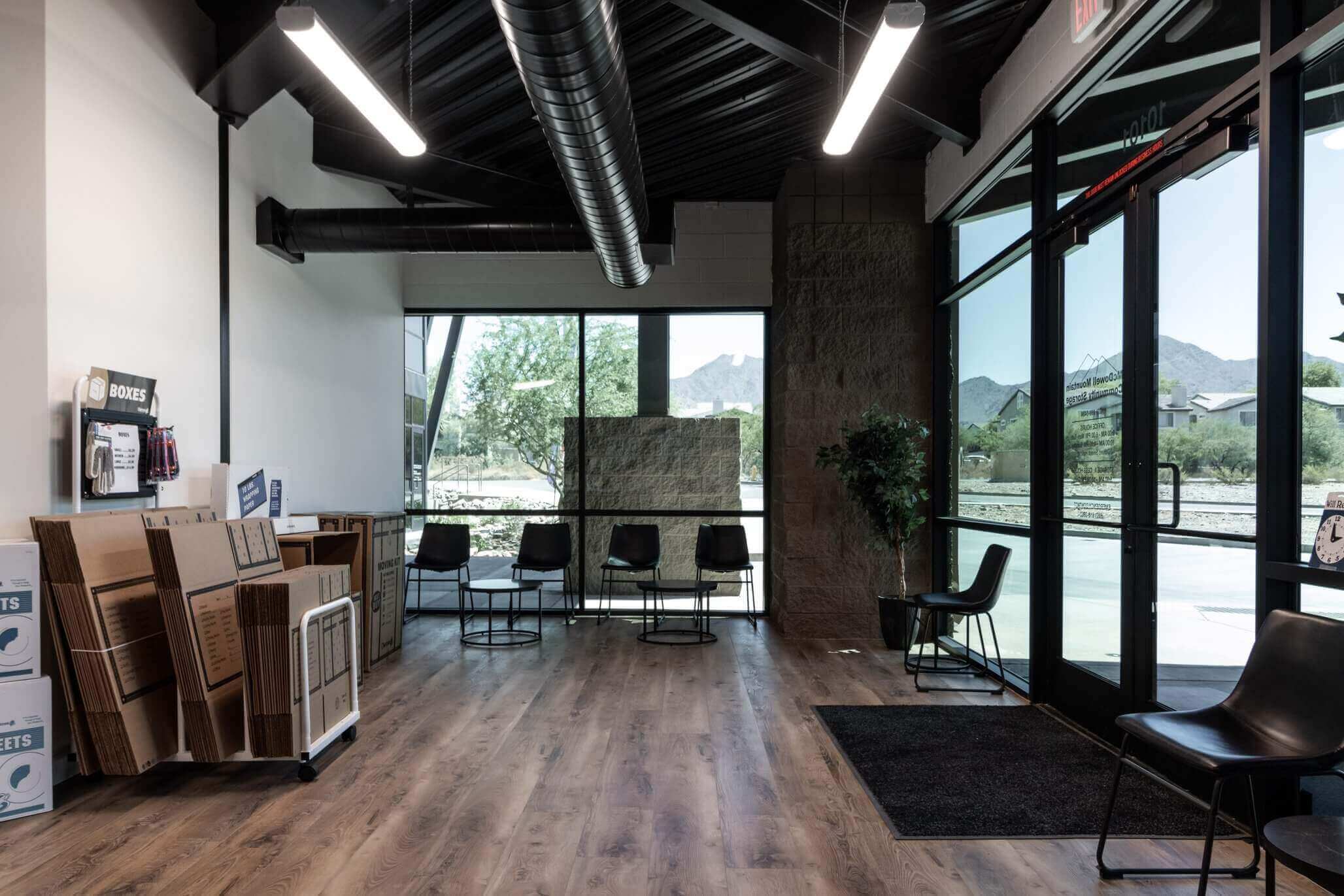
At McDowell Mountain Community Storage, we understand how important it is for our customers to keep purses, handbags, clutches, and bags in excellent condition. Whether they’re displayed in a bedroom closet, neatly arranged on a bed during sorting, carefully stacked on a shelf, stored behind a door, or secured inside one of our climate-controlled storage units. Our goal is to help anyone with a handbag collection create an organization system that is tidy, accessible, and optimized for long-term preservation. We know that the right purse organizer, combined with clever placement and thoughtful handling, can make a significant difference in maintaining the structure, color, and longevity of every piece.
Below, we share our most effective purse storage ideas for home or storage units, built on years of hands-on knowledge managing personal items, accessories, and household goods of all sizes, materials, and value levels. By guiding customers on how to protect the back of each bag, prevent accidental compression when they stack items, and choose organizers that support the shape of each bag, we help ensure that every handbag remains in ideal condition for everyday use or long-term safekeeping.
Purse Storage Begins with Clean, Protected Foundations
Before arranging purses, bags, wallets, or clutches on a shelf, rack, or in cubbies, ensure the surfaces are clean. In our experience, cleanliness prevents long-term damage to handles, fabrics, leather, and hardware. At home, wiping down shelves, drawers, or bins ensures that each purse or handbag rests on a dust-free base. In our storage units, we maintain high standards of cleanliness to protect our clients’ items from dust and particles that might accumulate on bag materials over time.
As part of initial preparation, we encourage customers to empty all handbag content and evaluate the items inside—jewelry, hats, accessories, and things that could scratch or deform the interior lining. When items are removed, it becomes easier to categorize, sort, and label boxes or bins later. Having a clean starting point helps maximize both space and protection.
Thoughtful Selection of Storage Spaces Enhances Preservation
Choosing the right place to store purses is one of the most critical factors in long-term preservation. At home, closets offer versatile options, as shelves, wall hooks, racks, drawers, baskets, and boxes can be combined to create a personalized purse organization system. In a bedroom, a top shelf above shoes or clothes is often underused; placing handbags there can free up closet space while offering easy access.
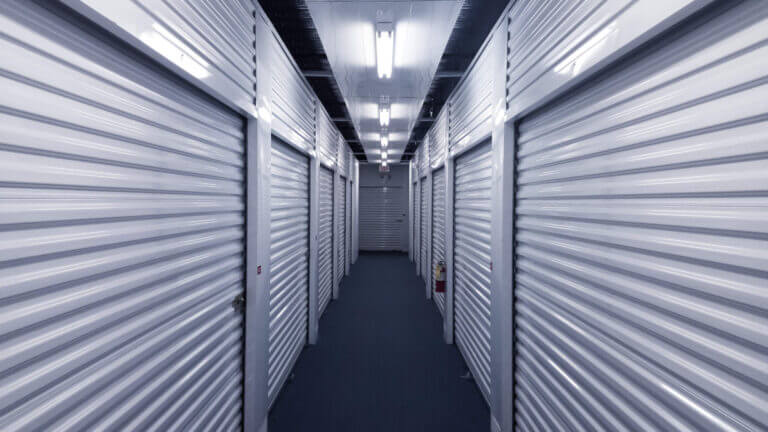
Within our facility, we provide storage units designed to maintain stable conditions, protecting purse materials—especially leather and suede—from heat, moisture, and light exposure. Customers storing large numbers of handbags or extensive collections often benefit from climate-controlled spaces, as temperature fluctuations can warp bag shapes or fade colors. By selecting the right storage environment, our customers help ensure their handbag collection remains neat, compact, and display-ready.
Strategic Use of Dividers, Bins, and Baskets Encourages Structure
Shelf dividers, bins, and baskets play a vital role in keeping a handbag collection tidy. When purses sit upright and separated, they maintain their shape and avoid flattening. We have seen many effective ways to use these organizational tools: shelf dividers can keep bags in neat rows; bins can be categorized by size, material, or color; and baskets can help sort less frequently used handbags while keeping them accessible.
For customers storing purses in our units, we recommend using breathable bins rather than sealed plastic boxes, which can trap moisture. Structured dividers or racks inside these bins help keep each bag upright. When bins are clearly labeled, customers can locate items quickly without having to handle every bag, reducing wear. Organizational methods like these maximize both security and space efficiency.
Hanging Solutions Increase Flexibility and Efficiency
Hooks, hangers, and wall hooks offer a practical way to create vertical storage for purses. Behind-the-door racks or shower-curtain rings can hold lightweight bags or clutches, freeing up floor and shelf space. We advise customers to hang bags only by strong handles to prevent stretching, and to avoid hanging heavy handbags for long periods. Still, hanging solutions remain a valuable part of purse organization because they allow anyone to arrange items in ways that fit their space.
Hanging handbags in our storage units is possible when done thoughtfully. Customers using garment racks or closet systems can hang bags inside dust bags to prevent scratching. Hooks can also be used for accessories associated with purses, such as wallets or small crossbody bags. By combining hanging solutions with shelving, customers create well-balanced systems that are both efficient and protective.
Dust Bags, Cubbies, and Drawers Increase Protection
Dust bags are one of the most effective forms of protection for handbags. They shield materials from dust, fading, and accidental scuffs. We encourage customers to store valuable or delicate purses in dust bags, whether in a bedroom closet or in one of our storage units. When a dust bag isn’t available, a soft cotton pillowcase can serve as a safe alternative.
Cubbies and drawers add another layer of organization. Dividers inside drawers help separate purses, preventing handles or hardware from rubbing together. Cubbies, especially those sized appropriately for handbags, allow customers to sort by size, color, or use frequency. These structured spaces support consistent organizational practices and protect each bag within an orderly, well-labeled system.
Shape Preservation Techniques Maintain Long-Term Quality
One of the most common issues we see with purse storage is loss of shape. Bags collapse when they are empty, and over time, this can lead to permanent creases. To prevent this, we recommend filling handbags with acid-free materials. Tissue paper, clean cloth, or professional bag shapers keep the interior firm without adding weight.
Our customers who store bags long-term benefit greatly from shape preservation. Inside storage units, handbags may sit untouched for months. Filling them prevents sagging and ensures the bag emerges in display condition. By stacking bags only when necessary—and consistently placing the lightest items on top—customers can avoid accidental warping or flattening. This careful approach protects both structure and style.
Color, Material, and Size Sorting Methods Improve Organization
Sorting purses by color, material, or size offers several advantages: visual clarity, quicker access, and better preservation. When customers group leather handbags and fabric bags separately, they reduce the chance of material transfer or accidental staining. Sorting by size also prevents large bags from pressing against smaller, more delicate ones.
Categorizing bags by color is popular among customers who want a visually appealing display. In a bedroom closet, a rainbow-style organization method can make the collection feel curated and stylish. In our storage units, we see customers sort by material first—especially if they have lots of bags—because preservation often matters more than aesthetics in long-term storage. Regardless of method, sorting helps maximize space and maintain order.
Accessories and Related Items Benefit from Coordinated Storage
Purses rarely sit alone; wallets, small accessories, jewelry, and handles often accompany them. When storing these items together, customers reduce the chances of losing pieces that belong with particular bags. Small bins, drawer organizers, or labeled boxes can keep accessories sorted by category.
In our storage units, customers frequently store seasonal accessories, such as hats and jewelry, alongside handbags. By grouping related content carefully and using organizers, they streamline both storage and retrieval. This system also ensures that when someone needs a particular bag, its matching accessories are accessible and accounted for.
Seasonal Rotation Creates Fresh Space and Better Access
Many customers enjoy rotating bags by season. Summer totes, bright-colored handbags, and travel bags can be stored in storage units during winter, while darker, structured handbags return home. This rotation makes room in closets and helps customers stay connected to their favorite pieces without feeling overwhelmed by clutter.
We support seasonal rotation by offering easily accessible units that allow customers to retrieve stored items quickly. Because our facility prioritizes organization and labeling, customers can open a bin, find the exact purse they want, and update their rotation without unnecessary searching. This practice keeps home closets neat and manageable while keeping handbags protected year-round.
Safe Packing Methods Optimize Long-Term Storage Conditions
When customers prepare to store handbags long-term—whether during a move, extended travel, or a home renovation—they benefit from thoughtful packing strategies, especially when organizing home renovation for easy access is part of the plan. We guide customers to wrap each bag in soft, breathable materials, use dividers in boxes, and avoid placing heavy items on top of handbags. Handles should be wrapped to prevent indentations, and hardware should be covered to prevent scratching.
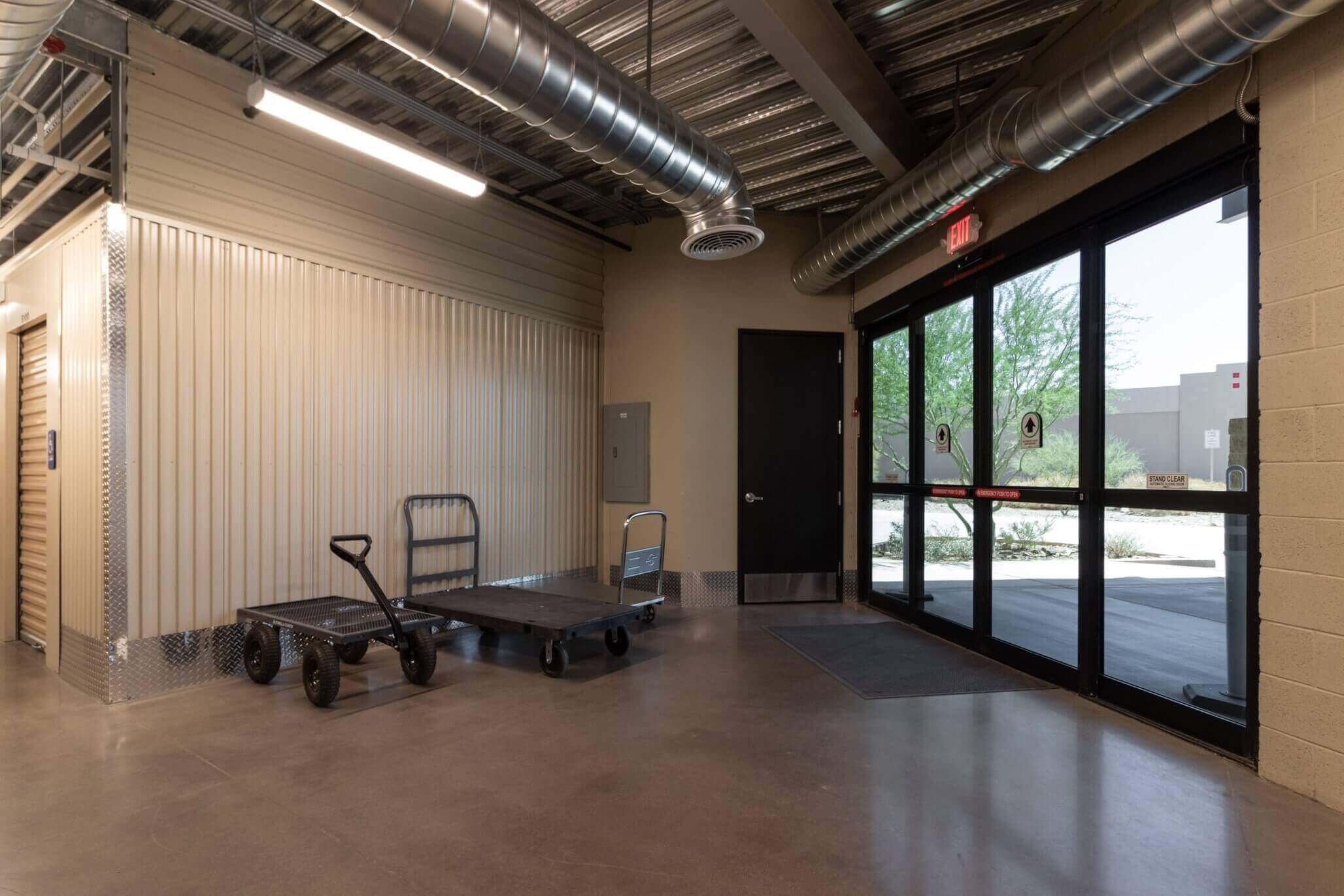
Inside our units, stacking should be kept to a minimum, and boxes should be clearly labeled with contents and sizes. This not only optimizes organization but also reduces handling, which can cause wear. By adequately preparing handbags before placing them in long-term storage, customers protect their investment and maintain each purse’s structural integrity.
Climate-Controlled Storage Units Strengthen Preservation
Climate-controlled storage is one of the most important tools we offer for handbag preservation, and the benefits of a climate-controlled storage unit extend far beyond simple temperature regulation. Temperature and humidity can affect leather, suede, coated canvas, and even hardware, making proper environmental control essential. Humid environments may cause mold, while dry air can crack leather and weaken delicate materials. Climate-controlled units stabilize these conditions, providing a reliable environment for long-term handbag storage and ensuring that every purse remains protected from the fluctuations that often damage high-quality accessories.
Our climate-controlled units also help protect materials from fading, warping, or sticking. When customers store extensive collections or high-value handbags, these units offer essential protection. By combining climate control with proper organization, dividers, shelving, and dust bags, customers create ideal conditions that safeguard their handbag collection for years.
Thoughtful Layouts Maximize Usability and Space
Whether organizing a bedroom closet or arranging items inside a storage unit, layout matters. Customers who design their closet with shelves at varying heights, wall hooks, door racks, and baskets can fit more handbags without feeling cluttered. In our storage units, customers often bring modular shelving to create layouts similar to ours.
Using vertical space, stacking carefully, categorizing by use, and labeling boxes all contribute to a logical, efficient system. Customers who build layouts that reflect their personal habits—such as keeping frequently used bags at eye level—benefit from faster access and easier maintenance. A well-planned layout makes purse organization sustainable and straightforward.
Consistent Maintenance Keeps Collections in Top Condition
Maintaining purse storage isn’t a one-time task. Dusting shelves, checking bag condition, adjusting shelf dividers, and updating labels help keep systems neat and functional. We encourage customers to perform a quick inspection every few months to ensure their handbags remain in optimal condition.
For those storing items at our facility, we design units that are easy to navigate, allowing customers to visit, adjust, and reorganize their belongings without stress. Regular maintenance ensures that handbags stay protected, organized, and ready for use anytime.
Support for Every Step of Purse Organization
At McDowell Mountain Community Storage, our mission is to make purse storage easier, safer, and more efficient. We take pride in helping customers organize home closet space, manage seasonal collections, and preserve handbags in our clean, secure, and accessible storage units. By offering stability, protection, and thoughtful guidance, we support customers who want to display, protect, categorize, or optimize their handbag storage systems.
Our facility is designed for anyone looking to maximize space while keeping purses in excellent condition. From racks and shelving to dividers and bins, we help our customers create systems that reflect their personal style and organizational goals. With our storage options and expertise, customers can feel confident that their handbag collection is well preserved, well organized, and always ready for use.
Frequently Asked Questions
1. Can I store vintage or designer handbags in long-term storage without damaging them?
Yes, but they need extra care. Vintage and designer handbags should be stored in climate-controlled environments, kept in breathable dust bags, and supported internally with acid-free materials to maintain structure.
2. How do I prevent metal hardware on my handbags from tarnishing during storage?
Keep hardware wrapped lightly in soft, non-abrasive cloth and avoid exposing it to moisture or plastic. Climate-controlled storage also reduces the risk of oxidation.
3. Are there specific purse organizers recommended for small closets or limited space?
Compact vertical purse organizers, slim shelf dividers, and over-the-door racks are ideal for small closets. These solutions maximize height and depth without taking up floor space.
4. Should I store handbags with their straps tucked inside or left out?
Straps should be stored in a neutral position to prevent creasing. Tuck longer straps inside gently, but avoid bending them sharply. Short handles can remain upright if appropriately supported.
5. What is the safest way to store handbags made of delicate fabrics like satin or silk?
Please place them in individual breathable dust bags and avoid stacking. Cushion them with soft materials and keep them away from coarse surfaces that may snag the fabric.
6. Are storage units safe for handbags that contain natural materials such as leather or straw?
Yes—especially climate-controlled units. Natural materials are sensitive to humidity and temperature changes, so controlled environments prevent cracking, fading, and mold.
7. How often should I rotate or inspect purses kept in long-term storage?
Every 2–3 months is ideal. Regular inspection allows you to air out bags, reshape interiors, and ensure no moisture or pressure marks have formed.
8. Can I store handbags inside their original designer boxes?
You can, but only if the boxes are breathable. Many designer boxes are sturdy but may trap humidity. Add silica packets and monitor moisture if storing this way.
9. What is the best method for storing oversized totes or travel bags that don’t fit standard shelves?
Use wide, open cubbies or large bins with supportive structure. Oversized totes should not be folded; instead, keep them upright with interior support to maintain shape.
10. Should I clean or condition leather handbags before placing them in storage?
Absolutely. Light cleaning and conditioning help leather retain moisture and flexibility during storage. This prevents cracking and keeps the bag in display-ready condition.