
Welcome to a complete guide by McDowell Mountain Community Storage, designed to help you maximize every inch of your tiny house with smart, multifunctional storage, efficient organization, and stylish design ideas. Whether you’re living full-time in a compact home or simply looking to declutter and streamline your space, this guide offers practical tips, creative DIY projects, and proven ways to transform limited square footage into a space that feels open, comfortable, and beautifully efficient.
From clever pegboard wall systems and dual-purpose couch designs to family-friendly zones that balance comfort and functionality, this content focuses on the most effective organization strategies for modern family living. You’ll learn how to create flow, reduce clutter, and integrate multifunctional furniture into every corner of your home — turning even the smallest spaces into bright, livable, and inspiring environments.
Plan Your Storage and Space Strategy from Day One
When you’re working with a limited footprint, the key is to plan how you’ll use every square foot—an intentional approach that transforms a compact layout into a livable, stylish space. A tiny home still needs to feel like an actual house, and to achieve that balance, you’ll need clear zones and an innovative use of walls, doors, floors, furniture, and storage space. With the right approach, you’ll uncover plenty of creative ways to design a storage solution that also serves as home decor, seamlessly blending practicality and style. Every inch should serve a purpose, offering a thoughtful solution that supports both comfort and efficiency.
Start by making a list of everything you own: clothes, shoes, linens, books, kitchen items, toys, decor, and bags. Then decide what you use every day, what you use some days, and what you can store away or donate. Evaluate your kitchen shelves, drawers, and cabinets carefully — even small changes can make a big difference in how your home feels and functions. Organization is a refined skill that evolves with your stage of life, and what works for one person or group may not suit another. The philosophy remains timeless: everything has a place, and everything in its place — a principle that helps maintain order, comfort, and harmony in every home.
Use Vertical and Hidden Storage to Free Up Floor Area
In a compact home, floor space is precious, and everything needs to earn its place. One of the best organizational strategies is to take your storage off the floor and use walls, ceilings, under furniture, behind doors, and inside built-in compartments. When you design thoughtfully, you can skip the clutter and create an open, breathable layout that feels larger than it is — all without sacrificing comfort or style.
Install wall-mounted shelving above a bed, add hooks on a door for bags or towels, or build cabinet drawers into the stairs. Hidden compartments make it easy to tuck away essentials while keeping surfaces clear, keeping the living room, kitchen, and bedroom functional and inviting. With a bit of creativity and planning, your space works harder for you — and you’ll find yourself saying thanks for every brilliant inch of storage you created.
Choose Furniture That Doubles as Storage
Furniture in a tiny house must play more than one role. A sofa, bed, desk, or table can also be a storage solution—helping you use every item in a multifunctional way.
Beds with built-in drawers or lift-up frames, couches that hide storage underneath, and desks that fold down are all innovative options. For example, a bed with drawers under the frame gives you space for linens, clothes, or shoes. A sofa with hidden compartments can store blankets, books, or extra pillows. A fold-out desk mounted on a wall can serve as a workspace and then disappear when not in use—leaving more room in your living space.
Maximize Your Kitchen Storage and Organization
The kitchen in a tiny house often becomes the center of activity, so you’ll want it to be both efficient and uncluttered. Start by using wall space for your pots, pans, utensils, and spices—freeing up cabinet interiors and counter space.
Hanging pot racks, magnetic knife strips, and pegboards help you store bulky items out of drawers. Pull-out cabinets, stackable containers, and narrow shelves make your storage space more efficient. Instead of one deep drawer filled with everything, separate items into baskets or bins on sliding shelves so you can access what you need without digging.
Optimize the Living Room and Multi-Purpose Areas
Your living room in a tiny home may serve as a living space, home office, entertainment area, and even a guest spot. To keep it organized:
- Choose furniture with hidden storage (like under-sofa drawers) so items like books, toys, or blankets have a place to go.
- Use vertical shelving on walls to display books, decor, or baskets for miscellaneous items.
- Define zones within the same room—for instance, one side for seating and one for a desk or work area.
- Keep the number of decorative “things” modest; over-decorating can make a small place feel cluttered fast.
Streamline Closet Space, Drawers, and Clothing Storage
When space is minimal, closets and drawers must work efficiently.
- Decide whether you need more hanging space for jackets and dresses or more shelves and drawers for folded items.
- Use slim hangers, double hanging rods, and under-shelf baskets to maximize vertical space.
- Store off-season clothes in higher or less accessible spots and keep everyday clothes within easy reach.
- Use open shelving for items you access often and closed cabinets for irregular or messy-looking items to reduce visual clutter.
Make the Bathroom Efficient and Storage-Smart
In the bathroom of a tiny home, even a few extra inches matter. Smart solutions include:
- Wall-mounted cabinets and shelves above the sink or toilet to store towels, toiletries, and cleaning items.
- Narrow shelving units behind the door or above the toilet tank for baskets holding extra towels or paper goods.
- Hooks on the wall or door for towels and robes, freeing up shelf or cabinet space.
- Drawers under the sink or modular pull-out bins inside cabinets so you don’t waste unused space behind doors.
Tackle the Bedroom and Under-Bed Storage
The bedroom may also serve as a living or working area in a tiny home. Use the bed area strategically:
- Choose a bed frame with drawers underneath, or raise the bed to create usable storage boxes or compartments.
- If you have a loft bed, use the space beneath it for a desk, sofa, or shelving rather than leaving it empty.
- Use baskets or bins under the bed for shoes, linens, or seasonal items.
- Keep surfaces minimal; clutter on nightstands or the floor quickly makes the room feel small.
Use Door, Wall, and Stair Spaces for Hidden Storage
Doors, walls, and stairs are often overlooked opportunities for storage — yet they can easily become stylish and functional storage solutions for small spaces when designed with purpose and creativity.
- Use the backs of doors to hang organizers, hooks, or baskets to store everyday essentials.
- Mount shelves and pegboards on walls to hold kitchen utensils, books, or decor while keeping surfaces clear.
- If you have stairs or a loft, convert the steps into storage drawers or cabinets to maximize every inch of space in your home.
Adopt a Minimalist Mindset and Declutter Regularly
Even the best-designed storage won’t help if you keep accumulating unnecessary items. A key part of tiny-house living is maintaining a minimalist approach:
- Regularly purge what you no longer need, use, or love.
- Ask, “Does this item have a dedicated place?” If not, assign it to someone or consider donating it.
- Use baskets or bins to group small items so they don’t scatter across counters and floors.
- Keep your decor simple. Owning fewer things makes your space feel open and peaceful.
Create Multifunctional Areas and Furniture
In tiny homes, rooms often serve multiple purposes — the living room might double as a home office or guest area.
- Use foldable furniture such as a wall-mounted desk, a collapsible dining table, or a sofa bed.
- Invest in stackable and modular pieces like nesting tables and adjustable shelving.
- Choose furniture with hidden compartments, such as ottomans, lift-top coffee tables, or window seats with built-in storage.
- Design each area for multiple functions — for example, the kitchen counter can serve as both prep space and dining area.
Maximize Kitchen, Pantry, and Cabinet Storage
Your cabinets and pantry need to work hard in a small kitchen. Try these ideas:
- Use pull-out shelves and narrow cabinets rather than one deep, hard-to-reach space.
- Stack containers and baskets inside cabinets to group similar items, such as spices, snacks, or utensils.
- Hang pots, pans, and bowls on hooks or pegboards to free up cabinet space.
- Attach racks or magnets to the back of cabinet doors for small items.
- Add under-sink or toe-kick drawers for rarely used items.
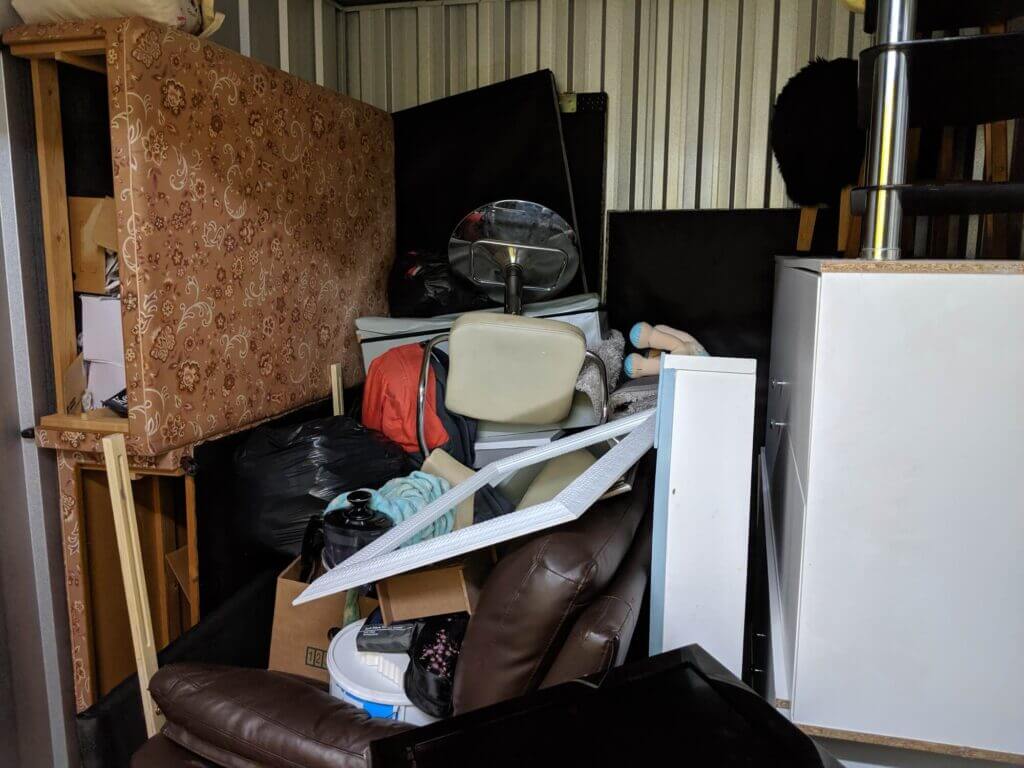
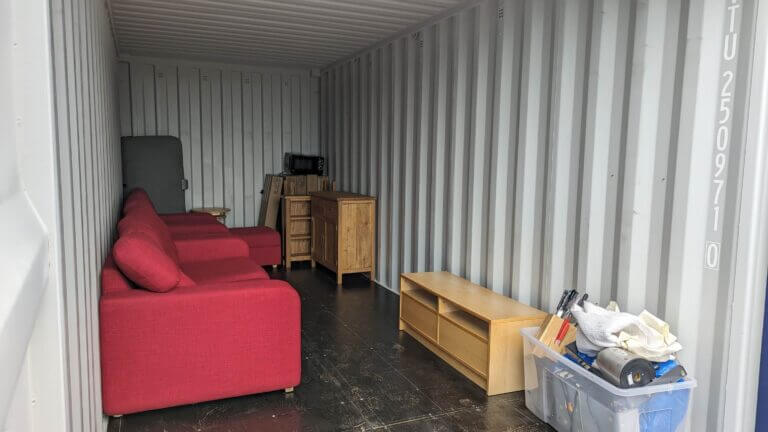
Organize the Garage, Storage Room, or External Storage Space
If your tiny home has external storage, such as a garage or storage unit, treat it as an extension of your home and apply the same principles of storage room organization to keep it efficient and clutter-free:
- Store larger or seasonal items in labeled bins on shelves for easy access.
- Use wall-mounted systems to keep tools and equipment off the floor and maintain open pathways.
- Stack crates or use modular shelving to make better use of vertical space and improve visibility.
- Follow a “use it or lose it” rule—if an item sits unused for too long, donate or discard it to keep your space clean and organized.
Keep Everything in Its Place and Maintain the System

The final step in any organizational system is maintenance.
- Label baskets, bins, drawers, and shelves so everyone in your home knows where things belong.
- Make a habit of returning items to their spots immediately after use.
- Schedule a monthly or quarterly declutter to reset your storage areas.
- Review and adjust zones when needed—if a shelf or cabinet is overflowing, reorganize.
- Update your layout as your lifestyle evolves.
The Effectiveness of Tiny Home Storage Hacks in Any Space
Although this guide focuses on tiny homes, these organizational principles apply to any living space.
- Efficient use of space: By leveraging vertical areas, hidden compartments, and multifunctional furniture, you make your home feel more spacious.
- Reduced clutter and stress: When every item has a dedicated spot, visual clutter disappears, creating calm.
- Adaptability: Modular, stackable, and foldable furniture helps your home evolve as your needs change.
- Stylish function: Smart storage doesn’t have to be plain—it can integrate with your decor through shelves, pegboards, and custom cabinetry.
Final Thoughts from McDowell Mountain Community Storage
At McDowell Mountain Community Storage, we understand that external storage can complement your tiny-home lifestyle. When you have seasonal gear, spare furniture, or overflow items for the kitchen or bedroom, a clean, secure storage unit can help keep your home clutter-free.
The goal of the tiny-house organization is simple: make your space efficient, comfortable, and reflective of your lifestyle. By implementing these storage ideas, shelving strategies, furniture hacks, and organization habits, you’ll turn even the smallest home into a beautifully functional and stress-free environment.
If you’re ready to expand your living space beyond your walls, contact McDowell Mountain Community Storage for innovative, flexible storage solutions that fit your needs.
Frequently Asked Questions
1. How can I design a tiny house layout that prioritizes storage from the start?
When building or renovating a tiny house, start by planning storage into your floor plan — not as an afterthought. Integrate built-in cabinets beneath stairs, design loft areas for seasonal storage, and use vertical walls for shelving and pegboards. Early planning ensures your home has seamless, accessible storage without wasting precious square footage.
2. What are the best materials for durable and lightweight storage furniture in tiny homes?
Opt for lightweight yet strong materials such as plywood, bamboo, and aluminum. These materials offer long-lasting durability while keeping your furniture portable and easy to rearrange. Modular and foldable furniture made from these materials maximizes both storage and flexibility in compact spaces.
3. How do I keep my tiny home organized if I have kids or pets?
Family living in a small home requires zones and daily routines. Use labeled bins for toys, baskets for pet supplies, and under-sofa drawers for shared items. Vertical shelving keeps breakables out of reach, while foldable furniture helps open up play areas when needed.
4. What’s the best way to combine aesthetics and function in tiny house storage?
Your storage can double as home decor by choosing furniture with natural textures, minimalist finishes, and integrated shelving. Open wall shelves can display books or plants while storing essentials, and woven baskets or wooden boxes add warmth and visual harmony to your living space.
5. How can I make my kitchen feel bigger without losing storage space?
Maximize counter space by using wall-mounted racks, pegboards, and magnetic strips for utensils and pans. Clear jars, tiered spice shelves, and under-sink organizers help reduce clutter. Choosing light-colored finishes and reflective surfaces enhances the sense of openness in small kitchens.
6. What’s the difference between built-in and modular storage for tiny homes?
Built-in storage is customized for your space — ideal for stairs, beds, or walls — and maximizes every inch. Modular storage, on the other hand, consists of stackable, adjustable, or removable units. Many tiny-home owners combine both: built-ins for structure and modular units for flexible, evolving needs.
7. How often should I declutter in a tiny house to maintain organization?
In small spaces, quarterly decluttering is ideal. Review each room seasonally — closets, kitchen cabinets, and drawers — to decide what stays and what goes. Regular purging prevents clutter buildup and keeps your home efficient and calm year-round.
8. Can I still have hobbies or collections in a tiny home without creating clutter?
Absolutely. The key is selective display and efficient storage. Use floating shelves for curated collections, or hidden drawers for supplies. Foldable desks or wall-mounted craft tables can turn a corner into a hobby zone, allowing you to enjoy your interests without overwhelming your space.
9. What should I store in an external storage unit vs. in my tiny home?
Keep everyday essentials in your home — clothes, cookware, linens — and move off-season, bulky, or sentimental items to an external storage unit. Items like camping gear, sports equipment, holiday decorations, or spare furniture are ideal for McDowell Mountain Community Storage units. This approach preserves home comfort while ensuring everything remains accessible.
10. How can I maintain a minimalist lifestyle long-term in a tiny home?
Adopt a “one in, one out” rule — for every new thing you bring home, remove another. Prioritize quality over quantity, and invest in multifunctional furniture that reduces the need for extra pieces. Schedule regular reorganization sessions to reassess your layout and storage habits. With discipline and sound systems, minimalism becomes a sustainable way of life.