


Packing boxes the right way can make the difference between a smooth move and a stressful, chaotic one. Whether you are relocating your home, office, or just storing items for the future, proper packing ensures your belongings arrive safely and are easy to organize. In this guide, we’ll walk you through every step of the packing process, from gathering supplies to unpacking efficiently. By following these tips, you can protect your goods, save space, and simplify your moving experience.
Gathering Packing Supplies
Before you start packing items into boxes, gather all the necessary supplies. Think of this step as creating a checklist for your packing process. Key supplies include cardboard boxes of various sizes, packing tape, bubble wrap, newspaper, paper, padding, blankets, towels, and markers. Specialty boxes, such as wardrobe boxes, dish pack boxes, and electronics boxes, help protect specific items like clothing, dishes, and fragile goods.
When gathering supplies, consider the type of items you’re packing. Fragile items, electronics, and glassware require more cushioning, while clothing, towels, and pillows can serve as extra padding. Having plenty of tape, labels, and cushioning materials on hand will make the packing process more efficient and prevent last-minute trips to the store. The goal is to have everything ready before you start, so the process works smoothly and nothing is left behind.
Choosing the Right Box Sizes
Selecting the right box sizes is crucial for an organized and safe move. Boxes that are too large can be heavy and difficult to lift, while boxes that are too small might not accommodate your belongings efficiently. A good strategy is to distribute weight evenly and avoid stacking heavy items on top of fragile ones.
Large boxes work well for lightweight items like blankets, towels, pillows, and clothing. Medium boxes are ideal for kitchen items, books, or toys. Small boxes are perfect for fragile items, electronics, and heavy goods. Using specialty boxes for specific items such as dishes, liquids, and electronics provides extra protection. By choosing boxes in the right sizes, you create a sense of order and make loading them into trucks or storage spaces much easier.
Sorting and Organizing Items
Organizing your belongings before packing is one of the most important steps. Start by going room by room and deciding what to keep, donate, or discard. This process prevents unnecessary items from taking up space and ensures your move is more efficient.
Sort items into categories such as kitchen, living room, bedroom, bathroom, and office. Within each category, separate fragile items from sturdy goods. Clothes, towels, and blankets can be stacked together, while dishes, electronics, and breakables should be treated with extra care. Make a list or checklist of your items to help track everything during the move. Proper sorting also helps when unpacking, as you can place boxes directly into their new rooms.
Wrapping Fragile Items
Protecting fragile items is critical to prevent breakage during transport. Start by wrapping each piece individually with bubble wrap, newspaper, or paper. For extra cushioning, add layers of towels or blankets inside the box.
Place the heaviest items at the bottom and the lighter ones on top, making sure each item is secure and cannot move. Fragile items should never touch each other directly—use padding materials to create a buffer. Consider using specialty boxes for dishes, glassware, and electronics, as they provide reinforced edges and dividers. Proper wrapping ensures your goods remain intact and gives peace of mind when loading boxes into a truck or storage unit.
Filling Empty Spaces
Empty spaces inside boxes can cause items to shift during transport, increasing the risk of damage. To prevent this, use padding such as crumpled newspaper, bubble wrap, towels, or clothes to fill gaps.
Place cushioning materials on the sides, top, and bottom of boxes, creating layers of protection. Make sure fragile items fit snugly and cannot move, even when the box is lifted or stacked. For lighter items, blankets or clothing can double as padding. Filling empty spaces not only protects your items but also makes boxes sturdier and easier to handle.
Labeling Boxes Effectively
Labeling boxes effectively saves time and helps you stay organized throughout the move. Use markers or labels to indicate the contents of each box and the room it belongs to. For fragile items, add “Fragile” or “Handle with Care” on all sides.
Create a numbering system or list to track your boxes. For example, assign each room a number and label boxes with the room number and a brief description of contents. This method is especially helpful when unpacking, as it guides you on where to place each box. Proper labeling also helps when multiple people are assisting with the move or when transporting items in a truck.
Securing Boxes with Tape
Securing boxes with packing tape ensures that flaps stay closed and contents remain protected during handling and transport. Use strong packing tape and seal all edges and seams of each box.
For heavier boxes, consider applying extra layers of tape on the bottom and sides. Reinforce flaps and corners, as these areas are more likely to split or tear under weight. Sealing boxes properly keeps everything inside, prevents items from falling out, and allows for safer stacking in trucks or storage units.
Packing Heavy Items Efficiently
Heavy items like books, kitchen appliances, or electronics require special attention. Distribute weight evenly across boxes to make them manageable and prevent accidents. Never overload a single box; it should be possible for one person to lift it safely.
Place heavier items at the bottom of the box, layering lighter items on top. Use padding between items to prevent scratches and damage. Stack boxes so that heavier boxes are on the bottom and lighter boxes are on top, creating a stable base for your move. Efficient packing of heavy items not only protects your belongings but also reduces strain and speeds up the loading process.
Loading Boxes into Moving Vehicles
Loading boxes into moving trucks or vehicles requires a strategy to maximize space and prevent damage. Start by placing the heaviest and largest boxes at the bottom or against the walls of the truck. Stack lighter boxes on top, making sure fragile items are cushioned and cannot shift.
Arrange boxes so that each one supports the next, avoiding gaps that could cause boxes to topple. Use blankets, towels, or pillows to fill any spaces between boxes. Keep items you’ll need first, like necessities or a checklist of contents, easily accessible. Secure boxes with ropes or straps if necessary to prevent movement during transit. Proper loading ensures the safety of your items and makes unloading much easier.
Tips for Unpacking and Organizing
Unpacking is just as important as packing. Start by placing boxes in the correct rooms based on your labels. Open boxes one at a time, starting with essentials or necessities like kitchen items, toiletries, and clothing.
Unwrap fragile items carefully, checking for any damage. Arrange belongings to maximize space and maintain organization. Use your checklist to ensure nothing is missing. Keep boxes with items you won’t need immediately stacked neatly in storage or closets. Efficient unpacking preserves the effort you put into packing and allows your home or office to feel organized from day one.
Conclusion
Packing and moving can feel overwhelming at times, but with the right approach, it can become a manageable, even rewarding, process. The key idea is to stay organized, use proper materials, and take care of your things, whether you’re moving house, helping your family, or relocating a business. There are many ways to protect your belongings, distribute weight efficiently, and keep everything secure during transport. Planning ahead ensures nothing is forgotten and that everything you pack arrives safely at its new destination. By following these strategies, you make moving less stressful, more efficient, and a smoother experience for your family, your house, or your business.
Secure Your Belongings with McDowell Mountain Community Storage
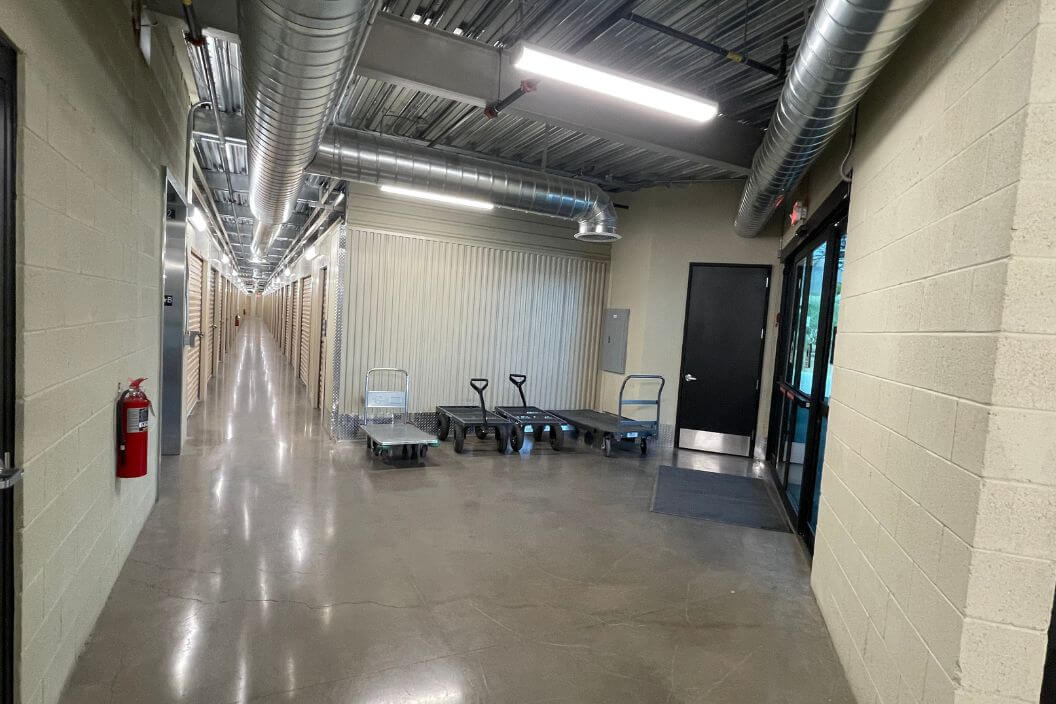
When it comes to keeping your belongings safe during a move or while decluttering your home, McDowell Mountain Community Storage in Scottsdale offers reliable, convenient storage solutions. From household items and furniture to electronics and seasonal goods, their range of storage units keeps everything protected, organized, and easily accessible. Climate-controlled options are available to safeguard sensitive items against temperature changes, moisture, and pests, giving you extra peace of mind.
Take the next step in protecting your belongings—contact McDowell Mountain Community Storage today to explore unit sizes and storage options that fit your needs and lifestyle.
Frequently Asked Questions
What’s the best way to pack my stuff?
Start by sorting your stuff by type, then pack similar items together in boxes or bags. Use layers of padding for fragile items.
How do I choose the right box size?
Pick a size that’s manageable for lifting and won’t crush anything inside. Small boxes work well for heavy items, while larger boxes work well for lighter items like blankets.
How can I protect my kids’ toys during a move?
Wrap fragile toys in paper or bubble wrap, then place them carefully in boxes, making sure each item has its own side or space so nothing breaks.
What’s a good option for seasonal items?
A storage unit or designated option at home works well for items you don’t need immediately, like holiday decorations or winter clothes.
How should I label boxes efficiently?
Label boxes clearly with the contents and the room they belong to. This saves a lot of time when unpacking.
How many layers of padding should I use?
Use at least one layer of protective material between fragile items to avoid damage during transport.
What’s the main point of organizing boxes properly?
The main point is to make unpacking easier and ensure your belongings are safe during the move.
How can I protect my kids’ toys during a move?
Wrap fragile toys in paper or bubble wrap, then place them carefully in boxes, making sure each item has its own side or space so nothing breaks.
How do I pack clothes efficiently?
Fold clothes neatly or use wardrobe boxes to hang them. You can also fill gaps in boxes with towels or pillows to save space and add cushioning.
How can I prevent boxes from getting damaged during the move?
Use strong packing tape to seal all edges and flaps, reinforce the bottom of heavy boxes, and avoid overloading them. Proper stacking and cushioning inside the box also help protect your items.