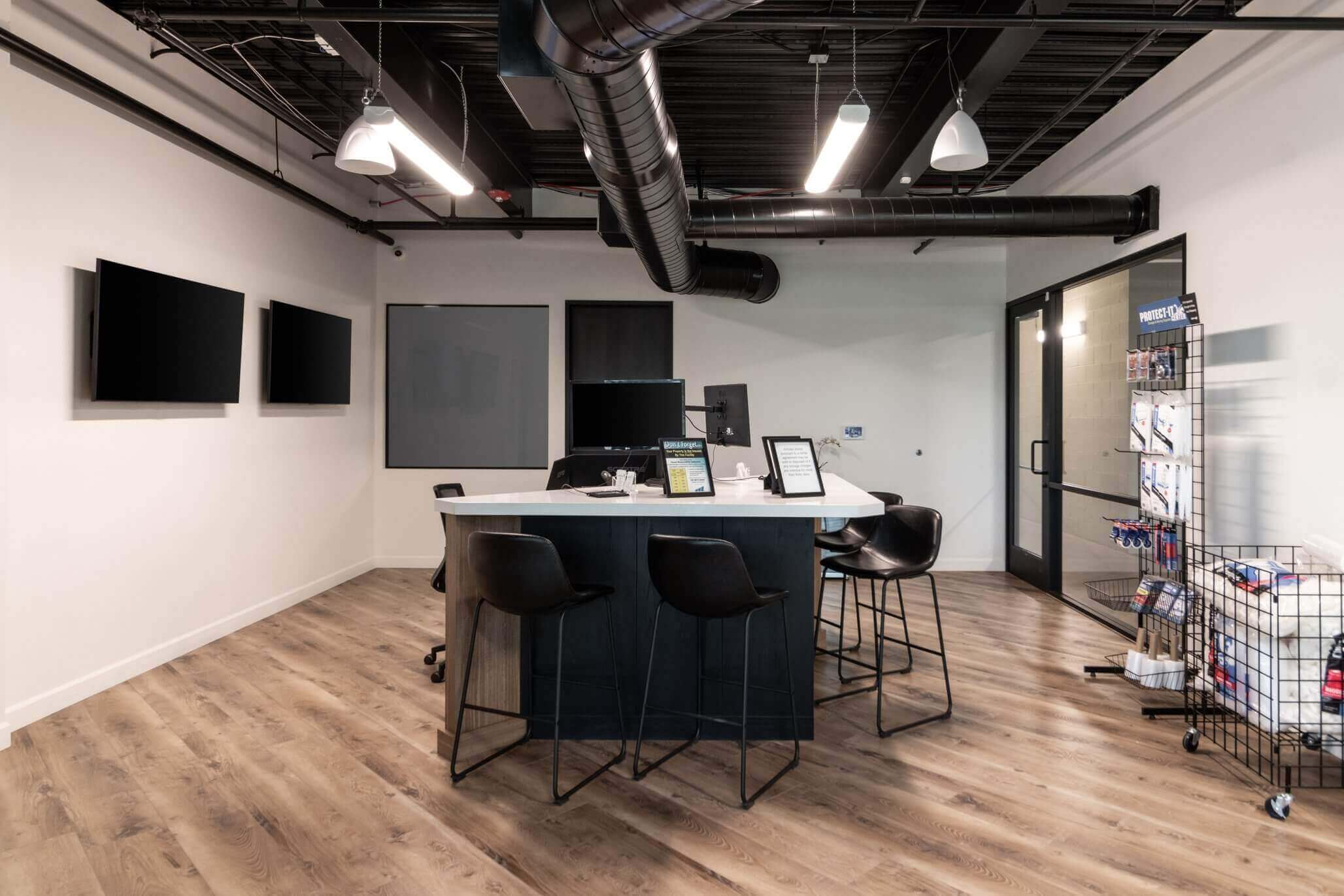
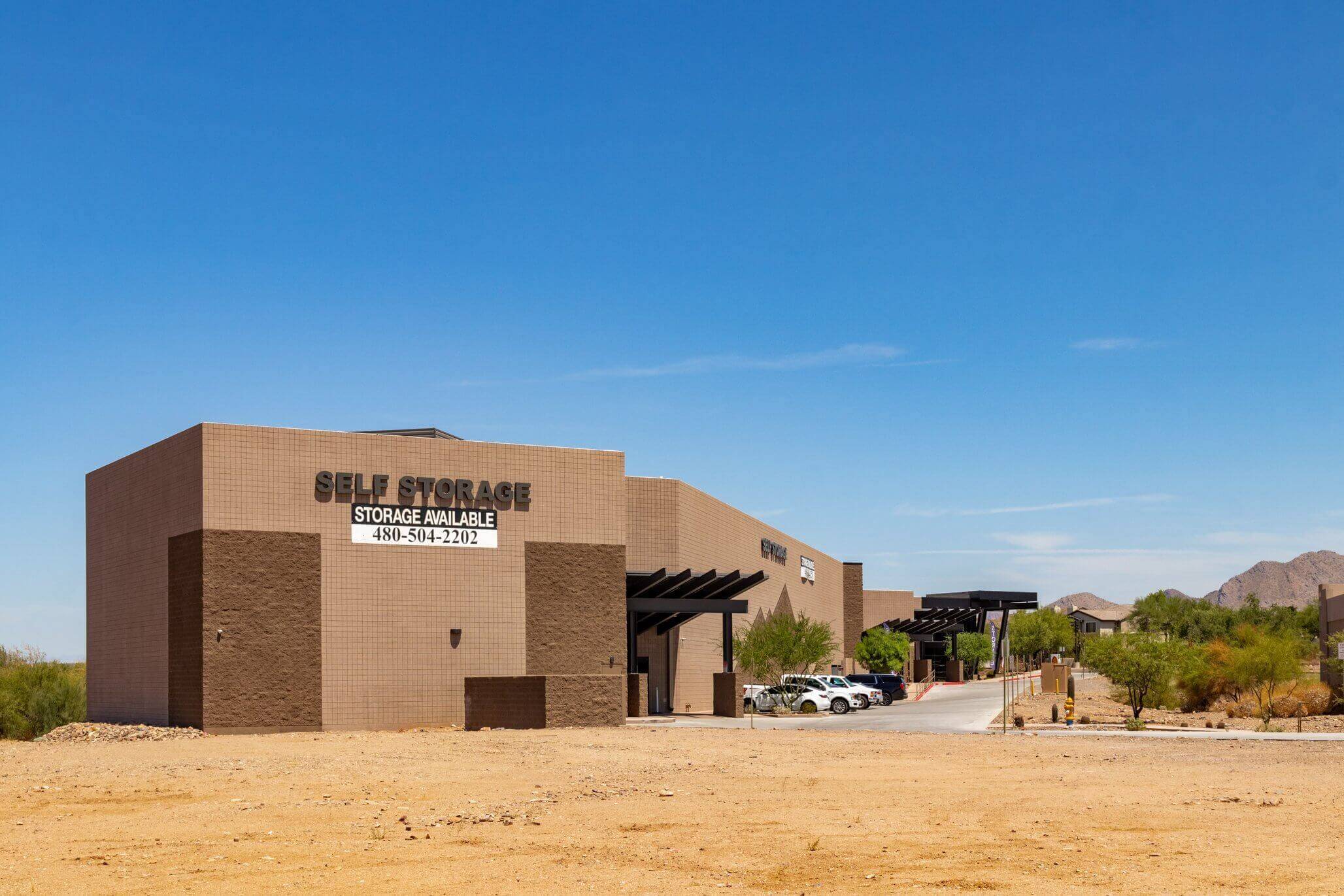
At McDowell Mountain Community Storage, we know that storage needs change with the seasons. Whether you need to pack away holiday decorations, rotate clothing, or safeguard furniture and equipment from extreme weather, a self-storage unit offers the flexibility and protection needed year-round. Renting a unit in your local area gives you the advantage of quick access, more space at home, and the convenience of having a reliable place to store what matters most.
If you’ve noticed signs of clutter piling up or are facing problems finding space for seasonal items, it may be time to do something proactive. From organizing your garage in spring to storing snow-ready vehicles in summer, the right storage space helps you transition smoothly between every season. This guide shows how to use self-storage efficiently all year—no matter the weather, location, or circumstances.
A Strategic Approach to Seasonal Storage Enhances Organization
Using self-storage units allows you to rotate and manage items based on their seasonal use. For example, storing holiday decor after winter or putting away boats and motorcycles during the colder months gives your home or apartment more breathing room. There are many ways to stay organized with storage, from creating a detailed list of what you’re storing to selecting the proper size unit for your needs. Whether you’re looking to rent short-term or long-term, having the correct information helps you make the most of your space. It’s a top solution for anyone who wants to reduce clutter without constantly shuffling through closets, garages, or attics.
Storing Winter Belongings Properly Makes Room for Spring
As winter fades, bulky sweaters, blankets, and cold-weather clothing take up unnecessary space. The first tip is to wash and dehydrate items before placing them in storage containers. Use vacuum-sealed bags for clothing to minimize moisture and potential mildew. Place heavier boxes at the bottom of shelving units and label everything clearly by category to maintain a sense of order and make retrieval easier.
Storing winter gear like snow blowers, sleds, and holiday decorations in a climate-controlled storage unit ensures these seasonal items remain in good condition until you need them again.
Spring Storage Transitions Help Declutter and Reclaim Living Space
Spring is the perfect season to declutter. As you perform a deep inventory, think about everything you don’t currently need in your home. Items like space heaters, thick comforters, or winter clothing can be moved to your unit to free up closet and garage space. These clever transitions are part of what we call seasonal storage hacks for a clutter-free home—simple, strategic steps that help reduce stress and reclaim your living space.
It’s also an excellent time to place winter vehicles like RVs, snowmobiles, or motorcycles in storage facilities that offer vehicle protection. Look for features like ground-level access, climate control, and 24/7 security to ensure maximum safety.
Summertime Storage Solutions Keep Your Home Clear and Cool
With rising temperatures, it’s time to store heavier clothing, appliances you don’t use often, and seasonal decorations that aren’t needed until fall. Organize items into storage boxes grouped by type—furniture, tools, decor, or clothing—to make it easier to retrieve what you need later.
If you enjoy outdoor activities, use your storage unit for boats, camping gear, or ATVs. Remember to clean and dry each item thoroughly to avoid mold, mildew, or water damage from leftover moisture.
Autumn Storage Makes Holiday Prep More Efficient
Fall is when most people begin thinking about holiday decorations, dinner hosting, and changing temperatures. Start by pulling out the fall decor and placing summer items in labeled containers. Use shelving units in your self-storage unit to organize fall and winter gear at the front and rotate older items toward the back.
It’s also a brilliant idea to bring in portable heaters, fall clothing, or furniture items that enhance warmth and comfort indoors. With the proper organization, your storage space can become a rotating extension of your home.
Climate-Controlled Units Offer Year-Round Protection
Climate control is one of the most important features when choosing a self-storage facility, especially in areas like Arizona, where temperatures can swing from extreme heat to cold. Sensitive items such as electronics, artwork, photos, instruments, or wooden furniture can warp or degrade without proper humidity and temperature regulation.
Our facilities at McDowell Mountain Community Storage are equipped with modern climate-controlled storage units that maintain consistent conditions year-round. This protects your belongings from mold, pests, and water damage, no matter the season.
Categorizing Your Belongings Helps Maximize Space
A smart way to make the most of your storage unit is to organize everything by category—clothing, decorations, furniture, tools, and so on. This method helps you find things quickly and ensures each item has its proper place. Keep a digital inventory of your contents to save time later.
Use clear bins, color-coded labels, and shelving units to create visibility and accessibility. Place frequently used items like holiday decorations or seasonal clothing closer to the front while placing less-accessed items in the back.
Vehicle Storage Keeps Your Assets in Prime Condition
Different seasons affect vehicles differently. In summer, storing your snow-ready cars, motorcycles, or RVs prevents sun damage. In winter, placing your boats or convertibles in a secure storage unit keeps them safe from the elements. Make sure to cover vehicles, inflate tires, and disconnect batteries before long-term storage.
Whether it’s a short-term or year-round solution, McDowell Mountain Community Storage offers units tailored for vehicle storage, complete with enhanced security features, paved access, and optional climate control for additional protection.
Furniture Storage Keeps Pieces Safe from Seasonal Extremes
Whether you’re rotating furniture for a seasonal look or storing heirlooms during a move, it’s essential to prevent damage. Use blankets or padded covers to wrap each item, and elevate furniture off the ground to avoid any potential water damage.
Avoid stacking heavy boxes on soft furniture, and store pieces vertically to save space. Our facilities offer shelving options and unit sizes ranging from small to oversized, giving you the flexibility to store everything from ottomans to full sectional couches.
Holiday Decorations Stay Organized and Safe in Storage
From tree ornaments to outdoor decorations, holiday decorations take up a surprising amount of room. Instead of overloading your garage, rotate them into a designated storage unit after each holiday. If you’re wondering how to store Christmas decorations efficiently, start with innovative organization and protective packing.
Use sturdy containers, not cardboard boxes, to protect fragile items from pests, dust, and moisture. Label each box by holiday and place your most frequently used decor near the front of your unit for quick access. This simple organization tip can save you hours of frustration each year.
Storing Kids’ Items Frees Up Space at Home
Parents often find their homes overflowing with kids’ clothes, toys, and seasonal supplies. A great way to reduce clutter is by storing items your family has outgrown or doesn’t need right now. For example, if your child has aged out of toddler gear, keep it in good condition for younger siblings in a well-labeled self-storage unit.
This also applies to seasonal sports equipment, clothing, or school supplies. Having a separate place to rotate these items lets you maintain a cleaner, more manageable living space.
Instruments, Electronics, and Artwork Require Special Attention
Sensitive materials like instruments, electronics, and artwork must be handled with extra care. Store them in climate-controlled storage units to avoid humidity, temperature shifts, and moisture. Use bubble wrap or soft blankets to shield delicate surfaces, and keep items upright whenever possible.
Whether it’s a vintage keyboard, framed family photos, or expensive electronics, the proper storage conditions make all the difference in long-term protection.
Taking a Year-Round Inventory Keeps You in Control
No matter what the season, keeping an up-to-date inventory helps you stay organized and aware of where each item is stored. Use a simple spreadsheet or mobile app to map out each unit, note contents, and categorize by type, condition, and season.
This system is beneficial if you manage multiple storage units or rotate belongings frequently. It ensures you always have a clear map of your items, which is crucial during fast-moving transitions like a sudden move, downsizing, or renovation.
Proper Packing Materials Prevent Damage Across All Seasons

Use quality packing materials for all your storage needs. Skip cardboard boxes when storing long-term—opt for plastic containers with sealed lids. Line fragile items with packing paper or bubble wrap, and use shelves to elevate delicate belongings.
For fabrics like clothing, sweaters, and blankets, consider fabric bags or vacuum-sealed options to reduce humidity buildup. Moisture absorbers and pest repellents offer extra protection, especially during seasonal transitions.
Why McDowell Mountain Community Storage Is the Best Year-Round Choice
We offer a variety of unit sizes, types, and features to accommodate all your seasonal storage needs. Whether you’re storing furniture, rotating clothing, or securing your vehicles, our facility is equipped to handle it all.
With convenient access, climate control, advanced security, and a helpful team ready to offer storage tips, McDowell Mountain Community Storage is your go-to solution—no matter the item, season, or situation.
Final Thoughts on Efficient Seasonal Self-Storage
The way you manage storage should change as the seasons do. From making space in your closet during spring cleaning to protecting outdoor equipment in winter, self-storage gives you the flexibility and peace of mind to handle it all.
Follow these tips, stay organized, rotate inventory, and choose the right facility—and you’ll make the most of your storage space year-round.
Ready to store with confidence? Visit McDowell Mountain Community Storage today to explore our locations, compare unit options, and discover the perfect storage solution tailored to your needs—in every season.
Frequently Asked Questions
How far in advance should I reserve a seasonal storage unit?
We recommend reserving your storage unit at least 2–4 weeks in advance, especially before seasonal peaks like spring cleaning or post-holiday storage. Early reservations ensure you get the ideal unit size and features.
Can I upgrade or downsize my unit if my storage needs change with the seasons?
Yes! We offer flexible rental options, and you can switch to a larger or smaller unit at any time based on your storage needs.
Are there any items I should not store in a seasonal unit?
Yes—perishable food, hazardous materials, flammable items, and live plants or animals should never be stored. Our team can provide a complete list of prohibited items.
Is short-term rental available for seasonal storage only?
Absolutely. You can rent a unit for as little as a month to handle short-term seasonal transitions, such as storing holiday decor or summer gear.
How secure are your storage facilities year-round?
Security is a top priority. We offer gated access, surveillance cameras, well-lit areas, and secure locking mechanisms on every unit.
Do I need insurance for the belongings I store?
While we take every precaution to protect your belongings, we recommend storage insurance for added peace of mind. Many policies are low-cost and cover damage, theft, or natural disasters.
What unit sizes are best for seasonal items like decor, clothing, or sports equipment?
A 5×5 or 5×10 unit is ideal for boxes, clothing, or holiday decorations. Larger items like furniture or multiple large bins may need a 10×10 or bigger, depending on quantity.
How does climate control help protect my seasonal items?
Climate control keeps temperature and humidity levels stable, protecting items from mold, mildew, and warping—especially helpful for electronics, furniture, instruments, and clothing.
Can I access my unit anytime to rotate seasonal belongings?
Most of our locations offer 24/7 access or extended hours so that you can rotate items between seasons at your convenience.
Do you offer shelving or organizational tools for inside the units?
While our units are rented as empty spaces, we offer recommendations for shelving systems, and you’re welcome to bring in racks, bins, and shelves to keep things organized by season.