Benefits of Climate-Controlled Storage

When considering the storage of our valuable belongings, such as furniture, documents, or cherished mementos, the storage environment plays a crucial role in their safe preservation. While traditional self storage unit may provide a cost-effective solution for items susceptible to temperature and humidity fluctuations, opting for a climate-controlled storage facility can be transformative. This article will delve into the multiple advantages of choosing climate-controlled-storage, highlighting the significance of this contemporary solution in safeguarding the longevity of your possessions. Explore the benefits of climate-controlled storage in Scottsdale, Arizona

Preservation of Belongings in Storage Units from Moisture

Temperature-controlled storage is indispensable for safeguarding items sensitive to temperature fluctuations and high humidity. Possessions such as furniture, electronics, documents, and delicate fabrics are susceptible to damage in extreme conditions. The primary advantage of temperature-controlled storage lies in its consistent environment, effectively minimizing the risks of warping, corrosion, and mold growth. This controlled setting ensures the prolonged preservation of valuable belongings, making it an ideal choice for those prioritizing protection from environmental threats.

Temperature-controlled storage is a protective barrier against potential harm caused by varying temperatures and excessive humidity. By offering a stable environment, it emerges as a dependable solution for individuals and businesses aiming to uphold the integrity and durability of their stored items. Consider a safe and convenient storage option; climate-controlled storage considers all elements, including moisture, temperature, and air circulation, ensuring customers that their belongings, whether furniture, electronics, or delicate fabrics, are kept in a secure and controlled environment.

Prevention of Mold and Mildew: Tackling Humidity Levels and Challenges

Often an underestimated adversary, moisture poses a significant risk to valuable belongings, emphasizing the importance of preventing mold and mildew. These destructive elements thrive in damp conditions, threatening items like wooden furniture, clothing, and delicate paper-based materials. In response to this challenge, temperature-controlled storage facilities play a vital role as a safeguard.

By precisely managing humidity levels, these facilities establish and maintain a dry environment, inherently resistant to the growth of mold and mildew. This proactive approach protects stored items, including sentimental wooden heirlooms, precious garments, and crucial documents, shielding them from the deteriorating effects of these pervasive and often irreversible threats.
The Benefits of Climate Controlled Storage for Electronics Amid Temperature Fluctuations and Humidity in Scottsdale, AZ

Enhanced Security Measures with Easy Access in Self-Storage Facilities

We extend our services beyond conventional extra space storage solutions by integrating advanced security measures. These upgraded features often include cutting-edge surveillance cameras, controlled access systems, and on-site personnel. This comprehensive combination establishes an additional layer of protection, guaranteeing your valuable items’ safety and close monitoring.

The peace of mind from storing your belongings in a facility with high-level security features is invaluable. Whether through vigilant surveillance cameras or the added security of controlled access, these measures contribute to a heightened sense of confidence and reassurance for customers utilizing climate-controlled storage.

Ideal for Temperature-Sensitive Items in a Controlled Climate

Climate-controlled storage is especially beneficial for safeguarding items sensitive to temperature fluctuations, like musical instruments, artwork, and antiques. These fragile belongings are susceptible to extreme heat or cold damage, risking their structural integrity and visual appeal. The significant advantage of climate-controlled storage is its capacity to maintain a steady temperature, creating an ideal setting for preserving temperature-sensitive valuables. In addition to providing a heightened sense of confidence and reassurance, climate-controlled storage units protect and preserve valuable belongings from extreme temperatures, humidity, and other environmental factors that can cause damage over time.

By mitigating the potential hazards linked to temperature variations, this storage option guarantees the lasting protection and conservation of precious and delicate items, assuring owners that these belongings will maintain their beauty and functionality over an extended period.

Extended Lifespan for Electronics Amid Temperature Fluctuations and Humidity

Items like electronics, including computers, audiovisual equipment, and household appliances, are susceptible to temperature changes, which can lead to malfunctions and a shortened lifespan. Recognizing the importance of climate-controlled storage in addressing these vulnerabilities, it becomes evident that such storage facilities offer a controlled and stable environment. This is crucial for mitigating the potential harm caused by extreme temperatures by ensuring the safekeeping of electronic devices.

The controlled environment protects these items from damage and plays a vital role in prolonging their usability and functionality. By neutralizing the risks associated with temperature fluctuations, climate-controlled storage emerges as a reliable solution for preserving the integrity and performance of electronic equipment, maintaining it in optimal condition for an extended period.

Comfortable Access for Users

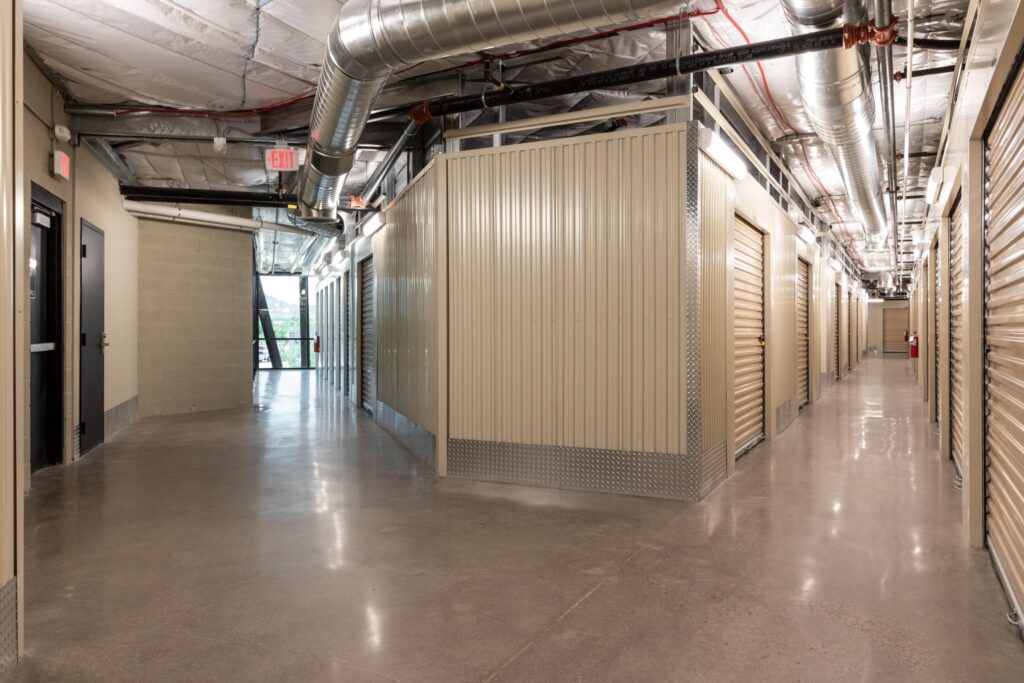
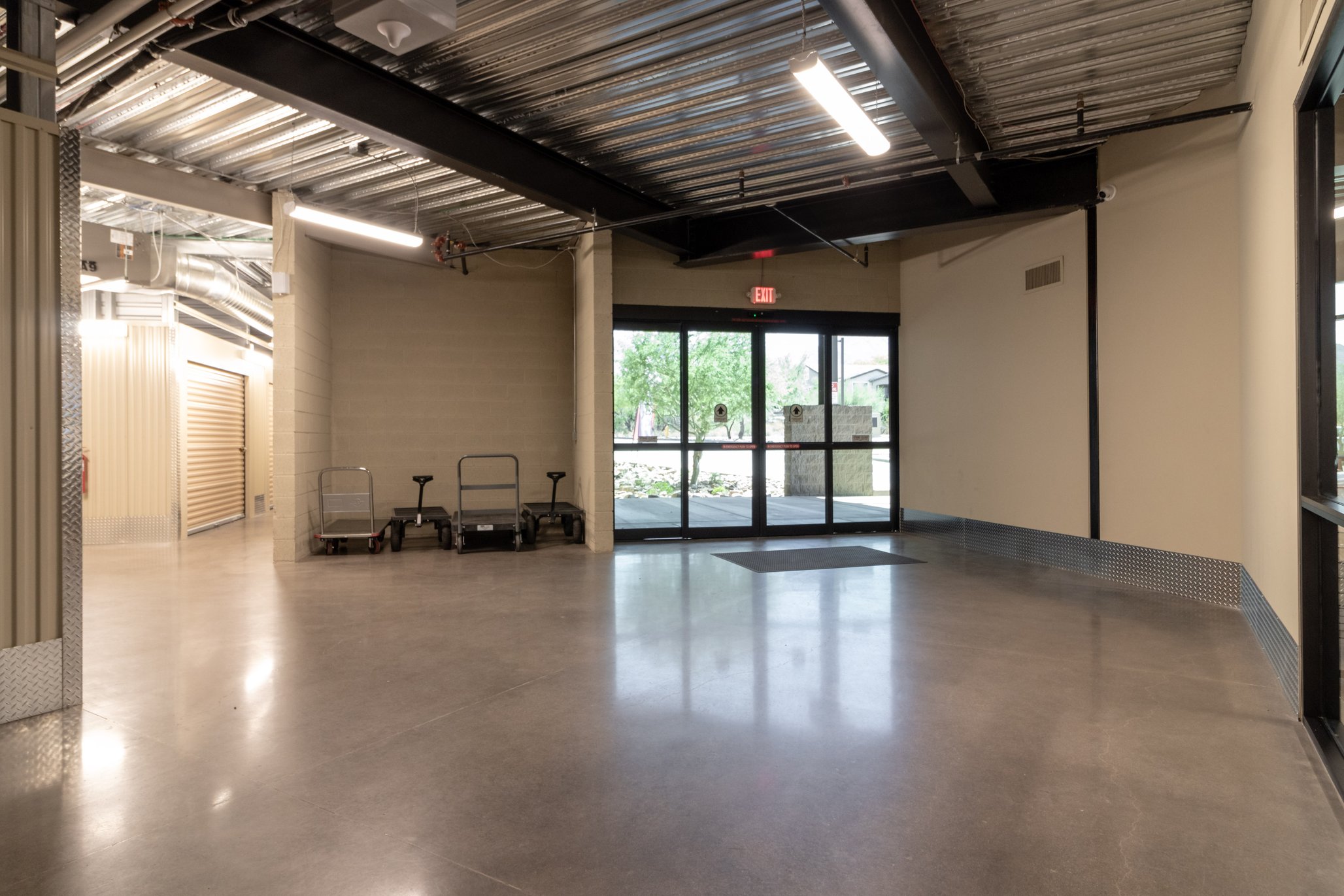
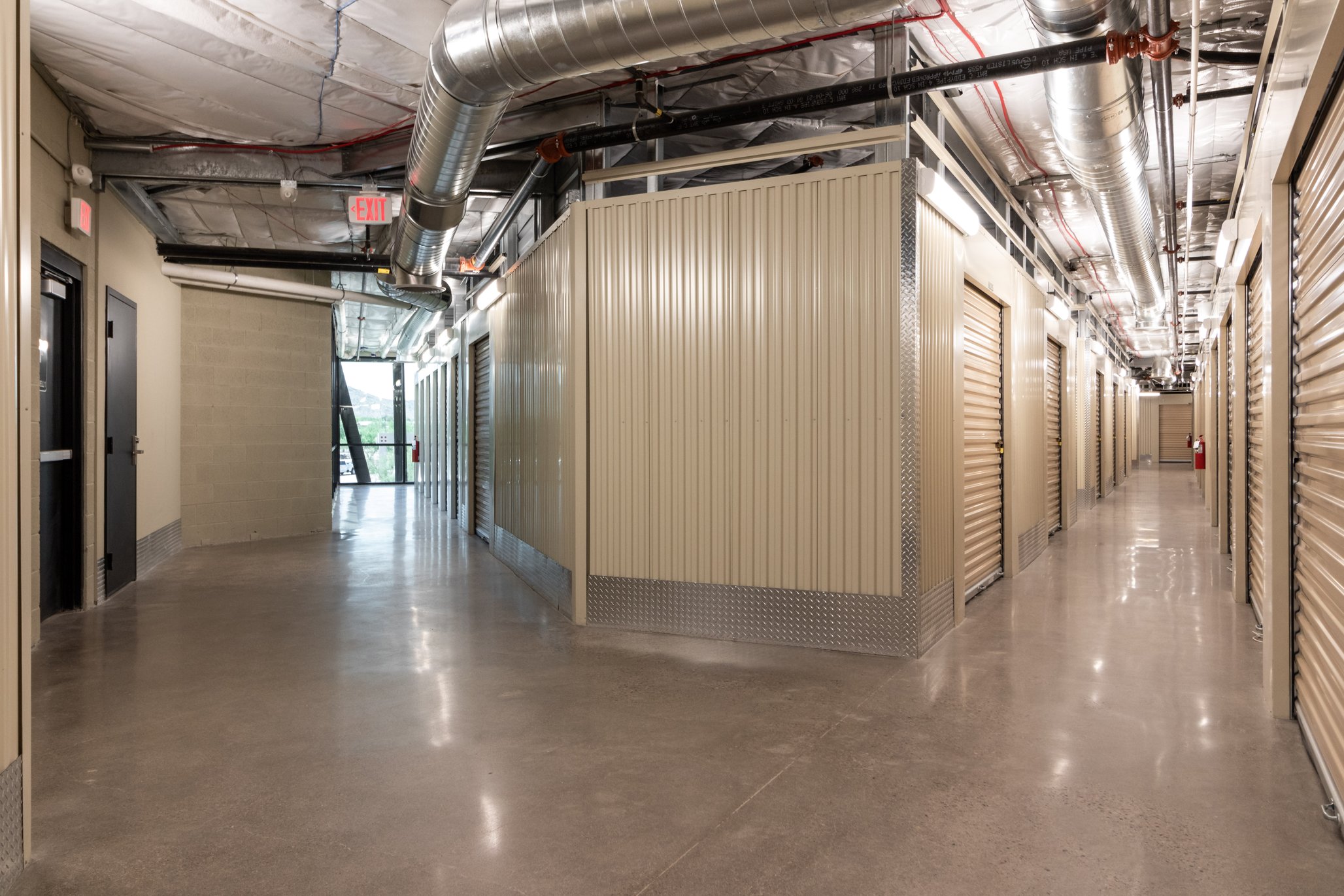
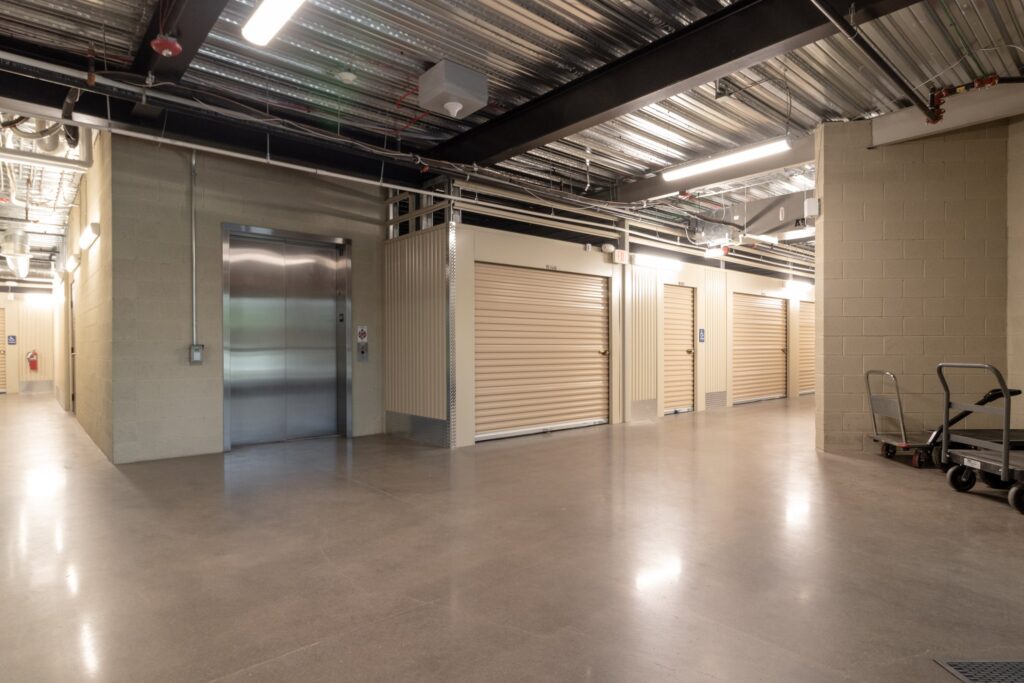
Unlike standard storage units, climate-controlled facilities offer added conveniences such as indoor access, well-lit corridors, and comfortable loading areas. This considerate approach significantly elevates the overall experience for customers, ensuring accessibility and ease beyond the typical storage facility. Indoor access guarantees that individuals can retrieve valuable items without being impacted by external weather conditions, proving especially beneficial in adverse weather.

Well-lit corridors enhance a sense of security and ease during navigation within the storage area, while comfortable loading zones streamline moving items in and out. In summary, these amenities make climate-controlled storage facilities exceptional in their dedication to user-friendly solutions, distinguishing them from conventional storage options.

Peace of Mind During Seasonal Weather Changes:

The benefits of temperature-controlled storage, particularly in self-storage units, are notably apparent when considering seasonal changes. These facilities are a secure haven for valuable items, safeguarding them from the harsh impacts of both summer heat and winter cold. With a focus on maintaining a controlled and consistent environment, climate-controlled storage minimizes the risks associated with temperature fluctuations, such as warping and corrosion. This makes it a safe and reliable option for customers seeking year-round preservation of their belongings, emphasizing the importance of choosing a facility that prioritizes climate control in self-storage solutions.

Conclusion

When climate control and climate change effects are more noticeable, opting for climate-controlled storage emerges as a prudent and sensible decision. The preservation, security, and peace of mind associated with this storage solution make it an ideal choice for safeguarding valuable belongings from the unpredictable forces of nature. Whether you’re storing family heirlooms, business inventory, or personal valuables, climate-controlled storage offers a reliable and protective environment for various items.
The Benefits of Climate Controlled Storage In Scottsdale, Arizona: Ensuring Protection Against Temperature Fluctuations and Humidity

FAQs About Storage Facilities

Here are some frequently asked questions about self-storage units.

Q. Is the cost of climate controlled storage more expensive than regular storage?

Yes, climate-controlled storage units usually have a higher price tag than standard storage options. This elevated cost is justified by the facility’s capacity to uphold a controlled environment, managing temperature and humidity levels to shield valuable and delicate items from potential harm. While conventional storage units offer fundamental protection, opting for climate-controlled storage adds safeguards, making it the favored choice for individuals and businesses aiming to safeguard their valuable possessions. The increased expense aligns with the advanced features and advantages of climate-controlled storage, guaranteeing the optimal condition of stored items despite external weather fluctuations.

Q. Can I access my belongings easily and securely in a climate controlled storage unit?

Yes, gaining access to your items in a temperature-controlled storage unit is generally trouble-free and convenient. Such units typically feature user-friendly amenities, including indoor access, well-lit corridors, and comfortable loading areas, ensuring easy retrieval. In contrast to confident conventional storage choices, temperature-controlled facilities prioritize accessibility, making it simple for customers to get their valuable belongings without any inconvenience. This convenience is a key factor contributing to the attractiveness of climate-controlled storage, guaranteeing that customers can effortlessly and comfortably reach their stored items whenever required.

Q. What are some examples of items that extreme temperature changes can damage?

Valuable items and supplies like electronics, wooden furniture, delicate fabrics, artwork, musical instruments, and specific types of wine are susceptible to damage from abrupt temperature changes. When exposed to extreme heat or cold, these sensitive belongings face risks such as warping, corrosion, degradation, or compromised structural integrity.

Q. What are the potential risks of not using climate-controlled storage for sensitive items amid varying humidity levels?

Refraining from utilizing a climate-controlled storage facility for sensitive items introduces various risks. Temperature fluctuations and high humidity can cause damage like warping, corrosion, mold growth, and structural degradation. Items such as electronics, delicate fabrics, artwork, musical instruments, and specific types of wine are especially susceptible to these hazards. The absence of climate control heightens the chances of irreversible harm to valuable belongings, affecting their overall condition and longevity.

Q. What should I consider regarding security when choosing a climate-controlled storage facility?

When opting for a temperature-controlled self-storage unit, it’s vital to weigh various factors to ensure the safety of your valuable items. First and foremost, examine the facility’s temperature control capabilities, especially if you’re storing items like electronics, delicate fabrics, or wine that are sensitive to temperature fluctuations. Humidity control is equally important to prevent moisture-related issues. Prioritize security features, including surveillance systems and controlled access, to safeguard your belongings. Check the facility’s reputation for cleanliness and pest control, considering the circulation of air to avoid challenges such as mold or debris accumulation. Evaluate accessibility, location, and facility hours for convenience, and ensure that the cost aligns with your budget. By taking all these elements into consideration, you can confidently choose the right storage facility that caters to your specific storage needs.

Choose McDowell Mountain Community Storage for Peace of Mind

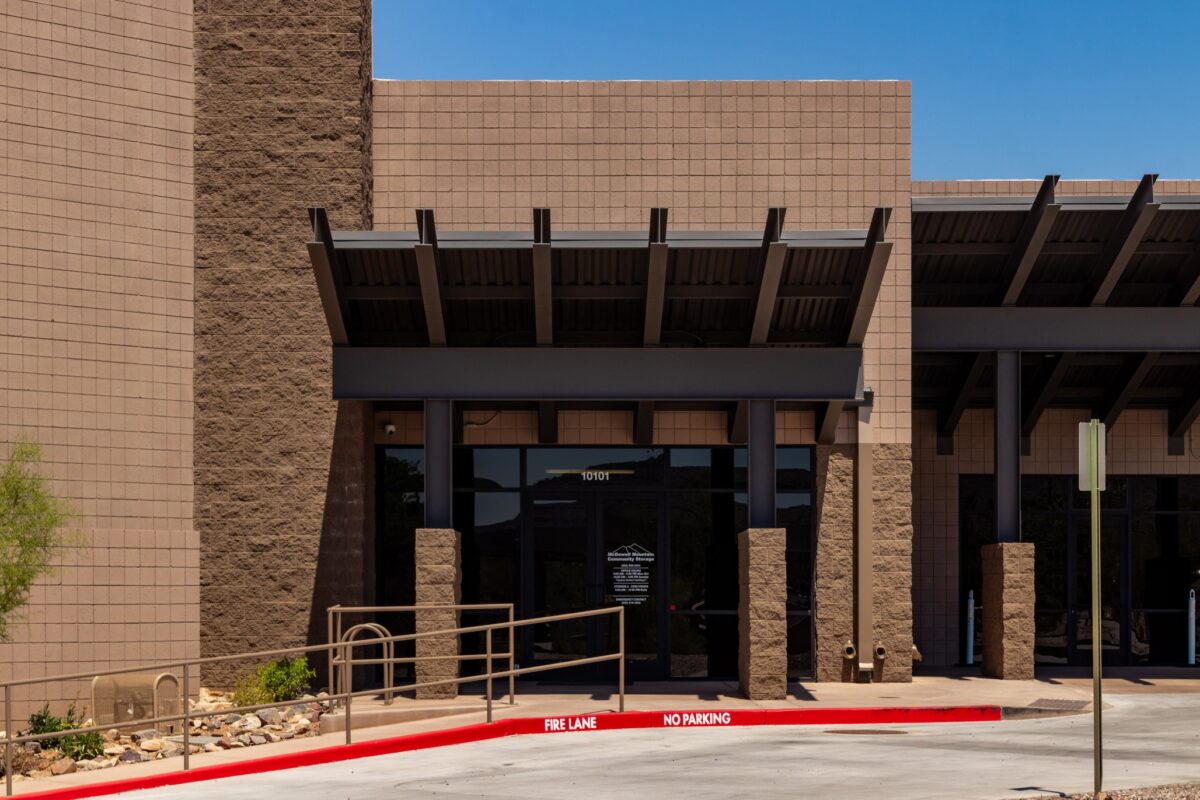
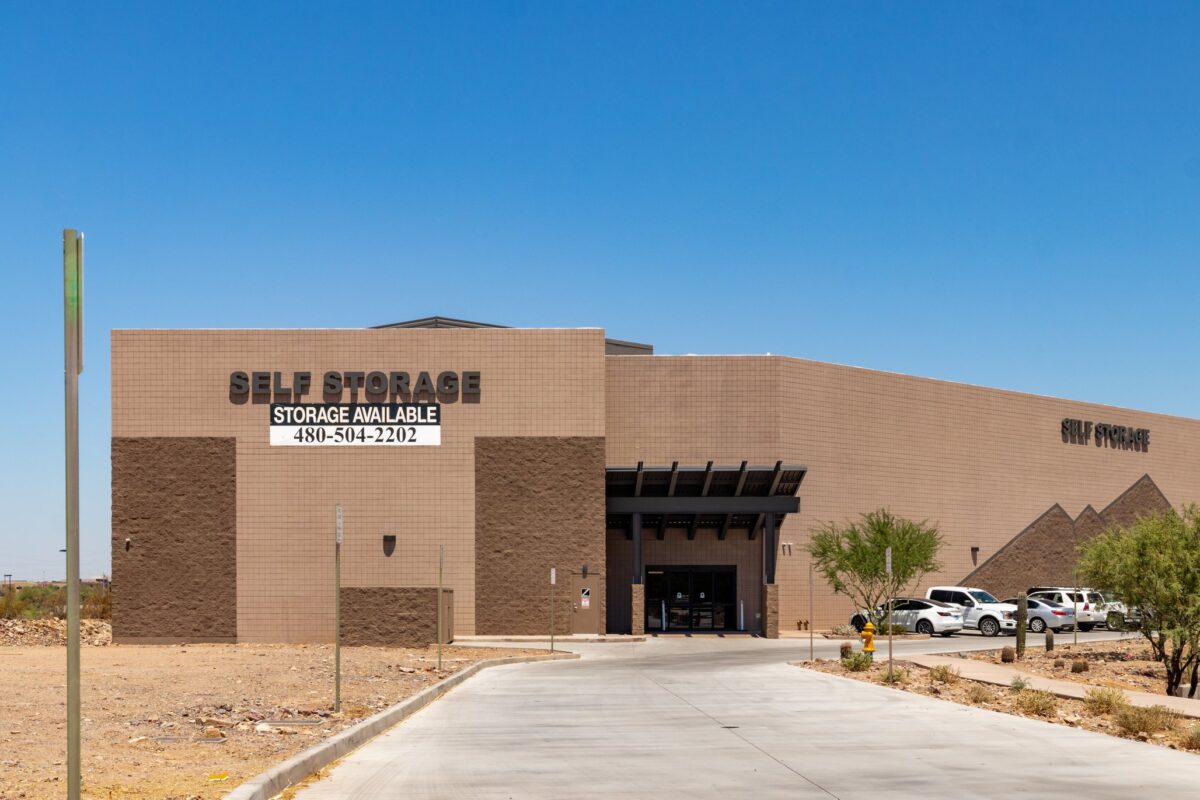
McDowell Mountain Community Storage is the top choice for the best self-storage option in Scottsdale, Arizona. Our facility ensures the utmost safety and preservation of your valuable items through state-of-the-art climate-controlled storage units. The controlled environment protects against the challenging weather elements in the region, such as the intense desert heat, making it the ideal choice for storing furniture, electronics, and delicate belongings.

With a commitment to security and climate control, McDowell Mountain Community Storage provides customers with a reliable and safe self-storage unit option, offering their stored items peace of mind and longevity. Choosing us is not just an investment in space; it’s an investment in the quality and stability of your belongings. When deciding on storage solutions in Scottsdale, Arizona, consider McDowell Mountain Community Storage for a facility that prioritizes the well-being of your possessions in all weather conditions. Call us at (602) 899-5487 to reserve your storage unit today!
Things You Need to Know Before Renting a Storage Unit

Are you planning to rent a storage unit? A storage facility can be a lifesaver whether you’re decluttering, moving, or need extra space for your business inventory. Renting a storage unit is a great way to free up your home or office space. However, before you sign a contract, there are essential things you need to know to ensure that you’re making the right decision.

Here Are 11 Things You Need to Know Before Renting a Self-storage Unit

1. Understanding Self Storage Units

Self-storage units are facilities that provide space for individuals or businesses to store their items, furniture, and materials. They offer a secure and convenient place to store items that do not fit in one’s home or office. Some common items people store in self-storage units include seasonal decorations, documents, furniture, electronics, and sporting equipment.

These units are usually rented monthly and can be accessed at any time, day or night, making them ideal for people with busy schedules. Most self-storage facilities offer security features such as surveillance cameras, individual door alarms, and gated access to ensure the customer’s belongings are safe and secure.

It is important to note that customers retain full ownership and control of their items when renting a self-storage unit. This means the facility has no rights to the items stored. Additionally, it is vital to ensure that the items being stored in the unit are legal. Some items, such as hazardous materials, illegal substances, and stolen items, are prohibited from being stored.

2. Types of Self-Storage Units

Different types of self-storage units are available to meet the different needs of the customers. Below are the most common types:

Indoor self-storage units: These units are located inside a building and are usually climate-controlled, making them ideal for storing delicate items sensitive to temperature changes.

Outdoor self-storage units: These units are located outside and are not climate-controlled, making them ideal for storing items that can withstand temperature changes.

Drive-up self-storage units: These units can be accessed by a vehicle and are ideal for individuals who need to unload heavy items.

Portable self-storage units: These are containers delivered to the customer’s location. The customer can load their items at their convenience. Once the container is loaded, it is transported to the self-storage facility.

3. Choosing the Right Size for Your Needs

Choosing the right size for your self-storage unit is crucial. You must ensure the unit is not too small or too large for your needs. A unit that is too small will not fit all your items, while a unit that is too large will result in you paying for space you do not need.

Self-storage facilities typically provide a wide range of unit sizes, catering to diverse needs. Whether you require a compact space for a few boxes or a more expansive unit capable of accommodating furniture and appliances, options are available to suit your specific requirements. To determine the right size for your needs, you must inventory all your items and estimate the space you need. Additionally, you must consider your future needs if you plan to store more items.

4. Cost Factors in Renting a Self-Storage

Consider several cost factors before settling on one when renting a self-storage unit. Payments and fees are usually based on the storage space you’ll need for your stuff and the time you’ll rent the space. However, storage unit costs can vary depending on your location, the size of the unit, and the demand for storage space in your city. It’s also worth noting that some storage facilities offer truck rentals as an added convenience, but these can come with an extra fee.

If you’re on a tight budget, you may want to look into pricing and specials to try and take advantage of any cost-saving options available. Storage unit sizes can also affect the price, as larger units cost more than smaller ones. Don’t be afraid to ask for help and information on storage unit costs and options, as this can help you make an informed decision and potentially save you money.

5. Climate-Controlled Units: Do You Need One?

If you plan to store anything sensitive to heat, cold, or humidity, a climate-controlled unit may be necessary. Climate control ensures that the temperature and humidity levels in the unit remain consistent and within a specific range, which can help protect your belongings from damage caused by extreme heat, cold, or moisture.

Some items that could benefit from a climate-controlled unit include electronics, artwork, wooden furniture, antiques, and food or chemicals. It’s important to note that climate-controlled units may cost more than non-climate-controlled units, so you’ll need to weigh the potential benefits against the added cost.

6. Security Measures in Self-Storage Facilities

When renting a self-storage unit, security is a top concern. Most storage facilities will have some security measures in place, such as security gates and video monitoring. You’ll also need to provide your lock for the unit to ensure that only you can access your belongings.

Some storage facilities may offer additional security measures, such as on-site security guards, individual unit alarms, and insurance coverage for theft or damage. It’s important to consider whether these added security measures are worth the extra cost and if they provide adequate protection for your belongings.

Things You Need to Know Before Renting a Storage Unit in Scottsdale

7. Access Hours: When Can You Get to Your Items?

One of the most critical considerations when renting a self-storage unit is the facility’s access hours. These refer to when you can enter the storage unit to retrieve or store your belongings. Each storage company has different access hours, so confirming these hours is essential before signing a rental agreement.

Some storage companies may have limited access hours, such as only being open during regular business hours or being closed on weekends. Other companies may offer 24-hour access, allowing you to come and go as you please. Knowing the access hours is essential to avoid inconvenience and ensure your items are easily accessible.

Before deciding, consider how often you’ll need to access your storage unit. If you only need access occasionally, a storage facility with limited access hours may be the right option for you. On the other hand, if you frequently visit your storage unit, a facility with extended access hours or 24/7 access may be a better choice.

8. Insurance and Self-Storage

While a storage facility may have insurance coverage, it is essential to have your storage insurance policy. Most self-storage companies require you to have insurance coverage in addition to any insurance they provide. While such insurance covers some damages, it may not cover everything.

It’s essential to consider a separate insurance policy for your storage unit to protect your furniture items and other belongings in case of damage or theft. Insurance policies also provide protection against mold and mildew, which can damage your belongings, especially if you’re storing items long-term.

When selecting a storage insurance policy, consider the coverage limits and deductibles. You must have an insurance policy before moving your belongings into the storage unit.

9. Long-Term vs Short-Term Rentals

When renting a self-storage unit, you need to consider the duration of your rental. Self-storage units are a perfect option for both short-term and long-term storage. Short-term rentals are ideal if you’re between moves, remodeling your home, or temporarily relocating.

However, if you’re storing items long-term, such as seasonal decorations, antique furniture, or items you don’t use often, it’s essential to choose a storage company that offers long-term rentals and rates.

10. Packing and Organizing

Packing and organizing your self-storage unit can be overwhelming, but with the right strategy, you can ensure that your belongings are well-organized, clean, and easily accessible. Before signing a contract with a storage company, consider the unit size you’ll need, depending on your storage.

When packing your belongings, it’s essential to use the suitable materials. Think bubble wrap, packing paper, and sturdy boxes. They’re all essential for keeping your stuff safe and sound. Label all boxes and use stackable containers to optimize space. Keep things clean using moisture-resistant materials or light-colored cloths to protect your belongings from dust and mold.

Storage companies typically offer suggestions for organizing and packing to maximize space. Check their websites for tips and reviews from past customers to understand the facility’s cleanliness and organization. Don’t forget to invest in a solid lock to secure your storage unit and keep your belongings safe.

11. Understanding the Rental Agreement

Before renting a self-storage unit, it is crucial to understand the rental agreement. It is a legal contract that outlines the terms and conditions of renting a storage unit from a facility like Extra Space Storage, and it involves important details that you need to familiarize yourself with. The agreement should be read thoroughly to avoid any misunderstanding that may arise in the future.

The renter must follow specific rules and restrictions when renting a self-storage unit. The agreement usually includes details such as the lease length, the unit rental cost, security deposit requirements, payment due dates, and late payment fees.

It’s important to know whether electricity is included in the rental fee or is an additional cost. Some facilities offer maintenance services, while others do not. The agreement should also include any details regarding the availability of storage units and access to the stored items.

It is recommended that you find out if there are any restrictions on the types of possessions you can store in the unit. Some storage facilities prohibit hazardous materials like chemicals and explosives. Additionally, specific types of goods may require climate-controlled storage, which may impact the rental price.

Reading the rental agreement means understanding what you’re signing up for before signing up. Be sure to ask customer service for clarification on anything you don’t understand so that you can make a well-informed decision on which storage facility to choose.

Things You Need to Know Before Renting a Storage Unit in Scottsdale AZ

Tips for Maximizing Space in Your Unit

Renting a storage unit can be an excellent solution for those who need extra space for their belongings. However, to get the most out of your rental, you need to maximize the space in your unit. In this section, we’ll discuss some tips for doing just that.

1. Organize Your Things

The first step to maximizing space in your storage unit is to organize your things. This will optimize the space and make it easier to access your items. Start by categorizing your belongings into groups, such as clothing, furniture, or holiday decorations. Then, pack similar items together in boxes and label them clearly. By doing this, you can reduce clutter and make it easier to navigate your unit.

2. Utilize Vertical Spaces

Another way to maximize your storage space is to use vertical space. The walls of your unit are valuable real estate, so take advantage of them! Consider investing in shelving that extends up to the ceiling. This will provide more room for boxes and other items, making better use of the vertical space.

3. Strategic Planning for Spaces

Strategic planning of spaces is essential to maximize storage units. To do this, consider the size of the items you’re storing and how you’ll access them. Make sure to store larger items, such as furniture, in the back of the unit and smaller items in front. This will create a clear path for accessing your things and allow you to see everything stored in your unit.

4. Leave Aisle Space

Always leave aisle space in your storage unit for easy access to all your items. While filling every available space with storage may be tempting, aisles will help you move things in and out of the unit more efficiently.

Following these tips will help you make the most of the space in your storage unit. Organizing your belongings, utilizing vertical spaces, strategically planning spaces, and leaving aisle space will help keep your unit tidy and functional. With these tips, you will surely have a hassle-free experience with your storage unit rental.

Conclusion

Renting a storage unit can make life easier when you need extra space. This guide helps you understand what to expect, compare prices, and look for possible discounts before signing any document. Always check the unit’s condition and prioritize security to protect your belongings. Having a clear idea of your storage needs will give you peace of mind and help you choose the right option with confidence.

Choose McDowell Mountain Community Storage for Safe & Simple Storage

At McDowell Mountain Community Storage, we proudly serve Scottsdale with a clean, secure storage facility designed to protect what matters most. While many companies operate in multiple locations across different states, we focus on delivering personalized service right here in our community.
Our air-conditioned and climate-controlled options help shield your belongings from extreme Arizona heat. With advanced surveillance, bright LED lighting, and keypad entry, our facility is built with security as a top priority. We offer a wide variety of storage units to fit everything from small household items to large business inventory.
We believe in straightforward pricing, clear quotes, and flexible month-to-month rentals. Our commitment is to make storage simple, affordable, and stress-free. With easy online reservations and bill pay, managing your space takes just minutes.
Ready to get started? Contact us today for a quick quote and reserve one of our secure storage units. Let us provide the space and peace of mind you deserve.

Frequently Asked Questions

What is a self-storage unit?
A self-storage unit is a rented space where you can keep personal or business items safely.
What type of storage unit should I choose?
You can choose indoor, outdoor, drive-up, or portable units depending on what you plan to store.
How do I know what size unit I need?
Make a list of your items and estimate the space required before renting.
Do storage facilities offer amenities?
Many facilities offer helpful features like security gates, cameras, and climate control.
Do I need to worry about pests in a storage unit?
Most facilities take steps to prevent insects and rodents, but it’s smart to pack items carefully.
Are there temperature-controlled units available?
Yes, some units keep steady temperatures to protect sensitive items like electronics and wood furniture.
Do renters need insurance for stored items?
Yes, most storage companies require renters to have insurance coverage.
What is the rental process like?
The process usually includes choosing a unit, signing an agreement, and making your first payment.
What are the main reasons people rent storage units?
Common reasons include moving, decluttering, remodeling, or storing business inventory.
What are the best ways to pack items for storage?
Use sturdy boxes, label everything clearly, stack items neatly, keep frequently used items near the front, place trash in sealed bins, and protect delicate clothes with covers.
Updated February 26, 2026