
Are you planning to rent a storage unit? A storage facility can be a lifesaver whether you’re decluttering, moving, or need extra space for your business inventory. Renting a storage unit is a great way to free up your home or office space. However, before you sign a contract, there are essential things you need to know to ensure that you’re making the right decision.
Here Are 11 Things You Need to Know Before Renting a Self-storage Unit
1. Understanding Self Storage Units
Self-storage units are facilities that provide space for individuals or businesses to store their items, furniture, and materials. They offer a secure and convenient place to store items that do not fit in one’s home or office. Some common items people store in self-storage units include seasonal decorations, documents, furniture, electronics, and sporting equipment.
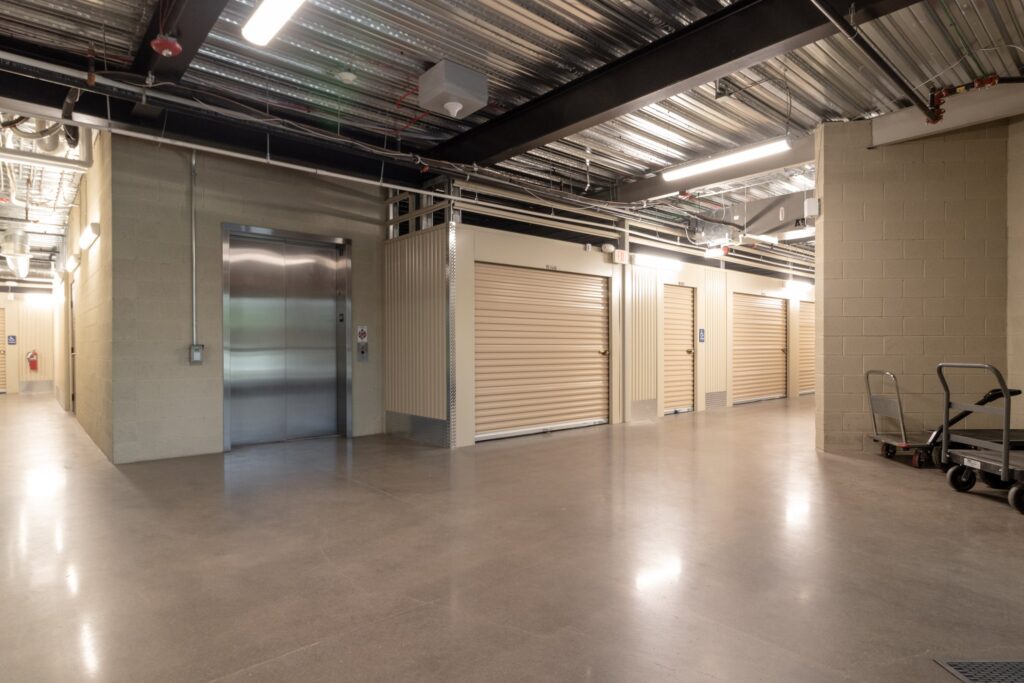
These units are usually rented monthly and can be accessed at any time, day or night, making them ideal for people with busy schedules. Most self-storage facilities offer security features such as surveillance cameras, individual door alarms, and gated access to ensure the customer’s belongings are safe and secure.
It is important to note that customers retain full ownership and control of their items when renting a self-storage unit. This means the facility has no rights to the items stored. Additionally, it is vital to ensure that the items being stored in the unit are legal. Some items, such as hazardous materials, illegal substances, and stolen items, are prohibited from being stored.
2. Types of Self-Storage Units
Different types of self-storage units are available to meet the different needs of the customers. Below are the most common types:
Indoor self-storage units: These units are located inside a building and are usually climate-controlled, making them ideal for storing delicate items sensitive to temperature changes.
Outdoor self-storage units: These units are located outside and are not climate-controlled, making them ideal for storing items that can withstand temperature changes.
Drive-up self-storage units: These units can be accessed by a vehicle and are ideal for individuals who need to unload heavy items.
Portable self-storage units: These are containers delivered to the customer’s location. The customer can load their items at their convenience. Once the container is loaded, it is transported to the self-storage facility.
3. Choosing the Right Size for Your Needs
Choosing the right size for your self-storage unit is crucial. You must ensure the unit is not too small or too large for your needs. A unit that is too small will not fit all your items, while a unit that is too large will result in you paying for space you do not need.
Self-storage facilities typically provide a wide range of unit sizes, catering to diverse needs. Whether you require a compact space for a few boxes or a more expansive unit capable of accommodating furniture and appliances, options are available to suit your specific requirements. To determine the right size for your needs, you must inventory all your items and estimate the space you need. Additionally, you must consider your future needs if you plan to store more items.
4. Cost Factors in Renting a Self-Storage
Consider several cost factors before settling on one when renting a self-storage unit. Payments and fees are usually based on the storage space you’ll need for your stuff and the time you’ll rent the space. However, storage unit costs can vary depending on your location, the size of the unit, and the demand for storage space in your city. It’s also worth noting that some storage facilities offer truck rentals as an added convenience, but these can come with an extra fee.
If you’re on a tight budget, you may want to look into pricing and specials to try and take advantage of any cost-saving options available. Storage unit sizes can also affect the price, as larger units cost more than smaller ones. Don’t be afraid to ask for help and information on storage unit costs and options, as this can help you make an informed decision and potentially save you money.
5. Climate-Controlled Units: Do You Need One?
If you plan to store anything sensitive to heat, cold, or humidity, a climate-controlled unit may be necessary. Climate control ensures that the temperature and humidity levels in the unit remain consistent and within a specific range, which can help protect your belongings from damage caused by extreme heat, cold, or moisture.
Some items that could benefit from a climate-controlled unit include electronics, artwork, wooden furniture, antiques, and food or chemicals. It’s important to note that climate-controlled units may cost more than non-climate-controlled units, so you’ll need to weigh the potential benefits against the added cost.
6. Security Measures in Self-Storage Facilities
When renting a self-storage unit, security is a top concern. Most storage facilities will have some security measures in place, such as security gates and video monitoring. You’ll also need to provide your lock for the unit to ensure that only you can access your belongings.
Some storage facilities may offer additional security measures, such as on-site security guards, individual unit alarms, and insurance coverage for theft or damage. It’s important to consider whether these added security measures are worth the extra cost and if they provide adequate protection for your belongings.
7. Access Hours: When Can You Get to Your Items?
One of the most critical considerations when renting a self-storage unit is the facility’s access hours. These refer to when you can enter the storage unit to retrieve or store your belongings. Each storage company has different access hours, so confirming these hours is essential before signing a rental agreement.
Some storage companies may have limited access hours, such as only being open during regular business hours or being closed on weekends. Other companies may offer 24-hour access, allowing you to come and go as you please. Knowing the access hours is essential to avoid inconvenience and ensure your items are easily accessible.
Before deciding, consider how often you’ll need to access your storage unit. If you only need access occasionally, a storage facility with limited access hours may be the right option for you. On the other hand, if you frequently visit your storage unit, a facility with extended access hours or 24/7 access may be a better choice.
8. Insurance and Self-Storage
While a storage facility may have insurance coverage, it is essential to have your storage insurance policy. Most self-storage companies require you to have insurance coverage in addition to any insurance they provide. While such insurance covers some damages, it may not cover everything.
It’s essential to consider a separate insurance policy for your storage unit to protect your furniture items and other belongings in case of damage or theft. Insurance policies also provide protection against mold and mildew, which can damage your belongings, especially if you’re storing items long-term.
When selecting a storage insurance policy, consider the coverage limits and deductibles. You must have an insurance policy before moving your belongings into the storage unit.
9. Long-Term vs Short-Term Rentals
When renting a self-storage unit, you need to consider the duration of your rental. Self-storage units are a perfect option for both short-term and long-term storage. Short-term rentals are ideal if you’re between moves, remodeling your home, or temporarily relocating.
However, if you’re storing items long-term, such as seasonal decorations, antique furniture, or items you don’t use often, it’s essential to choose a storage company that offers long-term rentals and rates.
10. Packing and Organizing
Packing and organizing your self-storage unit can be overwhelming, but with the right strategy, you can ensure that your belongings are well-organized, clean, and easily accessible. Before signing a contract with a storage company, consider the unit size you’ll need, depending on your storage.
When packing your belongings, it’s essential to use the suitable materials. Think bubble wrap, packing paper, and sturdy boxes. They’re all essential for keeping your stuff safe and sound. Label all boxes and use stackable containers to optimize space. Keep things clean using moisture-resistant materials or light-colored cloths to protect your belongings from dust and mold.
Storage companies typically offer suggestions for organizing and packing to maximize space. Check their websites for tips and reviews from past customers to understand the facility’s cleanliness and organization. Don’t forget to invest in a solid lock to secure your storage unit and keep your belongings safe.
11. Understanding the Rental Agreement
Before renting a self-storage unit, it is crucial to understand the rental agreement. It is a legal contract that outlines the terms and conditions of renting a storage unit from a facility like Extra Space Storage, and it involves important details that you need to familiarize yourself with. The agreement should be read thoroughly to avoid any misunderstanding that may arise in the future.
The renter must follow specific rules and restrictions when renting a self-storage unit. The agreement usually includes details such as the lease length, the unit rental cost, security deposit requirements, payment due dates, and late payment fees.
It’s important to know whether electricity is included in the rental fee or is an additional cost. Some facilities offer maintenance services, while others do not. The agreement should also include any details regarding the availability of storage units and access to the stored items.
It is recommended that you find out if there are any restrictions on the types of possessions you can store in the unit. Some storage facilities prohibit hazardous materials like chemicals and explosives. Additionally, specific types of goods may require climate-controlled storage, which may impact the rental price.
Reading the rental agreement means understanding what you’re signing up for before signing up. Be sure to ask customer service for clarification on anything you don’t understand so that you can make a well-informed decision on which storage facility to choose.
Tips for Maximizing Space in Your Unit
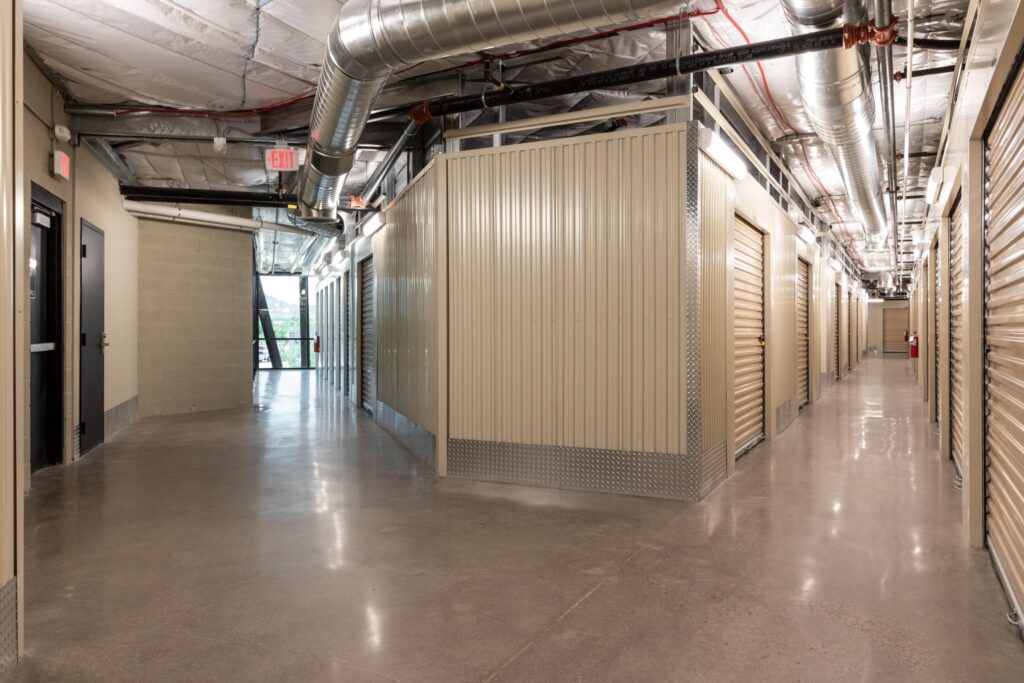
Renting a storage unit can be an excellent solution for those who need extra space for their belongings. However, to get the most out of your rental, you need to maximize the space in your unit. In this section, we’ll discuss some tips for doing just that.
1. Organize Your Things
The first step to maximizing space in your storage unit is to organize your things. This will optimize the space and make it easier to access your items. Start by categorizing your belongings into groups, such as clothing, furniture, or holiday decorations. Then, pack similar items together in boxes and label them clearly. By doing this, you can reduce clutter and make it easier to navigate your unit.
2. Utilize Vertical Spaces
Another way to maximize your storage space is to use vertical space. The walls of your unit are valuable real estate, so take advantage of them! Consider investing in shelving that extends up to the ceiling. This will provide more room for boxes and other items, making better use of the vertical space.
3. Strategic Planning for Spaces
Strategic planning of spaces is essential to maximize storage units. To do this, consider the size of the items you’re storing and how you’ll access them. Make sure to store larger items, such as furniture, in the back of the unit and smaller items in front. This will create a clear path for accessing your things and allow you to see everything stored in your unit.
4. Leave Aisle Space
Always leave aisle space in your storage unit for easy access to all your items. While filling every available space with storage may be tempting, aisles will help you move things in and out of the unit more efficiently.
Following these tips will help you make the most of the space in your storage unit. Organizing your belongings, utilizing vertical spaces, strategically planning spaces, and leaving aisle space will help keep your unit tidy and functional. With these tips, you will surely have a hassle-free experience with your storage unit rental.
Conclusion
Choose McDowell Mountain Community Storage for Safe & Simple Storage
Frequently Asked Questions
A self-storage unit is a rented space where you can keep personal or business items safely.
You can choose indoor, outdoor, drive-up, or portable units depending on what you plan to store.
Make a list of your items and estimate the space required before renting.
Many facilities offer helpful features like security gates, cameras, and climate control.
Most facilities take steps to prevent insects and rodents, but it’s smart to pack items carefully.
Yes, some units keep steady temperatures to protect sensitive items like electronics and wood furniture.
Yes, most storage companies require renters to have insurance coverage.
The process usually includes choosing a unit, signing an agreement, and making your first payment.
Common reasons include moving, decluttering, remodeling, or storing business inventory.
Use sturdy boxes, label everything clearly, stack items neatly, keep frequently used items near the front, place trash in sealed bins, and protect delicate clothes with covers.