
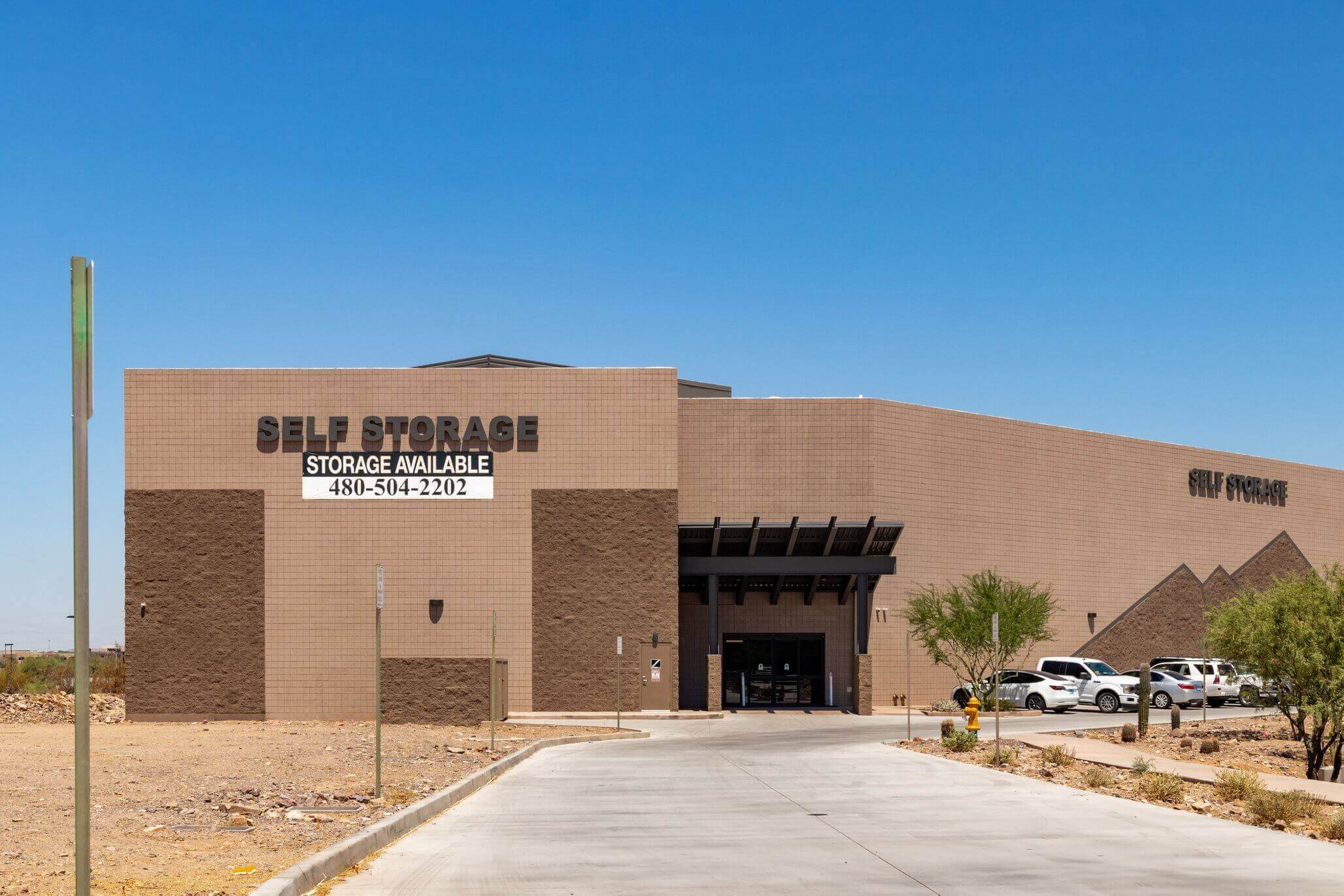
Complete Furniture Storage Guide to Protect Your Wood and Upholstered Furniture
At McDowell Mountain Community Storage, we understand that your furniture represents both a financial investment and a source of personal comfort. Whether you are relocating, renovating, or simply seeking extra storage space, properly preserving and packing your furniture is essential to maintaining the quality, appearance, and integrity of your items. Taking the proper steps before placing your pieces into storage—such as cleaning surfaces, vacuuming upholstery, and protecting delicate finishes—ensures your furniture retains its shape and stays safe from damage, moisture, pests, and environmental risks.
Our goal is to provide a comprehensive guide that covers everything you need to know for safeguarding wood, upholstered, and leather furniture. From packing techniques and climate considerations to organization tips for your storage space, understanding the effects of temperature, humidity, and other environmental factors helps prevent issues such as warping, staining, and mold growth. By following these steps, you can confidently store your belongings and keep them in excellent condition for years to come.
Prepare Furniture for Storage Properly
The first step in furniture storage is thorough preparation. Cleaning your items before storage prevents dirt, dust, grime, and stains from settling, which can compromise surfaces, fabrics, and the overall material over time. For wood furniture, use a soft cloth and a quality wood cleaner or furniture polish to remove oils and residues, focusing on weight-bearing areas, edges, and joints. Upholstered furniture, including couches and chairs, benefits from vacuuming and spot cleaning with mild soap or fabric-safe cleaners, which makes a noticeable difference in maintaining appearance and longevity.
Remove all loose items, including cushions, pillows, drawers, and hardware such as bolts, screws, and detachable legs. Disassembling large furniture pieces—like dressers, bed frames, tables, or anything bulky—helps reduce stress on joints and prevents accidental breakage during transport or stacking. Use tape to secure loose parts and keep components organized, maintaining the shape and integrity of each piece. Consider the layout of your storage space, ensuring furniture does not press against walls or crowd the room, and account for environmental factors such as humidity, temperature, and other location-specific factors. Choosing a climate-controlled self storage unit is a smart option to protect your furniture in varying environments.
Use Proper Wrapping and Padding Techniques
Protective wrapping is crucial to prevent scratches, dents, and stains during storage. For wooden surfaces, apply a thin layer of wax or polish, then cover the entire surface with a furniture pad or cotton sheet to protect all sides, edges, and wall-facing areas. Bubble wrap or foam sheets offer additional protection for delicate surfaces like tabletops, mirrors, or glass cabinets, and help prevent rust on metal components. Wrapping furniture for storage properly is one of the simplest and most effective ways to safeguard your items during transit or in a storage unit.
Upholstered furniture and leather sofas benefit from breathable coverings. Avoid using plastic wrap directly on fabrics, as trapped moisture can encourage mold and mildew growth. Instead, use cotton sheets, fabric covers, or furniture pads, and keep a safe distance from walls and doors to allow airflow. Cushions and pillows can be stored in ventilated plastic bags to protect against dust, pests, and the elements. Wrapping furniture for storage is an essential step when planning storage options, whether you are loading a truck, organizing spaces within the storage unit, or determining how much furniture to store. Our company provides solutions and guidance to ensure your belongings remain protected regardless of weather or environmental conditions.
Maintain a Stable Storage Environment
The storage environment plays a vital role in preserving furniture. Fluctuations in temperature and humidity can cause wood furniture to warp, split, or discolor, and may lead to odors, stains, or mildew on upholstery and leather. Even small factors, like the side of the unit exposed to sunlight or drafts, can affect furniture condition. Using drop cloths, paper, or protective padding during transportation and within storage units adds an extra layer of caution, helping prevent scratches, dents, and other damage.
At our storage facility, climate-controlled units are available to maintain consistent temperature and humidity. This type of storage solution reduces the risk of moisture damage, warping, rust, and mold growth while providing peace of mind that your furniture will remain in optimal condition. Customers across cities and locations can confidently store everything from bookshelves and couches to delicate chairs and dressers. Careful planning, vehicle transport, and thoughtful decisions about unit placement all help protect your belongings while in our storage spaces.
Protect Furniture from Moisture and Pests
Moisture is one of the most common threats to stored furniture, and taking precautions can prevent long-term harm. To mitigate water damage, place pallets, cinder blocks, or a moisture barrier on the floor of your storage unit, keeping mattresses, dressers, and other items off concrete to prevent dampness from reaching wood, upholstery, or delicate fabrics. Using these steps is a simple tip that helps preserve the shape and integrity of some of your most valuable pieces and prevents splitting or warping.
Pests, including rodents and insects, can also damage furniture and cause other issues such as odors or scratches. Our team designs storage units to minimize access points for pests, theft, and environmental hazards. We provide service and guidance to ensure convenience and peace of mind for customers, and using breathable covers or protective wrapping further safeguards your belongings from harm while maintaining a positive storage experience.
Organize Furniture Within the Storage Unit
Proper organization ensures both protection and accessibility while addressing potential issues such as odor, health concerns, and warping. Place heavier items on the bottom and lighter pieces on top, using furniture pads, blankets, or a drop cloth between stacked items to prevent scratches, dents, or surface damage. Avoid placing furniture directly against walls or the door to allow for air circulation, which reduces the risk of mold, mildew, and other concerns.
Maintain clear pathways to facilitate easy access and answer any questions about placement or retrieval. Strategically plan the layout of your storage unit so that frequently used items are near the front, while long-term storage items are positioned toward the back. This approach considers both safety and convenience, helping customers choose appropriate storage solutions and make informed storage decisions while minimizing unnecessary movement and the risk of accidental damage.
Use the Right Storage Unit Size
Selecting the appropriate storage unit size is essential for furniture safety. Units that are too small force items to be tightly packed, increasing the risk of scratches, warping, and joint stress. Oversized units may allow items to shift during transport or storage.
At McDowell Mountain Community Storage, we offer a range of unit sizes to accommodate everything from a single sofa or dresser to entire homes. Choosing the correct unit size ensures furniture pieces remain stable, organized, and protected from environmental threats.
Handle Wood Furniture with Care
Wood furniture requires special attention to preserve its finish, structural integrity, and appearance. Avoid placing wood directly on cold or damp surfaces, and use furniture pads or blankets to create a protective barrier. Cover tabletops and exposed surfaces with wax, oil, or protective coatings to prevent scratches and discoloration.
Pay attention to joints, legs, and hardware. Disassembled components should be stored together in labeled bags or boxes to prevent loss and simplify reassembly. Inspect wood furniture periodically for signs of warping, cracks, or moisture damage, and address issues promptly to maintain value and quality.
Preserve Upholstered and Leather Furniture
Fabric, leather, and other upholstery materials are susceptible to dust, stains, odors, and moisture. Before storage, clean fabrics thoroughly and remove any crumbs or debris. Use vacuuming and gentle fabric cleaners to maintain appearance and hygiene.
Leather furniture requires conditioning and a breathable cover to prevent cracking, drying, and discoloration. Avoid placing plastic wrap directly on leather, as it can trap moisture and cause mildew or surface stains. Cushions and pillows should be stored to prevent flattening and deformation, ideally stacked loosely or stored separately in ventilated bags.
Disassemble and Pack Components Strategically
Large furniture pieces such as beds, wardrobes, and dining tables benefit from disassembly. Removing legs, drawers, headboards, and other components reduces stress during transport and storage. Wrap each piece individually, and secure hardware in labeled bags to avoid confusion.
Use bubble wrap, foam, or padding to protect edges, corners, and glass surfaces. Place heavier components at the bottom of storage stacks and lighter items on top. Avoid stacking furniture directly on top of each other without padding to prevent dents, scratches, and pressure marks.
Monitor and Inspect Stored Furniture Regularly
Regular inspection of your stored furniture helps identify potential issues before they become severe. Check for signs of moisture, mold, mildew, pests, or scratches. Pay attention to odors, discoloration, or unusual stains, which may indicate environmental problems while storing furniture in a storage unit.
We recommend scheduling inspections at least once every few months, particularly for long-term storage. Climate-controlled units reduce the need for frequent monitoring, but periodic checks provide additional peace of mind that your furniture remains safe and in excellent condition.
Prevent Damage During Transport
Transporting furniture to a storage unit is a critical step in the storage process. Use proper padding, blankets, and secure tie-downs in trucks or vehicles to prevent movement, scratches, or breakage. Protect corners and delicate surfaces with bubble wrap or foam.
When handling heavy items, lift carefully and avoid dragging furniture across floors, which can damage legs, joints, and surfaces. Using dollies or carts improves safety and efficiency while reducing the risk of injury to both furniture and people.
Maintain Airflow and Ventilation in Storage Units
Air circulation within a storage unit prevents condensation, reduces the risk of mold growth, and helps maintain furniture condition. Avoid placing furniture flush against walls or windows, and leave small gaps between stacked pieces to allow airflow.
Climate-controlled units at our facility maintain consistent ventilation, humidity, and temperature, reducing the risk of environmental damage. Proper airflow is significant for fabric, leather, and wood furniture, which can warp, crack, or develop odors if stored in stagnant or damp conditions.

Protect Against Environmental Risks
Storage units are susceptible to threats from temperature extremes, humidity, condensation, water leaks, dust, sunlight, and pests. Taking proactive steps—like using moisture barriers, climate-controlled units, furniture pads, and secure coverings—significantly reduces these risks.
Consider the long-term impact of exposure when storing antiques, valuable wood furniture, or leather items. Proper care and planning protect not only the physical structure but also the aesthetic quality, color, and finish of your furniture.
Choose the Right Materials for Wrapping
Selecting suitable wrapping materials is critical for furniture protection. Bubble wrap, moving blankets, cotton sheets, and plastic sheeting each serve specific purposes. Bubble wrap cushions fragile surfaces like glass, mirrors, and tabletops. Blankets or furniture pads prevent scratches and dents, while cotton sheets provide breathable protection for upholstery.
Avoid materials that trap moisture directly against furniture, such as unventilated plastic wrap, which can cause condensation, mildew, and odors. Appropriately layering protective materials ensures maximum safety during storage.
Keep Furniture Off the Floor
Raising furniture off the ground reduces exposure to moisture, dirt, and pests, which is essential for the long-term preservation of your items. Use pallets, cinder blocks, or storage risers to elevate wood, metal, or upholstered furniture. This approach protects the furniture from concrete floors that may become damp, particularly in unheated storage units where fluctuating temperatures can affect wood and fabrics.
Elevating furniture also facilitates airflow beneath pieces, reducing the risk of mold growth and helping maintain the condition of legs, bottoms, and structural joints. Proper elevation, combined with attention to storage temperatures, ensures that your furniture stays in optimal shape while in storage.
Label and Organize Boxes and Components
Clear labeling simplifies storage, organization, and retrieval. Store screws, bolts, and small components in labeled bags or boxes and attach them directly to the furniture piece. Label boxes containing cushions, fabrics, or small furniture parts to streamline unpacking.
Organized storage reduces the risk of damage during access and ensures that every item is accounted for. Proper labeling also saves time and minimizes stress when retrieving pieces for reassembly or transport.
Plan for Long-Term Storage Needs
Long-term storage requires additional considerations. Periodically inspect furniture, rotate items if necessary, and ensure the storage unit remains clean and well-ventilated. Choose climate-controlled options for sensitive materials, valuable wood furniture, leather, or upholstered pieces.
Plan your storage layout carefully to maintain accessibility, avoid overstacking, and prevent pressure on delicate items. Anticipating potential risks ensures your furniture retains its value, appearance, and structural integrity for years to come.
Conclusion: Secure Your Furniture With Confidence
At McDowell Mountain Community Storage, we provide reliable, professional furniture storage solutions, ensuring your items remain protected from damage, moisture, pests, and other environmental threats. By following these steps—preparing, cleaning, wrapping, disassembling, organizing, and monitoring—you can confidently store wood, upholstered, and leather furniture with peace of mind.
Our storage facilities offer climate control, security, and flexible unit sizes tailored to your needs, providing a safe environment for every furniture piece. Protect your investment, maintain the quality of your belongings, and simplify your storage process with our expert guidance.
Frequently Asked Questions (FAQs)
1. How long can furniture be safely stored in a self-storage unit?
Furniture can be safely stored for months or even years, depending on the storage environment and precautions taken. Climate-controlled units and proper packing significantly extend the life and condition of stored items.
2. Can antiques or heirloom furniture be stored safely?
Yes. Antiques and heirlooms require extra care, including padded coverings, moisture barriers, and climate-controlled units to prevent warping, discoloration, or other damage.
3. Is it necessary to disassemble furniture before storage?
Disassembly is recommended for large or heavy pieces, such as bed frames, dressers, and tables. It reduces stress on joints, prevents accidental damage, and makes packing and organization more efficient.
4. How should mattresses and cushions be stored?
Mattresses and cushions should be elevated off the floor, stored flat or vertically with adequate support, and covered with breathable protective covers to prevent mold, dust, and odors.
5. Can leather furniture be stored with other items?
Leather furniture can be stored safely with other items if it is cleaned, conditioned, and covered with breathable fabric. Avoid direct contact with plastic, as it can trap moisture and promote mildew.
6. How often should stored furniture be inspected?
We recommend checking stored furniture every few months, especially for long-term storage. Inspect for signs of moisture, pests, odor, mold, or shifting to ensure ongoing protection.
7. Are climate-controlled units necessary for all furniture types?
Climate control is not always required but is highly recommended for wood, leather, and upholstered pieces, particularly in areas with high humidity or temperature fluctuations. It helps prevent warping, cracking, and mold growth.
8. How can I prevent pests from damaging furniture?
Use sealed or breathable coverings, moisture barriers, and keep furniture elevated off the floor. Our facility also minimizes access points for pests, providing an added layer of protection.
9. What is the best way to transport furniture to a storage unit?
Use proper padding, blankets, and tie-downs in a truck or vehicle. Protect edges and delicate surfaces with bubble wrap, and avoid dragging items across floors to prevent scratches or breakage.
10. Can I access my furniture at any time?
Yes. Our storage facilities are designed for easy access. Planning the layout of your storage space ensures that frequently needed items are near the front while long-term items are organized toward the back, maintaining safety and convenience.