
When considering renting a storage unit, one of the first things that likely comes to mind is: “What size storage unit do I need?” The answer depends on various factors, including how much stuff you plan to store, the type of items you need, and how much space you have. Understanding the capacity required for your belongings and estimating the dimensions of your items will help you choose the correct size. You can also calculate the space you’ll need based on your inventory. Determining the correct secure storage unit size can be overwhelming with so many options. Don’t worry; this guide will help you make an informed decision based on your needs and preferences.
Understanding Storage Unit Sizes
Storage units come in all sizes, from small 5×5 units to large 10×30 or even larger units. The good news is that once you know what you’re storing, it’s easier to figure out the right unit size. You can estimate the space you’ll need by considering the requirements of your items and using packing tips to make the most of your storage space. Storage units are typically offered in a few standard sizes, and understanding what each size can hold will make your decision much more manageable. Let’s start by looking at the most common storage unit sizes and how to decide which one works best for you.
The Small Storage Unit (5×5)
A 5×5 storage unit is often compared to a small walk-in closet and is best for those with only a few items to store. This is the perfect size if you need to store a few boxes of clothing, books, or sports equipment. For example, a mattress, dresser, and clothing could fit in this small unit. Advice from many satisfied customers suggests that this size is ideal for those looking to store items from a garage or small apartment. If you’re inquiring about available locations and facilities, you’ll often find these smaller units readily available at many storage options.
This size unit is great for anyone needing to store seasonal items or keep a few storage boxes containing personal belongings. It’s also ideal for small storage needs like chairs, rugs, or household appliances. If you’re moving out of a minor or studio apartment, this unit can help store your belongings without taking up much space. You can store a car in a unit like this, depending on its length. Using an app can help you estimate the space you’ll need and save you some money. For more details, check the icon on the storage facility’s website for information on specific unit sizes and rights related to access and fees.
The Medium Storage Unit (10×10)
A 10×10 storage unit is often considered the ideal choice for moving out of a one-bedroom apartment. This unit is spacious enough to fit the contents of a bedroom, plus additional furniture such as a sofa, refrigerator, or boxes filled with personal items. If you need to store a few pieces of furniture and some storage boxes, the 10×10 unit provides ample room. It offers enough footage to accommodate a variety of items like beds, dressers, and even supplies for your next move. If you’re unsure about the best area to place larger items, refer to the facility’s menu or check out their layout for available rooms.
People often use this unit to store items during a move or renovation project. It’s also suitable for people looking to store items temporarily or get a little extra storage space to store seasonal decorations, extra furniture, or clothing. Whether moving, renovating, or just needing extra space, the 10×10 unit can hold a good amount of content. For larger items, use a container for organization. Depending on the width of your items, you can determine the storage size needed. Follow the proper steps to use your space efficiently, and you’ll increase your chance of maximizing the unit’s potential.
The Large Storage Unit (10×15)
A 10×15 storage unit provides more space for those with enormous storage needs. If you’re moving out of a two-bedroom apartment or need to store the contents of your home for an extended period, this unit is a solid option. This size can hold furniture from an apartment or small house, appliances, mattresses, boxes, and more. With higher ceilings and extra uses, this unit is versatile for storing various materials. It can accommodate top-quality furniture and household items and is suitable for different types of goods. This unit size is highly recommended for families in the current market, as it offers enough space for more extensive storage needs.
In addition to household items, a 10×15 unit can accommodate large items like bikes, couches, and equipment. If you’re storing a vehicle, boat, or family room contents, this unit offers the space to fit them without hassle. This unit is an excellent option for those with larger vehicles like RVs, especially if you’re storing them in front of your home. It’s essential to know what you need to store, and if you have any questions, the facility staff can provide answers. Many homes and companies offer these units, and each has different rules about vehicle storage, so be sure to ask for specifics.
The Extra-Large Storage Unit (10×20)
A 10×20 storage unit is ideal for more extensive storage needs, making it an excellent option for those moving out of a three- to four-bedroom house. If you need to store furniture, appliances, and vehicles, this size offers plenty of space for all your items. Storage space in this unit can accommodate items like mattresses, furniture, and even large equipment such as refrigerators and washer-dryer sets. For a better experience, watch a video on how to pack your unit efficiently. If unsure how much space you need, use a tape measure to check the floor area and determine the exact size. Before you reserve, check for trademarks on the facility’s website and inquire about the availability of units to ensure that you get the right size.
A 10×20 unit is also a great option if you’re working on a major home renovation and need to store your belongings temporarily. You can even fit a truck or boat, storage boxes, and personal items in this unit size. Before reserving, speaking with a person at the facility to confirm the unit’s suitability is helpful. Don’t forget to ask about the fee for your specific needs. For accuracy, measure your items and compare them with the available space. You may also explore other options like storage lockers or self-storage if you only need a small space.
The Largest Storage Unit (10×25)
A 10×25 storage unit is perfect for people with significant storage needs, such as storing a whole house’s worth of furniture, appliances, and other large items. If you’re moving out of a large house, this unit size can easily store multiple bedrooms, furniture, vehicles, boats, or equipment. Many storage facilities offer this size, so you can find one that meets your needs. Whether placing items in the corner or needing extra gear space, this unit can hold several items without issue. It’s perfect for a couple moving out of a large home or anyone with many belongings to store.
People with business inventory may also find a 10×25 unit a great choice. It provides the space needed to store large amounts of inventory, equipment, or anything else you might need to store for your business. Whether based in Canada or elsewhere, this unit is ideal for organizing and storing your business materials. It helps you calculate the necessary dimensions for your inventory and gives you plenty of room to organize everything efficiently.
What Can You Fit in These Units?
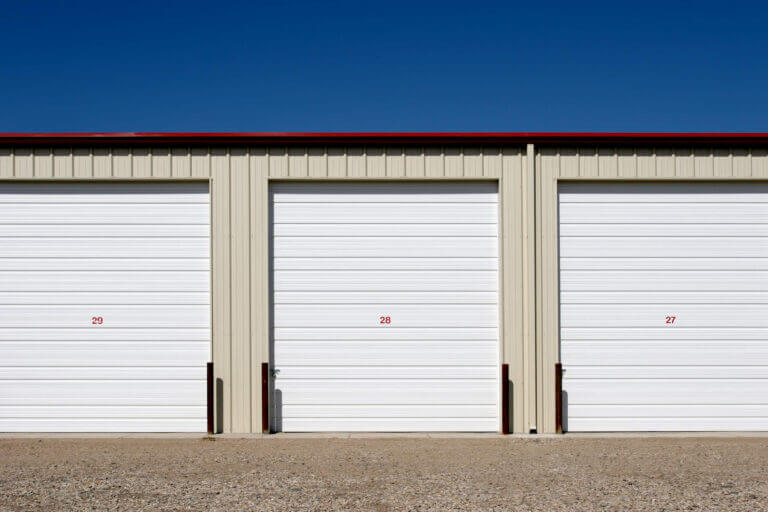
While storage unit sizes may vary, knowing what fits in each size is helpful. When deciding on the right one, choose the right facility that matches your needs. Whether you’re moving, storing items for a renovation, or need extra space, it’s always helpful to seek advice. A comprehensive guide on available unit sizes can give you tips to make the best decision for your situation. Here’s a general breakdown of what you can store in various unit sizes:
What Can You Fit in a 10×25 Storage Unit? – A 10×25 storage unit is large enough to store furniture from a 3-4 bedroom house, including beds, sofas, chairs, tables, mattresses, appliances, clothing, and boxes. You can also fit a vehicle, boat, refrigerator, dresser, and more. If you’re moving long-term or storing the entire contents of a house, this is an ideal unit size. Whether you’re looking for self-storage or have a couple of larger items to store, this unit can accommodate your inventory. It offers ample space to rent and provides plenty of room for all your belongings.
What Fits in a 10×15 Storage Unit? – A 10×15 unit typically accommodates furniture from a two-bedroom home. This includes mattresses, tables, couches, appliances, and clothing. It’s also large enough to store a vehicle, several bikes, boxes, and personal items. If you’re moving or temporarily downsizing, this size unit is a good option. Be sure to check for details about the unit’s availability before renting. Whether you’re storing items for your family or need to store an icon piece of furniture, this unit size can handle it all. It’s the right place for your essential belongings, including those large appliances you need to store temporarily.
What Can Fit in a 10×10 Storage Unit? – A 10×10 storage unit can hold the contents of a one-bedroom apartment, including furniture, appliances, and boxes. Items such as a mattress set, dresser, sofa, and small kitchen appliances can fit comfortably in this unit. Depending on how you organize the space, a few bikes, bookshelves, or televisions may also fit. This unit offers a variety of options for storing personal items. For example, if you’re storing a boat, you may need to arrange your content to maximize the available space carefully. The unit provides enough area to accommodate things like furniture and personal items, and the menu of storage options can be adjusted to suit your needs.
What Can Fit in a 5×10 Storage Unit? – A 5×10 storage unit is perfect for someone with only a few items to store, such as a mattress, chairs, small furniture, and a few storage boxes. This unit is also ideal for storing bikes, clothing, or small appliances. If you need to store a few seasonal items, this unit can easily accommodate them without wasting space. Be sure to check for information about the unit’s availability and any fees associated with renting it. When considering your storage needs, review the unit’s dimensions to confirm it can accommodate your belongings. A container option may also be available if you need a larger space.
Specialized Storage Needs: Climate-Controlled Units
A climate-controlled storage unit may be the best option for storing items that require a controlled environment, such as electronics, important documents, artwork, or antiques. These units help protect sensitive items from temperature fluctuations and humidity that could damage them.
Budget and Location Considerations
When deciding on a storage unit size, your budget and the location of the storage facility are essential factors to consider. The price of a unit is typically based on its size, but location plays a significant role in how much you’ll pay. For example, storage units in Chicago may be more expensive than those in other areas due to higher demand and real estate prices.
Tips for Choosing the Right Storage Unit
Here are a few storage tips that will help you make the best decision for your needs:
- Make a list of your items: Know precisely what you’re storing before choosing a storage unit. Are you moving furniture or seasonal items? Do you need to store a vehicle or boat?
- Consider future needs: If you expect to acquire more items shortly, choose a larger unit to avoid moving everything again.
- Think about organization: Use storage boxes and containers to organize your belongings and prevent damage.
- Be realistic with your budget: The larger the unit, the higher the price. Choose the best size that fits your needs while staying within your budget.
Conclusion: Finding the Right Storage Unit for You
Choosing the proper storage unit is all about understanding your storage needs, considering your budget, and evaluating the unit sizes available. By following these tips and considering the options available at McDowell Mountain Community Storage, you’ll be well on your way to selecting the perfect storage solution. Whether you’re moving, decluttering, or need extra space for your belongings, there’s a storage unit size that will fit your needs.
Don’t hesitate to contact McDowell Mountain Community Storage for more information on available storage units, pricing, and tips to help you organize your space. We’re here to help you find the proper storage unit size for your unique situation and provide the customer service you deserve. Rent your unit today and easily organize your inventory, business, or household items!
Frequently Asked Questions
What is the difference between a climate-controlled and a standard storage unit?
Climate-controlled units maintain a consistent temperature and humidity level, making them ideal for storing sensitive items like electronics, artwork, and antiques. Standard units do not have this control, making them suitable for more durable items that aren’t affected by temperature or humidity.
Are storage units insured, or should I purchase additional insurance?
While many storage facilities offer basic coverage, it may not be enough to protect your belongings fully. It’s advisable to check with the storage facility about insurance options or consider purchasing additional coverage through a third party.
What happens if I need to access my storage unit outside of regular business hours?
Many storage facilities provide 24/7 access with a personal code or key. However, this depends on the facility’s policies, so it’s best to confirm access hours or inquire about after-hours availability when renting a unit.
Can I store hazardous materials or flammable items in a storage unit?
No, most storage facilities have strict policies that prohibit the storage of hazardous materials, chemicals, or flammable items. It’s essential to check the facility’s terms and conditions to ensure compliance with safety regulations.
How do I know if a storage unit is secure enough for my belongings?
Look for features like video surveillance, gated access, well-lit premises, and secure locks. Some facilities also offer enhanced security measures, such as alarm systems on individual units. During your inquiry, ask about the security features to ensure your belongings are safe.
Can I store a vehicle in a 5×10 or 10×10 unit?
A 5×10 unit is typically too small for a vehicle, while a 10×10 unit might accommodate a small car or motorcycle. A 10×15, 10×20, or larger unit would be more appropriate for larger vehicles like trucks, RVs, or boats.
What should I do if my storage unit is too small or too large for my needs?
If your unit is too small, ask the facility about upgrading to a larger size. If it’s too large, consider downsizing to a smaller unit. Many storage facilities allow you to switch units based on your changing needs, though you may have to pay any difference in cost.
Can I rent a storage unit for a short-term period, such as a few weeks or a month?
Yes, most storage facilities offer flexible rental periods, including short-term rentals. Whether you need storage for a few weeks or months, you can find options that suit your timeframe.
Are there any restrictions on the types of items I can store in a 10×20 or larger unit?
There are usually few restrictions on larger units, but items such as perishable food, hazardous materials, or illegal goods are prohibited. Always confirm with the facility about specific restrictions before storing large or unusual items.
What payment options are available for renting a storage unit?
Most storage facilities offer a variety of payment methods, including credit/debit cards, checks, and online payments. Some may also accept cash payments. Inquire about payment schedules, as many facilities require monthly payments, but flexible options may be available depending on your needs.