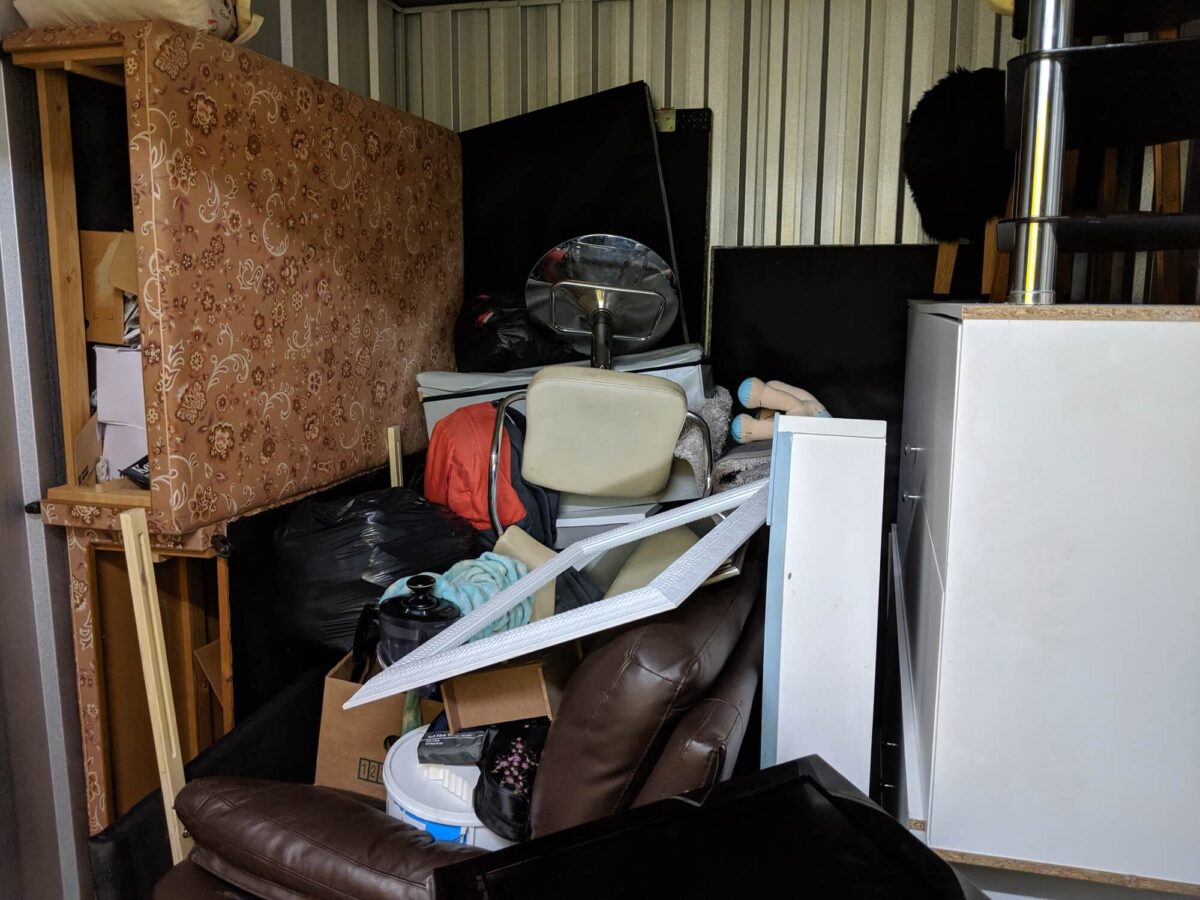

People are increasingly seeking unconventional living arrangements in today’s housing market with skyrocketing rents and limited affordable options. One idea that often comes up is living in a storage unit. At first glance, it might seem like a viable solution: storage units are relatively inexpensive and offer a private space. However, living in a storage unit is not only impractical but also illegal in most places. Let’s delve into the reasons why you can’t live in a storage unit.
Legal and Safety Concerns
The foremost issue with living in a storage unit is that it is typically against the law. Storage units are designed for storing belongings, not for habitation. Most storage facilities have strict rules that prohibit using the units as living spaces. These rules are in place for several important reasons:
1. Building Codes and Zoning Laws
Storage units are not constructed to meet residential building codes. These housing laws are in place to ensure that living spaces are safe and habitable, with specific requirements for structural integrity, electrical systems, plumbing, and more.
Storage units typically lack essential facilities such as plumbing for bathrooms and kitchens, ventilation systems to ensure proper air flow and quality, and fire safety systems like smoke detectors and sprinklers.
Additionally, zoning laws regulate land use and specify areas designated for residential, commercial, or industrial purposes. Storage facilities are usually zoned for commercial use, not residential, meaning they are legally restricted from being used as living spaces.
2. Health and Safety Regulations
Living in a storage unit can pose serious health risks. These units lack proper insulation, heating, or air conditioning, making them unsuitable for maintaining a stable and comfortable indoor temperature. In extreme weather conditions, this lack of climate control can be particularly dangerous, leading to heat stroke in the summer or hypothermia in the winter.
Moreover, without running water and sanitation facilities, maintaining personal hygiene becomes a significant challenge. Basic daily activities like cooking, cleaning, and using the bathroom would be impossible within the confines of a storage unit, potentially leading to unsanitary living conditions that can foster illness and disease.
3. Fire Hazards
Storage units are not designed to accommodate electrical appliances or cooking equipment, both of which could easily start a fire. The typical storage facility does not include electrical outlets or wiring capable of safely handling the demands of living appliances.
Attempting to use such equipment in a storage unit can create serious fire hazards. In the event of a fire, storage facilities typically lack the necessary safety measures to protect human lives, such as fire escapes, smoke detectors, and sprinkler systems. The design and layout of storage units prioritize maximizing space for storing stuff over ensuring the safety of occupants, making it extremely risky to live in one.
These legal and safety concerns highlight why living in a storage unit is not a viable or safe housing option. The regulations and building codes are in place to protect people from the significant risks associated with inhabiting spaces that are not designed for residential use.

Practical Considerations
Beyond the legal and safety issues, there are practical concerns that make living in a storage unit highly impractical:
1. Lack of Basic Amenities – Living in a storage unit isn’t legal. These spaces are small and don’t have bathrooms, kitchens, or running water. So, doing everyday things like cooking or using the bathroom means you have to go outside a lot. It’s not comfortable or practical.
2. Privacy and Security – Living in a storage unit might seem like a temporary shelter, but it’s not. Legality is a big issue because housing laws usually don’t allow it. Though they provide some privacy, storage units aren’t designed for living. They’re small and lack comfort. Security is also a problem since facilities focus on protecting stuff, not people. This makes it risky for someone without an apartment or proper shelter. With multiple tenants, it’s hard to feel safe.
3. Quality of Life – Living in a small, windowless unit can severely impact mental health. Humans need natural light, fresh air, and a sense of space to maintain well-being. The isolation and confined quarters of a storage unit can lead to depression and anxiety, as individuals are cut off from the outside world and deprived of the basic elements that contribute to a healthy and fulfilling life. Without access to sunlight and outdoor views, residents may experience feelings of claustrophobia and disconnection from the world around them, further exacerbating their living conditions.
In summary, the lack of basic amenities, privacy, and security, along with the adverse effects on mental well-being, make living in a storage unit highly impractical and detrimental to one’s quality of life. It is essential to consider these practical concerns before considering such an arrangement, as it may ultimately worsen rather than alleviate the challenges of homelessness or inadequate housing.
Alternatives to Consider
When faced with the challenge of finding affordable housing, there are several alternatives worth considering:
1. Shared Housing – Embracing the idea of shared housing can significantly alleviate the burden of rent. By living with roommates, individuals can split the cost of rent and utilities, making housing more affordable. Opportunities for shared housing can be found through community boards, online platforms, or local housing agencies, where individuals can connect with potential roommates and explore suitable living arrangements.
2. Tiny Homes – Tiny homes offer a compact and cost-effective housing solution. These dwellings are designed to be lived in and come equipped with all the necessary amenities, despite their small size. Opting for a tiny home can provide an affordable alternative to traditional housing, allowing individuals to enjoy a simpler lifestyle while still enjoying the comforts of home.
3. Subsidized Housing Programs – Government programs and non-profit organizations often offer assistance to individuals in need of affordable housing. These subsidized housing programs provide financial support or reduced rent to eligible applicants, making housing more accessible for low-income individuals and families. Researching local options and exploring eligibility criteria can lead to valuable opportunities for affordable housing assistance.
4. House Sitting or Property Caretaking – Some homeowners seek individuals to live in and care for their property while they are away. This arrangement can offer free or low-cost housing in exchange for basic maintenance tasks such as gardening, pet care, or property upkeep. House sitting or property caretaking opportunities provide a unique way to secure housing while contributing to the upkeep of a home in exchange for accommodation.
Exploring these housing alternatives can open up a variety of options for individuals struggling to find affordable housing. By considering shared living arrangements, tiny homes, subsidized housing programs, or house sitting opportunities, individuals can find housing solutions that meet their needs and budget constraints.
Conclusion
While the idea of living in a storage unit might seem like a quick fix to housing problems, it is not a viable solution. Legal, safety, and practical issues make it an untenable option. Instead, consider exploring other affordable housing alternatives that provide the necessary amenities and ensure your well-being. Remember, your living situation should support a healthy, safe, and fulfilling life.
Frequently Asked Questions (FAQs)
Here are some FAQs about living in a storage unit:
Q. Can I convert a storage unit into a livable space?
Converting a storage unit into a livable space is not only impractical but also illegal in most places. Storage units lack essential facilities such as plumbing, ventilation, and proper insulation required for habitation. Moreover, using a storage unit as a living space violates building codes, zoning laws, and health regulations. It poses serious safety hazards, including fire risks and health concerns due to the absence of basic amenities like running water and sanitation facilities. Instead of attempting to convert a storage unit, it’s advisable to explore alternative housing options that prioritize safety, legality, and well-being.
Q. Are there any regulations or restrictions on living in a storage unit?
Yes, there are regulations and restrictions in place that prohibit living in a storage unit in most areas. These regulations stem from various concerns regarding safety, health, and legalities. Storage units are not designed for habitation and typically lack essential facilities such as ventilation, plumbing, and adequate living space. Additionally, living in a storage unit can pose significant fire hazards due to the absence of proper electrical wiring and fire safety measures. Furthermore, zoning laws and building codes often prohibit residential use of storage units. Therefore, it’s essential to research and adhere to local regulations and seek alternative housing options that prioritize safety and well-being.
Q. Can children and pets live in a storage unit?
No, children and pets cannot live in a storage unit. Storage units are not designed for habitation and lack essential facilities such as proper ventilation, heating, plumbing, and safety measures. Living in a storage unit poses serious health and safety risks for both children and pets, including exposure to extreme temperatures, lack of sanitation facilities, and potential hazards from stored items. Additionally, it is against the law in most places to use storage units as living spaces. It’s crucial to prioritize the well-being of children and pets by seeking suitable and safe living arrangements that meet their needs.
Q. Can I establish a resting area within my storage unit?
No, establishing a lodging area violates the storage facility’s regulations and may result in eviction.
Q. Are there any safety concerns associated with residing in a storage unit?
Indeed, safety concerns encompass the following: potential criminal activity, exposure to extreme temperatures, fire hazards, and the absence of emergency exits.
Q. What are the most effective methods for utilizing storage units without residing in them?
Utilize storage units to organize seasonal items, create additional space in your residence, or securely store belongings without residing in them.
Q. Is utilizing a storage unit as an emergency shelter in a disaster is permissible?
Although emergency shelters may be necessary, storage units are not intended for this purpose. Instead, contact your local emergency services or shelters.
Q. What are some of the most prevalent misconceptions regarding residing in a storage unit?
Common misconceptions include the notion that it is a cost-effective housing solution or a transient solution to housing instability, which is neither legal nor advisable.
Q. What are the differences in storage unit regulations, depending on the location?
Resisting in storage units is generally discouraged, although the regulations may differ depending on local laws and facility policies.
Q. What actions should you take if you observe an individual residing in a storage unit?
Please report it to the facility management or local authorities. It violates facility policies and poses a risk to the individual.
Contact McDowell Mountain Community Storage Today!
When housing challenges loom large and unconventional options like residing in a storage unit seem tempting, take a moment to reassess. McDowell Mountain Community Storage in Scottsdale, Arizona, empathizes with your predicament and recognizes the significance of securing safe and sustainable housing. While we provide secure storage solutions for your possessions, our commitment extends beyond mere storage; we’re dedicated to fostering thriving communities within proper living environments.
Contact us today, and let’s explore alternative options together. Your well-being matters, and we’re here to support you beyond the urge to “Live in a Storage Unit.”