
Can You Live in a Storage Unit?

People are increasingly seeking unconventional living arrangements in today’s housing market with skyrocketing rents and limited affordable options. One idea that often comes up is living in a storage unit. At first glance, it might seem like a viable solution: storage units are relatively inexpensive and offer a private space. However, living in a storage unit is not only impractical but also illegal in most places. Let’s delve into the reasons why you can’t live in a storage unit.

Legal and Safety Concerns

The foremost issue with living in a storage unit is that it is typically against the law. Storage units are designed for storing belongings, not for habitation. Most storage facilities have strict rules that prohibit using the units as living spaces. These rules are in place for several important reasons:

1. Building Codes and Zoning Laws

Storage units are not constructed to meet residential building codes. These housing laws are in place to ensure that living spaces are safe and habitable, with specific requirements for structural integrity, electrical systems, plumbing, and more.

Storage units typically lack essential facilities such as plumbing for bathrooms and kitchens, ventilation systems to ensure proper air flow and quality, and fire safety systems like smoke detectors and sprinklers.

Additionally, zoning laws regulate land use and specify areas designated for residential, commercial, or industrial purposes. Storage facilities are usually zoned for commercial use, not residential, meaning they are legally restricted from being used as living spaces.

2. Health and Safety Regulations

Living in a storage unit can pose serious health risks. These units lack proper insulation, heating, or air conditioning, making them unsuitable for maintaining a stable and comfortable indoor temperature. In extreme weather conditions, this lack of climate control can be particularly dangerous, leading to heat stroke in the summer or hypothermia in the winter.

Moreover, without running water and sanitation facilities, maintaining personal hygiene becomes a significant challenge. Basic daily activities like cooking, cleaning, and using the bathroom would be impossible within the confines of a storage unit, potentially leading to unsanitary living conditions that can foster illness and disease.

3. Fire Hazards

Storage units are not designed to accommodate electrical appliances or cooking equipment, both of which could easily start a fire. The typical storage facility does not include electrical outlets or wiring capable of safely handling the demands of living appliances.

Attempting to use such equipment in a storage unit can create serious fire hazards. In the event of a fire, storage facilities typically lack the necessary safety measures to protect human lives, such as fire escapes, smoke detectors, and sprinkler systems. The design and layout of storage units prioritize maximizing space for storing stuff over ensuring the safety of occupants, making it extremely risky to live in one.

These legal and safety concerns highlight why living in a storage unit is not a viable or safe housing option. The regulations and building codes are in place to protect people from the significant risks associated with inhabiting spaces that are not designed for residential use.

Can You Live in a Storage Unit In Scottsdale

Practical Considerations

Beyond the legal and safety issues, there are practical concerns that make living in a storage unit highly impractical:

1. Lack of Basic Amenities – Living in a storage unit isn’t legal. These spaces are small and don’t have bathrooms, kitchens, or running water. So, doing everyday things like cooking or using the bathroom means you have to go outside a lot. It’s not comfortable or practical.

2. Privacy and Security – Living in a storage unit might seem like a temporary shelter, but it’s not. Legality is a big issue because housing laws usually don’t allow it. Though they provide some privacy, storage units aren’t designed for living. They’re small and lack comfort. Security is also a problem since facilities focus on protecting stuff, not people. This makes it risky for someone without an apartment or proper shelter. With multiple tenants, it’s hard to feel safe.

3. Quality of Life – Living in a small, windowless unit can severely impact mental health. Humans need natural light, fresh air, and a sense of space to maintain well-being. The isolation and confined quarters of a storage unit can lead to depression and anxiety, as individuals are cut off from the outside world and deprived of the basic elements that contribute to a healthy and fulfilling life. Without access to sunlight and outdoor views, residents may experience feelings of claustrophobia and disconnection from the world around them, further exacerbating their living conditions.

In summary, the lack of basic amenities, privacy, and security, along with the adverse effects on mental well-being, make living in a storage unit highly impractical and detrimental to one’s quality of life. It is essential to consider these practical concerns before considering such an arrangement, as it may ultimately worsen rather than alleviate the challenges of homelessness or inadequate housing.
Can You Live in a Storage Unit In Scottsdale, AZ

Alternatives to Consider

When faced with the challenge of finding affordable housing, there are several alternatives worth considering:

1. Shared Housing – Embracing the idea of shared housing can significantly alleviate the burden of rent. By living with roommates, individuals can split the cost of rent and utilities, making housing more affordable. Opportunities for shared housing can be found through community boards, online platforms, or local housing agencies, where individuals can connect with potential roommates and explore suitable living arrangements.

2. Tiny Homes – Tiny homes offer a compact and cost-effective housing solution. These dwellings are designed to be lived in and come equipped with all the necessary amenities, despite their small size. Opting for a tiny home can provide an affordable alternative to traditional housing, allowing individuals to enjoy a simpler lifestyle while still enjoying the comforts of home.

3. Subsidized Housing Programs – Government programs and non-profit organizations often offer assistance to individuals in need of affordable housing. These subsidized housing programs provide financial support or reduced rent to eligible applicants, making housing more accessible for low-income individuals and families. Researching local options and exploring eligibility criteria can lead to valuable opportunities for affordable housing assistance.

4. House Sitting or Property Caretaking – Some homeowners seek individuals to live in and care for their property while they are away. This arrangement can offer free or low-cost housing in exchange for basic maintenance tasks such as gardening, pet care, or property upkeep. House sitting or property caretaking opportunities provide a unique way to secure housing while contributing to the upkeep of a home in exchange for accommodation.

Exploring these housing alternatives can open up a variety of options for individuals struggling to find affordable housing. By considering shared living arrangements, tiny homes, subsidized housing programs, or house sitting opportunities, individuals can find housing solutions that meet their needs and budget constraints.

Conclusion

While the idea of living in a storage unit might seem like a quick fix to housing problems, it is not a viable solution. Legal, safety, and practical issues make it an untenable option. Instead, consider exploring other affordable housing alternatives that provide the necessary amenities and ensure your well-being. Remember, your living situation should support a healthy, safe, and fulfilling life.

Frequently Asked Questions (FAQs)

Here are some FAQs about living in a storage unit:

Q. Can I convert a storage unit into a livable space?

Converting a storage unit into a livable space is not only impractical but also illegal in most places. Storage units lack essential facilities such as plumbing, ventilation, and proper insulation required for habitation. Moreover, using a storage unit as a living space violates building codes, zoning laws, and health regulations. It poses serious safety hazards, including fire risks and health concerns due to the absence of basic amenities like running water and sanitation facilities. Instead of attempting to convert a storage unit, it’s advisable to explore alternative housing options that prioritize safety, legality, and well-being.

Q. Are there any regulations or restrictions on living in a storage unit?

Yes, there are regulations and restrictions in place that prohibit living in a storage unit in most areas. These regulations stem from various concerns regarding safety, health, and legalities. Storage units are not designed for habitation and typically lack essential facilities such as ventilation, plumbing, and adequate living space. Additionally, living in a storage unit can pose significant fire hazards due to the absence of proper electrical wiring and fire safety measures. Furthermore, zoning laws and building codes often prohibit residential use of storage units. Therefore, it’s essential to research and adhere to local regulations and seek alternative housing options that prioritize safety and well-being.

Q. Can children and pets live in a storage unit?

No, children and pets cannot live in a storage unit. Storage units are not designed for habitation and lack essential facilities such as proper ventilation, heating, plumbing, and safety measures. Living in a storage unit poses serious health and safety risks for both children and pets, including exposure to extreme temperatures, lack of sanitation facilities, and potential hazards from stored items. Additionally, it is against the law in most places to use storage units as living spaces. It’s crucial to prioritize the well-being of children and pets by seeking suitable and safe living arrangements that meet their needs.

Q. Can I establish a resting area within my storage unit?

No, establishing a lodging area violates the storage facility’s regulations and may result in eviction.

Q. Are there any safety concerns associated with residing in a storage unit?

Indeed, safety concerns encompass the following: potential criminal activity, exposure to extreme temperatures, fire hazards, and the absence of emergency exits.

Q. What are the most effective methods for utilizing storage units without residing in them?

Utilize storage units to organize seasonal items, create additional space in your residence, or securely store belongings without residing in them.

Q. Is utilizing a storage unit as an emergency shelter in a disaster is permissible?

Although emergency shelters may be necessary, storage units are not intended for this purpose. Instead, contact your local emergency services or shelters.

Q. What are some of the most prevalent misconceptions regarding residing in a storage unit?

Common misconceptions include the notion that it is a cost-effective housing solution or a transient solution to housing instability, which is neither legal nor advisable.

Q. What are the differences in storage unit regulations, depending on the location?

Resisting in storage units is generally discouraged, although the regulations may differ depending on local laws and facility policies.

Q. What actions should you take if you observe an individual residing in a storage unit?

Please report it to the facility management or local authorities. It violates facility policies and poses a risk to the individual.

Contact McDowell Mountain Community Storage Today!

When housing challenges loom large and unconventional options like residing in a storage unit seem tempting, take a moment to reassess. McDowell Mountain Community Storage in Scottsdale, Arizona, empathizes with your predicament and recognizes the significance of securing safe and sustainable housing. While we provide secure storage solutions for your possessions, our commitment extends beyond mere storage; we’re dedicated to fostering thriving communities within proper living environments.

Contact us today, and let’s explore alternative options together. Your well-being matters, and we’re here to support you beyond the urge to “Live in a Storage Unit.”
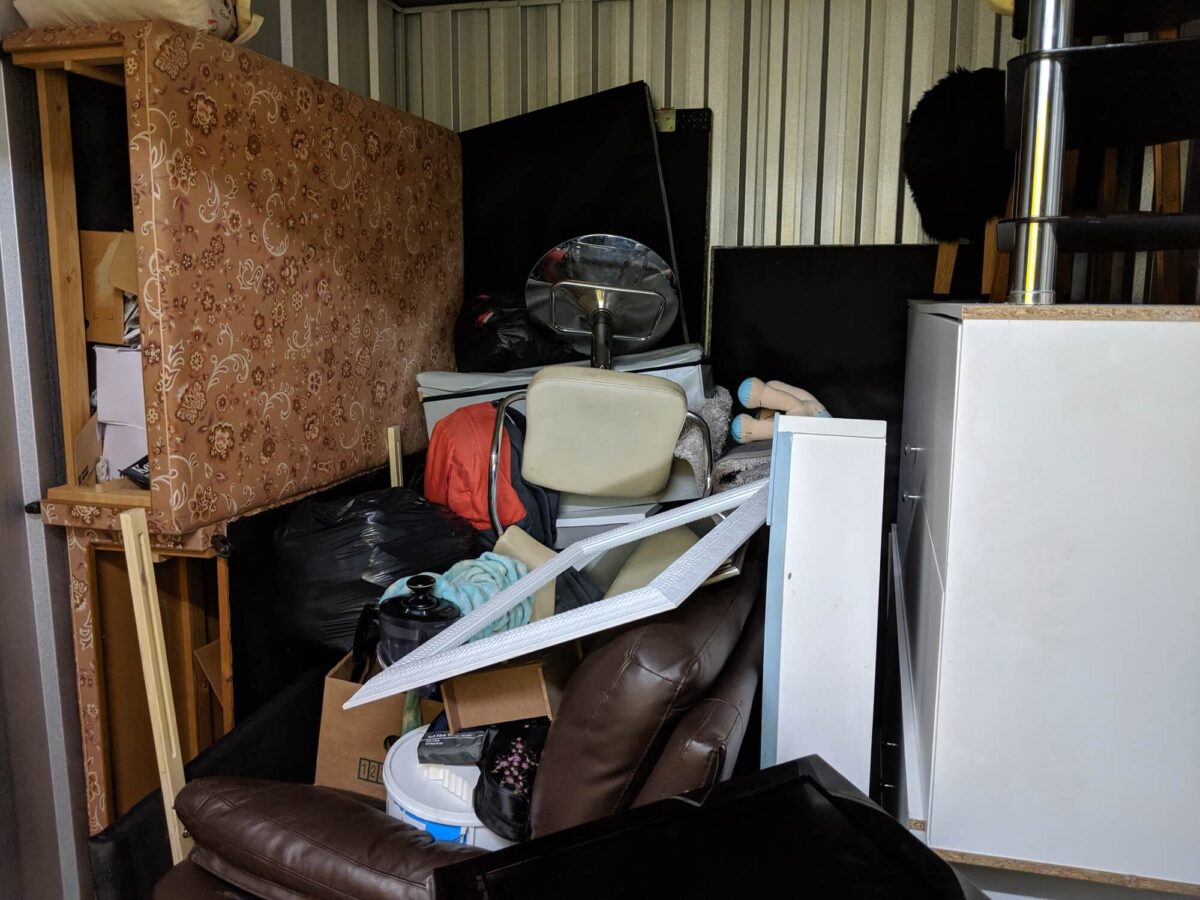
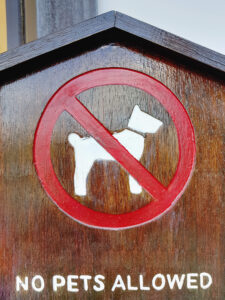
What not to put in a Storage Unit?

In today’s fast-paced world, storage units have become essential for many individuals and businesses dealing with limited space. Whether you’re downsizing your home, moving, or simply decluttering, renting a storage unit can provide a convenient way to temporarily or temporarily store belongings. However, only some things are suitable for storage. Knowing what not to put in a storage unit is crucial to avoid damage, hazards, or violating storage facility policies. In this guide, we’ll explore what not to put in a storage unit.

1. Perishable Items

Perishable goods have a limited shelf life and are prone to spoilage or decay over time. These include food items such as fruits, vegetables, dairy products, meats, baked goods, plants, and flowers. Due to their organic nature, perishable items are susceptible to bacteria, mold, and other pathogens that thrive in storage conditions. Storing perishable items in a storage unit can lead to foul odors, pest infestations, and the spread of harmful contaminants, posing health risks and potentially damaging other items stored nearby.

Therefore, it’s essential to avoid storing perishable items in storage units and instead opt for proper refrigeration or disposal methods to maintain food safety and prevent unnecessary waste.

What not to put in a Storage Unit In Scottsdale, Arizona

2. Living Creatures/Animals

Keeping live animals in storage units is not advisable. These spaces lack ventilation, proper temperature control, and natural light for animals to thrive. Doing so is not only unethical but also goes against most facility policies. Besides ethical concerns, storing animals in such conditions can lead to health risks and legal problems. Animals may suffer from stress, dehydration, and even death without proper care.

Additionally, their presence can attract pests like rodents, creating issues for other renters. Therefore, finding alternative arrangements for pets or animals is essential to avoid any problems or risks associated with storing them in a self storage unit.

3. Hazardous Materials

Hazardous materials refer to substances that pose a risk to health, safety, property, or the environment. These materials include chemicals, flammable liquids, explosives, toxic substances, and radioactive materials. Storing hazardous materials in a storage unit is extremely dangerous and, in most cases, against the law. These substances can leak, spill, or react with other materials, leading to fires, explosions, or contamination.

Moreover, exposure to hazardous materials can cause severe health issues, such as respiratory problems, chemical burns, or even death. Proper handling, storage, and disposal of hazardous materials are crucial to prevent accidents and protecting public health and the environment. Therefore, it’s essential to adhere to regulations and guidelines set by local authorities when handling hazardous materials.

4. Valuables and Irreplaceable Items

Valuable and irreplaceable items, like jewelry, important documents, and family heirlooms, are possessions that hold deep meaning or significant monetary value for individuals. Storing these items in a self-storage unit can have many issues. There’s a theft risk, as even secure storage companies may not guarantee complete protection.

Environmental factors like temperature changes, bugs, and rodents could also cause damage. If something were to happen to these items while in storage, the emotional toll would be immense, since they’re often irreplaceable. That’s why it’s wise to keep valuables and irreplaceable items in a secure place, like a home safe or a safe deposit box at the bank, where they’re less likely to be affected by theft or environmental factors.

5. Illegal or Stolen Goods

Illegal or stolen goods are items acquired through unlawful methods or taken without permission. This includes fake items, stolen vehicles, stolen stuff, drugs, or items gotten dishonestly. Keeping illegal or stolen goods in a storage unit is a big problem. It’s not just wrong; it’s against the law and can get you into serious trouble.

Storing these things encourages bad behavior and can also lead to legal issues for the storage company. Plus, it might bring unwanted attention from the police and put other people at risk. That’s why it’s essential to follow the rules and only store things you’ve acquired legally and ethically.

What not to put in a Storage Unit In Scottsdale, AZ

6. Firearms and Ammunition

Its require special consideration regarding storage due to their potential dangers. Firearms, including guns and rifles, are designed to discharge projectiles at high speeds, making them inherently hazardous if mishandled or accessed by unauthorized individuals. Likewise, ammunition contains explosive materials that can cause significant harm if not handled properly.

Storing firearms and ammunition responsibly is crucial to ensure one’s safety and that of others. It’s essential to keep firearms unloaded and secured in a locked container, such as a gun safe or a designated firearm storage unit, separate from ammunition. When it comes to what not to put in a storage unit, it is crucial to avoid storing any explosive items, including fireworks, as they pose a significant risk of causing damage to the unit and endangering the safety of others.

Additionally, ammunition should be stored in a cool, dry place away from heat sources to prevent accidental detonation. Proper storage of firearms and ammunition reduces the risk of accidents and helps prevent theft and unauthorized access, promoting overall safety and responsible gun ownership.

7. Uninsured Items

Uninsured items are stored in storage facilities without protection under an insurance policy. This means that there is no financial coverage to compensate for the loss or damage incurred in the event of theft, damage, or loss. Understanding the risks associated with storing uninsured items in a self-storage unit is crucial. Without insurance coverage, renters bear full responsibility for any damages or losses that may occur, resulting in significant financial setbacks.

Therefore, it’s highly recommended to ensure that valuable or irreplaceable items stored in a self-storage unit are adequately insured to mitigate financial risks and provide peace of mind.

8. Unsealed or Unprotected Items

Unsealed or unprotected items are not adequately shielded from potential harm or damage. They are at risk from dust, moisture, physical damage, and pests. Without protection, electronics, wooden furniture, clothes, and artwork can deteriorate. For example, electronics might be damaged by dust or moisture, wooden furniture could warp or rot in humidity, and clothes or artwork could get stained or moldy.

It’s important to seal, wrap, or store items in protective containers to avoid these issues. Using pallets or raised platforms can also help prevent moisture damage. By taking these steps, people can keep their belongings safe and in good condition while in storage.

Conclusion

In conclusion, it’s crucial to understand what not to put in a self-storage unit, particularly temperature-sensitive or fragile items. By avoiding storing perishable items, living creatures, hazardous materials, valuables, illegal goods, firearms, uninsured items, and unprotected items like household items, you can ensure the safety and integrity of your belongings. Always review the storage facility’s policies and guidelines to maintain compliance and peace of mind. With careful planning, your self-storage unit can effectively accommodate your storage needs while preserving the condition of your items, especially those sensitive to temperatures or fragile.

FAQs

Here are some frequently asked questions about what not to put in a storage unit:

Q. Can I store plants in a storage unit?

Storing plants in a storage unit is generally not recommended. Storage units lack proper ventilation, natural light, and suitable plant growth conditions. Without adequate care, plants may wilt, die, or attract pests, potentially damaging other items stored in the unit. It’s best to find alternative solutions for plants, such as asking a friend or family member to care for them or finding a temporary outdoor location with proper sunlight and water access.

Q. How can flammable materials be safely stored in a storage unit?

To safely store flammable materials in a storage unit, it’s essential to follow a few key guidelines:

  • Check with the storage facility to ensure they allow the storage of flammable items.
  • Store them in approved containers specifically designed for flammable materials, such as metal cans or containers made of fire-resistant materials. Keep flammable materials away from heat, direct sunlight, and ignition sources.
  • Maintain proper ventilation in the storage unit to prevent the buildup of flammable vapors.
  • Consider storing flammable materials in a dedicated unit section away from other belongings for added safety.

Q. How do you maintain the condition of artwork and collectibles in a storage unit?

To maintain the condition of artwork and collectibles in a storage unit, it’s essential to follow a few key steps:

  • Ensure a climate-controlled-storage unit to regulate temperature and humidity, as extreme conditions can damage delicate pieces.
  • Wrap artwork and collectibles in acid-free paper or bubble wrap to protect them from scratches and other physical damage. Use sturdy boxes or containers to store smaller items, and avoid stacking heavy objects on top of delicate pieces.
  • Periodically check your stored items to ensure they remain in good condition and make any necessary adjustments to their storage arrangements as needed.

Q. What are the specific restrictions at my storage facility?

You should consult the facility’s rental agreement and guidelines or request a list of prohibited or restricted items directly from the management.

Q. Is it advisable to refrain from storing products in cardboard boxes?

Although cardboard is ubiquitous, it has the potential to attract vermin and degrade over time. For optimal safeguarding, implement plastic containers with closures.

Q. Is it advisable to store items that require regular maintenance?

It is crucial to store items that require regular maintenance, such as vehicles, in suitable conditions to prevent deterioration.

Q. Are there any restrictions on the quantity of products that can be stored?

Most facilities have policies concerning the utmost number of items, particularly when they obstruct access or pose a hazard. Consult with your facility.

Q. Is it advisable to preserve items that hold sentimental value?

If adequately safeguarded, it is advisable to store items that hold significant sentimental value, as storage conditions can be unpredictable.

Q. What consequences may result from the storage of prohibited items?

Upon discovering prohibited items, the facility reserves the right to remove them and impose a charge for any resulting cleansing or damage.

Q. Is it permissible to store cleansing supplies or chemicals?

No, most facilities do not allow the storage of chemicals, cleaning supplies, or any other items that could threaten health and safety.

Reserve Your McDowell Mountain Community Storage Unit Today!

At McDowell Mountain Community Storage, we prioritize the safety and security of our clients’ belongings in Scottsdale, Arizona. We understand the importance of knowing what not to put in a storage unit to maintain a safe environment for all renters. While our self-storage units can accommodate a wide range of items, there are certain things we do not allow, such as perishable items, living creatures, hazardous materials, and illegal goods. By adhering to these guidelines, we ensure the protection of your belongings and the integrity of our facility.

Contact us today to schedule an appointment and learn more about our storage solutions tailored to your needs. Rent a storage unit today!

What Are the Most Overlooked Self Storage Risks?

Self-storage has become an indispensable solution for individuals and businesses alike. Whether you’re downsizing, decluttering, or safeguarding business records, renting a storage unit offers unparalleled convenience. But while it’s easy to focus on finding a location with adequate space, many renters overlook critical risks such as deterioration, a potential break-in, or the loss of stored items. Failing to choose the correct option or share important information with someone knowledgeable can lead to complications. Additionally, relying on others without thoroughly vetting the storage units may result in unforeseen challenges.

At McDowell Mountain Community Storage, proactive planning and informed decision-making are the keys to mitigating these often-overlooked risks. Below, we dive deep into the factors you should consider to keep your valuables safe, secure, and well-maintained.

What Are the Most Overlooked Self Storage Risks In Scottsdale

The Most Overlooked Self-Storage Risks

1. Humidity and Climate Control

One of the most significant threats to stored belongings is excessive humidity. It can cause irreversible damage to sensitive items, such as furniture, electronics, documents, and clothing. Without proper climate control, you might find yourself dealing with issues like:

  • Mold growth, which can destroy fabrics, paper, and wood.
  • Condensation leads to rust on metal items.
  • Infestation of pests, including insects, is attracted to damp environments.

Always check if the company offers robust climate-control options when choosing a self storage units. Investing a small amount of money upfront in a well-regulated self storage unit can save you significant losses later. Pay attention to details such as the lock quality and ventilation, as these can be a critical line of defense against danger caused by moisture and pests.

Additionally, the number of facilities providing adequate climate control is limited, so finding the right way to compare companies is essential. Make sure to settle for something adequate, as the long-term risks to your stored belongings in poorly managed self-storage units are considerable, especially in regions with fluctuating weather conditions.

2. Security Risks

While most storage facilities advertise their security features, not all offer the same level of protection. Overlooked vulnerabilities include:

  • Outdated locks: Basic padlocks often need to be improved against modern tools.
  • Limited surveillance systems: Ensure the facility has 24/7 camera coverage.
  • Inadequate lighting: Poorly lit areas invite theft and unauthorized access.

Neglecting regulations and ignoring humidity levels can also exacerbate security-related problems, leaving the contents of your self storage unit vulnerable to theft or damage, ultimately jeopardizing the trust and satisfaction of customers who rely on these facilities for the safekeeping of their valuable belongings. storage units vulnerable to damage or loss. For instance, an event like a power outage could compromise security systems, while insufficient oversight from employees may delay response times.

As a tenant, you should also evaluate how well the facility safeguards everything within its premises. Whether you’re storing sentimental stuff or valuable contents, ensuring proper regulation can prevent problems before they arise.

At McDowell Mountain Community Storage, we utilize cutting-edge security systems, robust locks, and dedicated on-site staff to minimize risks. For some, these measures might seem like extras, but they are essential for maintaining peace of mind.

3. Pest Infestations

Another overlooked risk is the potential for pest and insect infestations. Termites, mice, and other critters can cause severe damage to boxes, furniture, and other stored goods. Warning signs include droppings, chewed packaging, or a musty odor. Mistakes in choosing a storage space without proper pest control can result in costly consequences. It’s important to remember that maintaining the integrity of your stored items is part of selecting a reliable facility.

While pests are a significant concern, they are not the only thing that can go wrong. Poor decisions regarding storage can lead to unexpected expenses. Ensuring the facility meets your specific requirements, including pest control and cleanliness, can help prevent these problems.

To combat infestations, ensure your storage facility has regular pest control measures. Additionally, consider these precautions:

  • Use sealed containers instead of cardboard boxes.
  • Avoid storing food or perishable items.
  • Inspect the unit’s cleanliness before moving in.

These decisions will reduce the risk of damage to your belongings and help maintain a safe storage environment.

4. Water Damage and Flooding

Water damage significantly threatens stored items, especially in facilities prone to leaks or flooding. The effects can be catastrophic, from warped wood to destroyed documents. The likelihood of water damage increases if the facility lacks proper maintenance, waterproofing, or drainage systems.

To mitigate this risk, follow these steps:

  • Elevate items using pallets or shelves to avoid contact with the floor.
  • Store sensitive belongings in waterproof containers.
  • Verify that the storage facility offers insurance coverage for water damage.

5. Fire Hazards

Many renters fail to consider the potential fire hazards in a storage unit. A single incident can destroy stored belongings. Key fire risks include:

  • Flammable materials are stored improperly.
  • Lack of smoke detectors or sprinkler systems in the facility.

A lack of proper security measures, such as a padlock that cannot withstand heat or flame, could increase the expense of recovering items after a fire.

To protect against fire risks, ask the facility about its compliance with safety regulations, fire-resistant building materials, and emergency procedures.

6. Neglecting Insurance Coverage

Many people assume the facility’s insurance automatically covers their facility’s expenses. Unfortunately, this is not always the case. You may face financial losses from theft, flooding, or other disasters without personal insurance.

Before signing a contract, clarify the facility and invest in additional coverage if necessary. Comprehensive insurance can provide peace of mind and protect your valuables from unforeseen circumstances.

7. Improper Packaging

Improper packaging is another common oversight. Poorly packed items are more susceptible to damage, especially during transit or when stacked inside a unit. Consider these tips for safe packing:

  • Use sturdy boxes and label them for easy identification.
  • Wrap fragile items in bubble wrap or foam.
  • Distribute weight evenly to avoid collapsed stacks.

8. Overloading the Unit

Overcrowding your storage unit may seem like a cost-saving measure, but it increases the risk of damage and makes retrieving items inconvenient. Avoid stacking items too high or blocking access to frequently used belongings. Proper organization protects your goods and saves time in the long run.

9. Ignoring Facility Maintenance

A poorly maintained facility can expose your belongings to pests, water leaks, and structural weaknesses. Look for a facility that prioritizes cleanliness and conducts regular inspections.

10. Misjudging the Cost

While the monthly rent for a self-storage unit might seem affordable, additional costs can add up quickly. When budgeting, consider insurance, climate-control fees, and security upgrades. Choose a facility that provides transparent pricing and no hidden fees.

What Are the Most Overlooked Self Storage Risks In Scottsdale, AZ

How to Choose the Right Self-Storage Facility

Key Features to Look For

When evaluating potential storage facilities, prioritize these essential features:

  1. Climate Control: Protect sensitive items from extreme temperatures and humidity.
  2. Security Measures: Ensure the facility has 24/7 surveillance, secure locks, and controlled access.
  3. Cleanliness: A well-maintained facility reduces the risk of pests and structural damage.
  4. Insurance Options: Confirm coverage for potential risks, including theft, fire, and water damage.

Questions to Ask Before Renting

  • What security systems are in place?
  • Are the units climate-controlled?
  • Does the facility provide pest control services?
  • What are the facilities on liability and insurance?
  • Are there restrictions on what can be stored?

How McDowell Mountain Community Storage Stands Out

At McDowell Mountain Community Storage, we go beyond essential storage solutions to ensure the safety and satisfaction of our customers. Here sets us apart:

  • Advanced Security: Our facility has state-of-the-art security systems, including motion-detecting cameras and keypad access.
  • Climate-Controlled Units: We offer temperature-regulated spaces to protect against humidity and extreme temperatures.
  • Expert Staff: Our experienced team is always available to answer questions and assist with storage tips.
  • Transparent Pricing: No hidden fees or surprises—just straightforward, affordable services.

Tips for Maintaining a Secure and Organized Storage Unit

Stay Organized

  • Create an inventory list of all stored items.
  • Label boxes clearly and keep frequently used items near the front.

Protect Valuables

  • Use high-quality locks for additional security.
  • Store sensitive documents and valuables in waterproof and fireproof containers.

Regularly Check Your Unit

  • Inspect your unit periodically for signs of damage, infestation, or other issues.
  • Report any concerns to the facility immediately.

The Final Word: Prioritize Safety and Security

Renting a self-storage unit is more than just finding a convenient space. By addressing overlooked risks—from humidity and pests to theft and fire—you can ensure the safety and longevity of your stored belongings.

At McDowell Mountain Community Storage, we’re committed to providing secure, reliable, and cost-effective storage solutions. Whether you have personal items or important business records, trust us to keep your valuables safe.

Take the first step towards a better storage experience. Contact McDowell Mountain Community Storage today to reserve your unit or learn more about our comprehensive services.

Frequently Asked Questions

1. What are the most common risks to consider when renting a self-storage unit?

The most common risks include humidity damage, security vulnerabilities, pest infestations, water damage, fire hazards, and improper packaging. These factors can compromise your belongings’ safety, so choosing a facility with proper safeguards is essential.

2. How can humidity affect the items in my storage unit?

Excessive humidity can lead to mold growth, rusting of metal items, and damage to fabrics, paper, and wood. Choosing a climate-controlled unit helps to prevent these issues, especially for sensitive items like electronics, furniture, and business records.

3. What security features should I look for in a self-storage facility?

Look for 24/7 surveillance systems, secure locks, and controlled access. It’s also essential to ensure the facility has adequate lighting and well-maintained fences and gates to prevent unauthorized access and theft.

4. How can I protect my stored belongings from pests and insects?

To avoid infestations, choose a facility that offers regular pest control services. Use sealed containers, avoid storing food or perishable items, and inspect your unit for cleanliness before moving in.

5. What should I do to prevent water damage in my storage unit?

Elevate your items off the floor using pallets or shelves, use waterproof containers for sensitive belongings, and ensure the facility has proper waterproofing and drainage systems. You can also inquire about insurance coverage for water damage.

6. Why is fire safety important when renting a storage unit?

Fire hazards can completely destroy your stored items. It is crucial to ensure the facility has fire-resistant materials, smoke detectors, and sprinkler systems. You should also check the quality of locks, as inadequate locks can increase the damage in case of a fire.

7. Do I need additional insurance for my stored items?

While some facilities offer basic insurance, it’s essential to check for sufficient coverage. Consider purchasing additional insurance to cover theft, water damage, fire, or any other unforeseen issues affecting your belongings.

8. What are the risks of improper packaging in a storage unit?

Poor packaging can lead to damage, especially for fragile items. It’s important to use sturdy boxes, wrap fragile items in bubble wrap, and ensure evenly distributed weight to prevent collapse or breakage during storage or transportation.

9. How do I choose a suitable self-storage unit for my needs?

Consider the size of the unit, security measures, climate control options, cleanliness, and insurance offerings. Ensure the facility meets your specific requirements and ask about pest control, maintenance, and additional fees.

10. What steps can I take to maintain a secure and organized storage unit?

Create an inventory list of your stored items, label boxes clearly, and keep frequently used items near the front. Regularly inspect your unit for any damage or pest issues, and immediately report any concerns to the facility.