Are Storage Units Safe?

Are Storage Units Safe?

When storing your belongings, the safety and security of self-storage units are a top priority for most people. Whether you’re a homeowner looking to declutter, a small business needing extra space, or someone transitioning between homes, knowing that your possessions are safe in a storage facility is crucial. At MCDOWELL MOUNTAIN COMMUNITY STORAGE, A Scottsdale Storage Facility, The Best Self Storage Option in Scottsdale, we understand the importance of providing a secure environment for your valuables. We use advanced technology to enhance security while balancing the costs involved. This blog will explore the various reasons contributing to the safety of storage units, including the role of employees and liability coverage, and offer tips on how to further protect your belongings, from using proper boxes to understanding your storage needs. 

The Importance of Security in Storage Facilities

Why Security Matters

Security is a fundamental aspect of any storage facility. Without proper security measures, the storage space becomes an easy target for theft, vandalism, and other risks. The inventory of items stored within these units—furniture, appliances, or essential documents—must be safeguarded against potential threats.

To protect everything effectively, the facility should have multiple layers of security solutions, including alarms, guards, padlocks, and cameras at the entrance. If homeowners have any questions or concerns about the security of their property, they should review the contract and be aware of how their stuff is being protected.

Creating a comprehensive list of security measures and understanding the numbers associated with them—such as the frequency of guard patrols and the number of cameras in place—can provide peace of mind. It’s important to consider these measures as solutions to potential risks and ensure that any situation involving your belongings is managed with the utmost care.

Common Security Features in Storage Facilities

At MCDOWELL MOUNTAIN COMMUNITY STORAGE, we prioritize the safety of our customers’ belongings by implementing a variety of security measures:

  1. Surveillance Cameras: Continuous monitoring through high-quality surveillance cameras ensures that all activities within the storage facility are recorded, providing a deterrent to potential thieves.
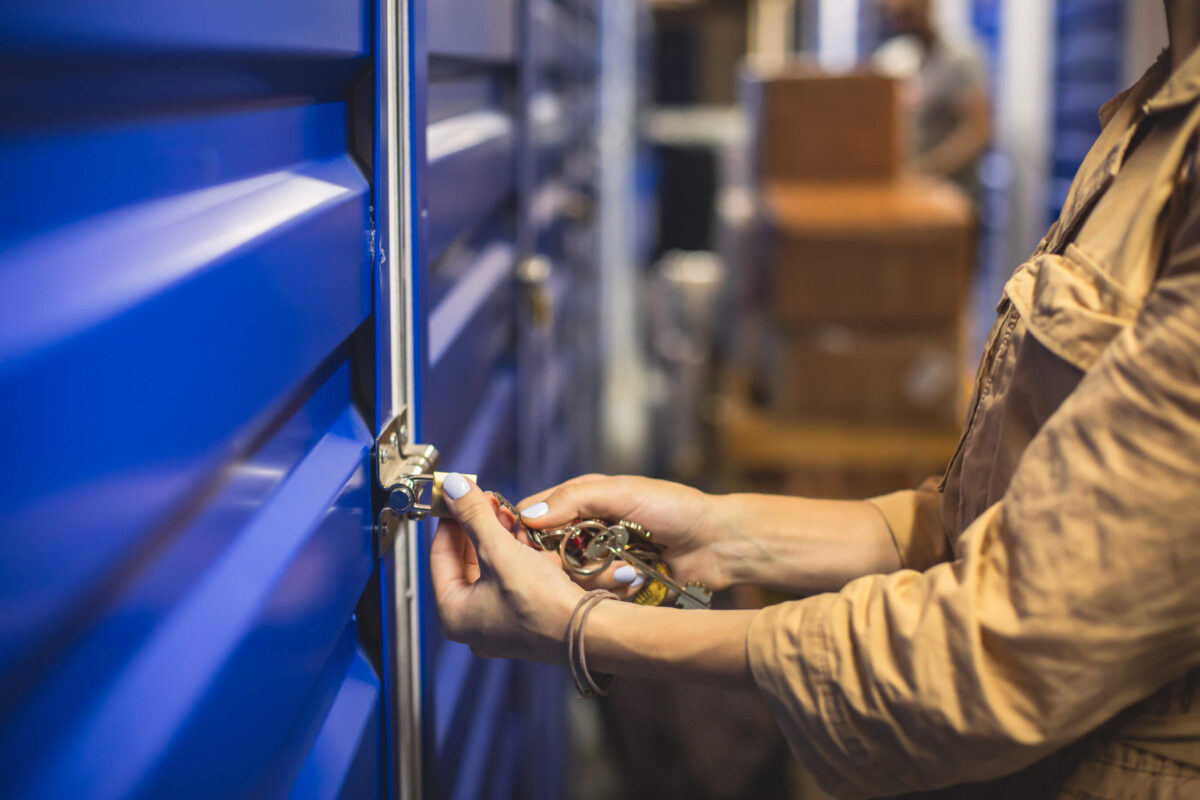
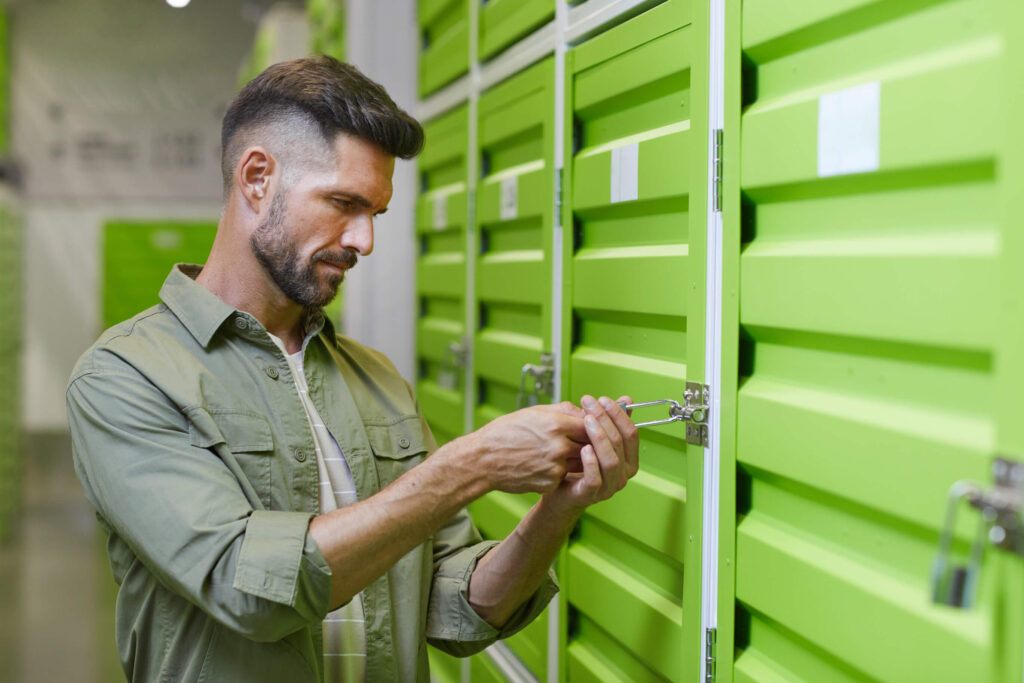
  2. Secure Locks and Padlocks: We recommend using heavy-duty locks, such as disc or padlocks, for your storage unit. These locks are designed to resist tampering and provide an additional layer of security.
  3. Controlled Access Gates: Access to the storage facility is restricted to authorized individuals through gated entry systems that require a code or keycard. This prevents unauthorized persons from entering the premises.
  4. Lighting and Visibility: Well-lit areas, both inside and outside the storage facility, reduce the chances of break-ins, making it harder for intruders to go unnoticed.
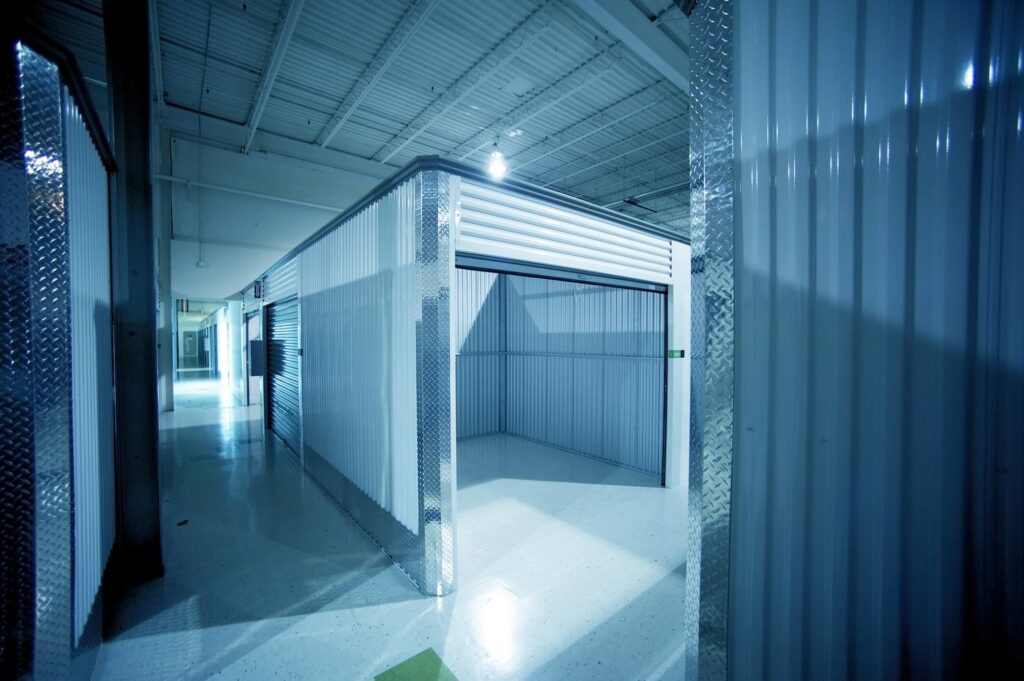
Storage Unit

Additional Safety Measures

Aside from the standard security features, there are additional measures that can enhance the safety of your storage unit:

  • Climate-Controlled Units: Climate-controlled units are essential for storing sensitive items such as electronics, documents, or furniture. They regulate temperature and humidity, preventing mold, mildew, and other forms of damage.
  • Insurance Coverage: It’s wise to consider purchasing insurance for your stored belongings. In the event of unexpected incidents such as fire, flooding, or theft, insurance provides financial protection.
  • Security Measures: A well-managed facility not only has experienced staff on-site but also employs security measures like alarms, padlocks, cameras, and guards. These features add a layer of protection, ensuring your belongings are safe from unauthorized access and other potential risks.

Risks and How to Mitigate Them

While storage facilities like MCDOWELL MOUNTAIN COMMUNITY STORAGE go to great lengths to secure your belongings, it’s essential to be aware of potential risks and how to mitigate them.

Common Risks in Storage Facilities
  1. Theft: Although rare in reputable facilities, theft remains a concern. Thieves may target storage units containing valuables such as electronics, firearms, or high-value items.
  2. Damage: Weather-related incidents, such as floods or fires, can cause significant damage to stored items. Also, improper packing or storing items prone to damage, like electronics or documents, can lead to problems.
  3. Clutter and Poor Organization: Storing items haphazardly or cluttered increases the risk of damage. Heavy items placed on top of fragile ones or improper stacking can lead to breakage or injury.
Tips to Enhance the Safety of Your Storage Unit
  1. Choose the Right Lock: As mentioned earlier, a strong lock is your first line of defense. Invest in a high-quality lock that is resistant to cutting and picking.
  2. Organize Your Unit: Keep your storage unit organized using shelving units, bins, and clear labels. This protects your items and makes it easier to locate them when needed.
  3. Consider Insurance: Even with all the security measures, insurance provides an extra layer of protection. Ensure that your policy covers the total value of your belongings.
  4. Regularly Visit Your Unit: Regular visits to your storage unit allow you to check for any signs of tampering or damage. This way, you can address any issues before they become significant problems.

How to Choose a Secure Storage Facility

Factors to Consider When Selecting a Storage Facility

When choosing a storage facility, there are several factors to consider ensuring the safety of your belongings:

  1. Location: The location of the storage facility plays a crucial role in its security. Facilities in safe, well-monitored areas are less likely to experience break-ins or vandalism.
  2. Security Features: As outlined above, a good storage facility will have various security features, including surveillance cameras, gated access, and secure locks.
  3. Customer Reviews: Researching customer reviews can provide insights into the security and reliability of a storage facility. Look for feedback on how well the facility has handled security incidents.
  4. Staff and Management: A facility with knowledgeable and responsive staff will likely maintain high-security standards. Staff presence can deter unauthorized access and assist when needed.
  5. Cost: While cost is an important consideration, don’t compromise on security to save a few dollars. The safety of your belongings should be a priority, and paying a bit more for a secure facility is often worth the investment.

Conclusion: Are Storage Units Safe?

In conclusion, storage units are generally safe, mainly in a reputable facility like MCDOWELL MOUNTAIN COMMUNITY STORAGE. The key to ensuring the safety of your belongings lies in choosing a facility with robust security features, such as an alarm, padlock, camera, and guard. Following the tips outlined in this article and selecting a facility with these protective measures, you can rest assured that your belongings are well-protected. 

If you want more information on how storage units can benefit you, check out our previous blog posts: Benefits of Using Self Storage for Small Business and Pros and Cons of Renting a Storage Unit.

MCDOWELL MOUNTAIN COMMUNITY STORAGE is committed to providing a safe and secure environment for all your storage needs. Contact us today to learn more about our facilities and how we can help keep your belongings safe.

Frequently Asked Questions

Are storage facilities suitable for long-term storage?

Indeed, storage units are generally safe for long-term storage, especially if you choose a climate-controlled unit for sensitive items and use a secure facility.

What are the repercussions of a break-in?

The facility will typically notify law enforcement in case of a break-in, and your insurance policy may provide coverage for any resulting damages or losses, contingent upon your policy.

Can I remotely monitor the security of my unit?

While some contemporary storage facilities offer online account access for payment and unit status, only a few provide continuous video monitoring. You can also sign in in person.

Are storage facilities secure during periods of severe weather?

During periods of severe weather, climate-controlled or indoor units provide superior protection. If this is a matter of concern, inquire whether the facility has flood protection or reinforced buildings.

Is my storage unit accessible at any given moment?

Access periods are subject to change. Some facilities provide access 24 hours a day, while others have restricted hours. This may improve security during off-hours.

What is the frequency of storage facility patrols?

Numerous facilities implement regular staff patrols; however, the frequency of these patrols fluctuates. While some facilities provide on-site personnel 24 hours a day, others depend on electronic surveillance.

Is it possible to securely store valuables in a storage unit?

Certainly, valuables can be securely stored if you select a secure facility, use a high-quality safeguard, and insure your items for additional protection.

Are enclosed storage units more secure than outdoor storage units?

Indoor units, particularly those located within secure structures, provide additional protection against theft and weather, as they are less susceptible to potential break-ins.

Are there any limitations on the types of items that may be stored in a compartment to ensure its safety?

Indeed, hazardous items, combustible materials, and perishables are typically prohibited for safety reasons. The most effective action is to consult the facility’s specific list of prohibited objects.

Are vermin capable of causing an issue in storage units?

Reputable storage facilities implement consistent pest control measures to mitigate the risk of insects and rodents. Keeping food out of your unit also aids in the prevention of vermin.
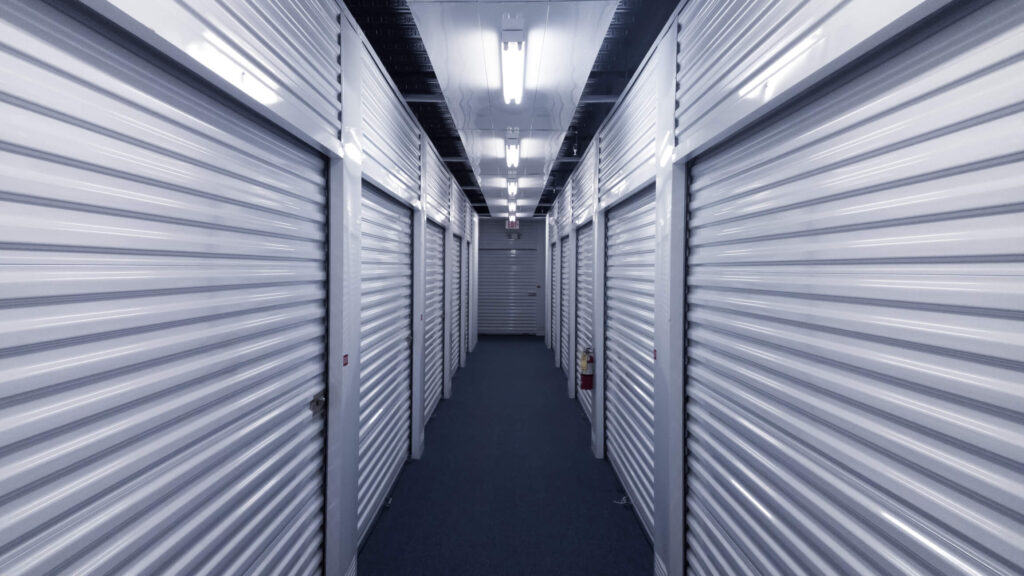
Security Features to Look for in a Storage Facility

When choosing a storage facility, security should be a top priority. Ensuring that your belongings are safe and protected from theft, damage, and unauthorized access is crucial. Here’s an in-depth look at the essential security features to look for in a storage facility:

1. Surveillance Cameras

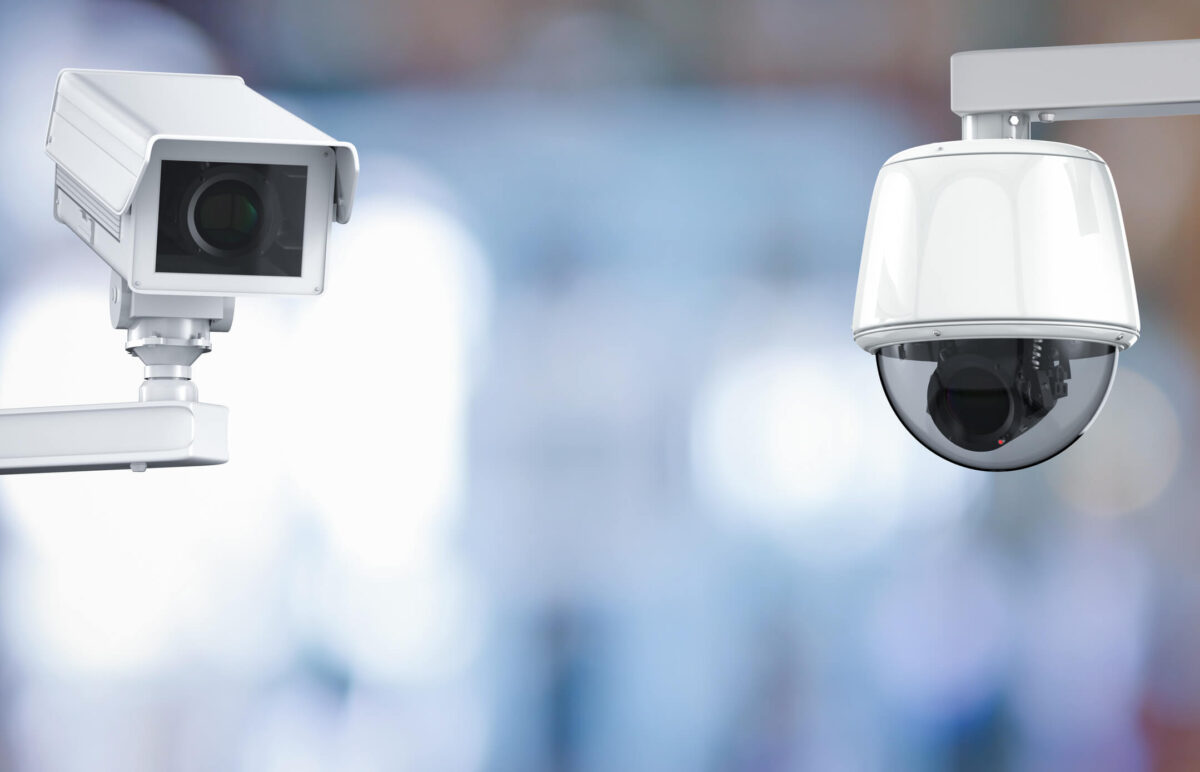
Surveillance cameras are pivotal for ensuring the security of a storage facility. They act as a deterrent to potential thieves and serve as crucial evidence in the event of an incident.

  • 24/7 Monitoring – It’s essential that the facility offers continuous surveillance, ensuring all activities are monitored around the clock. This constant oversight helps detect any suspicious behavior promptly.
  • High-Resolution Cameras – Opt for facilities equipped with high-definition security cameras that deliver clear and detailed images. This quality ensures that any recorded footage is of sufficient clarity for identifying individuals and actions.
  • Wide Coverage – Cameras should be strategically positioned to cover all critical areas, including entrances, exits, and common areas. Comprehensive coverage minimizes blind spots, enhancing overall security and providing comprehensive surveillance of the entire facility.

2. Access Control Systems

Access control systems are crucial for regulating who can enter the facility and individual storage units, ensuring a high level of security.

  • Electronic Gates – Facilities with electronic gates that need a specific admission code or key card have considerably increased security. This mechanism ensures that only authorized personnel can enter the premises.
  • Individual Unit Alarms – Some storage facilities offer units with individual alarms that activate if unauthorized access is attempted. These alarms provide an additional layer of protection for your belongings.
  • Biometric Access – Advanced storage facilities may implement biometric access systems, such as fingerprint or retina scanners, for even greater security. These systems provide precise and highly secure access control, ensuring that only the unit’s owner or authorized personnel can gain entry.

3. Perimeter Fencing

A strong, well-maintained perimeter fence acts as the first line of defense against intruders. Here are key aspects to consider:

  • Height and Material –The fence should be tall and constructed from durable materials such as steel or reinforced concrete. These features make it difficult for intruders to climb or break through.
  • Barbed Wire or Electric Fencing – Adding barbed wire or electric fencing on top of the perimeter fence provides an additional layer of deterrence. These features can further discourage unauthorized entry by increasing the physical difficulty and potential consequences of attempting to breach the perimeter.

4. Lighting

Adequate lighting is crucial for both security and safety in a storage facility. Proper lighting not only deters potential intruders but also ensures a safe environment for users accessing their units during the evening or nighttime. Here are two essential lighting features to look for:

  • Motion-Activated Lights – Motion-activated lights are an effective security feature that can startle potential intruders and draw attention to unusual activity. These lights turn on when they detect movement, providing an immediate alert to both security personnel and anyone nearby. This sudden illumination can deter criminal activity and enhance overall security.
  • Well-Lit Areas – Ensure that all parts of the facility, including driveways, walkways, and individual unit doors, are well-lit at all times. Consistent and adequate lighting in these areas increases visibility, helping to prevent accidents and making it easier to spot any suspicious behavior. Well-lit surroundings contribute significantly to the overall safety and security of the storage facility.

5. On-Site Management

Having on-site management or security personnel at a storage facility is crucial for maintaining high security standards. Here’s how they contribute to the overall safety of the premises:

  • Regular Patrols – On-site staff should conduct regular security patrols to monitor the facility. These patrols involve checking for any unusual activity, ensuring a secure facility, and verifying that security systems are functioning correctly. Regular patrols act as a deterrent to potential intruders and help identify any issues before they escalate.
  • Immediate Response – In the event of a security breach or emergency, having personnel on-site allows for a swift response. Whether it’s addressing an attempted break-in, handling a fire, or managing any other unexpected situations, immediate intervention can prevent further damage and ensure the safety of stored items. On-site staff can also coordinate with law enforcement or emergency services if needed.

Overall, on-site management significantly enhances the security of a storage facility by providing continuous oversight and the ability to respond quickly to any threats.

6. Security Guards

For added protection, some high-end self-storage facilities employ security guards to monitor and secure the premises.

  • Trained Professionals – Security guards should be professionally trained to handle various security scenarios, ensuring they can effectively respond to potential threats. They are often equipped with the knowledge and tools necessary to manage emergencies, conduct regular patrols, and enforce facility rules.
  • 24/7 Presence – The continuous presence of security personnel provides constant vigilance, significantly enhancing the overall security of the self storage facility. Around-the-clock surveillance by trained guards means there is always someone on-site to deter criminal activity and address any security issues immediately.

Security Features to Look for in a Storage Facility

7. Secure Locks

The locks used on storage units are a critical component of security. Here are some types to consider for enhanced protection:

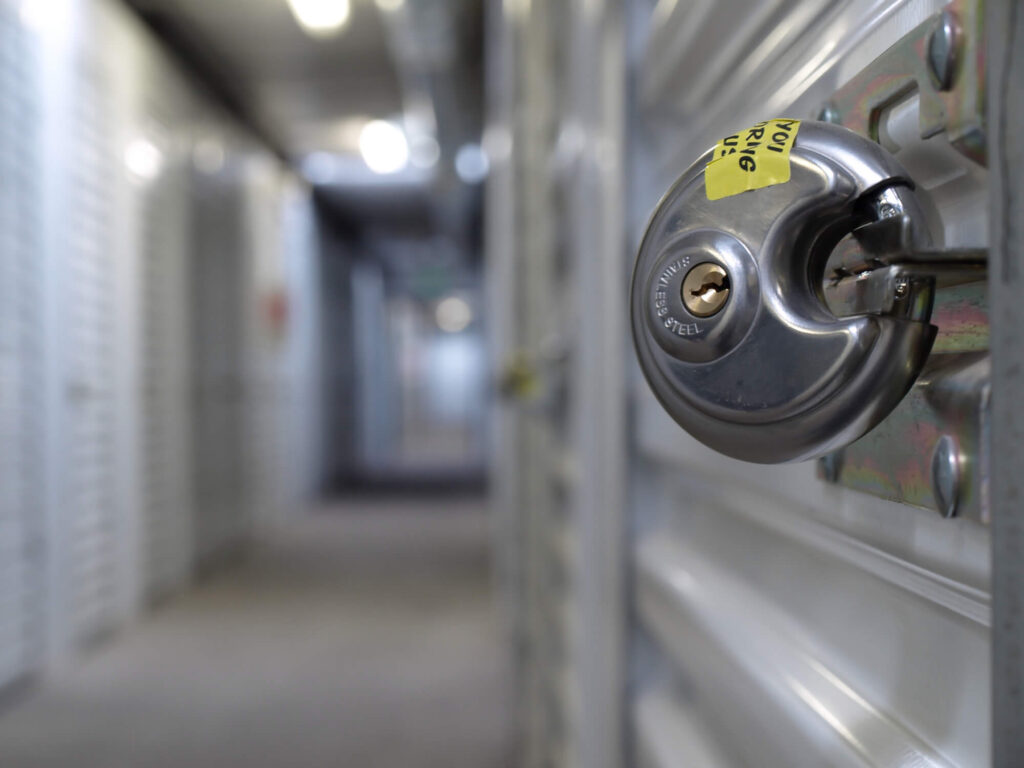
  • Disc Locks or Cylinder Locks – These locks are more secure than standard padlocks. Their design makes them resistant to tampering, cutting, and picking, offering an additional layer of security for your storage unit.
  • High-Security Locks – Some facilities offer high-security locks, which are specifically designed to be more difficult for thieves to bypass. These locks often feature advanced mechanisms that provide superior protection against lock-picking and forced entry, ensuring your belongings remain safe.

8. Insurance Options

While not a direct security feature, insurance options offered by a storage facility can provide significant peace of mind, ensuring your belongings are protected against various risks.

  • Coverage for Theft and Damage – Ensure the facility offers insurance options that cover theft, vandalism, and natural disasters. This coverage can help you recover the value of your items in case of unforeseen events.
  • Third-Party Insurance – Some facilities may partner with third-party insurers to provide comprehensive coverage. These partnerships can offer more extensive insurance plans, tailored to meet specific needs, providing an additional layer of security for your stored items.

9. Fire and Smoke Alarms

Protection against fire is a crucial component of storage security, ensuring the safety of your stored items from fire hazards. Here are two essential features to look for:

  • Fire Alarms – A modern fire alarm system is vital for any storage facility. These systems should be capable of quickly detecting the presence of fire and alerting both the facility’s occupants and the local fire department. An efficient fire alarm system ensures a rapid response, minimizing potential damage and enhancing the safety of stored items.
  • Smoke Detectors – Smoke detectors are another critical feature. They should be installed in every storage unit and common area. Smoke detectors can identify the presence of smoke at an early stage, providing an early warning and allowing for prompt action to prevent the fire from spreading. This early detection is crucial in protecting your belongings from extensive damage.

By ensuring that a storage facility is equipped with both fire alarms and smoke detectors, you can significantly reduce the risk of fire damage and safeguard your possessions.

10. Climate Control

Climate control in a storage facility serves not only to maintain the condition of stored items but also plays a critical role in enhancing security. Here’s how:

  • Humidity Control – By regulating humidity levels, climate control prevents the growth of mold and mildew. These contaminants not only compromise the structural integrity of storage units but also pose risks to stored items, such as documents, furniture, and electronics.
  • Temperature Regulation – Maintaining stable temperatures protects items from extremes that can cause damage. For instance, fluctuating temperatures can warp wood, melt certain plastics, or degrade sensitive materials like photographs and electronics components.

In essence, while climate control is primarily about preserving the physical condition of stored goods, it indirectly reinforces security by safeguarding items against environmental threats that could lead to costly damages or loss. When choosing a storage facility, opting for climate-controlled storage units ensures your belongings remain secure and well-preserved over time.

Conclusion

When selecting a self-storage facility, it’s essential to prioritize those equipped with robust security measures. Look for facilities that offer a comprehensive array of safeguards including video surveillance, gate access with keypad codes, secure premises with strong perimeter fencing, well-lit areas, on-site management, security guards, reliable locks for storage units, insurance options, and fire suppression systems.

These factors collectively create multiple layers of protection, ensuring the safety and security of your valuables. Choosing a storage facility that integrates these features provides peace of mind, knowing your belongings are stored in a secure environment.

Frequently Asked Questions (FAQs)

Here are some FAQs about security features to look for in a storage facility:

Q. Should I prioritize storage facilities with alarm systems?

Yes, prioritizing storage facilities with alarm systems is crucial for enhancing security. Alarm systems act as a deterrent to potential thieves and alert both facility management and authorities in case of unauthorized access or suspicious activity, ensuring a swift response to potential threats. This added layer of security helps protect your belongings and provides peace of mind while they are stored.

Q. Are there any fire prevention measures I should consider when choosing a storage facility?

Yes, when selecting a storage facility, inquire about their fire prevention measures, including modern fire alarm systems and smoke detectors in both units and common areas. Ensure they have protocols for regular maintenance and inspections of these systems to mitigate fire risks effectively. Additionally, facilities offering climate-controlled units can further reduce fire hazards by regulating temperature and humidity levels.

Secure Your Belongings At McDowell Mountain Community Storage Today!

When selecting a storage facility, it’s crucial to prioritize “Security Features to Look for in a Storage Facility” to guarantee the safety of your belongings. At McDowell Mountain Community Storage in Scottsdale, Arizona, we go above and beyond to prioritize your peace of mind. Our facility is outfitted with cutting-edge surveillance systems that run around the clock, assuring continuous monitoring and prevention of any suspicious activity.

Advanced electronic access control systems allow only authorized personnel to enter the premises, providing an additional degree of security. Our robust perimeter fencing serves as a formidable barrier, while our dedicated 24/7 on-site management team is always ready to respond to any concerns. Whether you’re storing personal items, business inventory, or valuable assets, our comprehensive security measures provide the unparalleled protection you need.

Contact us today and discover why McDowell Mountain Community Storage is the trusted choice for secure storage solutions in Scottsdale, AZ!

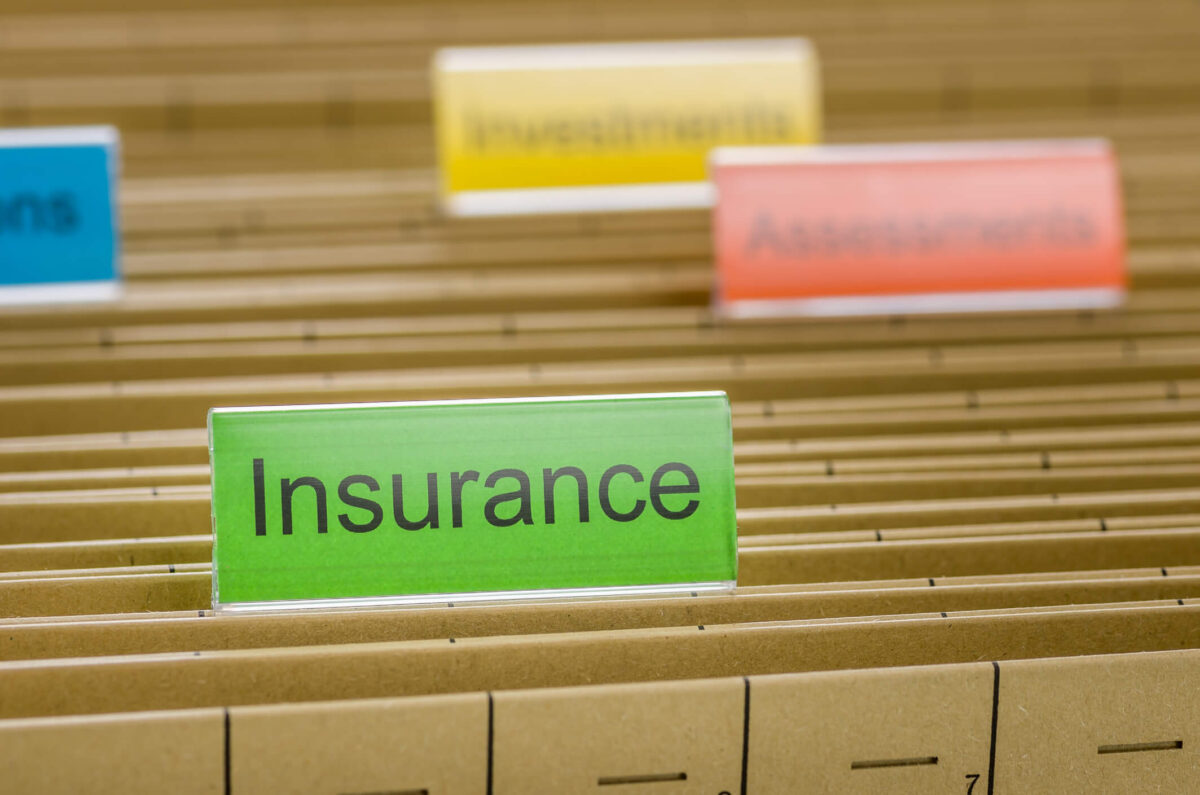
Do I Need Insurance for My Storage Unit?

Are you considering renting a storage unit to store your belongings? Whether you’re downsizing, decluttering, or transitioning between homes, renting a storage unit can be a convenient solution. However, one question that often arises is whether you need insurance for your storage unit. In this blog post, we’ll explore the question, “Do I need insurance for my storage unit?” and why it’s essential to protect your belongings.

Understanding the Risks

Storage units are susceptible to potential hazards, ranging from malicious acts of theft to the devastating consequences of fire, water damage, and the wrath of natural disasters. Despite the diligent efforts of storage facility management to bolster security measures and safeguard against such perils, the unpredictability of accidents and unforeseen events looms ominously. With self-storage facilities becoming increasingly popular for individuals and businesses alike, whether insurance is necessary to protect one’s belongings stored in these spaces remains a pressing concern.

The absence of insurance coverage leaves individuals perilously exposed to substantial financial ramifications in the event of damage, theft, or complete destruction of their stored possessions. In essence, insurance serves as a crucial shield, offering a vital layer of protection against the inherent vulnerabilities inherent in storing belongings outside the confines of one’s home.

Facility Insurance vs. Personal Insurance

Facility insurance and personal insurance serve distinct purposes when it comes to protecting your belongings stored in a storage unit.

1. Facility Insurance – This is often offered by the storage facility as part of the rental agreement or as an add-on service, primarily covers the facility’s liability. This means it protects the storage facility in cases where they might be held responsible for damage or loss that occurs on their premises. While it may offer some coverage for your stored belongings, it tends to be limited and may not fully protect the total value of your items. Additionally, the terms and coverage limits of facility insurance can vary, so it’s essential to review the policy carefully to understand what is covered and any limitations that may apply.

2. Personal Insurance – Personal insurance such as homeowners insurance or renters insurance, provides broader coverage for your belongings, both on and off your property. These policies typically include coverage for items stored in a storage unit, offering more comprehensive protection against a wider range of risks, including theft, fire, water damage, and natural disasters. Personal insurance policies also tend to have higher coverage limits and may offer additional benefits, such as liability coverage and coverage for temporary living expenses in case of a disaster.

While facility insurance may offer some level of protection for your stored belongings, it’s often limited and may not fully meet your needs. Personal insurance, on the other hand, provides more comprehensive coverage and greater peace of mind, ensuring that your belongings are adequately protected, both at home and in storage.

Do I Need Insurance for My Storage Unit In Scottsdale, Arizona

Benefits of Having Insurance

Having insurance for your storage unit goes beyond just a sense of security; it offers tangible benefits that can make a significant difference when the unexpected occurs. Let’s delve into some key advantages:

1. Financial Protection – If your belongings are stolen, damaged, or lost, insurance steps in to help cover the costs of replacing or repairing them. This saves you from having to bear significant expenses out of your own pocket.

2. Coverage Flexibility – Personal insurance policies aren’t one-size-fits-all. They often come with options to customize your coverage according to your specific needs and the value of your stored items. This flexibility ensures that you’re not paying for coverage you don’t need while ensuring that your most valuable possessions are adequately protected.

3. Additional Coverage – Ever worried about those high-value items, antiques, or collectibles you’ve stashed away? Personal insurance policies have your back. They can extend coverage to items that might not be covered by facility-provided insurance, offering you peace of mind knowing that your prized possessions are safeguarded.

4. Continued Coverage – Already have renters’ or homeowners’ insurance? Extending coverage to your storage unit is often a seamless process. This means your belongings remain protected under the umbrella of your existing policy, ensuring uninterrupted coverage without any hassle.

Having insurance for your storage unit isn’t just a precautionary measure; it’s a practical investment that provides invaluable protection and peace of mind for your treasured belongings.

Considerations When Choosing Insurance

When you’re in the process of choosing insurance for your storage unit, there are several crucial factors to consider ensuring you have the right coverage in place:

1. Coverage Limits

Before finalizing any insurance policy, it’s vital to assess whether the coverage limits offered are sufficient to protect the total value of your stored belongings. Take an inventory of all the items you plan to store and estimate their collective value. Ensure that the policy’s coverage limits align with this valuation to avoid being underinsured in the event of a claim.

2. Deductibles

Understanding the deductible amount is essential, as it directly impacts the financial responsibility you bear in the event of a claim. A deductible is the amount you must pay out of pocket before your insurance coverage kicks in. While policies with higher deductibles often come with lower premiums, consider your financial situation and risk tolerance when choosing a deductible amount. Opting for a higher deductible can lower your premium but may result in higher out-of-pocket expenses in the event of a claim.

3. Exclusions

Carefully review the policy’s exclusions and limitations to ensure that it provides coverage for the specific types of damage or loss you’re concerned about. Common exclusions may include damage due to neglect, gradual wear and tear, vermin infestation, or certain types of natural disasters. If there are specific risks you want coverage for, ensure that they are not excluded from the policy or consider purchasing additional coverage if necessary.

4. Documentation

Maintaining accurate documentation of your stored items is crucial for filing insurance claims effectively. Keep an inventory of all items stored in your unit, including descriptions, serial numbers (if applicable), and their estimated value. Additionally, retain supporting documentation such as receipts, appraisals, or photographs of valuable items. This documentation serves as evidence of ownership and helps substantiate the value of your belongings in the event of a claim.

By carefully considering these factors when selecting insurance for your storage unit, you can ensure that you have adequate coverage in place to protect your belongings and mitigate financial risk effectively. It’s essential to review your insurance needs periodically and update your coverage as necessary to reflect any changes in the value or contents of your storage unit.

Do I Need Insurance for My Storage Unit In Scottsdale, AZ

Conclusion

Investing in insurance for your storage unit may appear to add to your costs, but it’s a prudent decision that can shield you from potential financial setbacks and offer invaluable reassurance. Whether you decide on storage unit insurance provided by the facility or opt to include coverage within your existing renter or homeowner insurance policy, ensuring the security of your stored belongings is paramount. It’s worth taking the time to carefully assess your options, thoroughly comprehend the terms outlined in the insurance contract, and select the appropriate coverage tailored to your requirements. By taking these proactive steps, you can relish the convenience of utilizing a storage unit while having confidence in the protection and safety of your possessions.

FAQs

Here are some frequently asked questions about “Insurance for My Storage Unit”:

Q. What are the risks of not having insurance for my storage unit?

The risks of not having insurance for your storage unit include financial loss in the event of theft, damage, or destruction of your belongings due to factors like fire, water damage, or natural disasters. Without insurance, you would be solely responsible for replacing or repairing your items, potentially facing significant expenses.

Q. Are there any legal requirements for storage unit insurance?

The legal requirements for storage unit insurance can vary depending on your location and the specific regulations in place. In some areas, storage facilities may require tenants to have insurance coverage as part of their rental agreement. However, there may not be a universal legal mandate for storage unit insurance in all jurisdictions. It’s essential to check with your storage facility and local authorities to understand any legal requirements or recommendations regarding insurance coverage for Storage units.

Q. What types of events or damages does storage unit insurance cover?

Storage unit insurance typically covers a range of events or damages, including theft, fire, water damage, vandalism, and natural disasters. It provides financial protection in case your belongings are damaged, stolen, or destroyed while stored in a storage unit.

Q. How much does storage unit insurance typically cost?

The cost of storage unit insurance can vary depending on factors such as the coverage amount, deductible, and location of the storage facility. On average, storage unit insurance premiums can range from $10 to $50 per month. It’s essential to review different insurance options and consider factors like coverage limits and exclusions to determine the best value for your needs.

Q. Can I use my homeowner’s or renter’s insurance for my storage unit?

Yes, you can typically use your homeowner’s or renter’s insurance to cover your storage unit. Many policies extend coverage to items stored off-site, including in a storage unit. However, it’s essential to review your policy to confirm coverage limits, exclusions, and any additional requirements for insuring your storage unit.

Reserve Your Self Storage Unit Today!

At McDowell Mountain Community Storage, we understand the importance of addressing the question, “Do I Need Insurance for My Storage Unit?” We take pride in providing comprehensive solutions to ensure the safety and security of your belongings. Our climate-controlled storage units are meticulously maintained to safeguard your items from environmental fluctuations. Whether you’re storing household furniture, seasonal gear, or valuable possessions, rest assured that our storage facilities offer a secure environment for your belongings.

Contact us today at (602) 899-5484 to reserve your unit and gain peace of mind knowing that your items are in trusted hands!

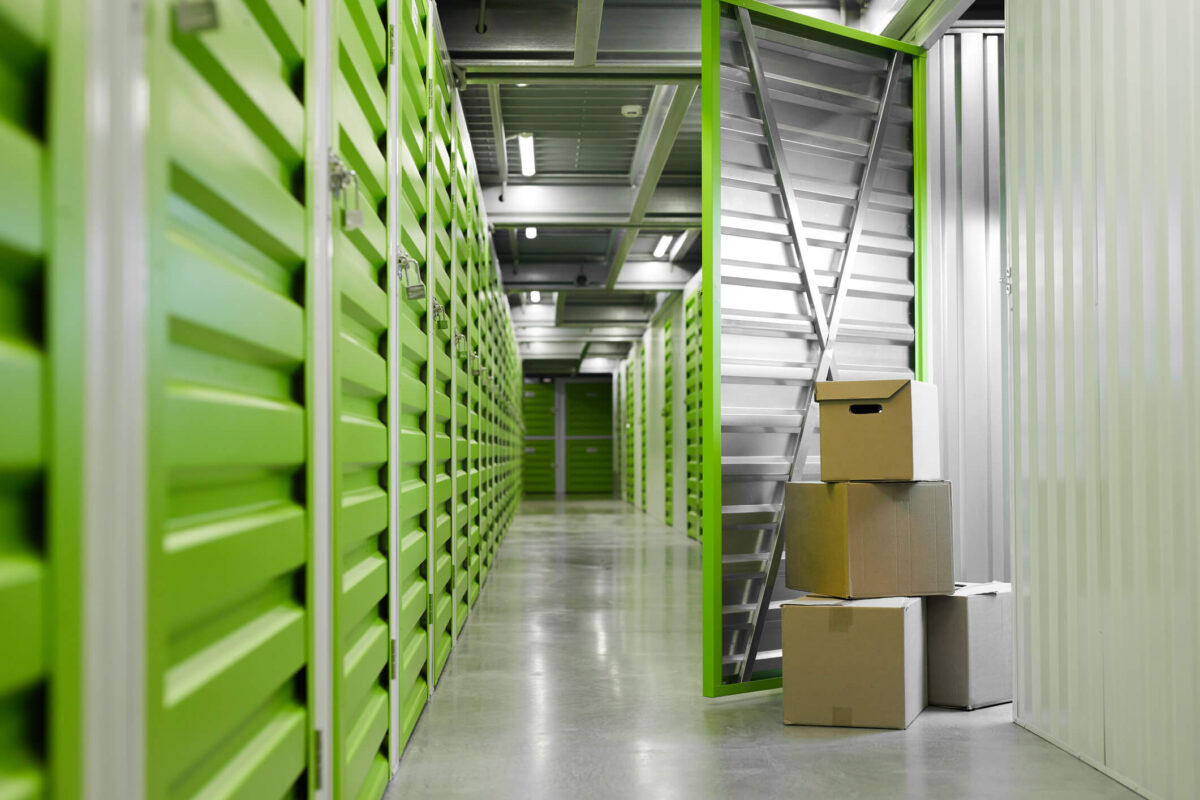
What Are the Most Overlooked Self Storage Risks?

Self-storage has become an indispensable solution for individuals and businesses alike. Whether you’re downsizing, decluttering, or safeguarding business records, renting a storage unit offers unparalleled convenience. But while it’s easy to focus on finding a location with adequate space, many renters overlook critical risks such as deterioration, a potential break-in, or the loss of stored items. Failing to choose the correct option or share important information with someone knowledgeable can lead to complications. Additionally, relying on others without thoroughly vetting the storage units may result in unforeseen challenges.

At McDowell Mountain Community Storage, proactive planning and informed decision-making are the keys to mitigating these often-overlooked risks. Below, we dive deep into the factors you should consider to keep your valuables safe, secure, and well-maintained.

What Are the Most Overlooked Self Storage Risks In Scottsdale

The Most Overlooked Self-Storage Risks

1. Humidity and Climate Control

One of the most significant threats to stored belongings is excessive humidity. It can cause irreversible damage to sensitive items, such as furniture, electronics, documents, and clothing. Without proper climate control, you might find yourself dealing with issues like:

  • Mold growth, which can destroy fabrics, paper, and wood.
  • Condensation leads to rust on metal items.
  • Infestation of pests, including insects, is attracted to damp environments.

Always check if the company offers robust climate-control options when choosing a self storage units. Investing a small amount of money upfront in a well-regulated self storage unit can save you significant losses later. Pay attention to details such as the lock quality and ventilation, as these can be a critical line of defense against danger caused by moisture and pests.

Additionally, the number of facilities providing adequate climate control is limited, so finding the right way to compare companies is essential. Make sure to settle for something adequate, as the long-term risks to your stored belongings in poorly managed self-storage units are considerable, especially in regions with fluctuating weather conditions.

2. Security Risks

While most storage facilities advertise their security features, not all offer the same level of protection. Overlooked vulnerabilities include:

  • Outdated locks: Basic padlocks often need to be improved against modern tools.
  • Limited surveillance systems: Ensure the facility has 24/7 camera coverage.
  • Inadequate lighting: Poorly lit areas invite theft and unauthorized access.

Neglecting regulations and ignoring humidity levels can also exacerbate security-related problems, leaving the contents of your self storage unit vulnerable to theft or damage, ultimately jeopardizing the trust and satisfaction of customers who rely on these facilities for the safekeeping of their valuable belongings. storage units vulnerable to damage or loss. For instance, an event like a power outage could compromise security systems, while insufficient oversight from employees may delay response times.

As a tenant, you should also evaluate how well the facility safeguards everything within its premises. Whether you’re storing sentimental stuff or valuable contents, ensuring proper regulation can prevent problems before they arise.

At McDowell Mountain Community Storage, we utilize cutting-edge security systems, robust locks, and dedicated on-site staff to minimize risks. For some, these measures might seem like extras, but they are essential for maintaining peace of mind.

3. Pest Infestations

Another overlooked risk is the potential for pest and insect infestations. Termites, mice, and other critters can cause severe damage to boxes, furniture, and other stored goods. Warning signs include droppings, chewed packaging, or a musty odor. Mistakes in choosing a storage space without proper pest control can result in costly consequences. It’s important to remember that maintaining the integrity of your stored items is part of selecting a reliable facility.

While pests are a significant concern, they are not the only thing that can go wrong. Poor decisions regarding storage can lead to unexpected expenses. Ensuring the facility meets your specific requirements, including pest control and cleanliness, can help prevent these problems.

To combat infestations, ensure your storage facility has regular pest control measures. Additionally, consider these precautions:

  • Use sealed containers instead of cardboard boxes.
  • Avoid storing food or perishable items.
  • Inspect the unit’s cleanliness before moving in.

These decisions will reduce the risk of damage to your belongings and help maintain a safe storage environment.

4. Water Damage and Flooding

Water damage significantly threatens stored items, especially in facilities prone to leaks or flooding. The effects can be catastrophic, from warped wood to destroyed documents. The likelihood of water damage increases if the facility lacks proper maintenance, waterproofing, or drainage systems.

To mitigate this risk, follow these steps:

  • Elevate items using pallets or shelves to avoid contact with the floor.
  • Store sensitive belongings in waterproof containers.
  • Verify that the storage facility offers insurance coverage for water damage.

5. Fire Hazards

Many renters fail to consider the potential fire hazards in a storage unit. A single incident can destroy stored belongings. Key fire risks include:

  • Flammable materials are stored improperly.
  • Lack of smoke detectors or sprinkler systems in the facility.

A lack of proper security measures, such as a padlock that cannot withstand heat or flame, could increase the expense of recovering items after a fire.

To protect against fire risks, ask the facility about its compliance with safety regulations, fire-resistant building materials, and emergency procedures.

6. Neglecting Insurance Coverage

Many people assume the facility’s insurance automatically covers their facility’s expenses. Unfortunately, this is not always the case. You may face financial losses from theft, flooding, or other disasters without personal insurance.

Before signing a contract, clarify the facility and invest in additional coverage if necessary. Comprehensive insurance can provide peace of mind and protect your valuables from unforeseen circumstances.

7. Improper Packaging

Improper packaging is another common oversight. Poorly packed items are more susceptible to damage, especially during transit or when stacked inside a unit. Consider these tips for safe packing:

  • Use sturdy boxes and label them for easy identification.
  • Wrap fragile items in bubble wrap or foam.
  • Distribute weight evenly to avoid collapsed stacks.

8. Overloading the Unit

Overcrowding your storage unit may seem like a cost-saving measure, but it increases the risk of damage and makes retrieving items inconvenient. Avoid stacking items too high or blocking access to frequently used belongings. Proper organization protects your goods and saves time in the long run.

9. Ignoring Facility Maintenance

A poorly maintained facility can expose your belongings to pests, water leaks, and structural weaknesses. Look for a facility that prioritizes cleanliness and conducts regular inspections.

10. Misjudging the Cost

While the monthly rent for a self-storage unit might seem affordable, additional costs can add up quickly. When budgeting, consider insurance, climate-control fees, and security upgrades. Choose a facility that provides transparent pricing and no hidden fees.

What Are the Most Overlooked Self Storage Risks In Scottsdale, AZ

How to Choose the Right Self-Storage Facility

Key Features to Look For

When evaluating potential storage facilities, prioritize these essential features:

  1. Climate Control: Protect sensitive items from extreme temperatures and humidity.
  2. Security Measures: Ensure the facility has 24/7 surveillance, secure locks, and controlled access.
  3. Cleanliness: A well-maintained facility reduces the risk of pests and structural damage.
  4. Insurance Options: Confirm coverage for potential risks, including theft, fire, and water damage.

Questions to Ask Before Renting

  • What security systems are in place?
  • Are the units climate-controlled?
  • Does the facility provide pest control services?
  • What are the facilities on liability and insurance?
  • Are there restrictions on what can be stored?

How McDowell Mountain Community Storage Stands Out

At McDowell Mountain Community Storage, we go beyond essential storage solutions to ensure the safety and satisfaction of our customers. Here sets us apart:

  • Advanced Security: Our facility has state-of-the-art security systems, including motion-detecting cameras and keypad access.
  • Climate-Controlled Units: We offer temperature-regulated spaces to protect against humidity and extreme temperatures.
  • Expert Staff: Our experienced team is always available to answer questions and assist with storage tips.
  • Transparent Pricing: No hidden fees or surprises—just straightforward, affordable services.

Tips for Maintaining a Secure and Organized Storage Unit

Stay Organized

  • Create an inventory list of all stored items.
  • Label boxes clearly and keep frequently used items near the front.

Protect Valuables

  • Use high-quality locks for additional security.
  • Store sensitive documents and valuables in waterproof and fireproof containers.

Regularly Check Your Unit

  • Inspect your unit periodically for signs of damage, infestation, or other issues.
  • Report any concerns to the facility immediately.

The Final Word: Prioritize Safety and Security

Renting a self-storage unit is more than just finding a convenient space. By addressing overlooked risks—from humidity and pests to theft and fire—you can ensure the safety and longevity of your stored belongings.

At McDowell Mountain Community Storage, we’re committed to providing secure, reliable, and cost-effective storage solutions. Whether you have personal items or important business records, trust us to keep your valuables safe.

Take the first step towards a better storage experience. Contact McDowell Mountain Community Storage today to reserve your unit or learn more about our comprehensive services.

Frequently Asked Questions

1. What are the most common risks to consider when renting a self-storage unit?

The most common risks include humidity damage, security vulnerabilities, pest infestations, water damage, fire hazards, and improper packaging. These factors can compromise your belongings’ safety, so choosing a facility with proper safeguards is essential.

2. How can humidity affect the items in my storage unit?

Excessive humidity can lead to mold growth, rusting of metal items, and damage to fabrics, paper, and wood. Choosing a climate-controlled unit helps to prevent these issues, especially for sensitive items like electronics, furniture, and business records.

3. What security features should I look for in a self-storage facility?

Look for 24/7 surveillance systems, secure locks, and controlled access. It’s also essential to ensure the facility has adequate lighting and well-maintained fences and gates to prevent unauthorized access and theft.

4. How can I protect my stored belongings from pests and insects?

To avoid infestations, choose a facility that offers regular pest control services. Use sealed containers, avoid storing food or perishable items, and inspect your unit for cleanliness before moving in.

5. What should I do to prevent water damage in my storage unit?

Elevate your items off the floor using pallets or shelves, use waterproof containers for sensitive belongings, and ensure the facility has proper waterproofing and drainage systems. You can also inquire about insurance coverage for water damage.

6. Why is fire safety important when renting a storage unit?

Fire hazards can completely destroy your stored items. It is crucial to ensure the facility has fire-resistant materials, smoke detectors, and sprinkler systems. You should also check the quality of locks, as inadequate locks can increase the damage in case of a fire.

7. Do I need additional insurance for my stored items?

While some facilities offer basic insurance, it’s essential to check for sufficient coverage. Consider purchasing additional insurance to cover theft, water damage, fire, or any other unforeseen issues affecting your belongings.

8. What are the risks of improper packaging in a storage unit?

Poor packaging can lead to damage, especially for fragile items. It’s important to use sturdy boxes, wrap fragile items in bubble wrap, and ensure evenly distributed weight to prevent collapse or breakage during storage or transportation.

9. How do I choose a suitable self-storage unit for my needs?

Consider the size of the unit, security measures, climate control options, cleanliness, and insurance offerings. Ensure the facility meets your specific requirements and ask about pest control, maintenance, and additional fees.

10. What steps can I take to maintain a secure and organized storage unit?

Create an inventory list of your stored items, label boxes clearly, and keep frequently used items near the front. Regularly inspect your unit for any damage or pest issues, and immediately report any concerns to the facility.