Do I Need Insurance for My Storage Unit?

Are you considering renting a storage unit to store your belongings? Whether you’re downsizing, decluttering, or transitioning between homes, renting a storage unit can be a convenient solution. However, one question that often arises is whether you need insurance for your storage unit. In this blog post, we’ll explore the question, “Do I need insurance for my storage unit?” and why it’s essential to protect your belongings.

Understanding the Risks

Storage units are susceptible to potential hazards, ranging from malicious acts of theft to the devastating consequences of fire, water damage, and the wrath of natural disasters. Despite the diligent efforts of storage facility management to bolster security measures and safeguard against such perils, the unpredictability of accidents and unforeseen events looms ominously. With self-storage facilities becoming increasingly popular for individuals and businesses alike, whether insurance is necessary to protect one’s belongings stored in these spaces remains a pressing concern.

The absence of insurance coverage leaves individuals perilously exposed to substantial financial ramifications in the event of damage, theft, or complete destruction of their stored possessions. In essence, insurance serves as a crucial shield, offering a vital layer of protection against the inherent vulnerabilities inherent in storing belongings outside the confines of one’s home.

Facility Insurance vs. Personal Insurance

Facility insurance and personal insurance serve distinct purposes when it comes to protecting your belongings stored in a storage unit.

1. Facility Insurance – This is often offered by the storage facility as part of the rental agreement or as an add-on service, primarily covers the facility’s liability. This means it protects the storage facility in cases where they might be held responsible for damage or loss that occurs on their premises. While it may offer some coverage for your stored belongings, it tends to be limited and may not fully protect the total value of your items. Additionally, the terms and coverage limits of facility insurance can vary, so it’s essential to review the policy carefully to understand what is covered and any limitations that may apply.

2. Personal Insurance – Personal insurance such as homeowners insurance or renters insurance, provides broader coverage for your belongings, both on and off your property. These policies typically include coverage for items stored in a storage unit, offering more comprehensive protection against a wider range of risks, including theft, fire, water damage, and natural disasters. Personal insurance policies also tend to have higher coverage limits and may offer additional benefits, such as liability coverage and coverage for temporary living expenses in case of a disaster.

While facility insurance may offer some level of protection for your stored belongings, it’s often limited and may not fully meet your needs. Personal insurance, on the other hand, provides more comprehensive coverage and greater peace of mind, ensuring that your belongings are adequately protected, both at home and in storage.
Do I Need Insurance for My Storage Unit In Scottsdale, Arizona

Benefits of Having Insurance

Having insurance for your storage unit goes beyond just a sense of security; it offers tangible benefits that can make a significant difference when the unexpected occurs. Let’s delve into some key advantages:

1. Financial Protection – If your belongings are stolen, damaged, or lost, insurance steps in to help cover the costs of replacing or repairing them. This saves you from having to bear significant expenses out of your own pocket.

2. Coverage Flexibility – Personal insurance policies aren’t one-size-fits-all. They often come with options to customize your coverage according to your specific needs and the value of your stored items. This flexibility ensures that you’re not paying for coverage you don’t need while ensuring that your most valuable possessions are adequately protected.

3. Additional Coverage – Ever worried about those high-value items, antiques, or collectibles you’ve stashed away? Personal insurance policies have your back. They can extend coverage to items that might not be covered by facility-provided insurance, offering you peace of mind knowing that your prized possessions are safeguarded.

4. Continued Coverage – Already have renters’ or homeowners’ insurance? Extending coverage to your storage unit is often a seamless process. This means your belongings remain protected under the umbrella of your existing policy, ensuring uninterrupted coverage without any hassle.

Having insurance for your storage unit isn’t just a precautionary measure; it’s a practical investment that provides invaluable protection and peace of mind for your treasured belongings.

Considerations When Choosing Insurance

When you’re in the process of choosing insurance for your storage unit, there are several crucial factors to consider ensuring you have the right coverage in place:

1. Coverage Limits

Before finalizing any insurance policy, it’s vital to assess whether the coverage limits offered are sufficient to protect the total value of your stored belongings. Take an inventory of all the items you plan to store and estimate their collective value. Ensure that the policy’s coverage limits align with this valuation to avoid being underinsured in the event of a claim.

2. Deductibles

Understanding the deductible amount is essential, as it directly impacts the financial responsibility you bear in the event of a claim. A deductible is the amount you must pay out of pocket before your insurance coverage kicks in. While policies with higher deductibles often come with lower premiums, consider your financial situation and risk tolerance when choosing a deductible amount. Opting for a higher deductible can lower your premium but may result in higher out-of-pocket expenses in the event of a claim.

3. Exclusions

Carefully review the policy’s exclusions and limitations to ensure that it provides coverage for the specific types of damage or loss you’re concerned about. Common exclusions may include damage due to neglect, gradual wear and tear, vermin infestation, or certain types of natural disasters. If there are specific risks you want coverage for, ensure that they are not excluded from the policy or consider purchasing additional coverage if necessary.

4. Documentation

Maintaining accurate documentation of your stored items is crucial for filing insurance claims effectively. Keep an inventory of all items stored in your unit, including descriptions, serial numbers (if applicable), and their estimated value. Additionally, retain supporting documentation such as receipts, appraisals, or photographs of valuable items. This documentation serves as evidence of ownership and helps substantiate the value of your belongings in the event of a claim.

By carefully considering these factors when selecting insurance for your storage unit, you can ensure that you have adequate coverage in place to protect your belongings and mitigate financial risk effectively. It’s essential to review your insurance needs periodically and update your coverage as necessary to reflect any changes in the value or contents of your storage unit.
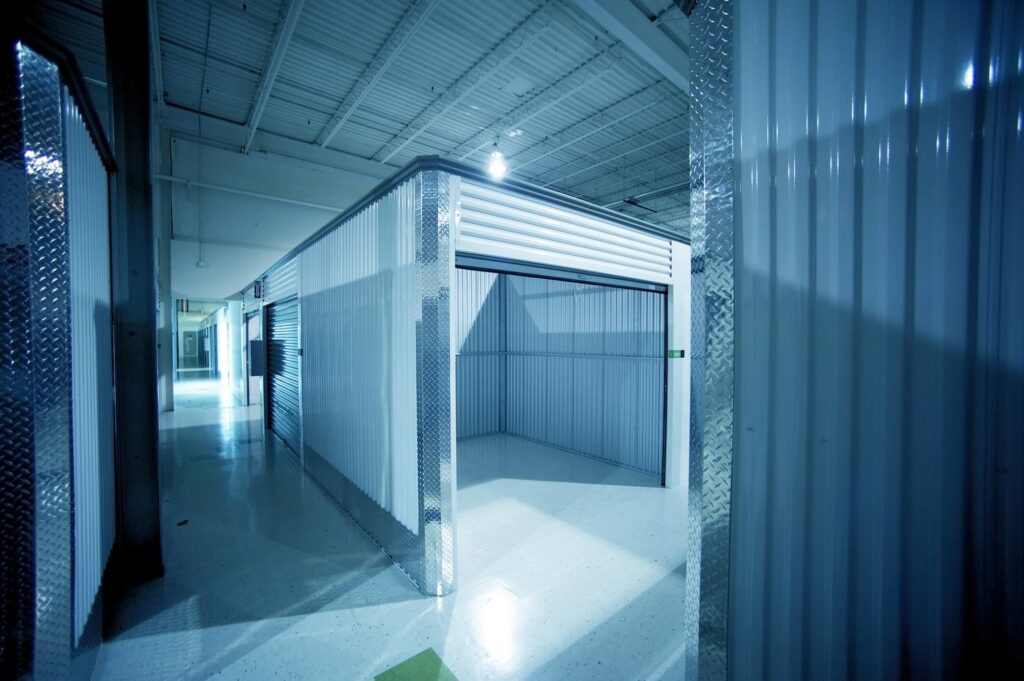
Do I Need Insurance for My Storage Unit In Scottsdale, AZ

Conclusion

Investing in insurance for your storage unit may appear to add to your costs, but it’s a prudent decision that can shield you from potential financial setbacks and offer invaluable reassurance. Whether you decide on storage unit insurance provided by the facility or opt to include coverage within your existing renter or homeowner insurance policy, ensuring the security of your stored belongings is paramount. It’s worth taking the time to carefully assess your options, thoroughly comprehend the terms outlined in the insurance contract, and select the appropriate coverage tailored to your requirements. By taking these proactive steps, you can relish the convenience of utilizing a storage unit while having confidence in the protection and safety of your possessions.

FAQs

Here are some frequently asked questions about “Insurance for My Storage Unit”:

Q. What are the risks of not having insurance for my storage unit?

The risks of not having insurance for your storage unit include financial loss in the event of theft, damage, or destruction of your belongings due to factors like fire, water damage, or natural disasters. Without insurance, you would be solely responsible for replacing or repairing your items, potentially facing significant expenses.

Q. Are there any legal requirements for storage unit insurance?

The legal requirements for storage unit insurance can vary depending on your location and the specific regulations in place. In some areas, storage facilities may require tenants to have insurance coverage as part of their rental agreement. However, there may not be a universal legal mandate for storage unit insurance in all jurisdictions. It’s essential to check with your storage facility and local authorities to understand any legal requirements or recommendations regarding insurance coverage for Storage units.

Q. What types of events or damages does storage unit insurance cover?

Storage unit insurance typically covers a range of events or damages, including theft, fire, water damage, vandalism, and natural disasters. It provides financial protection in case your belongings are damaged, stolen, or destroyed while stored in a storage unit.

Q. How much does storage unit insurance typically cost?

The cost of storage unit insurance can vary depending on factors such as the coverage amount, deductible, and location of the storage facility. On average, storage unit insurance premiums can range from $10 to $50 per month. It’s essential to review different insurance options and consider factors like coverage limits and exclusions to determine the best value for your needs.

Q. Can I use my homeowner’s or renter’s insurance for my storage unit?

Yes, you can typically use your homeowner’s or renter’s insurance to cover your storage unit. Many policies extend coverage to items stored off-site, including in a storage unit. However, it’s essential to review your policy to confirm coverage limits, exclusions, and any additional requirements for insuring your storage unit.

Reserve Your Self Storage Unit Today!

At McDowell Mountain Community Storage, we understand the importance of addressing the question, “Do I Need Insurance for My Storage Unit?” We take pride in providing comprehensive solutions to ensure the safety and security of your belongings. Our climate-controlled storage units are meticulously maintained to safeguard your items from environmental fluctuations. Whether you’re storing household furniture, seasonal gear, or valuable possessions, rest assured that our storage facilities offer a secure environment for your belongings.

Contact us today at (602) 899-5484 to reserve your unit and gain peace of mind knowing that your items are in trusted hands!
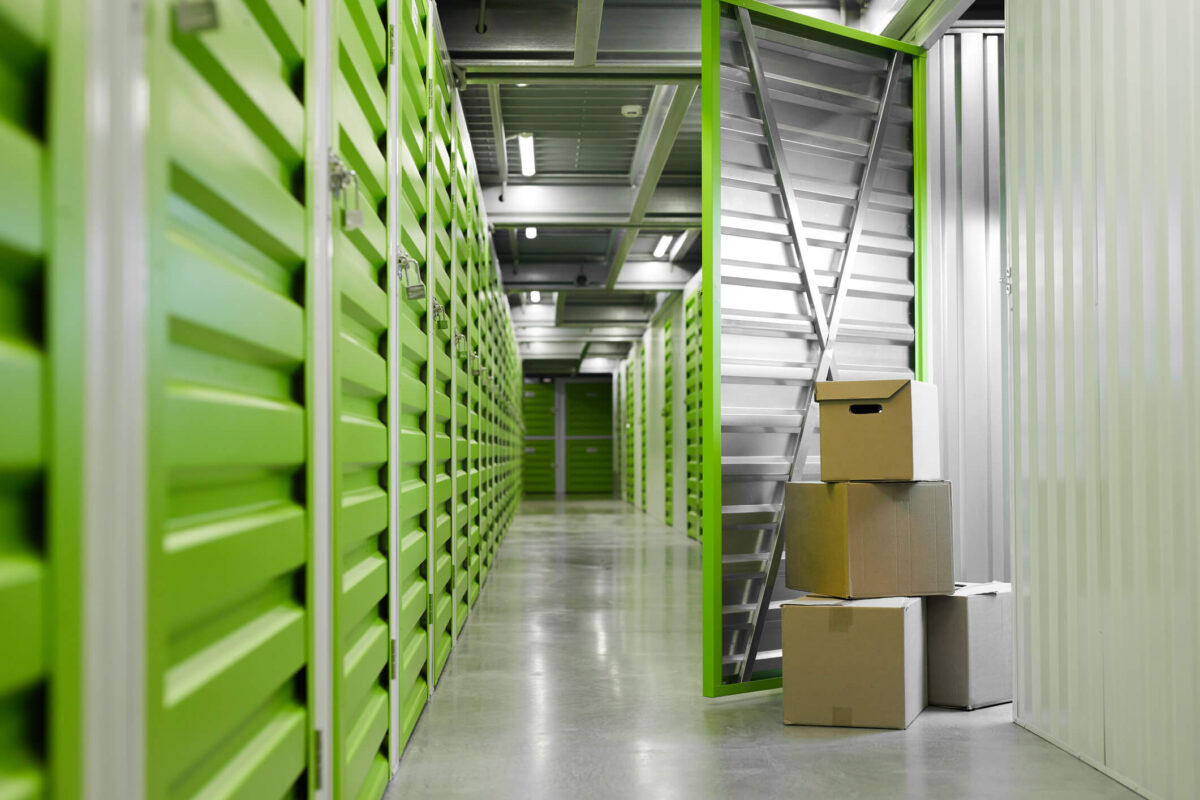
What Are the Most Overlooked Self Storage Risks?

Self-storage has become an indispensable solution for individuals and businesses alike. Whether you’re downsizing, decluttering, or safeguarding business records, renting a storage unit offers unparalleled convenience. But while it’s easy to focus on finding a location with adequate space, many renters overlook critical risks such as deterioration, a potential break-in, or the loss of stored items. Failing to choose the correct option or share important information with someone knowledgeable can lead to complications. Additionally, relying on others without thoroughly vetting the storage units may result in unforeseen challenges.

At McDowell Mountain Community Storage, proactive planning and informed decision-making are the keys to mitigating these often-overlooked risks. Below, we dive deep into the factors you should consider to keep your valuables safe, secure, and well-maintained.

What Are the Most Overlooked Self Storage Risks In Scottsdale

The Most Overlooked Self-Storage Risks

1. Humidity and Climate Control

One of the most significant threats to stored belongings is excessive humidity. It can cause irreversible damage to sensitive items, such as furniture, electronics, documents, and clothing. Without proper climate control, you might find yourself dealing with issues like:

  • Mold growth, which can destroy fabrics, paper, and wood.
  • Condensation leads to rust on metal items.
  • Infestation of pests, including insects, is attracted to damp environments.

Always check if the company offers robust climate-control options when choosing a self storage units. Investing a small amount of money upfront in a well-regulated self storage unit can save you significant losses later. Pay attention to details such as the lock quality and ventilation, as these can be a critical line of defense against danger caused by moisture and pests.

Additionally, the number of facilities providing adequate climate control is limited, so finding the right way to compare companies is essential. Make sure to settle for something adequate, as the long-term risks to your stored belongings in poorly managed self-storage units are considerable, especially in regions with fluctuating weather conditions.

2. Security Risks

While most storage facilities advertise their security features, not all offer the same level of protection. Overlooked vulnerabilities include:

  • Outdated locks: Basic padlocks often need to be improved against modern tools.
  • Limited surveillance systems: Ensure the facility has 24/7 camera coverage.
  • Inadequate lighting: Poorly lit areas invite theft and unauthorized access.

Neglecting regulations and ignoring humidity levels can also exacerbate security-related problems, leaving the contents of your self storage unit vulnerable to theft or damage, ultimately jeopardizing the trust and satisfaction of customers who rely on these facilities for the safekeeping of their valuable belongings. storage units vulnerable to damage or loss. For instance, an event like a power outage could compromise security systems, while insufficient oversight from employees may delay response times.

As a tenant, you should also evaluate how well the facility safeguards everything within its premises. Whether you’re storing sentimental stuff or valuable contents, ensuring proper regulation can prevent problems before they arise.

At McDowell Mountain Community Storage, we utilize cutting-edge security systems, robust locks, and dedicated on-site staff to minimize risks. For some, these measures might seem like extras, but they are essential for maintaining peace of mind.

3. Pest Infestations

Another overlooked risk is the potential for pest and insect infestations. Termites, mice, and other critters can cause severe damage to boxes, furniture, and other stored goods. Warning signs include droppings, chewed packaging, or a musty odor. Mistakes in choosing a storage space without proper pest control can result in costly consequences. It’s important to remember that maintaining the integrity of your stored items is part of selecting a reliable facility.

While pests are a significant concern, they are not the only thing that can go wrong. Poor decisions regarding storage can lead to unexpected expenses. Ensuring the facility meets your specific requirements, including pest control and cleanliness, can help prevent these problems.

To combat infestations, ensure your storage facility has regular pest control measures. Additionally, consider these precautions:

  • Use sealed containers instead of cardboard boxes.
  • Avoid storing food or perishable items.
  • Inspect the unit’s cleanliness before moving in.

These decisions will reduce the risk of damage to your belongings and help maintain a safe storage environment.

4. Water Damage and Flooding

Water damage significantly threatens stored items, especially in facilities prone to leaks or flooding. The effects can be catastrophic, from warped wood to destroyed documents. The likelihood of water damage increases if the facility lacks proper maintenance, waterproofing, or drainage systems.

To mitigate this risk, follow these steps:

  • Elevate items using pallets or shelves to avoid contact with the floor.
  • Store sensitive belongings in waterproof containers.
  • Verify that the storage facility offers insurance coverage for water damage.

5. Fire Hazards

Many renters fail to consider the potential fire hazards in a storage unit. A single incident can destroy stored belongings. Key fire risks include:

  • Flammable materials are stored improperly.
  • Lack of smoke detectors or sprinkler systems in the facility.

A lack of proper security measures, such as a padlock that cannot withstand heat or flame, could increase the expense of recovering items after a fire.

To protect against fire risks, ask the facility about its compliance with safety regulations, fire-resistant building materials, and emergency procedures.

6. Neglecting Insurance Coverage

Many people assume the facility’s insurance automatically covers their facility’s expenses. Unfortunately, this is not always the case. You may face financial losses from theft, flooding, or other disasters without personal insurance.

Before signing a contract, clarify the facility and invest in additional coverage if necessary. Comprehensive insurance can provide peace of mind and protect your valuables from unforeseen circumstances.

7. Improper Packaging

Improper packaging is another common oversight. Poorly packed items are more susceptible to damage, especially during transit or when stacked inside a unit. Consider these tips for safe packing:

  • Use sturdy boxes and label them for easy identification.
  • Wrap fragile items in bubble wrap or foam.
  • Distribute weight evenly to avoid collapsed stacks.

8. Overloading the Unit

Overcrowding your storage unit may seem like a cost-saving measure, but it increases the risk of damage and makes retrieving items inconvenient. Avoid stacking items too high or blocking access to frequently used belongings. Proper organization protects your goods and saves time in the long run.

9. Ignoring Facility Maintenance

A poorly maintained facility can expose your belongings to pests, water leaks, and structural weaknesses. Look for a facility that prioritizes cleanliness and conducts regular inspections.

10. Misjudging the Cost

While the monthly rent for a self-storage unit might seem affordable, additional costs can add up quickly. When budgeting, consider insurance, climate-control fees, and security upgrades. Choose a facility that provides transparent pricing and no hidden fees.

What Are the Most Overlooked Self Storage Risks In Scottsdale, AZ

How to Choose the Right Self-Storage Facility

Key Features to Look For

When evaluating potential storage facilities, prioritize these essential features:

  1. Climate Control: Protect sensitive items from extreme temperatures and humidity.
  2. Security Measures: Ensure the facility has 24/7 surveillance, secure locks, and controlled access.
  3. Cleanliness: A well-maintained facility reduces the risk of pests and structural damage.
  4. Insurance Options: Confirm coverage for potential risks, including theft, fire, and water damage.

Questions to Ask Before Renting

  • What security systems are in place?
  • Are the units climate-controlled?
  • Does the facility provide pest control services?
  • What are the facilities on liability and insurance?
  • Are there restrictions on what can be stored?

How McDowell Mountain Community Storage Stands Out

At McDowell Mountain Community Storage, we go beyond essential storage solutions to ensure the safety and satisfaction of our customers. Here sets us apart:

  • Advanced Security: Our facility has state-of-the-art security systems, including motion-detecting cameras and keypad access.
  • Climate-Controlled Units: We offer temperature-regulated spaces to protect against humidity and extreme temperatures.
  • Expert Staff: Our experienced team is always available to answer questions and assist with storage tips.
  • Transparent Pricing: No hidden fees or surprises—just straightforward, affordable services.

Tips for Maintaining a Secure and Organized Storage Unit

Stay Organized

  • Create an inventory list of all stored items.
  • Label boxes clearly and keep frequently used items near the front.

Protect Valuables

  • Use high-quality locks for additional security.
  • Store sensitive documents and valuables in waterproof and fireproof containers.

Regularly Check Your Unit

  • Inspect your unit periodically for signs of damage, infestation, or other issues.
  • Report any concerns to the facility immediately.

The Final Word: Prioritize Safety and Security

Renting a self-storage unit is more than just finding a convenient space. By addressing overlooked risks—from humidity and pests to theft and fire—you can ensure the safety and longevity of your stored belongings.

At McDowell Mountain Community Storage, we’re committed to providing secure, reliable, and cost-effective storage solutions. Whether you have personal items or important business records, trust us to keep your valuables safe.

Take the first step towards a better storage experience. Contact McDowell Mountain Community Storage today to reserve your unit or learn more about our comprehensive services.

Frequently Asked Questions

1. What are the most common risks to consider when renting a self-storage unit?

The most common risks include humidity damage, security vulnerabilities, pest infestations, water damage, fire hazards, and improper packaging. These factors can compromise your belongings’ safety, so choosing a facility with proper safeguards is essential.

2. How can humidity affect the items in my storage unit?

Excessive humidity can lead to mold growth, rusting of metal items, and damage to fabrics, paper, and wood. Choosing a climate-controlled unit helps to prevent these issues, especially for sensitive items like electronics, furniture, and business records.

3. What security features should I look for in a self-storage facility?

Look for 24/7 surveillance systems, secure locks, and controlled access. It’s also essential to ensure the facility has adequate lighting and well-maintained fences and gates to prevent unauthorized access and theft.

4. How can I protect my stored belongings from pests and insects?

To avoid infestations, choose a facility that offers regular pest control services. Use sealed containers, avoid storing food or perishable items, and inspect your unit for cleanliness before moving in.

5. What should I do to prevent water damage in my storage unit?

Elevate your items off the floor using pallets or shelves, use waterproof containers for sensitive belongings, and ensure the facility has proper waterproofing and drainage systems. You can also inquire about insurance coverage for water damage.

6. Why is fire safety important when renting a storage unit?

Fire hazards can completely destroy your stored items. It is crucial to ensure the facility has fire-resistant materials, smoke detectors, and sprinkler systems. You should also check the quality of locks, as inadequate locks can increase the damage in case of a fire.

7. Do I need additional insurance for my stored items?

While some facilities offer basic insurance, it’s essential to check for sufficient coverage. Consider purchasing additional insurance to cover theft, water damage, fire, or any other unforeseen issues affecting your belongings.

8. What are the risks of improper packaging in a storage unit?

Poor packaging can lead to damage, especially for fragile items. It’s important to use sturdy boxes, wrap fragile items in bubble wrap, and ensure evenly distributed weight to prevent collapse or breakage during storage or transportation.

9. How do I choose a suitable self-storage unit for my needs?

Consider the size of the unit, security measures, climate control options, cleanliness, and insurance offerings. Ensure the facility meets your specific requirements and ask about pest control, maintenance, and additional fees.

10. What steps can I take to maintain a secure and organized storage unit?

Create an inventory list of your stored items, label boxes clearly, and keep frequently used items near the front. Regularly inspect your unit for any damage or pest issues, and immediately report any concerns to the facility.