At McDowell Mountain Community Storage, we understand that keeping a house organized can feel overwhelming. From cluttered drawers and crowded closets to overflowing kitchen cabinets and piles of miscellaneous items at the bottom, it’s easy for space to get out of control. That’s why we’ve put together this comprehensive guide to help you declutter, arrange, and streamline every area of your home. Whether it’s sorting through a large amount of papers, clothes, or kitchen items, we provide ideas and practical tips for transforming chaotic spaces into functional storage areas. Our method provides a way to manage all the content in your home and keep everything organized.
We also know that sometimes there’s simply something you want to keep but no easy place for it at home. That’s why we help families optimize storage space, whether it’s a cabinet, drawer, or off-site unit. From labeling contents to planning long-term organizational projects, our approach combines innovative ideas with proven systems to simplify your house. With the right arrangement and approach to handling every area, you can reclaim every square foot, manage every drawer, and maintain a home where all items have a designated spot.
Building a Strong Foundation for Home Organization
Before diving into room-by-room solutions, we recommend starting with a strong foundation: decluttering and creating systems for your belongings. This process helps you take account of all the stuff in your house and gives you a clear idea of how to manage it. Every post, example, or piece of advice in this guide is designed to provide inspiration and practical methods, so even tackling a bit of clutter at a time leads to measurable progress. At this point, understanding the different types of items, their sizes, and how people interact with them in your home is crucial to preventing messes and maintaining order.
- Sort and categorize all items in your home. This includes clothes, shoes, office supplies, kitchen containers, wrapping paper, bags, papers, and anything else you use regularly. Decide what to keep, donate, trash, or store off-site. This idea of categorization ensures that nothing is left without a designated place.
- Assign each item a spot. At McDowell Mountain Community Storage, we know that when every item has a home, clutter is minimized. Whether it’s a top drawer, a cabinet, or a box in a storage unit, every piece has its designated place.
- Use containers, bins, boxes, and baskets to organize your belongings. Clear containers and well-labeled bins make it easier to track contents, and they help manage all the stuff in your home efficiently. This method also gives a sense of order for someone who needs to find anything quickly.
- Establish a daily maintenance habit. Spending just a bit of time each day sorting, arranging, or returning items to their designated spots prevents messes from accumulating. Even small pieces of work contribute to overall progress.
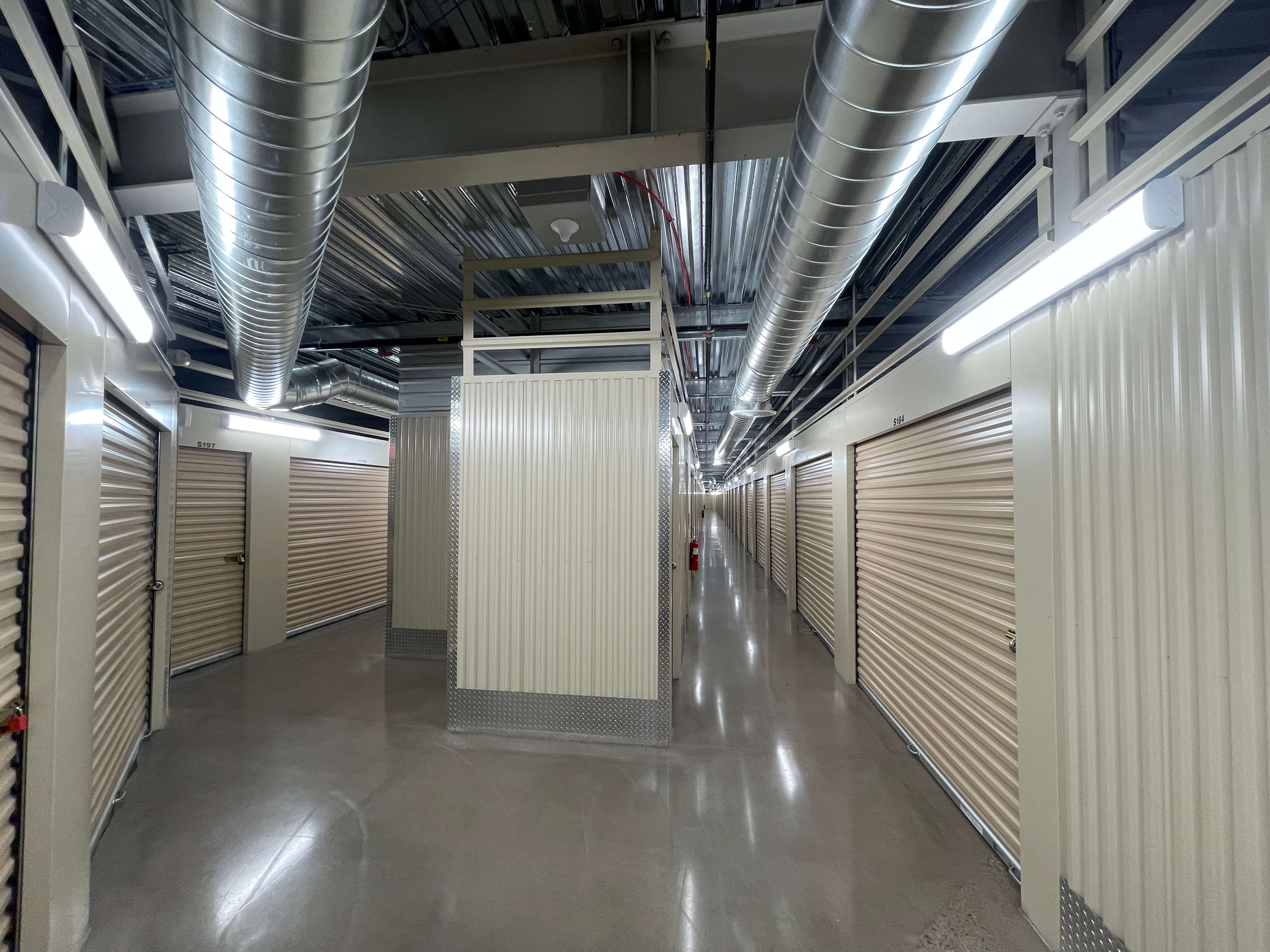
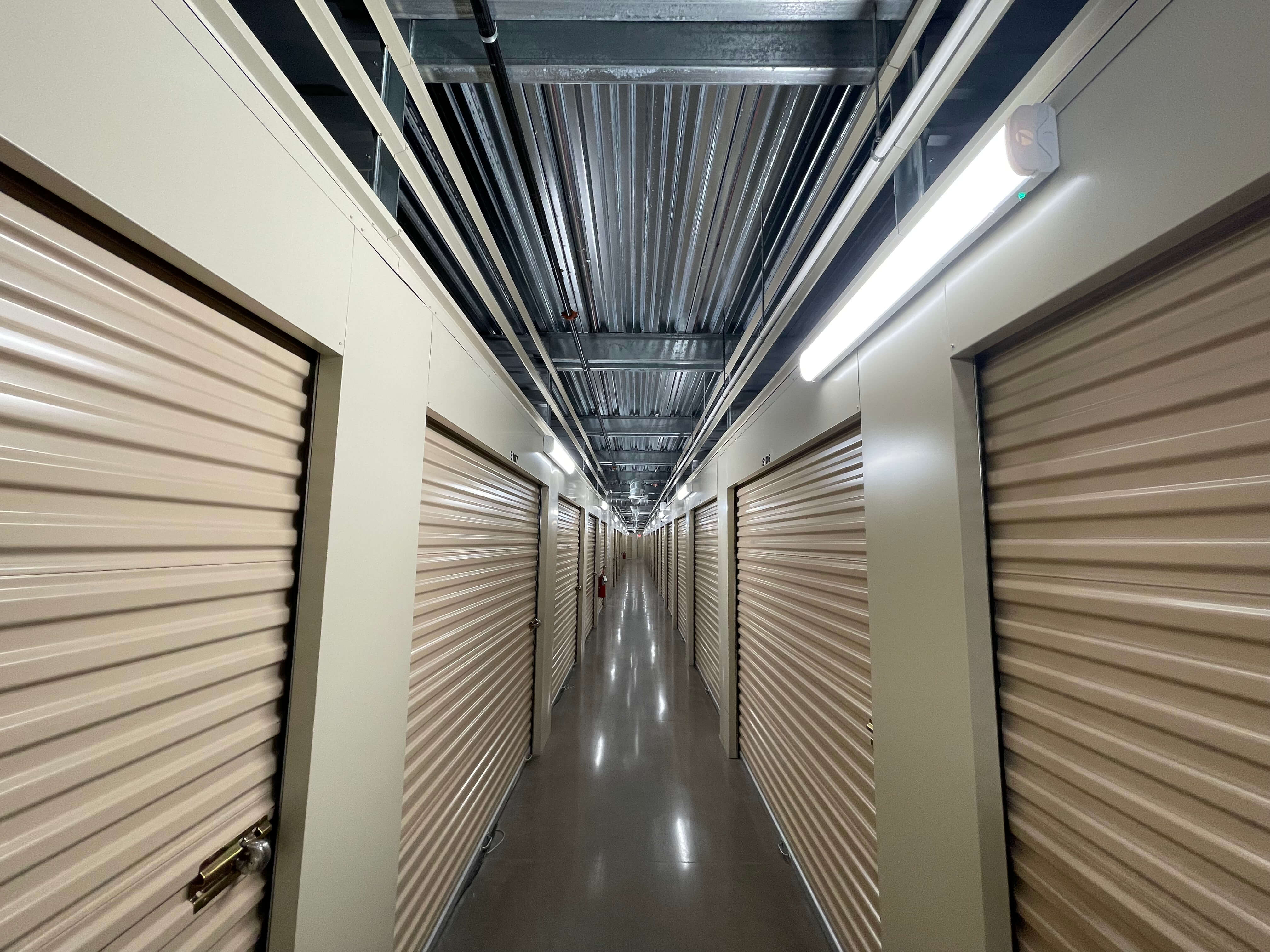
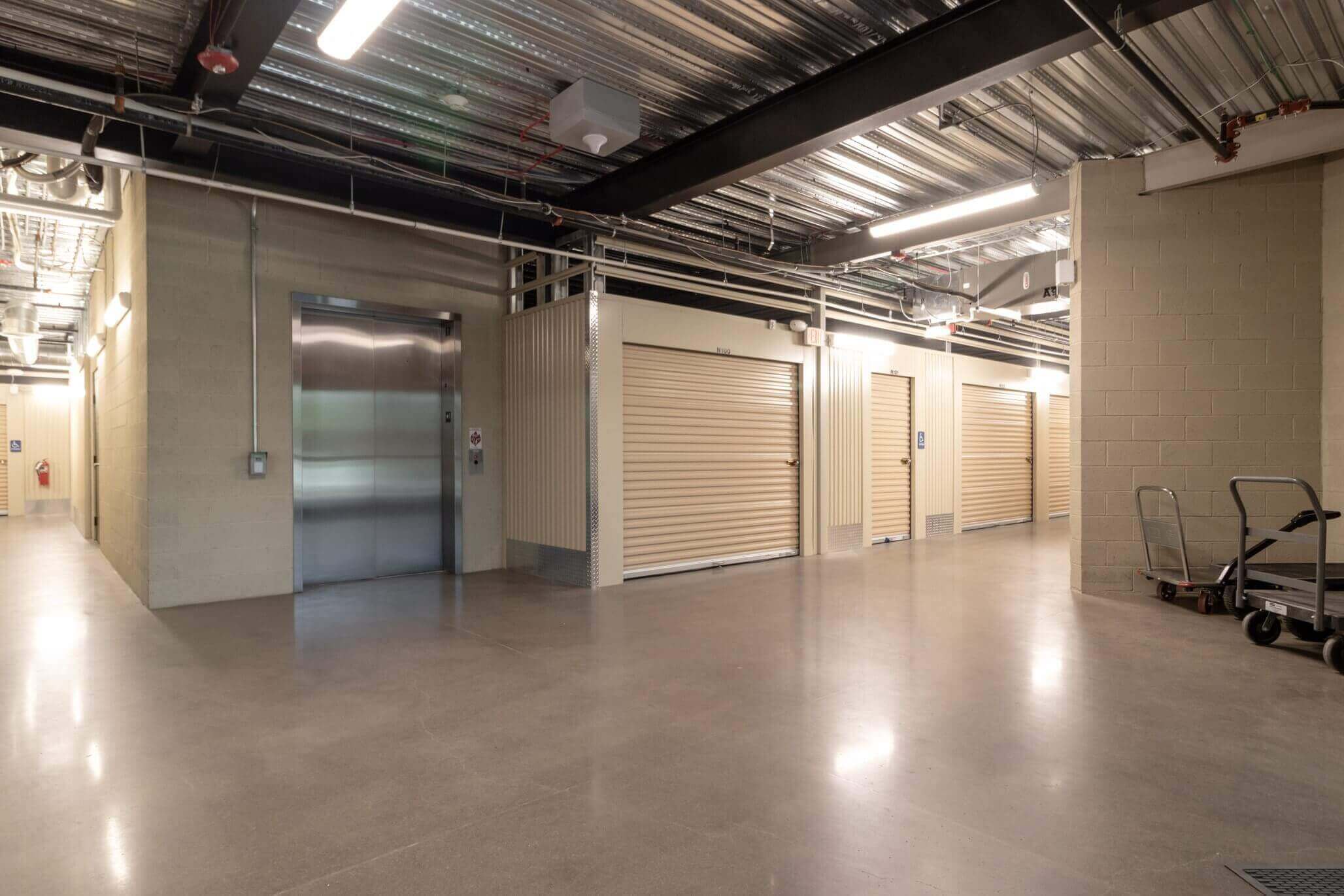
- Consider off-site storage for overflow. Sometimes your home doesn’t have enough space for everything. That’s where we come in—our secure, climate-controlled units provide storage space for anything you want to keep, from seasonal clothing to furniture and boxes of memorabilia. This gives you the flexibility to manage your home while knowing that every piece of your stuff is accounted for.
Entryway and Mudroom Organization
Our team sees entryways and mudrooms as the front lines of home clutter. Shoes, coats, bags, keys, and mail can pile up quickly, but with the right solution, managing these becomes much easier. Here’s our approach:
- Install hooks and wall organizers for coats, bags, and accessories to keep the floor clear and make it easy to access items from the door.
- Place baskets or bins for shoes and mail near the entrance. Label them so everyone in the family knows where each item goes, giving thanks to a system that keeps clutter in check.
- Keep a small drawer, shelf, or even a desk, if space allows, for keys, sunglasses, and other everyday essentials. This ensures everything has its spot and prevents piles from forming.
- Please limit the number of piles on the floor by creating a single drop zone for items and ensuring it’s emptied daily.
- Store seasonal items or rarely used bags in labeled boxes in our facility to keep your home clutter-free and maintain clear door access for a smooth, organized entryway.
Living Room and Family Room Solutions
The living room often becomes a catch-all for miscellaneous items. Here’s how we at McDowell Mountain Community Storage suggest tackling it:
- Use multifunctional furniture with built-in storage, such as ottomans, coffee tables, and sideboards.
- Create zones for toys, books, media, and miscellaneous items. Use labeled bins and baskets to sort everything.
- Keep your console and drawers tidy by storing only items you use regularly and relocating the rest.
- Apply the one-in, one-out rule. For every new item added, remove an old one to prevent clutter from accumulating.
- For extra décor or seasonal items, store them with us. Our storage units offer a convenient extension of your living space, keeping your home neat and functional.
Kitchen and Pantry Systems
We see kitchens as one of the most challenging areas to organize. With food, containers, utensils, and miscellaneous papers competing for space, clutter is inevitable. Here’s our method:
- Empty all kitchen cabinets and pantry shelves and sort items by type: food, appliances, containers, utensils, and wrapping paper.
- Use clear containers and bins with labels to organize snacks, baking supplies, canned goods, and other items.
- Maximize vertical space with risers, stacking bins, and shelf organizers.
- Keep the fridge clear by discarding old food and using bins to group items for easy access.
- Organize the junk drawer by sorting small items into labeled sections, such as office supplies, food wraps, or miscellaneous tools.
- Store overflow items, seasonal cookware, or rarely used containers with us to free up valuable kitchen space.
Bedroom, Closet, and Wardrobe Organization
Our approach to bedrooms focuses on clothing, shoes, accessories, and personal items:
- Empty the closet and sort items by type, season, and frequency of use.
- Use uniform hangers to maintain a clean, organized look.
- Fold clothes vertically in drawers so everything is visible and accessible.
- Store shoes in clear boxes, racks, or under-bed containers, and label each pair accordingly.
- Organize accessories in small labeled baskets: belts, scarves, jewelry.
- Off-season items can be stored in our units to free up closet space while keeping them safe and accessible.
- Keep the floor clear and avoid piles in front of the closet to ensure everything fits neatly.
Bathroom Organization and Storage
Bathrooms can quickly become cluttered with toiletries, towels, and miscellaneous items. Here’s how we recommend organizing them:
- Use drawer organizers to separate daily-use items, extras, and children’s products.
- Store cleaning supplies and spare toiletries in labeled bins under the sink for easy access.
- Install hooks on walls or doors for towels and bathrobes to free up floor space.
- Use clear containers for cotton balls, swabs, and bath products, labeling them to keep everything tidy.
- Regularly review papers and magazines, recycling or discarding those that are no longer needed.
- For overflow items, consider using our secure storage units to keep bathrooms organized without sacrificing space.
Kids’ Rooms and Play Areas
Children’s spaces often accumulate a variety of items, including toys, clothes, books, and papers. Here’s our approach at McDowell Mountain Community Storage:
- Use low shelves and labeled bins to make toys accessible and easy to put away. Examples: “Cars,” “Blocks,” “Art Supplies.”
- Rotate toys periodically, storing excess items in boxes either off-site or out of sight.
- Create a paper station for art, school papers, and photos. Sort and recycle regularly.
- Keep the floor clear by assigning bins for frequently used items and storing seasonal clothes and shoes in labeled containers.
- Off-site storage is ideal for items your kids may not use daily, but you want to keep organized and accessible.
Office and Workspace Organization
Home offices or workspaces attract clutter from files, papers, and supplies. Here’s how we tackle it:
- Use a filing system with labeled folders to organize bills, documents, photos, and other essential papers.
- Designate a junk drawer with smaller bins for USB drives, office supplies, and miscellaneous tools.
- Keep the desktop clear by archiving old files and storing excess items off-site.
- Use shelves with labels for books, documents, and supplies.
- Items that aren’t used daily, like boxes of wrapping paper, photos, or seasonal office supplies, can be stored safely in our units.
Garage, Car, and Miscellaneous Storage
Garages and cars are often overlooked spaces where clutter accumulates:
- Utilize wall hooks and pegboards to store bikes, tools, and garden supplies.
- Store seasonal items, holiday décor, and sports gear in labeled bins.
- Keep a car emergency kit, and remove any unnecessary items to free up space.
- Avoid letting piles form on the garage floor. Store excess boxes, furniture, or seldom-used items in our climate-controlled storage units.
- Label every bin and shelf to maintain organization and make it easy to find items when needed.
Systems for Labeling, Tracking, and Maintaining Organization
At McDowell Mountain Community Storage, we emphasize consistent systems:
- Label every container, drawer, shelf, and bin to make items easy to locate and identify.
- Keep an inventory list for off-site storage boxes so you always know what’s in each box and where it’s stored.
- Track your organization’s habits on a weekly or monthly basis to ensure everything remains in order.
- Sort items by type, size, and frequency of use. This ensures easy access and prevents clutter from building.
- Conduct quarterly decluttering to keep items relevant and organized.
Maximizing Space Effectively
Here are some tricks we rely on:
- Fold clothes vertically and stack boxes by size to maximize drawer and shelf space.
- Use clear containers so you can see the contents without needing to open them.
- Utilize wall space with hooks and shelves to maximize storage.
- Store less frequently used items off-site to free up space in your home.
- Maintain consistent labeling and color coding across rooms for easy recognition.
- Keep frequently used items accessible and store seldom-used items in labeled boxes either at home or with us.
Off-Site Storage as Part of Home Organization
Sometimes, even the best organizational systems at home aren’t enough. That’s why McDowell Mountain Community Storage exists:
- Store seasonal items, bulky furniture, boxes of photos, wrapping paper, or excess clothing in our secure, climate-controlled units.
- Label and inventory each box before storage so you know exactly where everything is.
- Use our units as a holding zone for items you don’t need daily but want to keep safe.
- Treat storage as an extension of your home organization system. Everything stored should still have a category, label, and be easily identifiable and trackable.
Maintaining Long-Term Organization
Organization is a habit, not a one-time project:
- Spend 10 minutes daily tidying high-traffic areas.
- Conduct monthly reviews of bins, drawers, and shelves to ensure that all items are in their proper place.
- Maintain a log for off-site storage items to track their location and ensure accurate retrieval.
- Follow the one-in, one-out rule for new items.
- Encourage all family members to use the system consistently.
- Schedule quarterly decluttering sessions to remove items no longer needed.
The Importance of Organized Homes
At McDowell Mountain Community Storage, we know that organized homes impact life and family:
- Clearer space = less stress and more functionality.
- Easy access to items saves time and prevents frustration.
- Family members understand the system and contribute to maintaining order within it.
- Off-site storage allows you to keep valuable items safe without overcrowding your home.
- A well-organized home feels efficient, welcoming, and calm.
Conclusion: Take the Next Step
Start with one room, such as the kitchen cabinets, a bedroom closet, the entryway, or the garage. Sort, label, assign spots, and clear the floor. Use containers, bins, and boxes for organization. And if you need extra space, trust McDowell Mountain Community Storage to store overflow items securely.
By sorting, labeling, storing, and maintaining your home, you simplify your space, reduce clutter, and create a system that works for your family. Whether it’s kitchen supplies, papers, clothes, or seasonal decorations, everything can have its place—with the help of our storage solutions and organization methods.
Frequently Asked Questions
1. How do I decide which items should be kept at home versus stored off-site?
We recommend assessing frequency of use, seasonal need, and sentimental value. Items rarely used or occupying valuable home space can be stored in our secure storage units.
2. What size storage unit do I need for different types of household items?
We offer a variety of unit sizes to accommodate boxes, furniture, seasonal items, and more. Consider the number of items, their sizes, and whether you need walk-in accessibility when choosing a unit.
3. Can I access my stored items anytime?
Yes, our facility offers convenient access hours and secure entry systems, allowing you to retrieve or add items to your storage unit as needed.
4. How can I label and organize items in storage for easy retrieval?
We suggest labeling each box by category and contents, using color-coded labels or an inventory list to track all stored items. This ensures you can quickly locate any item when needed.
5. Are there items that shouldn’t be stored off-site?
Perishable foods, hazardous materials, or items requiring constant climate control should be left at home. Our climate-controlled units are ideal for clothing, photos, documents, and seasonal items.
6. How can I maintain organization in high-traffic areas like the kitchen or entryway?
Use bins, baskets, hooks, and drawer organizers to create zones for each type of item. Establish daily habits of putting items back in their designated spots to prevent clutter buildup.
7. What are some tips for organizing kids’ toys and school supplies?
Low shelves, labeled bins, and a toy rotation system keep kids’ rooms tidy. Items can also be stored off-site when not in use, freeing up space.
8. How can I make the most of vertical space in closets, cabinets, or pantries?
Use risers, stackable containers, shelf organizers, and hooks to maximize vertical space. Off-site storage can also hold less frequently used items to prevent overcrowding at home.
9. What is the best way to declutter papers, documents, and office supplies?
Sort items into keep, recycle, and shred categories. Use labeled folders or bins for storage, and consider off-site units for excess paperwork or archived files.
10. How do I create a sustainable, long-term home organization system?
Establish clear categories, label all containers, rotate seasonal items, and maintain daily and weekly habits. Utilize off-site storage for overflow, track progress, and schedule quarterly decluttering sessions to maintain organization throughout the year.