

Declutter by Sorting, Simplifying, and Organizing Your Home Efficiently

Decluttering your home can feel like a mountain to climb, especially when life, family, and daily tasks already demand so much time. A person may encounter numerous piles of paper scattered across different rooms, or kitchen cabinets filled with items that no longer serve a purpose. But with the proper process, you can minimize the mess, arrange belongings in order, and prioritize what truly matters. This guide provides proven steps, tips, and ways to clear the clutter, recycle what you no longer need, and organize efficiently, so homes become more functional and stress-free. Whether it’s tackling one part of a room, a single drawer, a pile of items, or your entire house, you’ll learn how to streamline, simplify, and optimize your space for long-term order. 

The Importance of Decluttering for a Healthier Home

Clutter isn’t just about piles of stuff taking up space—it impacts your entire life. Messy rooms create stress, limit productivity, and make even simple tasks harder. Studies show that clutter increases cortisol (the stress hormone), reduces focus, and even affects sleep quality.

Decluttering your house helps you:

  • Create more functional spaces for family activities.
  • Reduce time wasted searching for lost items.
  • Improve mental clarity by removing visual distractions.
  • Free up areas for storage, furniture, and efficient movement.

A clutter-free environment also makes your home more inviting for friends and visitors. Taking one step at a time helps you manage tasks from top to bottom without stress. A simple tip is to place baskets by the sofa to keep blankets and magazines organized. Another tip is to handle small appliances right after use so they don’t sit out on counters. These little actions prevent clutter from spreading and keep each part of the house looking fresh and functional.

The front entry also benefits from order since it’s the first area guests see. Recycling bins placed nearby remind everyone to sort items responsibly, and even dedicating a bit of effort each day keeps the space tidy. When every section of the home feels intentional, you’ll feel proud to welcome family and visitors. In short, decluttering is more than tidying—it’s about building a system that supports a better lifestyle.

Preparing for an Efficient Decluttering Process

Before tackling drawers, closets, or cabinets, preparation is key. Going in without a plan often leads to bigger piles and half-finished projects. Use these steps:

  1. Set a clear purpose – Decide whether you want to reclaim space, downsize, or make your home easier to manage.
  2. Break it into sections – Work on one room, one closet, or even one drawer at a time.
  3. Gather supplies – Bins, baskets, boxes, trash bags, and labels are essential for sorting items.
  4. Schedule time – Plan realistic blocks of time to focus without interruption. Even 15–20 minutes a day can lead to steady progress.

Another helpful strategy is to set up a “staging area,” such as the dining room table or a section of the floor, where you can sort piles before putting items away. This prevents the common problem of simply shifting lots of clutter from one place to another without progress. Keeping in mind that every item needs a destination, you can decide whether it belongs in storage, recycling, or somewhere specific, like a linen closet.

With a method and checklist in place, you can approach decluttering as a project rather than an overwhelming task. The goal is to simplify the process so your mind feels clear, your home feels organized, and every space has its purpose.

Decluttering Every Room with Purpose

Each space in your house comes with unique challenges. The key is to apply the same decluttering rule—keep only what you need, use, or love—but adapt methods to suit the room.

Living Room: Streamlining Common Areas

The living room often collects everything from books and toys to coffee table clutter. Start by:

  • Clearing surfaces like sofas, tables, and shelves.
  • Sorting items into categories: décor, electronics, books, toys.
  • Donating or discarding pieces that don’t serve a purpose.
  • Using baskets for remote controls, bins for toys, and organizers for magazines.

This creates a welcoming space for friends and family while reducing stress.

If your living room has limited storage, consider multifunctional furniture, such as ottomans with hidden compartments or side tables with built-in shelves. These solutions keep necessary items nearby without letting piles take over surfaces.

Kitchen: Organizing Cabinets and Pantry

The kitchen is one of the busiest rooms in any home, but also one of the easiest to declutter with the correct method.

  • Empty cabinets and drawers one section at a time.
  • Group items by category—appliances, utensils, food storage.
  • Discard expired food, recycle empty containers, and donate duplicates.
  • Use clear bins for pantry items, labels for shelves, and dividers for drawers.

Small habits keep the kitchen clutter-free. For example, adopt a “clean as you go” rule when cooking. Putting utensils back, wiping surfaces, and discarding packaging right away prevents mess from building up.

A streamlined kitchen saves time when cooking, reduces food waste, and makes cleanup faster.

Bedrooms: Creating Restful Spaces

Bedrooms should be a place for rest, not piles of clothes and clutter. To create order:

  • Start with the closet and dresser drawers—sort clothes by season, size, and use.
  • Donate items that no longer fit or haven’t been worn in a year.
  • Use bins for shoes, baskets for accessories, and labels for storage boxes.
  • Keep surfaces like nightstands clear, limiting items to essentials.

If you share a bedroom with a partner, agree on rules for what stays visible and what goes into drawers or closets. A clear system avoids arguments and ensures both people feel comfortable in the space. One practical habit is to organize and label stored boxes properly to maximize efficiency, especially for seasonal clothes, shoes, or personal items that don’t need to stay out year-round.

A tidy bedroom improves sleep quality and makes morning routines more efficient by reducing the time spent searching for things. When storage is managed thoughtfully, every part of the room feels balanced and clutter-free.

Bathroom: Clearing Cabinets and Shelves

Bathrooms often hide forgotten items behind cabinets and linen closets. Steps to declutter include:

  • Removing everything from shelves, drawers, and the medicine cabinet.
  • Discarding expired medications, old toiletries, and duplicate items.
  • Use clear organizers for daily essentials.
  • Assign categories such as skincare, haircare, and cleaning supplies.

Adding hooks behind the door or baskets under the sink can maximize storage in small bathrooms. A system for towels, toiletries, and cleaning products prevents clutter from sneaking back in.

Entryway: Creating Functional First Impressions

Entryways often become dumping grounds for shoes, bags, and random stuff. To simplify this high-traffic area:

  • Use a shoe rack or baskets for footwear.
  • Install hooks or a cabinet for coats and bags.
  • Create a designated bin for keys, mail, and small items.
  • Keep surfaces clear to avoid piles building up.

You can also set a household rule: everything coming through the door must either go into storage, into the trash, or into its assigned spot. This prevents clutter from spreading into the rest of the home.

Closets: Maximizing Storage Potential

Closets are prime areas for clutter buildup, but they also hold the most significant potential for efficiency.

  • Empty everything and categorize items: clothes, shoes, accessories.
  • Purge what doesn’t fit, doesn’t suit your style, or duplicates something else.
  • Use bins for off-season items, labeled boxes for accessories, and space-saving hangers.
  • Install shelves or organizers to maximize vertical space.

A helpful trick is the “hanger test”: hang all clothes with hangers facing backward. After wearing something, turn the hanger forward. After six months, donate anything still on backward hangers.

Closets become functional spaces rather than hidden storage areas when properly arranged.

Kids’ Rooms: Simplifying with Systems

Children’s rooms can quickly become cluttered with toys, clothes, and school supplies. To manage effectively:

  • Sort toys into categories and use labeled bins.
  • Teach kids simple habits like putting toys back after use.
  • Rotate toys to keep the space fresh without overwhelming piles.
  • Use baskets, drawers, and shelves to give every item a spot.

Involving kids in the decluttering process also teaches responsibility. Let them choose which toys to donate—explaining that others will benefit helps children feel positive about letting go.

Garage and Storage Spaces: Managing Overflow

Garages, basements, and attic areas often become dumping grounds for items that have nowhere else to go. To take control, consider practical garage storage ideas for a more organized space and tackle these areas like any other room:

  • Remove everything and sort into piles: keep, donate, discard.
  • Use sturdy bins for long-term storage.
  • Label boxes clearly to avoid forgotten contents.
  • Recycle or donate items that haven’t been used in years.

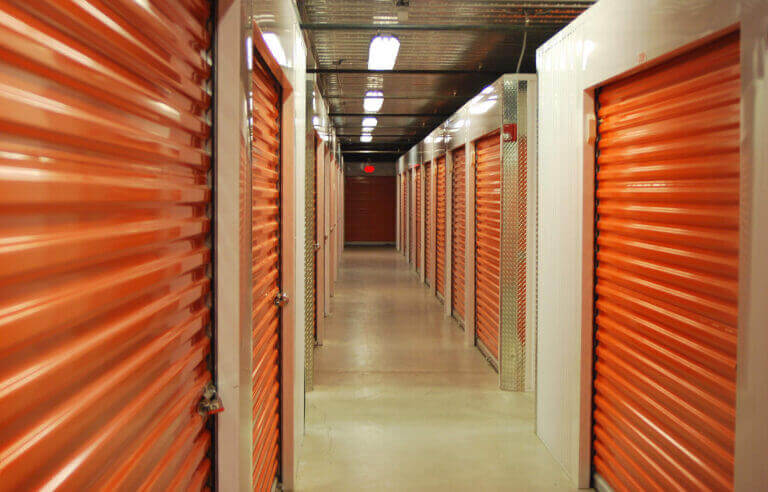
If you have bulky seasonal items like holiday decorations or sports gear, keep them in clear plastic bins so you can see the contents without opening every box. For items that don’t fit in the home but are still important—seasonal gear, furniture, or memorabilia—consider a community storage facility.

Proven Decluttering Methods for Lasting Results

There’s no single best way to declutter. Choose a method that matches your style, schedule, and household needs.

  • The Four-Box Method – Label boxes: Keep, Donate, Trash, Relocate. Place each item into a category as you work through rooms.
  • The One-Minute Rule – If something takes less than a minute to put away, do it immediately.
  • The KonMari Method – Keep only items that “spark joy.”
  • The Minimalist Approach – Reduce everything to essentials, streamlining possessions to the absolute necessities.

Some people benefit from hybrid approaches, such as combining the Four-Box Method with the One-Minute Rule for quick wins while still handling larger categories.

Tools and Organizers That Make Decluttering Easier

Investing in the right organizers saves time and space. Useful tools include:

  • Bins and Baskets – Ideal for toys, shoes, and miscellaneous items.
  • Labels – Help everyone in the household know where things belong.
  • Shelves and Dividers – Maximize vertical and drawer space.
  • Cabinets and Furniture with Storage – Keep surfaces clear while offering hidden organization.

When selecting organizers, choose neutral colors and simple designs that blend with your home décor. This makes the system visually pleasing and encourages everyone to use it consistently.

Creating Habits for a Clutter-Free Lifestyle

Decluttering once isn’t enough—you need habits to maintain progress. Adopt these daily and weekly routines:

  • Put things back immediately after use.
  • Keep a small bin for donations and add items regularly.
  • Tidy-up surfaces at the end of each day.
  • Schedule seasonal decluttering sessions to reset closets and storage.

Creating a household checklist helps hold everyone accountable. For example, kids can have a simple “room reset” routine before bed, while adults can manage shared spaces like the living room and kitchen.

Consistency prevents clutter from building back up.

Using Community Storage Solutions Effectively 

Home decluttering and room organization with McDowell Mountain Community Storage in Scottsdale Arizona
McDowell Mountain Community Storage supports Scottsdale Arizona homeowners with step by step tips to declutter and organize spaces efficiently.

Sometimes, you need extra space for items you can’t keep at home but don’t want to discard. Community storage offers:

  • A safe place for seasonal decorations, sports equipment, or bulky furniture.
  • Extra space when downsizing, renovating, or moving.
  • A way to keep keepsakes and important belongings secure without crowding your living areas.

At McDowell Mountain Community Storage, we provide clean, secure, and accessible storage units that help families balance home organization with life’s demands. Whether you need short-term solutions during a move or long-term storage for treasured belongings, we offer flexible options to fit your needs.

Final Thoughts: Building Efficiency Through Decluttering

Decluttering your home doesn’t have to feel overwhelming. By breaking tasks into steps, using proven methods, and incorporating bins, boxes, and organizers, you can transform your house into an efficient, peaceful space.

The process is about more than discarding things—it’s about creating a system that supports your life, reduces stress, and gives every item a place. And when your closets, cabinets, and rooms can’t hold everything, community storage offers a reliable way to keep what matters most.

With the right mindset, tips, and consistent habits, you’ll find decluttering isn’t a one-time project but an ongoing lifestyle shift that benefits everyone in the home.

Frequently Asked Questions

1. How do I start decluttering if I feel completely overwhelmed?

Start small. Choose one drawer, shelf, or surface and complete that area before moving on. Focusing on a single section helps build momentum without feeling paralyzed by the entire house.

2. What should I do with sentimental items I don’t use but don’t want to throw away?

Designate a small box or bin for sentimental items and set limits on how much you keep. If something holds value but doesn’t need to stay in your daily space, consider placing it in a labeled storage container or community storage unit.

3. How often should I declutter my home to keep it under control?

A seasonal reset works best for most families—every 3–4 months. Quick daily or weekly tidy-ups help prevent clutter from piling up between major sessions.

4. How do I get kids involved in the decluttering process?

Make decluttering fun by turning it into a game—set timers, use color-coded bins, or let them choose items to donate. Teaching kids to categorize toys or clothes helps them build lifelong organization habits.

5. Should I sell, donate, or recycle items I no longer need?

It depends on the item. If it’s in good condition and valuable, selling may be worthwhile. Everyday household goods can often be donated, while paper, plastics, and electronics should go through recycling channels to reduce waste.

6. How do I keep clutter from building up again after I’ve decluttered?

Establish routines such as the “one in, one out” rule—when something new comes in, an old item goes out. Create permanent spots for everyday essentials, and keep a donation box handy for things you no longer need.

7. What’s the best way to handle paper clutter like bills, mail, and receipts?

Sort paper immediately at the front door or entryway. Keep a recycling bin nearby, use a filing system for important documents, and consider scanning receipts or statements to reduce physical piles.

8. How do I declutter small spaces like apartments or condos?

Use vertical storage such as shelves, hooks, and wall organizers. Multipurpose furniture—like ottomans with hidden storage or beds with drawers underneath—helps maximize space without adding clutter.

9. Is it better to declutter room by room or category by category?

Both methods work, but choose based on your personality. Room-by-room offers visible progress, while category-by-category (like clothing or books) helps you see how much you own and avoid duplicates.

10. When should I consider using community storage instead of keeping everything at home?

Use storage for items that are important but not needed daily, such as seasonal decorations, sports gear, extra furniture, or memorabilia. This prevents your home from becoming overcrowded while still keeping belongings safe and accessible.

Garden Tool Storage Ideas

Organizing your garden tools can sometimes feel overwhelming, especially if you have various equipment and accessories scattered across your backyard, shed, or garage. However, a well-organized tool storage system can save you time, effort, and money by ensuring your garden tools are easily accessible and in good condition. Whether you’re working with a limited space or have an entire shed, there are plenty of garden tool storage ideas to consider. You can use a rack, hangers, and arrangement options to keep things in order or even create custom storage with holes for organizing tools and small items inside containers. Here are some of the most effective ways to organize your tools and tidy your outdoor space. 

Wall Organization for Garden Tools

One of the best ways to store garden tools is by utilizing wall-mounted storage. This is particularly useful if you have limited floor space and want to make the most of your walls. Using the wall for storage keeps tools off the ground, which helps prevent rust, damage, and clutter. Installing hooks, racks, or pegboards on your walls is a great way to store garden tools like rakes, shovels, hoes, and watering cans. For more ideas, you can search Pinterest for creative solutions. Consider placing your tools on a shelf near the door or front of the house for easy access. You can add custom handles to your racks for a unique touch and better functionality. This setup keeps your tools organized and provides valuable information about your space’s most efficient storage solutions. 

Pegboard for Versatile Storage

A pegboard is an incredibly versatile storage solution that allows you to customize your organization system. It’s perfect for storing gardening tools that vary in size and shape. You can hang your tools on hooks or store smaller items in bins attached to the board. Different shelves or baskets can separate smaller accessories like gloves, garden markers, and seed packets for a more organized system. There’s an idea to explore when using a pegboard for tool storage. For more inspiration, check Instagram to see how others organize their stuff. You can attach your pegboard to studs in the wall for added stability and consider various storage options like adjustable hooks and bins to make your setup work. Pegboards are affordable, easy to install, and can be adjusted to fit different tool sizes, making them a perfect choice for any garden place. 

Using Hooks for Garden Tools

If you don’t have the space for a large pegboard, installing a few hooks on the walls is an easy and affordable solution. By placing hooks at different heights on the wall, you can store various tools in an organized way. For instance, you can hang long-handled tools like rakes, shovels, and hoes on the top of the wall, leaving smaller tools and accessories like pruners and gloves closer to the floor. You can even use wall-mounted hooks for hanging bags, garden aprons, or hoses, keeping all your tools in one convenient spot. This setup can save you a lot of space and make your tools more accessible. With some creativity, you can incorporate hooks on the side of your shed, garage, or kitchen wall for easy access. You can also check out various products on the site to see how they could enhance your storage solutions. Update your garden tool storage content regularly for fresh life and organization tips! 

Shed and Garage Storage Solutions

For those with a shed or garage, there are plenty of ways to maximize your storage space. One of the most effective ways to store tools in these areas is to use the available vertical space. Shelves, racks, and wall-mounted systems allow you to store items without wasting valuable floor space. You can hang long-handled tools like a rake on the wall or store them on shelves for easy access. It’s essential to plan your layout carefully, considering how you use each tool and where it’s most efficient to store them. Including pictures of different storage setups can provide helpful inspiration and show details on organizing your tools. Keep a menu of your tool storage ideas or a design icon to track your progress and ensure you’re meeting your storage needs, making it a simple task for you to stay on top of tool duty. 

Installing Shelves for Larger Items

If you have more extensive garden tools like lawnmowers or weed eaters, installing shelves is a great way to keep them organized. You can place the more significant tools on the bottom shelves and store smaller items like pots, soil bags, and seed trays on the top shelves. Shelves are ideal for organizing gardening tools that are frequently used, ensuring that everything has its dedicated spot. Additionally, shelves can store bins of smaller items, keeping everything within easy reach. You can even add a piece of pegboard or hooks for extra storage. For those wondering how to secure shelves, screws are key to keeping everything in place, so make sure to use the right size and type for your wall material. Thanks to innovative shelf systems, organizing your tools has never been easier. It’s a simple solution that saves space and keeps things tidy. If you have any questions or need help with installation, post in the comments below – the guys at the hardware store can give you tips on what to use to secure your shelves. You can even drill a hole to hang a hook if needed. 

Use of Pegboard in Sheds and Garages

Pegboards aren’t just for indoor use; they can also be incredibly effective in sheds and garages. The garage is one of the best places to implement pegboard storage. It keeps your tools off the floor, making the entire space more organized. You can hang garden tools, accessories, and your toolbox on the pegboard. By using a combination of pegboard and wall-mounted hooks, you can store a wide variety of gardening items in a neat and accessible way.

DIY Garden Tool Storage Ideas

Sometimes, the best storage solutions are the ones you make yourself. DIY garden tool storage projects can help you create a storage system that fits your unique needs and space constraints. With some creativity and effort, you can design and build your own storage solutions tailored to your gardening habits.

Wall-Mounted Storage Projects

If you’re good with tools, you can create a custom wall-mounted storage system for your garden tools. A simple project involves building a wooden board with attached hooks to store long-handled tools. You can build a pegboard system with adjustable hooks and shelves for a more advanced project. Consider using materials like wood or metal for durability, and ensure that the system is sturdy enough to hold heavier items like rakes and shovels. These DIY projects can be tailored to your specific storage needs, allowing you to build the best system for your tools.

Storage Boxes and Bins for Smaller Tools

Custom storage boxes or bins can be great for smaller garden tools like pruners, hand trowels, and gloves. These can be stored on shelves, stacked in the corner of your shed, or even used as portable storage containers. You can also build a simple toolbox with separate compartments for each tool to ensure that everything stays organized and easy to find. A toolbox can also keep your most frequently used tools in one place, reducing the time it takes to gather everything for your gardening projects.

Tool Storage in Cabinets and Containers

Another great way to organize your garden tools is by using cabinets or containers. Cabinets provide a clean and enclosed storage space that keeps your tools out of sight, which is especially useful if you want to keep your garage or shed looking neat and tidy. Containers are great for storing smaller items, such as seeds, fertilizers, and gardening gloves. Storage bins with lids can also help keep dirt and dust from getting into your tools when unused. Additionally, you can label each container to make finding things more manageable.

Space-Saving Tips for Small Gardens

If you have a small garden, you must be incredibly creative with your storage. Here are some space-saving ideas to help you store your tools without taking up too much space:

Utilize Ceiling Storage

If your shed or garage has high ceilings, you can use ceiling-mounted racks or hooks to store tools like rakes and shovels. This is a handy option for smaller spaces, as it frees up floor space while allowing you to store your tools conveniently. Ceiling-mounted storage is also a good solution for seasonal tools that are used less frequently, such as snow shovels or leaf blowers.

Corner Shelves and Racks

Maximizing corner space is another effective way to save room. Install corner shelves or use corner racks to store tools and accessories. Corner racks are ideal for organizing gardening tools like watering cans, spades, and pots. You can also use corner shelves to store small containers, tools, and baskets. These systems help use every available inch in your garden shed or garage.

Compact Storage Units

Compact storage units are an excellent solution for those with limited space. You can use compact shelving units, tool boxes, or wall-mounted organizers to store your garden tools without wasting too much space. These space-saving systems keep your tools organized and accessible while maximizing your space.

Storing Garden Tools in Climate-Controlled Units

Creative garden tool storage ideas that help organize tools efficiently with McDowell Mountain Community Storage in Scottsdale Arizona
Learn how to organize your garden tools with innovative storage solutions from McDowell Mountain Community Storage in Scottsdale Arizona

Consider a climate-controlled storage unit if you’re storing your tools for an extended period, such as during the off-season. These units provide consistent temperature and humidity levels to help preserve the condition of your garden tools. For example, a climate-controlled storage unit will protect wooden or metal tools from damage caused by extreme heat or cold. Additionally, a climate-controlled unit helps prevent rust and decay in tools that may otherwise be exposed to moisture or humidity in your shed or garage. At McDowell Mountain Community Storage, we offer climate-controlled storage options that ensure your garden tools stay in excellent condition all year. Whether you’re storing tools, outdoor furniture, or other equipment, our units provide a safe, secure, and convenient solution for all your storage needs.

Choosing the Right Storage Unit

When selecting a storage unit for your garden tools, consider the size. A storage unit size guide can help determine which storage unit best fits your needs. Whether you’re storing a few yard tools or a complete set of equipment, a storage unit can keep your tools safe, organized, and protected from the elements.

Conclusion

Keeping your garden tools organized doesn’t have to be complicated. Whether you install wall-mounted hooks, build a custom pegboard, or utilize storage cabinets and bins, plenty of options help you maintain an organized space. By following these storage ideas and incorporating space-saving solutions, you’ll ensure that your tools remain in good condition and are always within easy reach. Whether you have a small garden shed or a large garage, these tips will help you create an efficient, clutter-free storage system that works for your needs. Your gardening experience will be more enjoyable, productive, and organized with the right tools and storage ideas.

Frequently Asked Questions

What are the benefits of using pegboards for garden tool storage?

Pegboards help organize tools by offering a customizable and space-efficient solution. They keep tools off the floor, reducing clutter and preventing damage like rust. Pegboards maximize vertical space, making them perfect for small sheds or garages, and allow easy adjustment of hooks for better tool organization.

How do I choose the right hooks for my garden tool storage system?

Select hooks based on the size and weight of your tools. Use heavy-duty hooks for large items like shovels and rakes and smaller hooks for light tools such as gloves or pruners. Adjustable hooks offer flexibility, allowing you to rearrange the setup as your collection changes.

Can I create a custom storage system for my gardening tools?

Creating a custom storage system allows you to tailor your setup to fit your space and needs. Use wood, metal, or other materials to build racks, shelves, or pegboards. Customize your storage to organize tools by size, frequency of use, and easy access for efficiency.

What are some space-saving storage options for small garden sheds?

Use vertical storage solutions like wall-mounted pegboards, shelves, or hooks in small garden sheds. Ceiling-mounted racks can free up valuable floor space. Compact shelving, stackable bins, or corner shelves allow you to store tools and supplies efficiently, maximizing your shed’s limited space while keeping everything organized.

How do I keep my garden tools organized during the off-season?

During the off-season, store tools in sealed, dry bins or cabinets to protect them from dust, moisture, or damage. Consider using climate-controlled storage to prevent rust or corrosion. Label boxes or store tools in clear bins for easy access, and clean and oil them before storage.

What are the best storage solutions for extensive garden tools like lawnmowers and weed eaters?

Extensive garden tools like lawnmowers can be stored using rolling carts, shelving units, or wall-mounted hooks. If space is limited, consider ceiling-mounted racks for hanging tools. A dedicated storage shed or corner space works well for these bulky items, keeping them off the floor and easily accessible.

How can I store garden tools safely to prevent rust and decay?

Store garden tools in a dry, cool area to avoid rust and decay. Use weatherproof cabinets or bins to protect tools from moisture. Regularly clean and oil tools before storage to prevent rust. Consider a climate-controlled unit for long-term storage to ensure that tools remain in good condition.

What are some DIY storage projects for organizing garden tools?

DIY projects can include building custom shelves, racks, or pegboards to store tools efficiently. Consider repurposing wooden pallets, crates, or buckets as storage solutions. You can also design wall-mounted racks for long-handled tools, creating a personalized and functional storage system that fits your available space and tool needs.

Can I use ceiling-mounted storage for garden tools in small spaces?

Ceiling-mounted storage is ideal for small spaces, as it helps free up floor area. Install hooks or racks on the ceiling to store long-handled tools like rakes, shovels, or hoses. This method maximizes vertical space and is especially useful for storing seasonal or infrequently used items in compact areas.

How do I maintain a climate-controlled storage unit for my garden tools?

Check the temperature and humidity in your climate-controlled storage unit regularly to maintain optimal conditions for your tools. Store tools in sealed containers or protective covers to keep them dry and prevent dust buildup. Ensure adequate ventilation to avoid moisture accumulation, which can lead to rust or damage.