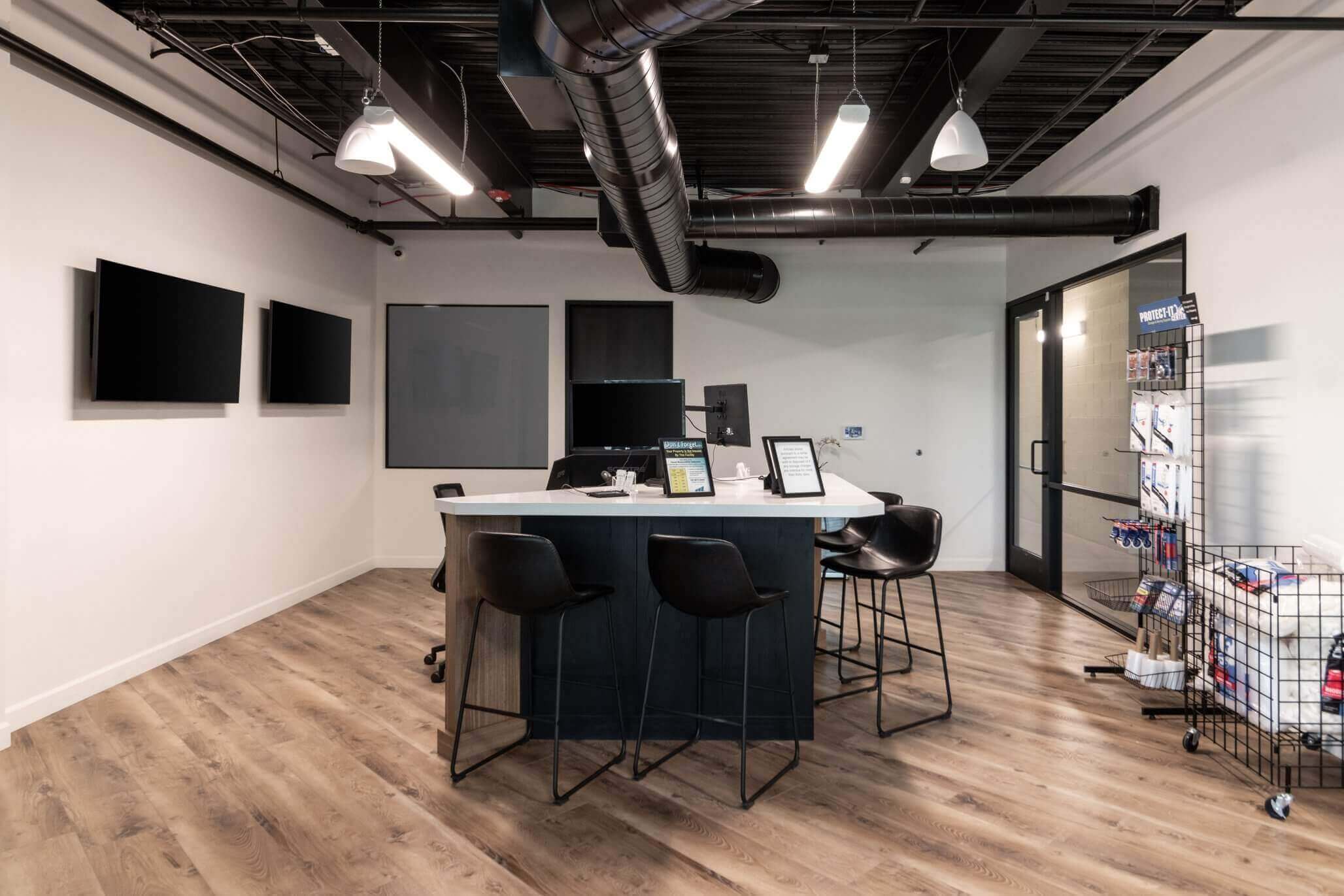
At McDowell Mountain Community Storage, we believe every basement can become a functional, organized extension of the house instead of a forgotten storage area filled with clutter. When you declutter, optimize, and properly arrange items, especially bulky items like seasonal clothes, your basement shifts from chaos to clarity. With the right layout, thoughtful storage solutions placed at the front for easy access, and systems designed to support daily routines, we help families stay organized long after the initial clean-up.
This post is designed to support homeowners navigating a new job, busy schedules, or limited time by offering practical, research-backed strategies. From managing storage content to planning a basement photo zone or work area, we also address common client comments on what works best and when to maintain systems. By organizing intentionally and revisiting storage at the right times, even the most crowded basements can become efficient, tidy spaces that truly support everyday life.
A Clear Plan Turns Basement Chaos Into Purposeful Space
Every successful basement organization process starts with a plan. Without one, it’s easy for things to pile up everywhere, boxes on one side, unused furniture pushed to the left, and a random bunch of bins scattered across the floor, creating unnecessary mess.
We recommend beginning with a clear goal and practical tips to guide the process. Do we want a home office, a TV lounge, a craft supplies area, or simply better storage? Having a solid idea prevents us from moving anything without direction. In many houses, basements serve multiple purposes: part storage, part family room, and part workshop. Defining each section in advance ensures we maximize space and avoid creating another clutter problem later, allowing the rest of the basement to stay functional and organized.
Sketching a simple layout helps us visualize where shelving units, cabinets, racks, and wardrobes will go. We can even designate a small closet area for seasonal items or overflow storage. Assigning zones keeps similar ones grouped together, placing frequently used items within reach and storing the rest efficiently. When every item has a place, we reduce the amount of effort required to keep the basement neat and prevent clutter from building up again.
Decluttering First Creates Room For Better Organization
Before installing shelves or buying storage bins, decluttering is essential. We encourage sorting everything into a clear category system: keep, donate, recycle, or discard. In some cases, creating sub-groups for seasonal décor, hobby projects, or archived paperwork makes decisions easier. Many basements contain plenty of items that no longer serve a purpose—old paint cans, broken furniture, outdated décor, unused kitchen appliances, or boxes filled with stuff from years ago. Often, each forgotten thing feels important, but not everything needs to stay.
During the decluttering process, we suggest handling one area at a time rather than tackling the entire basement at once. Working section by section prevents overwhelm and increases efficiency. Taking a quick picture before and after clearing a space can provide motivation and a clear sense of progress, similar to transformations shared in organization posts. This visual reminder reinforces how much lighter and more functional the space becomes.
Once items are sorted, clearly label each container based on its contents—holiday décor, extra bathroom supplies, guest bedroom linens, tools, or keepsakes. Defined labeling ensures every item has a home and prevents future confusion. Involving the entire family in the sorting process further strengthens the system, making long-term organization easier to maintain.
Defined Zones Improve Function And Flow
Creating designated spaces within the basement is one of the most effective ways to reduce clutter. We often divide basements into functional areas such as:
- Storage area for seasonal items
- Home office with desk and shelving
- TV and lounge area
- Craft or DIY project spot
- Workout or hobby section
By clearly defining each space, we prevent items from drifting into the wrong area. For example, craft supplies should not spill into the home office, and clothing should not mix with garage tools.
Using shelving units along the walls and keeping the center floor open improves traffic flow and makes the room look larger at first glance. Even a few strategic shelves can dramatically change the look and feel of the basement.
Vertical Storage Maximizes Every Inch Of Space
When floor space is limited, we look upward. Vertical storage is one of the most efficient ways to maximize basement capacity.
Installing storage shelves along the wall, adding tall shelving units, or mounting racks near the ceiling allows us to store more without crowding the ground level. Ceiling-mounted storage is particularly helpful for lightweight seasonal items stored in clearly labeled bins.
Using the right height shelves ensures safety and accessibility. Heavier boxes should remain on lower shelves, while lighter containers can go on the top shelf. This approach reduces strain and protects against accidents.
Clear Containers And Labels Simplify Access
We strongly recommend clear storage bins and consistent labeling. When we can see what’s inside a bin, we reduce the time spent searching for something. Labels add another layer of organization and streamline retrieval.
Grouping similar items into containers by category—holiday decor, sports equipment, craft supplies, extra clothing, or tools—helps us organize and categorize efficiently. Labeling each box or bin ensures nothing gets lost.
We often suggest waterproof labels in basements due to potential humidity. A consistent labeling system across all containers creates a cohesive, minimalist look while keeping everything functional.
Smart Shelving And Cabinets Create A Polished Look
Basements no longer need to look unfinished. Installing cabinets, wardrobes, or closed shelving transforms the area into a clean, cohesive extension of the house.
Closed cabinets hide visual clutter and protect items from dust. Open shelf systems work well when styled neatly with matching bins and baskets. Even affordable Ikea solutions can provide a customized appearance with the right layout and color choices.
Painting walls in light, neutral colors can brighten the basement and make it feel larger. The right paint color improves visibility and creates a welcoming space for both storage and living.
Multi-Functional Furniture Supports Modern Basement Design
Furniture that serves multiple purposes is essential in multi-use basements. Storage ottomans, benches with hidden compartments, and desks with built-in shelves combine comfort with practicality.
In a home office, a compact desk placed against the wall saves space while leaving room for storage shelves above. In a family tv area, modular seating can double as hidden storage for pillows, blankets, or kids’ toys.
Choosing furniture that fits the basement’s size prevents overcrowding. Oversized pieces can quickly create a cramped feeling and reduce functionality.
Strategic Lighting Enhances The Overall Basement Look
Lighting plays a significant role in basement design. Many basements have limited natural light, so layered lighting is critical.
We recommend combining overhead ceiling fixtures with task lighting for specific areas, such as a workbench or desk. Wall-mounted lights brighten darker corners and improve safety near stairs.
Good lighting reduces the visual impact of clutter and makes organizational efforts more visible. It also creates a welcoming environment for family and friends.
Moisture Control Protects Stored Items
Basements are often more susceptible to moisture than other areas of the house. Protecting storage bins, boxes, clothing, and furniture from damp conditions is essential.
We advise keeping items elevated off the ground using shelves or racks. In humid climates, dehumidifiers help protect paint, paper, clothing, and photos from damage. For items that are particularly sensitive or valuable, storing them in a climate-controlled storage unit provides an extra layer of protection against temperature and humidity fluctuations.
Using sealed containers for sensitive items such as old photos, important documents, or seasonal decor prevents mold and mildew. Proper moisture management safeguards both belongings and the overall storage system.
Under-Stair Storage Adds Hidden Functionality
The space under the stairs is frequently overlooked. Converting this spot into a functional storage area can dramatically increase capacity.
We often see custom cabinets or built-in shelving installed beneath stairs to hold shoes, cleaning supplies, or seasonal bins. Even a few neatly arranged labeled boxes can transform this small section into an efficient storage solution.
Maximizing every corner ensures no space goes unused.
A Consistent System Keeps Basements Organized Long Term
The key to maintaining a tidy basement is consistency. Once we sort and organize items into designated categories, we must commit to returning them to the right place after use.
We encourage reviewing the basement every few months. Removing items that no longer serve a purpose prevents clutter from returning. Organization is not a one-time project but an ongoing process.
Using a simple system—clear bins, defined shelves, labeled boxes, and assigned spaces—makes maintenance manageable for the entire family.
Professional Storage Solutions Support Overflow Needs
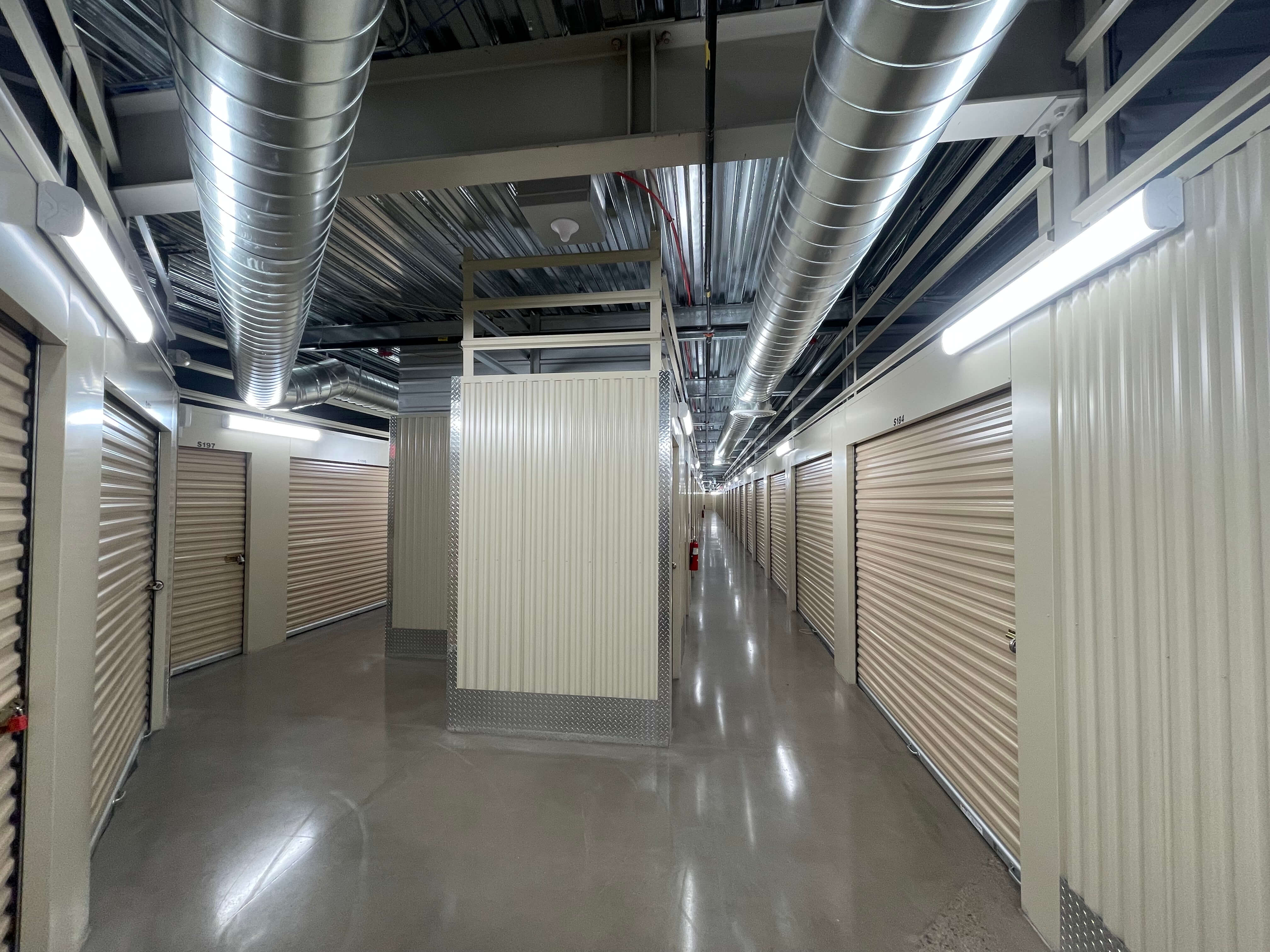
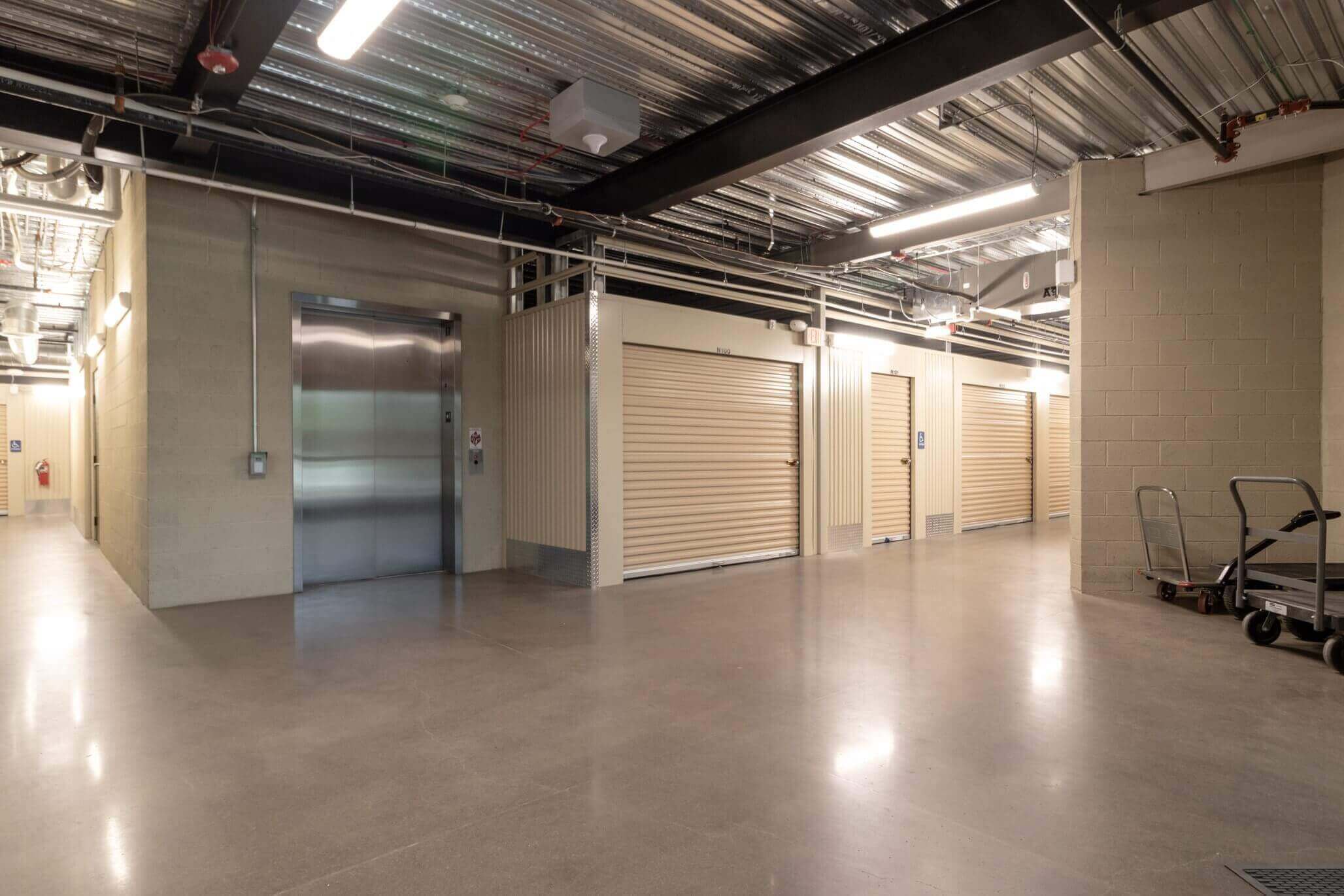
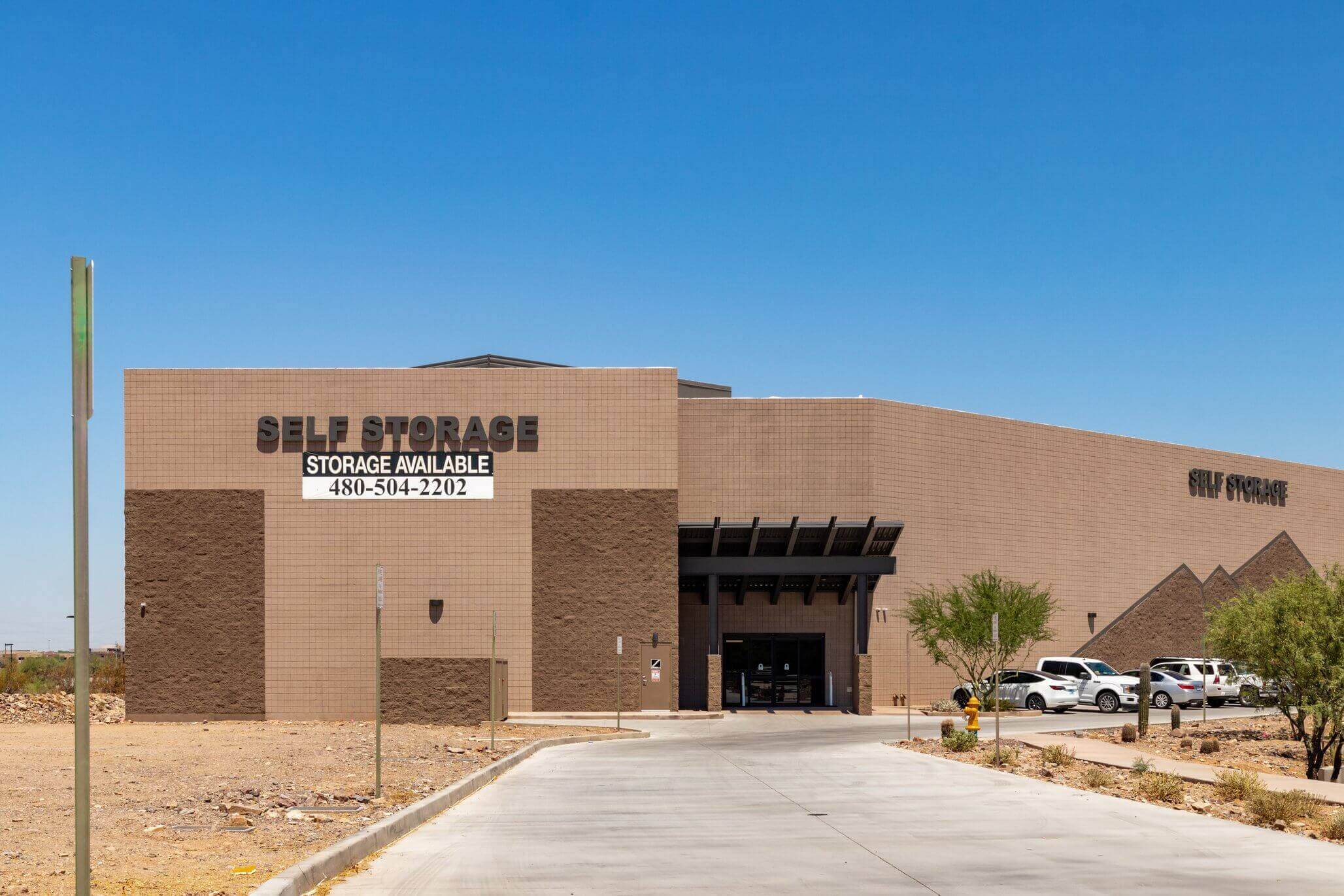
Even with the best organization ideas, some households simply have more items than the available basement space can hold. In those cases, we provide additional storage solutions at McDowell Mountain Community Storage.
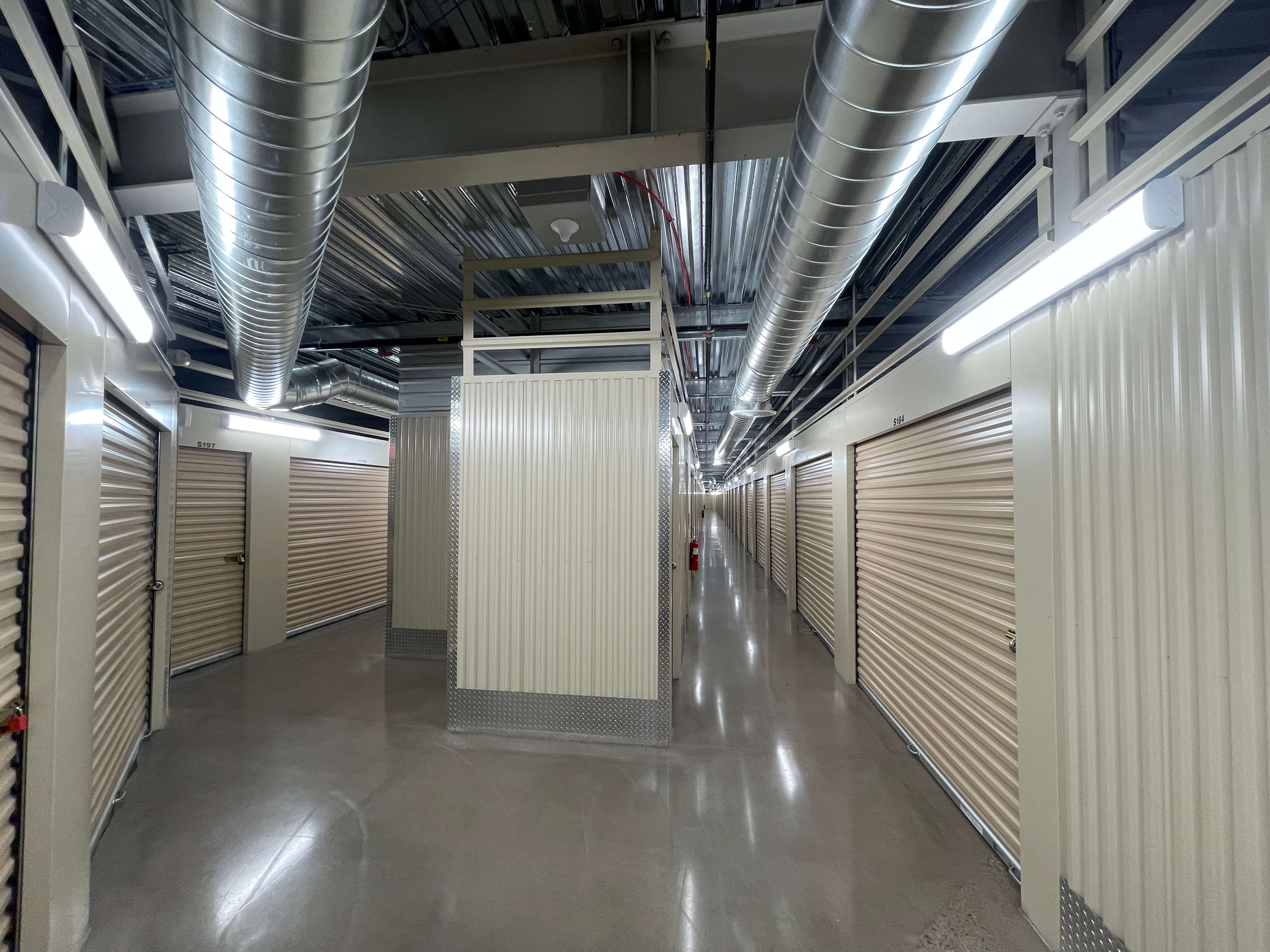
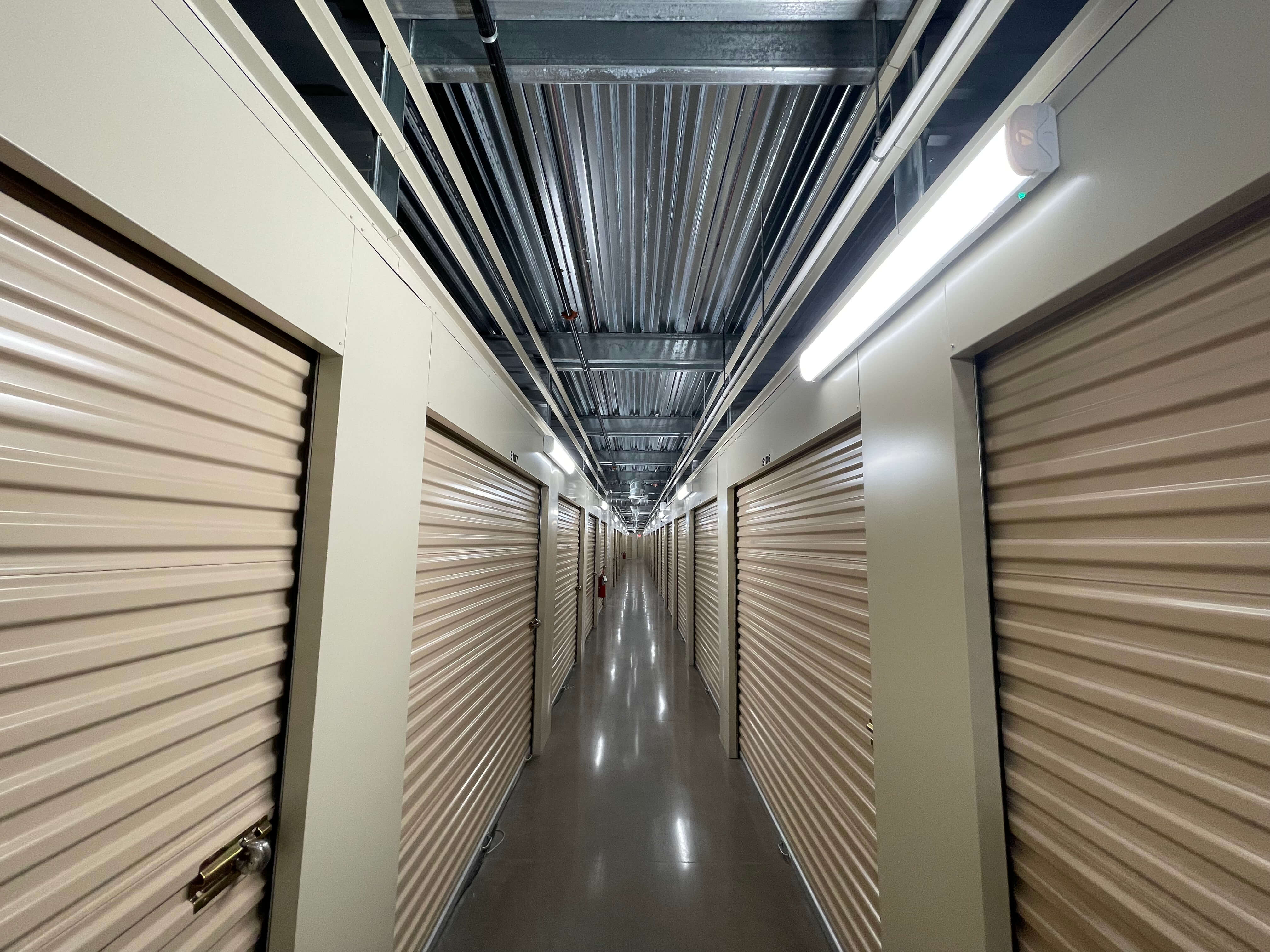
At McDowell Mountain Community Storage, we offer clean, secure storage units that act as an extension of your home. Whether storing seasonal decor, extra furniture, business supplies, or sentimental items, we help create breathing room in your basement while keeping your belongings safe and easily accessible.
By relocating rarely used belongings to off-site storage, we allow your basement to function as a practical living area rather than a crowded holding zone.
Thoughtful Decor Creates A Comfortable Basement Environment
Organization does not mean sacrificing style. Adding coordinated decor, framed photos, and cohesive colors enhances the overall look.
Matching baskets, coordinated containers, and neutral paint create a streamlined appearance. Even small decorative touches like wall art or accent pieces can transform a basement from utilitarian to inviting.
When the basement looks intentional and organized, we are more likely to keep it that way.
Digital Organization Complements Physical Storage
Physical decluttering can be paired with digital organization. We suggest scanning important documents or photos to reduce the need for paper storage. Digital files free up shelf space and protect important memories.
Keeping an inventory list—either printed or digital—helps track what is stored in specific bins or boxes. This is especially helpful for long-term storage or rarely accessed items.
Small Changes Deliver Big Results Over Time
Many homeowners assume a basement transformation requires a major renovation. In reality, small, strategic changes can deliver significant improvement.
Adding just one shelving unit, reorganizing one corner, or labeling a few storage bins can dramatically reduce visible clutter. Over time, consistent effort builds a fully optimized, functional space.
Basement Organization Enhances Daily Life And Home Value
A well-organized basement improves daily routines. It reduces stress, saves time searching for items, and creates more usable room for hobbies, work, and family gatherings.
Functional basements also add value to a home. Buyers appreciate clean, organized storage spaces and well-defined layouts.
By investing time in proper organization, we enhance both immediate comfort and long-term property appeal.
Organized Basements Start With The Right Support
At McDowell Mountain Community Storage, we understand that managing clutter can feel overwhelming. That is why we offer practical advice, flexible storage options, and secure facilities designed to support every stage of the organization process.
Whether you are decluttering, renovating, or simply seeking better ways to organize your basement, we are here to help. With the right approach, clear containers, smart shelving, and a consistent system, we can transform any basement into a clean, efficient, and functional extension of your home.
Thanks for trusting us to be part of your organization’s journey. When your basement needs extra breathing room, we are ready to provide the storage solutions that make life simpler, neater, and more organized.
Frequently Asked Questions (FAQs)
1. How do I organize a basement with low ceilings?
Low ceilings require strategic layout planning, shorter shelving units, and low-profile furniture. Keeping vertical storage proportional and using lighter paint colors can help prevent the space from feeling cramped.
2. What is the best flooring option for an organized basement?
Water-resistant flooring such as vinyl plank, sealed concrete, or tile works best in basements. These materials are durable, easier to clean, and better suited for moisture-prone environments.
3. How can I soundproof a basement used as a TV or entertainment area?
Adding area rugs, insulated wall panels, upholstered furniture, and acoustic ceiling tiles can help reduce noise transfer to upper floors.
4. What safety precautions should I consider when organizing heavy items?
Store heavy boxes on lower shelves, anchor tall shelving units to walls, and avoid stacking unstable containers. Proper weight distribution reduces the risk of tipping or injury.
5. How do I organize a basement that also houses HVAC or utility equipment?
Create a clear buffer zone around furnaces, water heaters, and electrical panels. Maintain required clearance for safety and easy maintenance access.
6. How can I make a basement feel less like storage and more like a living space?
Incorporate area rugs, comfortable seating, layered lighting, and decorative wall elements to visually separate living zones from storage areas.
7. What’s the best way to childproof an organized basement?
Install cabinet locks where necessary, secure heavy furniture to walls, use covered outlets, and keep sharp tools or hazardous materials in locked storage.
8. How do I manage long-term storage for sentimental items?
Use archival-quality containers, moisture absorbers, and a digital inventory list to track and protect keepsakes without overcrowding your space.
9. How often should I reassess my basement organization system?
A seasonal review—every three to four months—helps remove unused items and ensures your system still aligns with your household’s needs.
10. When should I consider professional help for basement organization?
If clutter feels overwhelming, space planning becomes complicated, or safety concerns arise, consulting a professional organizer or storage provider can streamline the process and reduce stress.