Storage Units Are Large, While Lockers Are Small And Affordable

When it comes to finding extra space for your belongings, choosing the proper storage solution can make all the difference. Whether you’re in the midst of a move, downsizing your home, managing business inventory, or simply looking to declutter, storage facilities offer a safe and convenient way to protect what matters most. However, with various storage options available — ranging from compact lockers to full-sized storage units — it can be challenging to determine which one best suits your specific storage needs, budget, and lifestyle.

When exploring storage options, it’s essential to understand the key differences between storage units and storage lockers. Each offers unique advantages in terms of size, features, cost, and accessibility. By learning the key differences, you’ll be able to make an informed decision and choose the best storage solution for your items at McDowell Mountain Community Storage — where security, flexibility, and convenience come together to give you peace of mind.

Storage Units Defined: Roomy, Flexible Spaces

A storage unit is a private, enclosed space inside a self-storage facility where you can rent enough room to accommodate furniture, appliances, boxes, and even vehicles. This article highlights that storage units are ideal for a wide range of situations, whether you’re storing household items, necessary paperwork, or business equipment. Storage units come in a variety of sizes, ranging from small, closet-sized spaces to extensive, garage-sized options, allowing you to choose the correct location and capacity for your specific needs. Many units include features such as drive-up access, climate control, and ground-floor accessibility, making them a flexible and secure alternative to smaller storage options. 

Storage units are ideal when your storage needs exceed what a locker can handle — such as storing household contents, business inventory, or larger items. Available across multiple locations, these units offer easy access and consistent quality, regardless of where you store them. Due to their versatility, storage units are the most common option offered in modern storage facilities, providing excellent flexibility for both short-term and long-term use.

Storage Lockers Defined: Compact, Budget-Friendly Compartments

A storage locker is a smaller, vertical compartment designed for lighter storage purposes. Lockers are typically limited in size and height, often around 4×5 feet or less. They are ideal for storing documents, seasonal gear, small electronics, or boxes of personal belongings.

Lockers are a cost-efficient solution for individuals or businesses with minimal storage needs. They allow you to pay only for the space you actually use. While they don’t offer the same capacity or range of features as full-sized units, they provide a secure and organized place for smaller items that don’t require a lot of room.

Size & Capacity: How Much Can You Store?

  • Storage lockers are limited in capacity and are better suited for smaller, stackable items. Their compact footprint means you won’t be able to fit tall furniture or large boxes inside.
  • Storage units, on the other hand, come in many sizes — from 5×5 feet for smaller needs to 10×30 feet or larger. This wide range allows you to select a unit that precisely meets your storage requirements.

Due to this flexibility, units can accommodate household storage, business inventory, vehicles, and equipment, including motorcycles, boats, and RVs. If you have large or bulky belongings, a unit is usually the best option.

Cost & Value: What You Pay vs. What You Get

  • Storage lockers typically cost less per month due to their smaller size and reduced overhead. They are ideal for individuals who require a modest amount of extra space without incurring the cost of unused capacity.
  • Storage units vary in cost depending on size, features, accessibility, and whether they include climate control. Although more expensive, they often offer better value for those with larger storage needs.

If your storage goals are small-scale or temporary, a locker can help you save money. But if you’re storing furniture, appliances, or vehicles, a larger unit delivers better long-term value and flexibility.

Access & Convenience: Ease of Getting to Your Items

  • Storage lockers are often located inside hallways or multi-level buildings. This offers additional security but can make it difficult to move large items.
  • Storage units typically provide drive-up access or ground-level entry, making loading and unloading easier. You can bring a vehicle, dolly, or ramp directly to your unit, making heavy lifting easier.

If you expect frequent visits or need to store large or heavy belongings, a storage unit offers more convenient access and organization options. This flexibility also benefits students managing dorm move-outs or seasonal transitions — making it a valuable insight often featured in a guide to self storage for college students

Climate Control & Environmental Protection

A significant difference between units and lockers is the availability of climate control. Many storage units include climate-controlled environments to regulate temperature and humidity, protecting sensitive items such as electronics, artwork, furniture, photos, and musical instruments.

Most storage lockers are not climate-controlled and remain in ambient conditions. If your belongings are susceptible to damage from heat, cold, or moisture, a climate-controlled unit is a safer choice.

Climate control also helps prevent mold, mildew, and warping — one of the key benefits of a climate-controlled storage unit, making it essential for long-term storage solutions or valuable personal items. 

Versatility & Use Cases

When to Choose a Storage Locker

  • Best for small items, such as documents, clothing, and seasonal gear.
  • Suitable for students, apartment dwellers, or minimalists.
  • Affordable option for short-term or low-volume storage.
  • Easier to keep tidy and organized.

When to Choose a Storage Unit

  • Ideal for furniture, appliances, business inventory, or multiple boxes.
  • Can accommodate vehicles, boats, or RVs.
  • Offers flexibility to upsize or downsize as your needs evolve.
  • Provides climate control, security, and drive-up convenience.
  • Works well for both household storage and commercial purposes.

Pros & Cons Summarized

Storage Lockers

Pros:

  • Lower monthly cost.
  • Compact and easy to manage.
  • Great for small belongings and personal items.
  • Simple organization and minimal maintenance.
  • Often located indoors for added security.

Cons:

  • Limited size and capacity.
  • Not suitable for large furniture or vehicles.
  • Rarely offer climate control or extra features.
  • Access may require stairs or shared hallways.
  • Less availability in some facilities.

Storage Units

Pros:

  • Wide range of sizes and options.
  • Supports vehicle storage for cars, motorcycles, RVs, and boats.
  • Drive-up access makes loading easier.
  • Climate control is available in many units.
  • Perfect for household storage, business inventory, and equipment.
  • Flexible rental terms for changing storage needs.
  • Available at most self-storage facilities with modern amenities.

Cons:

  • Higher cost compared to lockers.
  • A larger space requires more organization and effort.
  • May require longer-term planning to optimize usage.

Making the Decision: What to Evaluate

When choosing between a storage unit and a storage locker, consider the following factors:

  • What you plan to store – bulky items, vehicles, or numerous boxes favors a unit.
  • How often you’ll access items – frequent visits are easier with drive-up access.
  • Environmental sensitivity – choose climate-controlled storage for delicate items.
  • Budget – Lockers are more affordable for those with limited storage needs.
  • Flexibility – units allow for scaling up or down as your requirements change.
  • Convenience & accessibility – units offer better paths for loading and unloading.
  • Security – larger units often have enhanced surveillance and gated entry.

Evaluating your storage situation with these factors in mind helps ensure your belongings are safe, accessible, and well-protected.

Comprehensive Storage Solutions

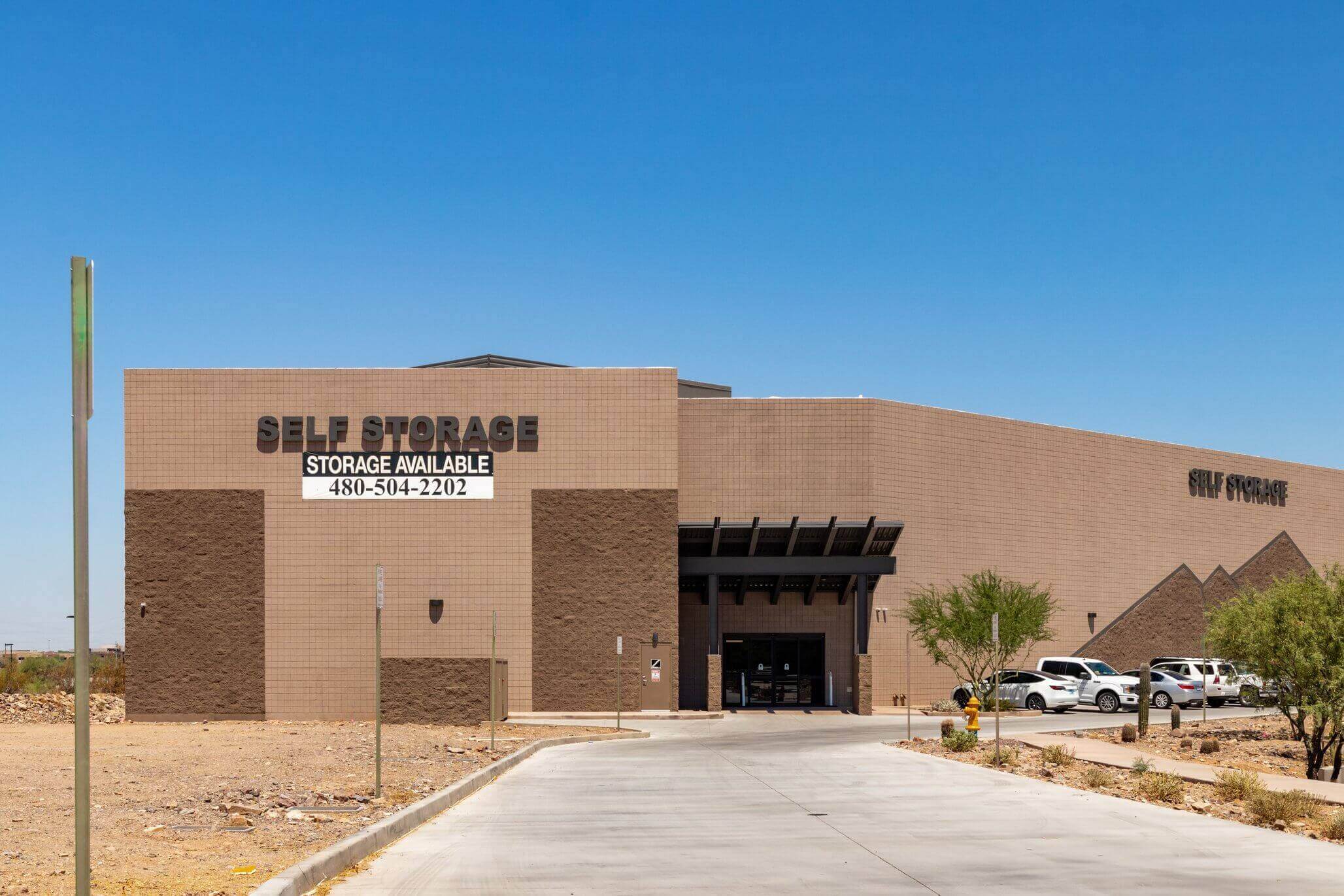
Storage units and storage lockers provided by McDowell Mountain Community Storage in Scottsdale Arizona
McDowell Mountain Community Storage in Scottsdale Arizona provides convenient storage units for personal and business use.

At McDowell Mountain Community Storage, we pride ourselves on offering a comprehensive range of storage solutions — from compact storage lockers to spacious storage units — to meet every storage need.

Variety of Sizes & Options

We offer a wide range of unit sizes and locker options, allowing you to find the perfect fit for your belongings. Whether you need a small locker for a few boxes or a large unit for furniture, we make it easy to choose the right space through a clear comparison of storage options tailored to your needs.

Climate Control & Protection

Our climate-controlled units maintain a consistent temperature and humidity, helping to protect sensitive items such as electronics, documents, and instruments. For those storing vehicles, equipment, or appliances, we ensure that each unit provides adequate security, access, and protection.

Vehicle & Equipment Storage

We offer vehicle storage for cars, motorcycles, boats, and RVs. Our secure facility includes drive-up access for easy entry and exit, with ample space to maneuver larger vehicles safely.

Security & Accessibility

Each storage facility is equipped with modern security systems, gated access, and surveillance cameras to provide peace of mind. Our goal is to combine convenience, protection, and flexibility to meet the expectations of every customer.

Flexible Rental Terms

Your storage needs may change over time, and we make it easy to adjust your unit or locker size as needed. With transparent pricing and flexible agreements, you’ll always have control over your storage solution.

Tips to Maximize Your Storage Experience

  1. Plan your layout – create aisles for accessibility and label boxes clearly.
  2. Stack safely – place heavier items at the bottom and lighter ones on top.
  3. Use shelving – vertical storage helps maximize space and organization.
  4. Wrap and protect – use covers for furniture and appliances to prevent damage.
  5. Opt for climate control when storing delicate or valuable items.
  6. Maintain an inventory – keep track of all stored belongings.
  7. Check security features – ensure your facility offers proper lighting and monitoring.
  8. Insure valuables – protect your items with appropriate coverage.

These strategies help you make the most of your rented storage space, whether it’s a locker or a full-sized unit.

Summary: The Difference at a Glance

  • Storage lockers are small, cost-effective compartments ideal for storing personal items, documents, or seasonal gear.
  • Storage units are larger, more versatile, and designed to accommodate furniture, appliances, vehicles, and business inventory.
  • Units generally offer better accessibility, features, and flexibility for both personal and commercial storage needs.
  • Lockers are ideal for minimalists and those seeking a budget-friendly option, while units offer long-term solutions for households and businesses alike.

At McDowell Mountain Community Storage, we’re dedicated to helping you choose the perfect storage option — providing clean, secure, and flexible storage facilities with the right balance of cost, convenience, and protection for your belongings.

Whether you need a compact storage locker or a spacious storage unit, our team is here to guide you every step of the way so you can store your items with complete confidence and peace of mind.

Frequently Asked Questions

1. How do I decide what size storage unit or locker I need?

Start by listing everything you plan to store and estimating the amount of floor space it will occupy. For example, a 5×5 locker is suitable for storing boxes and small décor, while a 10×20 unit can accommodate furniture, appliances, or an entire household. Facility staff can help you match your items to the right size for optimal efficiency.

2. What’s the difference between drive-up and indoor storage access?

Drive-up access allows you to park directly in front of your unit, making it easy to load and unload, ideal for large or heavy items. Indoor access, often used for lockers, offers added protection from weather and temperature changes, but may require walking through hallways.

3. Can I switch from a locker to a larger storage unit later?

Yes. Most facilities, including McDowell Mountain Community Storage, allow customers to upgrade or downsize their storage based on changing needs. This flexibility ensures you only pay for the space you actually use.

4. What types of items should not be stored in lockers or units?

Items such as perishable food, hazardous materials, flammable substances, or live plants and animals should never be stored in any facility. Always check your rental agreement for a list of prohibited items to ensure safety and compliance.

5. How is security managed at self-storage facilities?

Modern facilities typically include gated access, 24-hour video surveillance, keypad entry, and on-site staff monitoring. Some also feature motion lighting and individual unit alarms for added protection of your belongings.

6. Are storage units and lockers available at all facility locations?

Availability varies by location. While most McDowell Mountain Community Storage facilities offer both lockers and units, some smaller locations may feature limited locker space or specialized areas for vehicle storage. Always check with your preferred facility in advance to ensure availability.

7. How do climate-controlled units differ from standard storage?

Climate-controlled units maintain stable temperature and humidity levels, protecting sensitive items like electronics, wood furniture, paperwork, and artwork from warping or mold. Standard units or lockers are better suited for durable items and are exposed to ambient conditions.

8. Can businesses rent storage units for inventory or equipment?

Absolutely. Many local businesses utilize storage units to store excess stock, tools, marketing materials, and paperwork. Commercial tenants benefit from flexible rental terms, easy access, and the ability to scale their storage as their operations grow.

9. How long can I rent a storage unit or locker?

Storage rentals are highly flexible. You can rent short-term for a few weeks during a move or long-term for continuous storage needs. Most facilities offer month-to-month agreements with the option to extend at any time.

10. What insurance options are available for stored items?

While facilities take extensive security measures, customers are encouraged to take precautions to ensure the security of their stored belongings. Many offer affordable tenant protection plans or allow you to use your homeowner’s or renter’s insurance policy for added peace of mind.
Storage Facilities Offer Greater Security and Flexibility Than Home Storage

In today’s fast-paced world, finding reliable and secure storage solutions is more critical than ever. Whether you’re a homeowner overwhelmed with seasonal decorations and extra furniture or a business owner managing inventory overflow, the need for efficient and flexible storage is universal. While storing items at home may seem like the easiest option, it often comes with limitations in space, organization, and protection. In contrast, modern storage facilities offer a wide range of features designed to meet diverse needs—providing not just space, but peace of mind.

Storage facilities offer greater security and flexibility than home storage, making them an increasingly popular choice for individuals and businesses alike.

Storage Needs Must Be Assessed Before Choosing a Solution

Choosing between home storage and a professional storage facility begins with a thoughtful decision—one that depends on several key elements. You need to assess your storage needs, including the items, furniture, and belongings you plan to store. Whether you’re looking to declutter your home, manage business inventory, or prepare for a move, it’s essential to understand the volume, type, and duration of storage required. Gathering the correct information early on helps you make a more confident decision. Consider the reason for needing extra space, the cons of overcrowded areas at home, and the advantages of offsite delivery and convenience that storage facilities offer.

Everyday items needing storage include:

  • Seasonal decorations
  • Extra appliances
  • Archived documents
  • Tools and equipment
  • Hobby-related items
  • Stored vehicles or electronics

At McDowell Mountain Community Storage, we help you identify your specific needs and recommend the proper storage solutions based on size, type, and budget.

Storage Facilities Offer Dedicated Units With More Space

Unlike limited garage, attic, or closet space in your home, a professional storage facility provides a wide range of unit sizes and types designed for different contents.

From small boxes and personal belongings to larger items like furniture, artwork, and even vehicles, our facility offers:

  • Compact units for personal effects
  • Medium-sized storage units for full-room contents
  • Drive-up units for easy loading/unloading
  • Covered vehicle and pod spaces

This variety allows you to select the option that best fits your current storage needs while leaving room to expand if needed.

Security Features Provide Superior Protection at Storage Facilities

A key advantage of professional self-storage units is advanced security and protection. Home storage often lacks the infrastructure to keep valuables, electronics, or confidential documents fully secure.

At McDowell Mountain Community Storage, our facility features:

  • 24/7 HD surveillance cameras
  • Individual unit locks
  • Secure gated access with PIN codes
  • On-site staff for monitoring
  • Perimeter fencing and climate control systems

These security features help deter unauthorized access, theft, and damage—particularly important when storing high-value or sensitive items.

Climate Control Ensures Environmental Stability for Stored Items

Storing your belongings at home might expose them to fluctuating temperatures, humidity, and poor air circulation—especially in Arizona‘s extreme weather conditions. These environmental factors can damage electronics, wooden furniture, appliances, and artwork, making it critical to evaluate the differences between home storage and a professional storage solution. For many people living in the area, relying on a secure self-storage unit is a more innovative way to protect valuable items. Whether you’re a homeowner or run a small company, having dedicated storage space on hand helps you address storage needs without sacrificing livable space. This process is even more beneficial when storing bulkier items or pods, which require more room and protection than a typical home setup can provide. One of the significant pros of using a facility is reducing the physical labor and risk associated with cramming something fragile or important into an already overfilled space. 

Our climate-controlled storage units regulate both temperature and humidity, offering year-round protection for sensitive items. This environment helps prevent:

  • Mold and mildew
  • Warping of wood
  • Corrosion of metals
  • Pest infestations

If you’re storing things like musical instruments, important documents, or fragile antiques, climate control is essential.

Offsite Storage Improves Home Organization and Functionality

Choosing an offsite storage unit helps declutter your property, improves organization, and makes everyday spaces like your garage, hallways, or office more functional. Many homeowners across the U.S. unknowingly dedicate valuable living space to underutilized storage, not realizing the difference a well-designed building can make. A professional facility often includes practical amenities such as elevators, ground-level access, and a helpful guide to assist with smooth moves. These features not only save you money and time, but also reduce stress during the transition. In conclusion, investing in a modern storage unit is an innovative, space-saving solution for long-term convenience and protection. 

By moving seldom-used items offsite, you can:

  • Free up closets, rooms, or garages
  • Improve access to essentials
  • Maintain a cleaner home environment
  • Reduce visual clutter and stress

Our storage facility allows you to organize your stuff in clearly labeled containers or storage bins, with easy access and efficient use of space.

Accessibility and Convenience Are Improved With Self-Storage

While storing at home may seem more convenient, it often leads to disorganized, cramped spaces with limited access. In contrast, professional storage facilities like ours are designed with accessibility and user experience in mind.

At McDowell Mountain Community Storage, we provide:

  • Extended access hours and flexible entry
  • Wide hallways and easy-to-navigate layouts
  • Drive-up units and ground-level options
  • On-site customer service and support

Whether you’re visiting weekly or once a year, accessing your unit is always quick and hassle-free.

Storage Facility Costs Offer Long-Term Value

Although home storage may appear “free,” it comes with hidden costs—such as lost usable space, increased maintenance, and potential damage due to poor protection, especially when comparing a short-term and long-term storage unit as part of your overall storage strategy.

Storage facilities operate on transparent, predictable rental pricing based on:

  • Unit size
  • Duration of storage
  • Added features like climate control
  • Insurance or protection plans

McDowell Mountain Community Storage offers:

  • Competitive costs
  • No hidden fees
  • Flexible terms
  • Discounts for long-term rentals

This makes self-storage a wise budget choice, especially for large quantities of items or long-term needs.

Transportation to Storage Facilities Is Straightforward

Some worry that offsite storage complicates transportation. In reality, modern storage services simplify the move with well-located facilities and convenient loading zones.

We provide:

  • Ample truck access
  • Loading docks and drive-up entries
  • Dollies, carts, and ramps
  • Nearby locations within the city

Our team is happy to offer tips and guides on best packing practices and loading techniques to ensure a smooth experience from doorstep to unit.

Home Storage Has Limited Security and Storage Capacity

While home storage works for small items and frequently used tools, it falls short in several key areas:

  • Lack of climate regulation
  • Poor security
  • Limited unit sizes
  • Risk of theft, pests, or water damage

Furthermore, converting home space into storage may require construction, incur ongoing maintenance, and lower your property’s functional value.

Business and Office Storage Is More Efficient Offsite

Business storage needs continue to grow as companies face challenges managing seasonal inventory, outdated documents, office furniture, or promotional materials. Instead of leasing larger offices or cluttering your workplace, self-storage units offer a more efficient, cost-effective solution. Offsite business storage provides the flexibility to scale up or down based on demand, while keeping your operational spaces organized and productive. 

Our commercial clients enjoy:

  • Secure, accessible spaces
  • Month-to-month rental flexibility
  • Room for tools, electronics, and vehicles
  • A professional environment with reliable services

Whether you’re an e-commerce seller, real estate agent, or local artisan, offsite storage supports your business growth without expanding your footprint.

Vehicle and Large Item Storage Is Better in a Facility

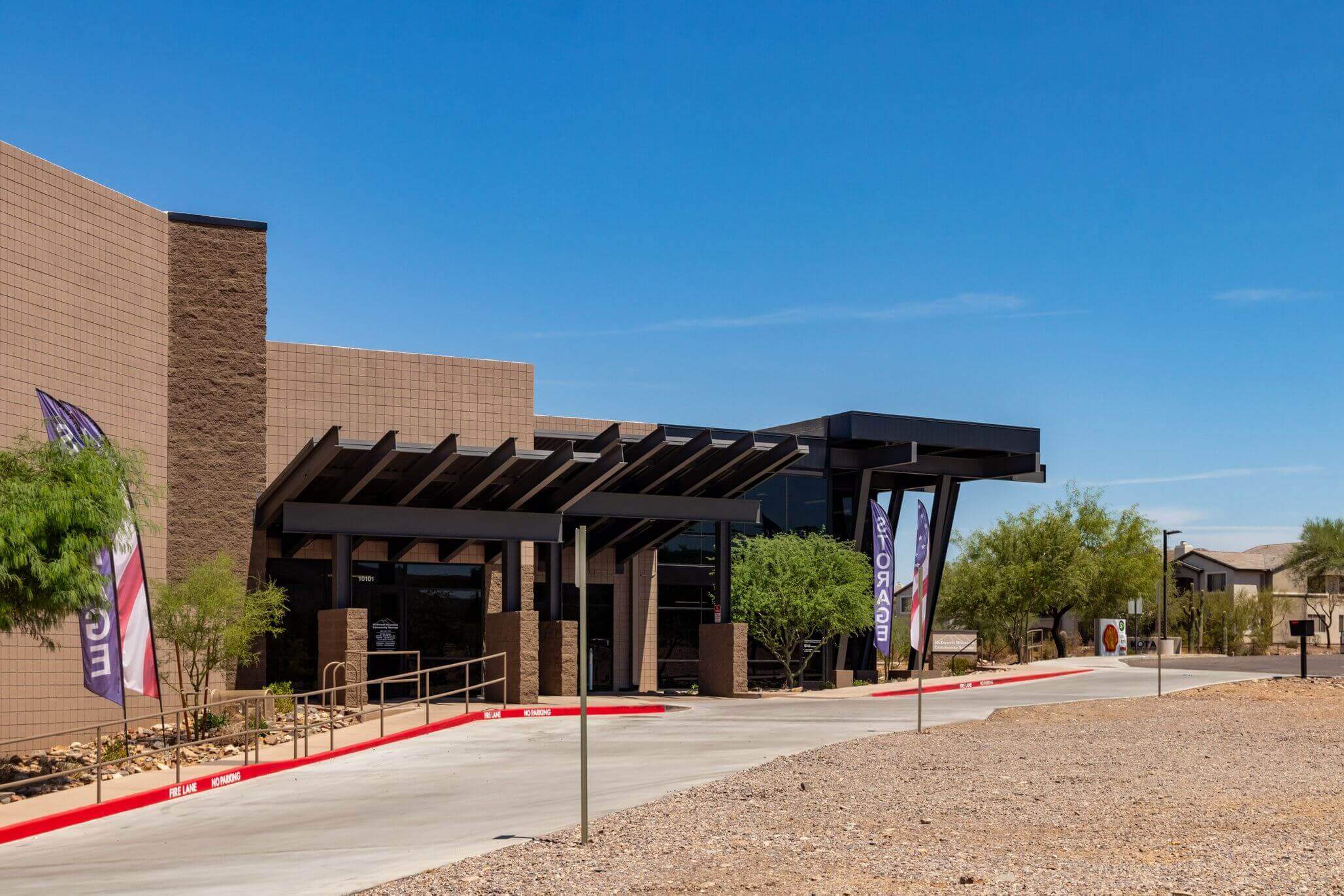
Security benefits of using McDowell Mountain Community Storage in Scottsdale Arizona over typical home storage options
McDowell Mountain Community Storage in Scottsdale Arizona provides advanced security for belongings compared to home storage

Storing cars, trucks, RVs, trailers, or large equipment at home poses security and space challenges. Local regulations, HOA restrictions, or lack of covered space make home storage impractical.

McDowell Mountain Community Storage offers:

  • Secured outdoor and indoor vehicle storage
  • 24/7 surveillance and gated access
  • Covered spaces for weather protection
  • Drive-up units for large furniture and appliances

For oversized or high-value items, professional storage ensures both protection and peace of mind.

Professional Staff Enhance Customer Experience

Our on-site staff and support team help streamline your entire storage process—from choosing a unit, signing paperwork, to understanding proper storage container use and insurance options.

We also provide:

  • Helpful customer service
  • Regular maintenance of facilities
  • Ongoing security monitoring
  • Guidance for both new and returning customers

At McDowell Mountain Community Storage, we’re more than a facility—we’re a storage partner committed to helping you make informed decisions.

Comparing Advantages and Disadvantages Objectively

Here’s a final comparison to summarize both storage options:

Cost

  • Home Storage: No monthly rent, but hidden costs over time (e.g., lost space, potential damage).
  • Storage Facility: Transparent pricing with flexible budget plans and optional insurance.

Space

  • Home Storage: Limited and often shared with living areas or the garage.
  • Storage Facility: Dedicated units available in various sizes to suit specific storage needs.

Security

  • Home Storage: Basic locks, no surveillance or professional oversight.
  • Storage Facility: Comprehensive security features including surveillance cameras, gated access, and on-site staff.

Climate Control

  • Home Storage: Typically lacks temperature and humidity control.
  • Storage Facility: Regulated environments that protect items from extreme weather and humidity.

Convenience

  • Home Storage: Immediate access, but often disorganized and cluttered.
  • Storage Facility: Organized layout, easy access with extended hours, and drive-up units.

Scalability

  • Home Storage: Difficult to expand without costly renovations or cluttering living areas.
  • Storage Facility: Scalable options with a variety of unit sizes and rental terms.

Maintenance

  • Home Storage: Maintenance and upkeep fall on the homeowner.
  • Storage Facility: Facility maintenance is handled by professional staff for a clean, secure environment.

Final Recommendation: Storage Facilities Provide Long-Term Benefits

If your storage needs are growing—or you’re seeking a secure, organized, and scalable solution—a professional storage facility is the superior choice.

At McDowell Mountain Community Storage, we offer:

  • Reliable, secure facilities
  • Wide range of unit sizes
  • Friendly, helpful staff
  • Clean, well-maintained spaces
  • Convenient location with easy access

Let us help you store your items safely and affordably—so you can focus on what matters most.

Contact Us Today

Reserve your storage unit now or speak with our team about available options. We’re here to help with every step—from selecting the right unit to providing tips for efficient packing and storage.

Frequently Asked Questions

1. What types of items are prohibited in a storage unit?

Most storage facilities prohibit flammable items, hazardous materials, perishable food, live animals, and illegal substances. Always check with the facility for a complete list of restricted items.

2. How do I choose the proper storage unit size for my needs?

Unit size depends on how much you’re storing and how often you’ll need to access it. For example, a 5×5 unit is great for boxes and small items, while a 10×20 unit can store the contents of an entire home. Ask for a size guide or use a virtual calculator for help.

3. Is insurance required for stored items?

Many storage facilities require insurance coverage, either through your homeowner’s or renter’s policy or a policy offered by the facility. Insurance protects your belongings against theft, fire, weather damage, and more.

4. What is the difference between indoor and outdoor storage units?

Indoor units are located within a building and often offer climate control, making them ideal for sensitive items. Outdoor units are more accessible by vehicle and great for storing large items like equipment or vehicles.

5. Can I access my storage unit outside of regular business hours?

Many modern facilities offer extended or even 24/7 access to your unit through secure gate codes or keycards. Be sure to confirm access hours when renting.

6. How secure are self-storage facilities at night?

Well-managed facilities offer round-the-clock surveillance, gated access, motion lighting, and on-site staff. These security measures help protect your unit day and night.

7. Are there any additional fees beyond monthly rent?

Besides rent, you may encounter fees for insurance, late payments, administration, or optional amenities like shelving, locks, or climate control. Always request a complete fee breakdown before signing.

8. How should I prepare my items for long-term storage?

Use plastic bins or heavy-duty boxes, label everything clearly, and protect furniture with covers. For electronics and documents, opt for climate-controlled units to prevent damage from humidity and extreme temperatures.

9. Do storage facilities offer help with moving or labor?

Some facilities offer moving assistance or partner with local movers. They may provide dollies, carts, and loading docks, and some even offer paid labor services upon request.

10. What happens if I miss a payment on my storage unit?

Most facilities have a grace period, followed by late fees. Continued non-payment can result in a lien sale or auction of your stored items, so it’s essential to stay on top of your account.