Storage Units Are Large, While Lockers Are Small And Affordable

When it comes to finding extra space for your belongings, choosing the proper storage solution can make all the difference. Whether you’re in the midst of a move, downsizing your home, managing business inventory, or simply looking to declutter, storage facilities offer a safe and convenient way to protect what matters most. However, with various storage options available — ranging from compact lockers to full-sized storage units — it can be challenging to determine which one best suits your specific storage needs, budget, and lifestyle.

When exploring storage options, it’s essential to understand the key differences between storage units and storage lockers. Each offers unique advantages in terms of size, features, cost, and accessibility. By learning the key differences, you’ll be able to make an informed decision and choose the best storage solution for your items at McDowell Mountain Community Storage — where security, flexibility, and convenience come together to give you peace of mind.

Storage Units Defined: Roomy, Flexible Spaces

A storage unit is a private, enclosed space inside a self-storage facility where you can rent enough room to accommodate furniture, appliances, boxes, and even vehicles. This article highlights that storage units are ideal for a wide range of situations, whether you’re storing household items, necessary paperwork, or business equipment. Storage units come in a variety of sizes, ranging from small, closet-sized spaces to extensive, garage-sized options, allowing you to choose the correct location and capacity for your specific needs. Many units include features such as drive-up access, climate control, and ground-floor accessibility, making them a flexible and secure alternative to smaller storage options. 

Storage units are ideal when your storage needs exceed what a locker can handle — such as storing household contents, business inventory, or larger items. Available across multiple locations, these units offer easy access and consistent quality, regardless of where you store them. Due to their versatility, storage units are the most common option offered in modern storage facilities, providing excellent flexibility for both short-term and long-term use.

Storage Lockers Defined: Compact, Budget-Friendly Compartments

A storage locker is a smaller, vertical compartment designed for lighter storage purposes. Lockers are typically limited in size and height, often around 4×5 feet or less. They are ideal for storing documents, seasonal gear, small electronics, or boxes of personal belongings.

Lockers are a cost-efficient solution for individuals or businesses with minimal storage needs. They allow you to pay only for the space you actually use. While they don’t offer the same capacity or range of features as full-sized units, they provide a secure and organized place for smaller items that don’t require a lot of room.

Size & Capacity: How Much Can You Store?

  • Storage lockers are limited in capacity and are better suited for smaller, stackable items. Their compact footprint means you won’t be able to fit tall furniture or large boxes inside.
  • Storage units, on the other hand, come in many sizes — from 5×5 feet for smaller needs to 10×30 feet or larger. This wide range allows you to select a unit that precisely meets your storage requirements.

Due to this flexibility, units can accommodate household storage, business inventory, vehicles, and equipment, including motorcycles, boats, and RVs. If you have large or bulky belongings, a unit is usually the best option.

Cost & Value: What You Pay vs. What You Get

  • Storage lockers typically cost less per month due to their smaller size and reduced overhead. They are ideal for individuals who require a modest amount of extra space without incurring the cost of unused capacity.
  • Storage units vary in cost depending on size, features, accessibility, and whether they include climate control. Although more expensive, they often offer better value for those with larger storage needs.

If your storage goals are small-scale or temporary, a locker can help you save money. But if you’re storing furniture, appliances, or vehicles, a larger unit delivers better long-term value and flexibility.

Access & Convenience: Ease of Getting to Your Items

  • Storage lockers are often located inside hallways or multi-level buildings. This offers additional security but can make it difficult to move large items.
  • Storage units typically provide drive-up access or ground-level entry, making loading and unloading easier. You can bring a vehicle, dolly, or ramp directly to your unit, making heavy lifting easier.

If you expect frequent visits or need to store large or heavy belongings, a storage unit offers more convenient access and organization options. This flexibility also benefits students managing dorm move-outs or seasonal transitions — making it a valuable insight often featured in a guide to self storage for college students

Climate Control & Environmental Protection

A significant difference between units and lockers is the availability of climate control. Many storage units include climate-controlled environments to regulate temperature and humidity, protecting sensitive items such as electronics, artwork, furniture, photos, and musical instruments.

Most storage lockers are not climate-controlled and remain in ambient conditions. If your belongings are susceptible to damage from heat, cold, or moisture, a climate-controlled unit is a safer choice.

Climate control also helps prevent mold, mildew, and warping — one of the key benefits of a climate-controlled storage unit, making it essential for long-term storage solutions or valuable personal items. 

Versatility & Use Cases

When to Choose a Storage Locker

  • Best for small items, such as documents, clothing, and seasonal gear.
  • Suitable for students, apartment dwellers, or minimalists.
  • Affordable option for short-term or low-volume storage.
  • Easier to keep tidy and organized.

When to Choose a Storage Unit

  • Ideal for furniture, appliances, business inventory, or multiple boxes.
  • Can accommodate vehicles, boats, or RVs.
  • Offers flexibility to upsize or downsize as your needs evolve.
  • Provides climate control, security, and drive-up convenience.
  • Works well for both household storage and commercial purposes.

Pros & Cons Summarized

Storage Lockers

Pros:

  • Lower monthly cost.
  • Compact and easy to manage.
  • Great for small belongings and personal items.
  • Simple organization and minimal maintenance.
  • Often located indoors for added security.

Cons:

  • Limited size and capacity.
  • Not suitable for large furniture or vehicles.
  • Rarely offer climate control or extra features.
  • Access may require stairs or shared hallways.
  • Less availability in some facilities.

Storage Units

Pros:

  • Wide range of sizes and options.
  • Supports vehicle storage for cars, motorcycles, RVs, and boats.
  • Drive-up access makes loading easier.
  • Climate control is available in many units.
  • Perfect for household storage, business inventory, and equipment.
  • Flexible rental terms for changing storage needs.
  • Available at most self-storage facilities with modern amenities.

Cons:

  • Higher cost compared to lockers.
  • A larger space requires more organization and effort.
  • May require longer-term planning to optimize usage.

Making the Decision: What to Evaluate

When choosing between a storage unit and a storage locker, consider the following factors:

  • What you plan to store – bulky items, vehicles, or numerous boxes favors a unit.
  • How often you’ll access items – frequent visits are easier with drive-up access.
  • Environmental sensitivity – choose climate-controlled storage for delicate items.
  • Budget – Lockers are more affordable for those with limited storage needs.
  • Flexibility – units allow for scaling up or down as your requirements change.
  • Convenience & accessibility – units offer better paths for loading and unloading.
  • Security – larger units often have enhanced surveillance and gated entry.

Evaluating your storage situation with these factors in mind helps ensure your belongings are safe, accessible, and well-protected.

Comprehensive Storage Solutions

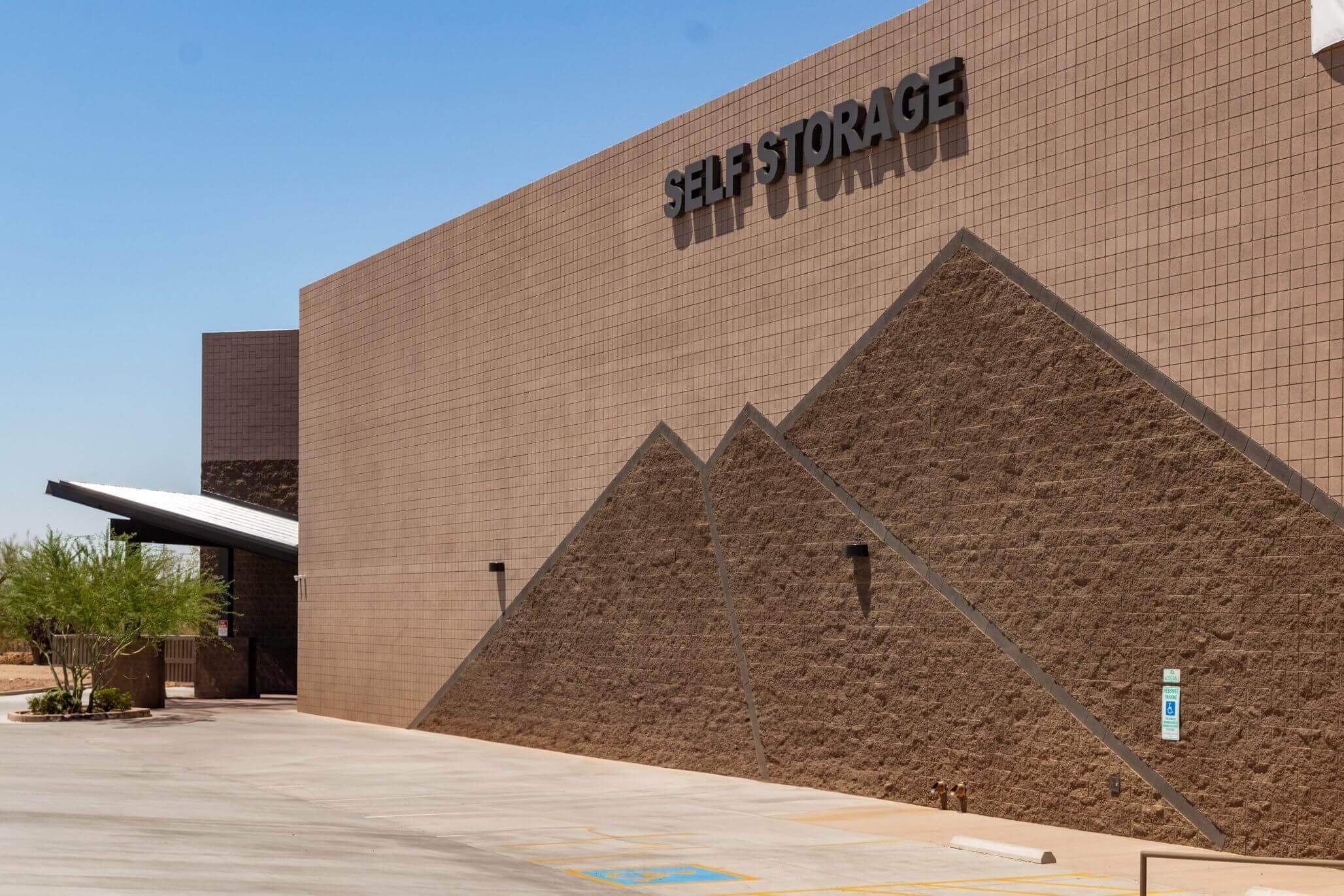
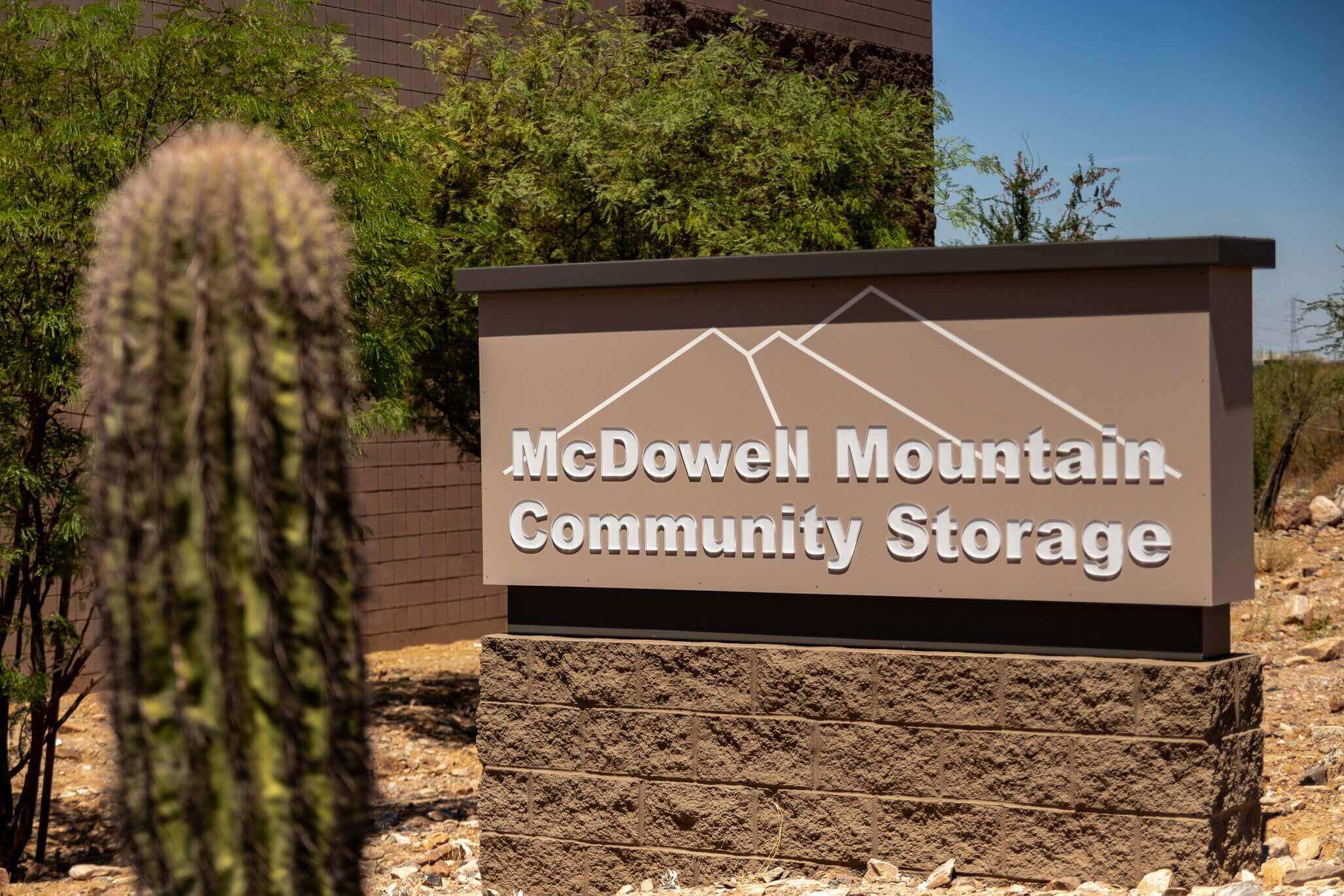
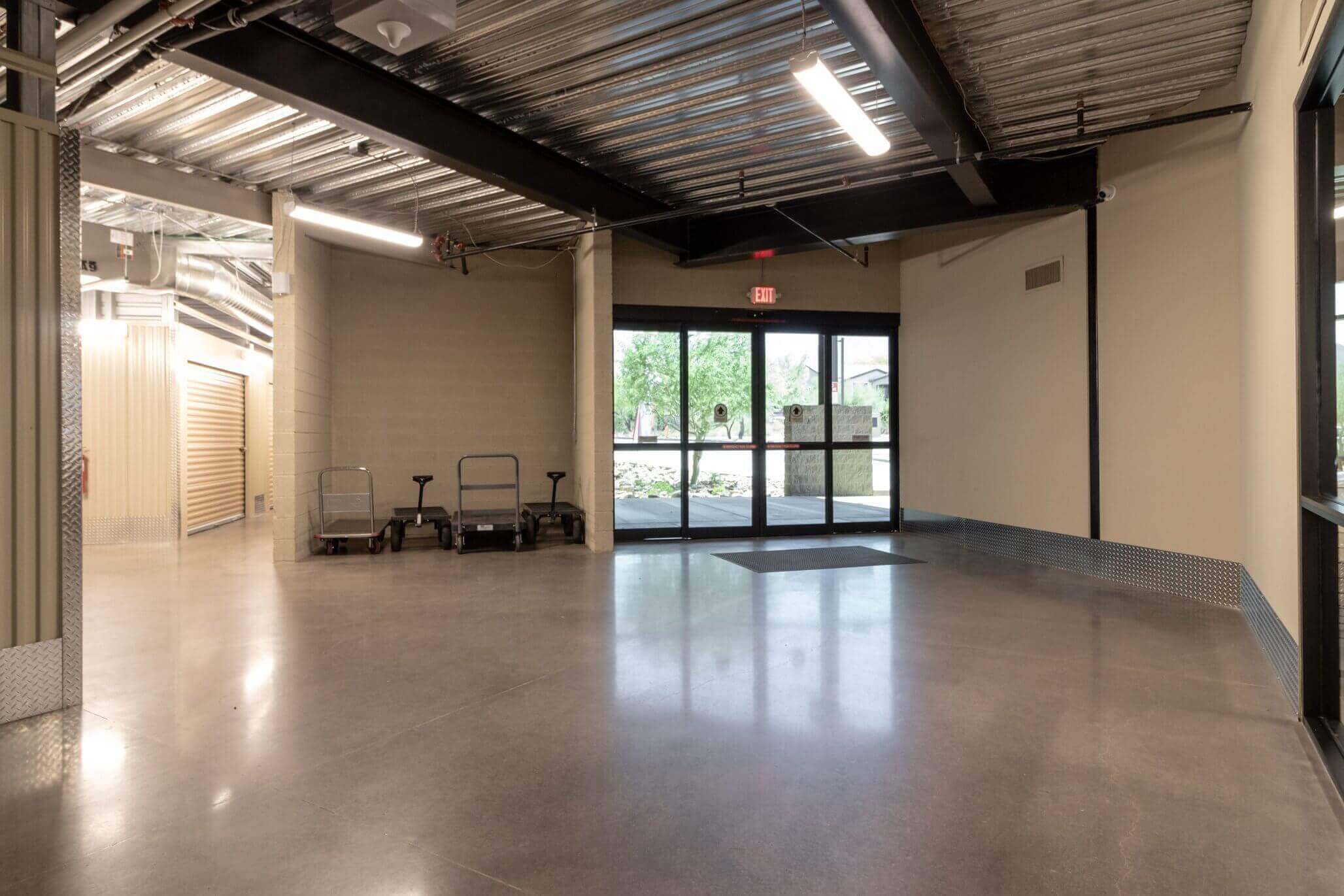
Storage units and storage lockers provided by McDowell Mountain Community Storage in Scottsdale Arizona
McDowell Mountain Community Storage in Scottsdale Arizona provides convenient storage units for personal and business use.

At McDowell Mountain Community Storage, we pride ourselves on offering a comprehensive range of storage solutions — from compact storage lockers to spacious storage units — to meet every storage need.

Variety of Sizes & Options

We offer a wide range of unit sizes and locker options, allowing you to find the perfect fit for your belongings. Whether you need a small locker for a few boxes or a large unit for furniture, we make it easy to choose the right space through a clear comparison of storage options tailored to your needs.

Climate Control & Protection

Our climate-controlled units maintain a consistent temperature and humidity, helping to protect sensitive items such as electronics, documents, and instruments. For those storing vehicles, equipment, or appliances, we ensure that each unit provides adequate security, access, and protection.

Vehicle & Equipment Storage

We offer vehicle storage for cars, motorcycles, boats, and RVs. Our secure facility includes drive-up access for easy entry and exit, with ample space to maneuver larger vehicles safely.

Security & Accessibility

Each storage facility is equipped with modern security systems, gated access, and surveillance cameras to provide peace of mind. Our goal is to combine convenience, protection, and flexibility to meet the expectations of every customer.

Flexible Rental Terms

Your storage needs may change over time, and we make it easy to adjust your unit or locker size as needed. With transparent pricing and flexible agreements, you’ll always have control over your storage solution.

Tips to Maximize Your Storage Experience

  1. Plan your layout – create aisles for accessibility and label boxes clearly.
  2. Stack safely – place heavier items at the bottom and lighter ones on top.
  3. Use shelving – vertical storage helps maximize space and organization.
  4. Wrap and protect – use covers for furniture and appliances to prevent damage.
  5. Opt for climate control when storing delicate or valuable items.
  6. Maintain an inventory – keep track of all stored belongings.
  7. Check security features – ensure your facility offers proper lighting and monitoring.
  8. Insure valuables – protect your items with appropriate coverage.

These strategies help you make the most of your rented storage space, whether it’s a locker or a full-sized unit.

Summary: The Difference at a Glance

  • Storage lockers are small, cost-effective compartments ideal for storing personal items, documents, or seasonal gear.
  • Storage units are larger, more versatile, and designed to accommodate furniture, appliances, vehicles, and business inventory.
  • Units generally offer better accessibility, features, and flexibility for both personal and commercial storage needs.
  • Lockers are ideal for minimalists and those seeking a budget-friendly option, while units offer long-term solutions for households and businesses alike.

At McDowell Mountain Community Storage, we’re dedicated to helping you choose the perfect storage option — providing clean, secure, and flexible storage facilities with the right balance of cost, convenience, and protection for your belongings.

Whether you need a compact storage locker or a spacious storage unit, our team is here to guide you every step of the way so you can store your items with complete confidence and peace of mind.

Frequently Asked Questions

1. How do I decide what size storage unit or locker I need?

Start by listing everything you plan to store and estimating the amount of floor space it will occupy. For example, a 5×5 locker is suitable for storing boxes and small décor, while a 10×20 unit can accommodate furniture, appliances, or an entire household. Facility staff can help you match your items to the right size for optimal efficiency.

2. What’s the difference between drive-up and indoor storage access?

Drive-up access allows you to park directly in front of your unit, making it easy to load and unload, ideal for large or heavy items. Indoor access, often used for lockers, offers added protection from weather and temperature changes, but may require walking through hallways.

3. Can I switch from a locker to a larger storage unit later?

Yes. Most facilities, including McDowell Mountain Community Storage, allow customers to upgrade or downsize their storage based on changing needs. This flexibility ensures you only pay for the space you actually use.

4. What types of items should not be stored in lockers or units?

Items such as perishable food, hazardous materials, flammable substances, or live plants and animals should never be stored in any facility. Always check your rental agreement for a list of prohibited items to ensure safety and compliance.

5. How is security managed at self-storage facilities?

Modern facilities typically include gated access, 24-hour video surveillance, keypad entry, and on-site staff monitoring. Some also feature motion lighting and individual unit alarms for added protection of your belongings.

6. Are storage units and lockers available at all facility locations?

Availability varies by location. While most McDowell Mountain Community Storage facilities offer both lockers and units, some smaller locations may feature limited locker space or specialized areas for vehicle storage. Always check with your preferred facility in advance to ensure availability.

7. How do climate-controlled units differ from standard storage?

Climate-controlled units maintain stable temperature and humidity levels, protecting sensitive items like electronics, wood furniture, paperwork, and artwork from warping or mold. Standard units or lockers are better suited for durable items and are exposed to ambient conditions.

8. Can businesses rent storage units for inventory or equipment?

Absolutely. Many local businesses utilize storage units to store excess stock, tools, marketing materials, and paperwork. Commercial tenants benefit from flexible rental terms, easy access, and the ability to scale their storage as their operations grow.

9. How long can I rent a storage unit or locker?

Storage rentals are highly flexible. You can rent short-term for a few weeks during a move or long-term for continuous storage needs. Most facilities offer month-to-month agreements with the option to extend at any time.

10. What insurance options are available for stored items?

While facilities take extensive security measures, customers are encouraged to take precautions to ensure the security of their stored belongings. Many offer affordable tenant protection plans or allow you to use your homeowner’s or renter’s insurance policy for added peace of mind.
Self Storage Provides Safe and Flexible Space for Your Belongings

Self-storage has become a reliable and convenient solution for people and businesses looking for additional space. It provides a practical way to organize everything from furniture during a move to seasonal items, electronics, and business inventory. This beginner’s guide provides essential information and ideas for efficiently managing your belongings, helping you understand how self-storage works and how to select the best unit for your specific needs. 

Self Storage Offers Flexible Solutions for Everyone

Self-storage allows a person to rent units at a storage facility to store belongings, boxes, furniture, and vehicles, such as a car or boat, safely. Units come in a lot of sizes and types, from small lockers suitable for documents, holiday decorations, or a garage-sized room, to large spaces capable of holding full household contents or business inventory. There are many reasons people choose self-storage, and an explicit rental agreement provides answers to common questions about accessing and using each part of the unit. 

Individuals frequently use self-storage for situations such as:

  • Moving or Downsizing: Temporary storage for furniture, electronics, and boxes while transitioning to a new home.
  • Seasonal Storage: Keeping holiday decorations, outdoor furniture, or sporting equipment safe during the off-seasons.
  • Protecting Valuable Items: Storing antiques, artwork, instruments, and electronics in controlled environments.

Businesses also benefit from self-storage, using units to store office equipment, documents, inventory, and vehicles. Making the right decision about which unit to rent is easier when you understand the basics of the self-storage industry and the range of storage unit sizes available. Facilities provide flexible access at different times, allowing both personal and professional users to retrieve or store any item. Before renting, it’s essential to know the name of the facility, the state it is located in, and ensure it can safely hold anything you plan to store. 

Storage Facilities Provide Security and Convenience

Modern self-storage facilities focus heavily on security, accessibility, and convenience. Security measures include gated access, key codes, surveillance cameras, alarm systems, and on-site staff. Each unit is secured by the renter’s lock, giving them complete control over who can access their belongings. When signing a contract, it is essential to choose the right size storage unit and understand the available storage spaces, including rooms or smaller sections. These features help ensure that articles and other items remain safe from theft, vandalism, or unauthorized access. In some cases, renters keep a track of items on one side of the unit for easier organization. For every reason related to security and accessibility, a self-storage facility provides peace of mind.

In addition to security, convenience is a key feature. Many facilities offer 24-hour access, drive-up loading, well-lit parking areas, and equipment like dollies, carts, and ramps to simplify the moving process. Facilities may also provide climate-controlled units for sensitive items, ensuring that belongings such as electronics, furniture, and documents are protected from extreme temperatures and humidity.

By choosing a facility with these features, renters can enjoy peace of mind knowing their items are secure, accessible, and well-maintained.

Climate-Controlled Units Protect Sensitive Belongings

Climate-controlled units are essential for storing items sensitive to temperature and humidity. Electronics, artwork, antiques, instruments, and wooden furniture can be damaged by extreme heat, cold, or moisture. These units maintain consistent environmental conditions, preventing deterioration, mold, and warping.

Even vehicles can benefit from climate control. Cars, motorcycles, RVs, and boats may experience paint or interior damage if exposed to fluctuating temperatures and sunlight. Understanding the benefits of climate-controlled storage unit use helps maintain the condition and value of vehicles and other sensitive belongings. This makes it a wise choice for high-value or delicate items, protecting against extreme temperatures, humidity, and environmental damage. 

Unit Types Cater to Different Needs

Self-storage facilities offer a range of unit types designed to accommodate different needs:

  • Indoor Units: Located within a building for added security and protection from the elements. Ideal for boxes, furniture, and sensitive electronics.
  • Outdoor Units: Drive-up units for more effortless loading and unloading of bulky items, such as appliances and large furniture.
  • Vehicle Storage: Spaces specifically designed for cars, motorcycles, RVs, and boats, often including covered or enclosed options.
  • Specialty Units: Climate-controlled or high-security units for valuable or delicate items, including artwork, antiques, and instruments.

Choosing the correct unit type is crucial for protecting items and ensuring convenient access. Consider what you plan to store, how often you’ll access it, and whether climate or security is a priority.

Choosing the Right Storage Unit Size

Selecting the correct unit size is critical for maximizing space and minimizing costs. Standard unit sizes include:

  • Small (5×5 to 5×10 feet): Perfect for boxes, small electronics, or holiday decorations.
  • Medium (10×10 to 10×15 feet): Ideal for apartment furniture, office equipment, and multiple boxes.
  • Large (10×20 to 10×30 feet): Suitable for full-house storage, vehicles, or large business inventory.

Before renting a unit, create a detailed inventory of items you plan to store, including furniture, electronics, documents, appliances, and fragile items. Planning your storage space prevents overpaying for a unit that is too large and avoids the frustration of a cluttered unit that is too small.

Consider special storage requirements. For example, delicate electronics, instruments, or artwork may require climate control, while vehicles may need covered or enclosed spaces. Taking these factors into account ensures the unit meets your long-term needs.

Packing and Organizing Your Storage Unit

Proper packing and organization are key to maximizing storage space and protecting items:

  • Use Durable Boxes: High-quality boxes prevent damage to fragile items like electronics and artwork.
  • Label Clearly: Label each box with its contents to simplify retrieval.
  • Protect Valuable Items: Wrap furniture, artwork, and instruments with bubble wrap, blankets, or protective padding.
  • Stack Strategically: Place heavier items on the bottom and lighter boxes on top.
  • Maintain an Inventory: Keep a detailed list of all stored items for insurance and easy access.

Efficiently organizing units ensures belongings remain in good condition and allows renters to retrieve items without difficulty. For larger items like furniture or appliances, consider disassembling pieces to save space and reduce the risk of damage.

Renting a Unit Is a Simple Process

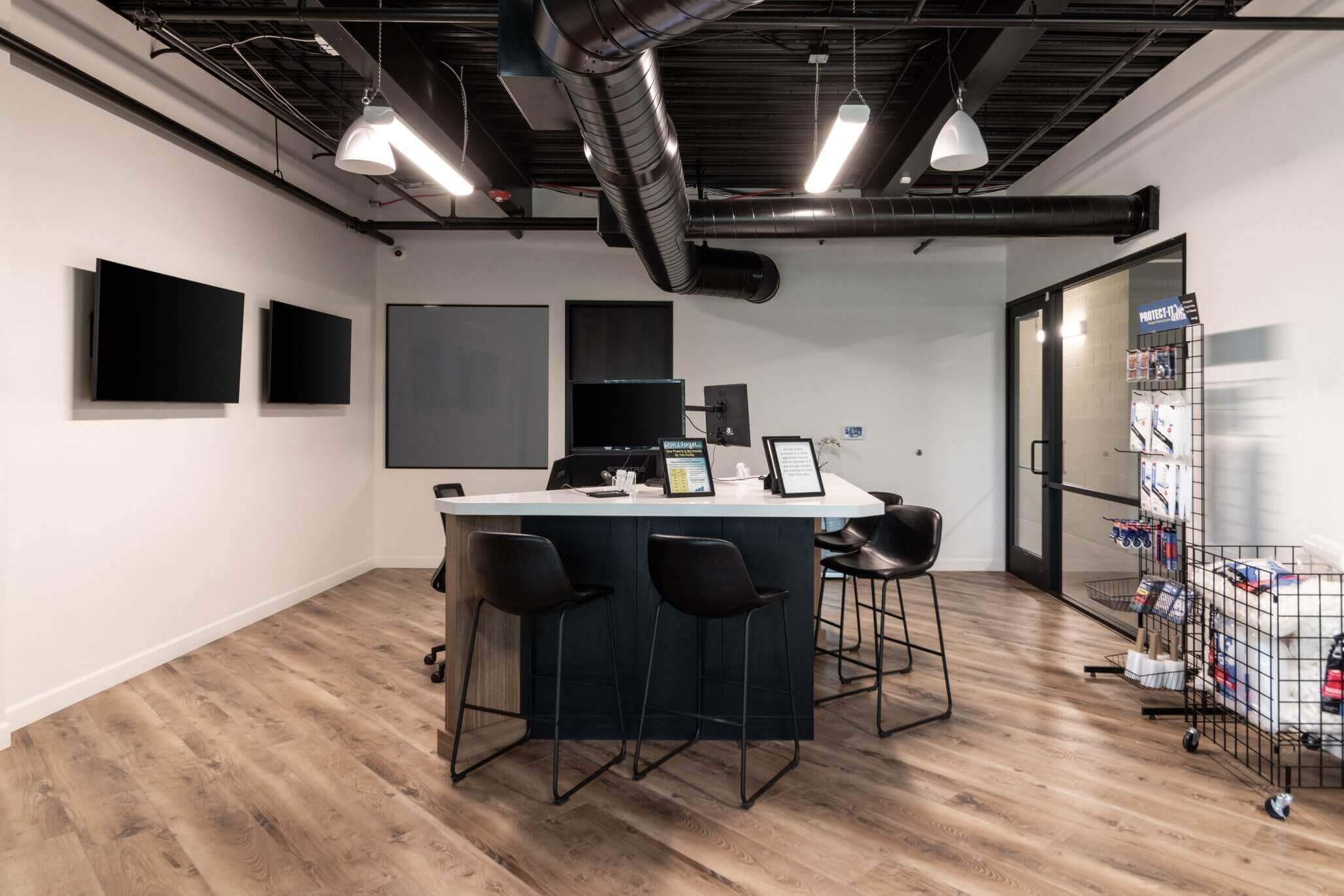
Wide view of self storage units and facility at McDowell Mountain Community Storage in Scottsdale Arizona
Explore the variety of storage unit sizes and types available at McDowell Mountain Community Storage located in Scottsdale Arizona

Renting a self-storage unit is straightforward:

  1. Research Facilities: Compare locations, amenities, unit types, and prices.
  2. Reserve a Unit: Book online or by phone to ensure availability.
  3. Review the Lease Agreement: Check rental fees, access hours, and insurance requirements.
  4. Move In: Transport your belongings, secure your unit with a lock, and maintain an updated inventory.
  5. Make Payments: Most facilities offer monthly payment plans or flexible leases for short-term or long-term storage.

Understanding the rental process helps new renters avoid common mistakes and ensures a smooth experience. Facilities may also provide moving assistance, such as dollies, carts, or packing materials, making the process more convenient.

Pricing Factors Affect Self-Storage Costs

The cost of a self-storage unit depends on multiple factors:

  • Unit Size: Larger units generally have higher monthly fees.
  • Climate Control: Temperature- and humidity-controlled units may cost more.
  • Location: Facilities in high-demand areas often have higher prices.
  • Lease Duration: Short-term rentals can be more expensive per month compared to long-term leases.
  • Additional Services: Insurance, vehicle storage, and packing materials may affect the total cost.

By evaluating your storage needs and comparing multiple facilities, you can choose an option that balances cost, convenience, and security. Consider potential hidden fees or extra charges for late payments, access, or insurance.

Security Measures Ensure Peace of Mind

High-quality self-storage facilities provide multiple security measures to protect belongings, inventory, and vehicles:

  • Gated Access and Key Codes: Restricts entry to authorized customers.
  • Surveillance Cameras: Monitor the property and deter theft.
  • On-Site Staff: Offer assistance and monitor activity.
  • Individual Unit Locks: Give renters control over access to their belongings.

These security measures create a safe environment, allowing customers to store valuable items like electronics, antiques, artwork, and instruments with confidence.

Businesses Benefit from Self Storage

Self-storage is ideal for businesses looking for extra space:

  • Inventory Storage: Store seasonal stock or excess products.
  • Document Storage: Protect essential records and files.
  • Equipment Storage: Utilize free office space to store rarely used equipment or appliances.
  • Vehicle Storage: Secure company cars, trucks, or boats.

Business storage and how renting a unit boosts efficiency provide a cost-effective and flexible solution for businesses that need extra space. Facilities may also offer specialized services tailored to business customers, such as shipping, delivery, or multiple-unit rentals, helping companies manage inventory, equipment, and documents more efficiently. 

Choosing the Best Location

The correct storage facility location is key for convenience and cost efficiency:

  • Proximity: Facilities close to your home, office, or business save time and effort.
  • Accessibility: Wide roads, driveways, and parking spaces accommodate large vehicles.
  • Multiple Locations: Some companies offer flexibility across several facilities.

Location affects both convenience and pricing, so it should be a primary factor in choosing a self-storage facility like McDowell Mountain Community Storage

Insurance and Safety Tips

Protecting your items is essential:

  • Renters Insurance: Covers potential damage or theft.
  • Packing Materials: Bubble wrap, padding, and sturdy boxes protect fragile items.
  • Climate Considerations: Sensitive items should be stored in temperature- and humidity-controlled units.
  • Vehicle Maintenance: Stored vehicles should be maintained and protected from environmental damage.

By planning and taking safety precautions, customers can avoid common risks and ensure the longevity of their stored items.

Tips for Maximizing Storage Space

To make the most of your storage unit:

  • Disassemble Furniture: Saves space and reduces the risk of damage.
  • Stack Uniform Boxes: Optimizes vertical space.
  • Use Shelving: Keeps smaller items organized.
  • Keep Frequently Used Items Accessible: Place them near the front.
  • Protect Fragile Belongings: Wrap electronics, artwork, and antiques carefully.

These tips enable renters to store their items while maintaining easy access and efficient organization.

Long-Term and Temporary Storage Solutions

Self-storage accommodates both temporary and long-term storage needs:

  • Temporary Storage: Ideal during moves, renovations, or travel.
  • Long-Term Storage: Suitable for seasonal items, business inventory, or estate storage.
  • Flexible Leases: Rent units monthly or for extended periods depending on your storage needs.

The flexibility of self-storage allows renters to adapt as their needs change over time.

Bottom Line on Self Storage

Self-storage is a safe, flexible, and convenient solution for managing belongings, furniture, vehicles, and business inventory. By understanding unit types, sizes, security measures, pricing, and planning storage strategies, renters can make informed decisions that meet their specific needs.

McDowell Mountain Community Storage provides a variety of self-storage units, climate-controlled spaces, and vehicle storage options with high-level security features. Whether storing household items, business inventory, or vehicles, these facilities offer convenience, peace of mind, and organized storage solutions.

With proper planning, packing, and the right facility, self-storage is a cost-effective and reliable solution for individuals and businesses seeking additional space.

Frequently Asked Questions

1. Can I store items that I need frequent access to?

Yes. When choosing a unit, consider its location within the facility and access times. Placing frequently used items near the side or front of the unit makes retrieval faster.

2. Are there storage options for very large or unusually shaped items?

Yes. Some storage spaces and rooms can accommodate bulky items such as furniture, boats, or large equipment. Proper planning of the unit size ensures everything fits safely.

3. How do I track what’s inside my storage unit?

Keeping a written or digital inventory of items helps you track belongings. This ensures you know where everything is and can locate anything quickly without unpacking the entire unit.

4. Can I rent more than one storage unit at a time?

Yes. Renting multiple units is an option for larger households, businesses, or individuals who need to store collections of articles and things in separate rooms for better organization.

5. What kind of locks are recommended for storage units?

A high-quality padlock is recommended. Some renters use keyed locks, while others choose combination locks for convenience. Proper locking ensures all items remain secure.

6. How should I pack fragile or valuable items?

Fragile items, such as electronics, artwork, and instruments, should be wrapped in protective materials like bubble wrap and stored in sturdy boxes. Placing them off the floor and away from walls helps prevent damage.

7. Can I use a storage unit to store items during a renovation?

Yes. Units are ideal for temporarily storing furniture, appliances, and things while rooms are being renovated. Proper organization helps keep items safe from dust, paint, and moisture.

8. How do seasonal changes affect my stored items?

Items sensitive to heat, cold, or humidity may require climate-controlled storage spaces. Electronics, wooden furniture, and documents benefit from consistent temperature and humidity levels.

9. Is there a way to save space when storing many small items?

Yes. Group small items in clearly labeled boxes and place them strategically in the unit. Using vertical space efficiently and stacking items correctly maximizes the storage space available.

10. Can I combine different types of storage items in one unit?

Yes, but careful organization is essential. Combining articles, furniture, boxes, and things works best when heavier items are placed at the bottom and lighter or fragile items on top. Keeping a track of what is stored in each room or section of the unit prevents confusion.

Your Guide to a 5×5 Storage Unit

At McDowell Mountain Community Storage, we understand the value of space. Whether you’re decluttering your apartment, preparing for a move, or undergoing a renovation, a 5×5 storage unit offers an ideal solution to securely pack, stack, and store your essential items. Conveniently located near Las Vegas and serving customers across the United States, our facility offers a competitive price with no hidden fees, making it easy to rent the perfect space for your needs. We offer a range of storage options, including specialized RV storage and boat storage, all backed by top-tier ESS (Exceptional Service Standards) to ensure your belongings are safe, accessible, and efficiently stored. 

In this Guide, we’ll explore everything you need to know about 5×5 storage units, from their size and capacity to tips on how to organize and maximize your storage space. Whether you’re comparing facilities like Extra Space Storage, browsing local stores for packing supplies, or considering unit availability in Washington, D.C., understanding the unique features of different properties will help you make the most informed decision for your storage needs. 

What Is a 5×5 Storage Unit?

A 5×5 storage unit is 5 feet wide and 5 feet deep, offering a total of 25 square feet of space—roughly the size of a small walk-in closet or half a standard bathroom. Though compact, this unit can hold more than you might expect, making it a popular selection among various self storage properties. From seasonal decorations to extra household content, this versatile unit is perfect for maximizing your available space without overwhelming your living area. It’s ideal for storing:

  • Boxes of household items
  • Small furniture such as end tables, chairs, or lamps
  • Seasonal clothing, decorations, or supplies
  • Office documents and business inventory
  • Personal belongings like accessories, containers, and books

This storage solution is well-suited for individuals living in cities such as Chicago, Los Angeles, Miami, or New York, where space is often limited and storage needs are high.

Who Should Consider a 5×5 Storage Unit?

Our customers come from diverse backgrounds and locations across the United States—ranging from Phoenix and Houston to Memphis, Dallas, Atlanta, and Baltimore —and they rely on us for a wide range of storage needs. Some need short-term solutions during a move, while others require long-term space for a variety of personal or business items. Whether you’re storing the contents of an apartment or unloading a truck full of household goods, we offer units that accommodate nearly any amount of belongings. A 5×5 storage unit is suitable for:

  • College students on break or studying abroad
  • Military members relocating temporarily
  • City dwellers in apartments with no storage room
  • Small business owners needing off-site inventory space
  • Families transitioning between homes
  • Individuals storing furniture, clothing, or household items during renovations

Whether you’re in Washington, D.C., Salt Lake City, New Jersey, Pennsylvania, Florida, Georgia, Rhode Island, New Mexico, or North Carolina, the 5×5 unit remains a convenient and flexible option.

Storage Unit Features and Amenities

At McDowell Mountain Community Storage, our facilities are equipped with modern amenities to make your storage experience seamless:

  • Climate-controlled storage unit options to protect temperature-sensitive contents
  • 24/7 access to your unit
  • Secure digital lock and gate access systems
  • Digital account management tools via our mobile app
  • Multilingual support, including Español
  • Helpful faq, tips, and advice from our team

We also provide rental agreements that cater to both short-term and long-term storage unit users. Whether you’re storing for a few weeks or several months, we’ve got a plan for you. With customers from across the country, including various states such as Florida, we offer flexible and convenient options that cater to a wide range of storage needs and timelines.

How Much Can You Store?

Despite its compact size, a 5×5 unit offers impressive capacity. You can comfortably fit:

  • 8–12 medium-sized boxes
  • 1–2 small pieces of furniture
  • Several bags of clothes
  • Small household items, lamps, and accessories

With a little organization, you can even store a bike, motorcycle accessories, or essentials in a walk-in closet. We recommend stacking boxes and using compact, efficient containers to maximize your space.

Comparing Unit Sizes

Is a 5×5 the proper storage unit size for you? Here’s a comparison:

  • 5×5 unit – Great for seasonal items, small furniture, and personal belongings
  • 5×10 unit – Holds contents of a small bedroom
  • 10×10 unit – Suitable for a 1-bedroom apartment
  • 10×20 unit – Best for vehicle storage or a multi-room home

By understanding your storage needs, you can choose the right unit and save storage unit costs.

How Much Does It Cost?

Storage unit prices vary by city, neighborhood, and state. For example:

  • In San Francisco or New York, you may pay more due to high demand
  • In Utah, NJ, or NC, rates are more affordable
  • At our Phoenix location, we offer competitive prices, discounts, and seasonal promotions

Factors influencing cost include:

  • Whether the unit is climate-controlled
  • Location within the facility
  • Length of rental
  • Demand in your location

Contact our team or use our app to get an instant quote.

Business Use of 5×5 Units

Small businesses and information business operators often need quick, secure storage solutions. A 5×5 storage unit is perfect for:

  • Storing documents, files, and paperwork
  • Managing supplies, stock, or trademarks
  • Housing excess inventory or equipment
  • Temporary storage during office moves or expansions

With secure access, climate-control, and helpful staff, our facilities support your growing company across multiple locations.

Making the Most of Your Space

To maximize your 5×5 storage unit:

  • Use vertical height by stacking containers
  • Place heavier items on the bottom
  • Store frequently used contents near the front
  • Label all boxes clearly
  • Disassemble small furniture to save room
  • Use furniture pads to protect delicate household items

You can also utilize storage accessories, such as shelving, corner units, and drawer systems, to organize your unit more efficiently.

Frequently Stored Items

Here are the most common items customers store in a 5×5 unit:

  • Seasonal clothing and furniture
  • Sporting goods and bike equipment
  • Holiday decorations
  • Office Supplies
  • Dorm contents
  • Small appliances
  • Baby gear

People choose these units to free up space at home without having to get rid of valuable belongings.

Benefits of Storing With Us

Interior view of a 5×5 storage unit at McDowell Mountain Community Storage in Scottsdale Arizona showcasing organized boxes and small furniture
A look inside a compact and secure 5×5 storage unit at McDowell Mountain Community Storage in Scottsdale Arizona ideal for boxes furniture and seasonal items

When you choose McDowell Mountain Community Storage, you benefit from:

  • Transparent storage unit prices
  • No hidden fees
  • BBB accreditation
  • Professional customer service
  • Secure and climate-controlled storage facilities
  • Accessible locations in Phoenix and surrounding neighborhoods

Our mission is to help you store your belongings with confidence, offering flexibility, security, and convenience.

Access and Security

We prioritize the privacy choices and rights of our customers. That means:

  • 24/7 video monitoring
  • Controlled access
  • Custom PIN entry
  • Locked storage units for maximum safety

Whether you’re storing family keepsakes, furniture, or important documents, you can rest easy knowing your unit is secure.

Commitment to Sustainability

We’re proud to operate with sustainability in mind:

  • Eco-friendly lighting and energy-efficient facilities
  • Recycling options for boxes and packing materials
  • Digital report tools to reduce paper waste

As a trusted storage unit operator, we believe in serving both our customers and the planet.

Get Started Today

Still have questions? Need help choosing a unit? Reach out to our friendly staff for more information, or visit us online to:

  • Browse available units
  • Check storage unit prices
  • Review services, features, and storage facility maps
  • Read verified socials and reviews from other customers

You can even manage your entire account online—from signing your rental agreement to setting up auto-pay.

Final Thoughts

A 5×5 storage unit might be small, but it packs a big punch when it comes to convenience, efficiency, and cost savings. Whether you’re storing boxes for a month or looking for climate-controlled self-storage for the year, this unit provides everything you need in one compact space.

Trust McDowell Mountain Community Storage to guide you through every step—because when it comes to protecting your belongings, we’re committed to making storage simple, secure, and innovative.

Frequently Asked Questions

1. Can I store electronics in a 5×5 storage unit?

Yes, you can store electronics like laptops, monitors, and small TVs. However, we recommend choosing a climate-controlled storage unit to prevent damage from temperature fluctuations or humidity.

2. Is insurance required for my 5×5 storage unit?

While insurance may not be required in all cases, it is strongly recommended to protect your belongings from unforeseen events like theft, fire, or natural disasters. Many storage facilities offer low-cost insurance plans or allow you to use your homeowner’s or renter’s policy.

3. How secure are 5×5 units compared to larger units?

Security features apply to all units, regardless of size. At McDowell Mountain Community Storage, our 5×5 units include surveillance cameras, gated access, and personal lockable doors—offering the same level of security as larger spaces.

4. Can I upgrade from a 5×5 unit if I need more space later?

Absolutely. If your storage needs grow, we make it easy to switch to a larger unit with minimal hassle. Please speak to our staff or manage the upgrade directly through your online account.

5. Is there lighting inside a 5×5 storage unit?

Most 5×5 units do not include individual lighting due to their compact size. However, our facility is well-lit with motion-detected hall lighting for convenience and safety.

6. What happens if I miss a payment?

If you miss a payment, we typically offer a short grace period before applying a late fee. Continued non-payment may result in restricted access and, eventually, auction procedures as outlined in your rental agreement.

7. Can I access my 5×5 storage unit anytime?

Yes, our facility offers 24/7 access, allowing you to visit your storage unit at your convenience—day or night.

8. Do I need to bring my lock?

You can bring your lock or purchase one on-site at our facility stores. We recommend a disc or cylinder lock for maximum security.

9. Can I use a 5×5 storage unit for storing business inventory?

Yes, a 5×5 unit is perfect for small business owners who need off-site space for supplies, documents, or a limited inventory, especially in high-rent areas like Las Vegas or Washington, D.C.

10. Is there a minimum rental period for a 5×5 storage unit?

We offer flexible rental terms with no long-term commitment required. Whether you need storage for one week or several months, we’ll tailor the agreement to your specific needs.