Self Storage Provides Safe and Flexible Space for Your Belongings

Self-storage has become a reliable and convenient solution for people and businesses looking for additional space. It provides a practical way to organize everything from furniture during a move to seasonal items, electronics, and business inventory. This beginner’s guide provides essential information and ideas for efficiently managing your belongings, helping you understand how self-storage works and how to select the best unit for your specific needs. 

Self Storage Offers Flexible Solutions for Everyone

Self-storage allows a person to rent units at a storage facility to store belongings, boxes, furniture, and vehicles, such as a car or boat, safely. Units come in a lot of sizes and types, from small lockers suitable for documents, holiday decorations, or a garage-sized room, to large spaces capable of holding full household contents or business inventory. There are many reasons people choose self-storage, and an explicit rental agreement provides answers to common questions about accessing and using each part of the unit. 

Individuals frequently use self-storage for situations such as:

  • Moving or Downsizing: Temporary storage for furniture, electronics, and boxes while transitioning to a new home.
  • Seasonal Storage: Keeping holiday decorations, outdoor furniture, or sporting equipment safe during the off-seasons.
  • Protecting Valuable Items: Storing antiques, artwork, instruments, and electronics in controlled environments.

Businesses also benefit from self-storage, using units to store office equipment, documents, inventory, and vehicles. Making the right decision about which unit to rent is easier when you understand the basics of the self-storage industry and the range of storage unit sizes available. Facilities provide flexible access at different times, allowing both personal and professional users to retrieve or store any item. Before renting, it’s essential to know the name of the facility, the state it is located in, and ensure it can safely hold anything you plan to store. 

Storage Facilities Provide Security and Convenience

Modern self-storage facilities focus heavily on security, accessibility, and convenience. Security measures include gated access, key codes, surveillance cameras, alarm systems, and on-site staff. Each unit is secured by the renter’s lock, giving them complete control over who can access their belongings. When signing a contract, it is essential to choose the right size storage unit and understand the available storage spaces, including rooms or smaller sections. These features help ensure that articles and other items remain safe from theft, vandalism, or unauthorized access. In some cases, renters keep a track of items on one side of the unit for easier organization. For every reason related to security and accessibility, a self-storage facility provides peace of mind.

In addition to security, convenience is a key feature. Many facilities offer 24-hour access, drive-up loading, well-lit parking areas, and equipment like dollies, carts, and ramps to simplify the moving process. Facilities may also provide climate-controlled units for sensitive items, ensuring that belongings such as electronics, furniture, and documents are protected from extreme temperatures and humidity.

By choosing a facility with these features, renters can enjoy peace of mind knowing their items are secure, accessible, and well-maintained.

Climate-Controlled Units Protect Sensitive Belongings

Climate-controlled units are essential for storing items sensitive to temperature and humidity. Electronics, artwork, antiques, instruments, and wooden furniture can be damaged by extreme heat, cold, or moisture. These units maintain consistent environmental conditions, preventing deterioration, mold, and warping.

Even vehicles can benefit from climate control. Cars, motorcycles, RVs, and boats may experience paint or interior damage if exposed to fluctuating temperatures and sunlight. Understanding the benefits of climate-controlled storage unit use helps maintain the condition and value of vehicles and other sensitive belongings. This makes it a wise choice for high-value or delicate items, protecting against extreme temperatures, humidity, and environmental damage. 

Unit Types Cater to Different Needs

Self-storage facilities offer a range of unit types designed to accommodate different needs:

  • Indoor Units: Located within a building for added security and protection from the elements. Ideal for boxes, furniture, and sensitive electronics.
  • Outdoor Units: Drive-up units for more effortless loading and unloading of bulky items, such as appliances and large furniture.
  • Vehicle Storage: Spaces specifically designed for cars, motorcycles, RVs, and boats, often including covered or enclosed options.
  • Specialty Units: Climate-controlled or high-security units for valuable or delicate items, including artwork, antiques, and instruments.

Choosing the correct unit type is crucial for protecting items and ensuring convenient access. Consider what you plan to store, how often you’ll access it, and whether climate or security is a priority.

Choosing the Right Storage Unit Size

Selecting the correct unit size is critical for maximizing space and minimizing costs. Standard unit sizes include:

  • Small (5×5 to 5×10 feet): Perfect for boxes, small electronics, or holiday decorations.
  • Medium (10×10 to 10×15 feet): Ideal for apartment furniture, office equipment, and multiple boxes.
  • Large (10×20 to 10×30 feet): Suitable for full-house storage, vehicles, or large business inventory.

Before renting a unit, create a detailed inventory of items you plan to store, including furniture, electronics, documents, appliances, and fragile items. Planning your storage space prevents overpaying for a unit that is too large and avoids the frustration of a cluttered unit that is too small.

Consider special storage requirements. For example, delicate electronics, instruments, or artwork may require climate control, while vehicles may need covered or enclosed spaces. Taking these factors into account ensures the unit meets your long-term needs.

Packing and Organizing Your Storage Unit

Proper packing and organization are key to maximizing storage space and protecting items:

  • Use Durable Boxes: High-quality boxes prevent damage to fragile items like electronics and artwork.
  • Label Clearly: Label each box with its contents to simplify retrieval.
  • Protect Valuable Items: Wrap furniture, artwork, and instruments with bubble wrap, blankets, or protective padding.
  • Stack Strategically: Place heavier items on the bottom and lighter boxes on top.
  • Maintain an Inventory: Keep a detailed list of all stored items for insurance and easy access.

Efficiently organizing units ensures belongings remain in good condition and allows renters to retrieve items without difficulty. For larger items like furniture or appliances, consider disassembling pieces to save space and reduce the risk of damage.

Renting a Unit Is a Simple Process
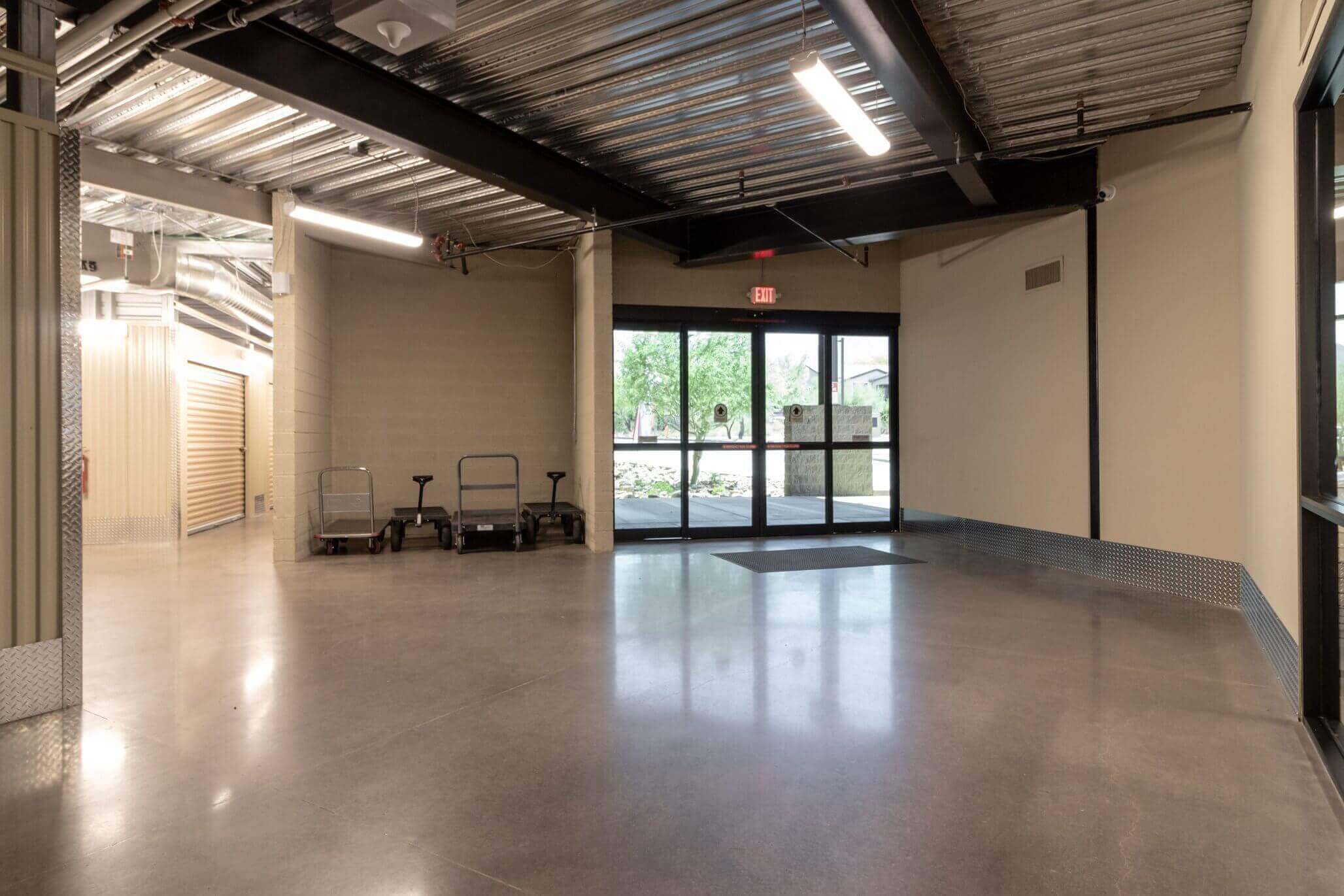
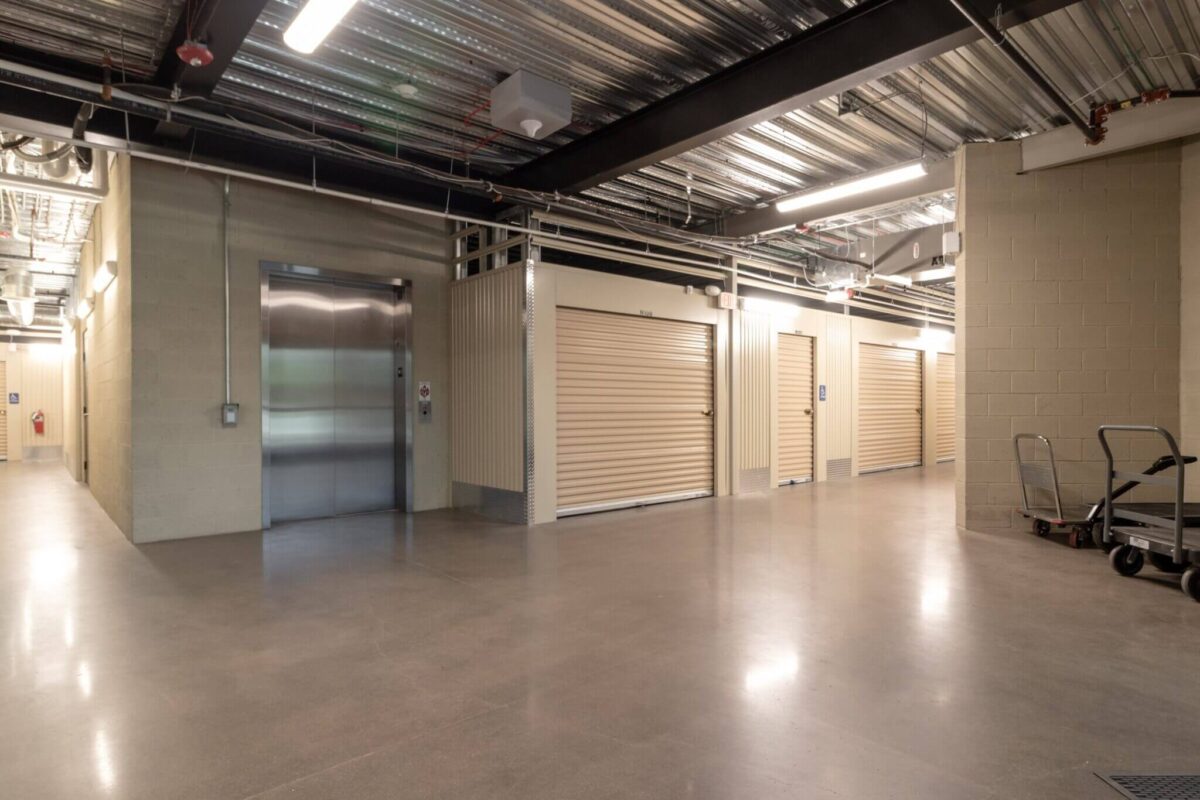
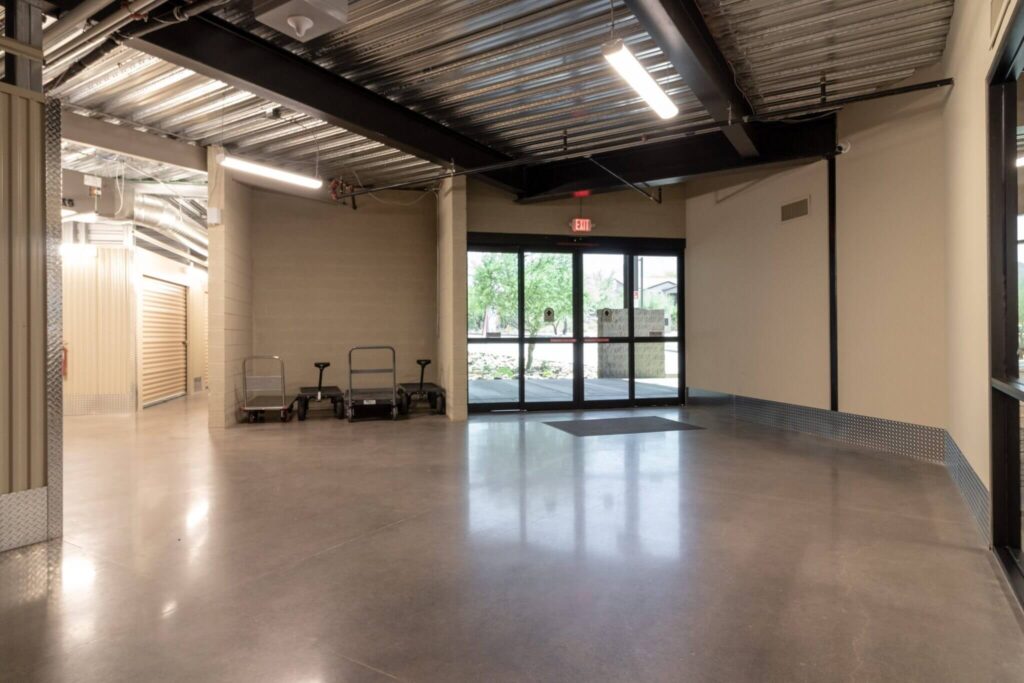
Wide view of self storage units and facility at McDowell Mountain Community Storage in Scottsdale Arizona
Explore the variety of storage unit sizes and types available at McDowell Mountain Community Storage located in Scottsdale Arizona

Renting a self-storage unit is straightforward:

  1. Research Facilities: Compare locations, amenities, unit types, and prices.
  2. Reserve a Unit: Book online or by phone to ensure availability.
  3. Review the Lease Agreement: Check rental fees, access hours, and insurance requirements.
  4. Move In: Transport your belongings, secure your unit with a lock, and maintain an updated inventory.
  5. Make Payments: Most facilities offer monthly payment plans or flexible leases for short-term or long-term storage.

Understanding the rental process helps new renters avoid common mistakes and ensures a smooth experience. Facilities may also provide moving assistance, such as dollies, carts, or packing materials, making the process more convenient.

Pricing Factors Affect Self-Storage Costs

The cost of a self-storage unit depends on multiple factors:

  • Unit Size: Larger units generally have higher monthly fees.
  • Climate Control: Temperature- and humidity-controlled units may cost more.
  • Location: Facilities in high-demand areas often have higher prices.
  • Lease Duration: Short-term rentals can be more expensive per month compared to long-term leases.
  • Additional Services: Insurance, vehicle storage, and packing materials may affect the total cost.

By evaluating your storage needs and comparing multiple facilities, you can choose an option that balances cost, convenience, and security. Consider potential hidden fees or extra charges for late payments, access, or insurance.

Security Measures Ensure Peace of Mind

High-quality self-storage facilities provide multiple security measures to protect belongings, inventory, and vehicles:

  • Gated Access and Key Codes: Restricts entry to authorized customers.
  • Surveillance Cameras: Monitor the property and deter theft.
  • On-Site Staff: Offer assistance and monitor activity.
  • Individual Unit Locks: Give renters control over access to their belongings.

These security measures create a safe environment, allowing customers to store valuable items like electronics, antiques, artwork, and instruments with confidence.

Businesses Benefit from Self Storage

Self-storage is ideal for businesses looking for extra space:

  • Inventory Storage: Store seasonal stock or excess products.
  • Document Storage: Protect essential records and files.
  • Equipment Storage: Utilize free office space to store rarely used equipment or appliances.
  • Vehicle Storage: Secure company cars, trucks, or boats.

Business storage and how renting a unit boosts efficiency provide a cost-effective and flexible solution for businesses that need extra space. Facilities may also offer specialized services tailored to business customers, such as shipping, delivery, or multiple-unit rentals, helping companies manage inventory, equipment, and documents more efficiently. 

Choosing the Best Location

The correct storage facility location is key for convenience and cost efficiency:

  • Proximity: Facilities close to your home, office, or business save time and effort.
  • Accessibility: Wide roads, driveways, and parking spaces accommodate large vehicles.
  • Multiple Locations: Some companies offer flexibility across several facilities.

Location affects both convenience and pricing, so it should be a primary factor in choosing a self-storage facility like McDowell Mountain Community Storage

Insurance and Safety Tips

Protecting your items is essential:

  • Renters Insurance: Covers potential damage or theft.
  • Packing Materials: Bubble wrap, padding, and sturdy boxes protect fragile items.
  • Climate Considerations: Sensitive items should be stored in temperature- and humidity-controlled units.
  • Vehicle Maintenance: Stored vehicles should be maintained and protected from environmental damage.

By planning and taking safety precautions, customers can avoid common risks and ensure the longevity of their stored items.

Tips for Maximizing Storage Space

To make the most of your storage unit:

  • Disassemble Furniture: Saves space and reduces the risk of damage.
  • Stack Uniform Boxes: Optimizes vertical space.
  • Use Shelving: Keeps smaller items organized.
  • Keep Frequently Used Items Accessible: Place them near the front.
  • Protect Fragile Belongings: Wrap electronics, artwork, and antiques carefully.

These tips enable renters to store their items while maintaining easy access and efficient organization.

Long-Term and Temporary Storage Solutions

Self-storage accommodates both temporary and long-term storage needs:

  • Temporary Storage: Ideal during moves, renovations, or travel.
  • Long-Term Storage: Suitable for seasonal items, business inventory, or estate storage.
  • Flexible Leases: Rent units monthly or for extended periods depending on your storage needs.

The flexibility of self-storage allows renters to adapt as their needs change over time.

Bottom Line on Self Storage

Self-storage is a safe, flexible, and convenient solution for managing belongings, furniture, vehicles, and business inventory. By understanding unit types, sizes, security measures, pricing, and planning storage strategies, renters can make informed decisions that meet their specific needs.

McDowell Mountain Community Storage provides a variety of self-storage units, climate-controlled spaces, and vehicle storage options with high-level security features. Whether storing household items, business inventory, or vehicles, these facilities offer convenience, peace of mind, and organized storage solutions.

With proper planning, packing, and the right facility, self-storage is a cost-effective and reliable solution for individuals and businesses seeking additional space.

Frequently Asked Questions

1. Can I store items that I need frequent access to?

Yes. When choosing a unit, consider its location within the facility and access times. Placing frequently used items near the side or front of the unit makes retrieval faster.

2. Are there storage options for very large or unusually shaped items?

Yes. Some storage spaces and rooms can accommodate bulky items such as furniture, boats, or large equipment. Proper planning of the unit size ensures everything fits safely.

3. How do I track what’s inside my storage unit?

Keeping a written or digital inventory of items helps you track belongings. This ensures you know where everything is and can locate anything quickly without unpacking the entire unit.

4. Can I rent more than one storage unit at a time?

Yes. Renting multiple units is an option for larger households, businesses, or individuals who need to store collections of articles and things in separate rooms for better organization.

5. What kind of locks are recommended for storage units?

A high-quality padlock is recommended. Some renters use keyed locks, while others choose combination locks for convenience. Proper locking ensures all items remain secure.

6. How should I pack fragile or valuable items?

Fragile items, such as electronics, artwork, and instruments, should be wrapped in protective materials like bubble wrap and stored in sturdy boxes. Placing them off the floor and away from walls helps prevent damage.

7. Can I use a storage unit to store items during a renovation?

Yes. Units are ideal for temporarily storing furniture, appliances, and things while rooms are being renovated. Proper organization helps keep items safe from dust, paint, and moisture.

8. How do seasonal changes affect my stored items?

Items sensitive to heat, cold, or humidity may require climate-controlled storage spaces. Electronics, wooden furniture, and documents benefit from consistent temperature and humidity levels.

9. Is there a way to save space when storing many small items?

Yes. Group small items in clearly labeled boxes and place them strategically in the unit. Using vertical space efficiently and stacking items correctly maximizes the storage space available.

10. Can I combine different types of storage items in one unit?

Yes, but careful organization is essential. Combining articles, furniture, boxes, and things works best when heavier items are placed at the bottom and lighter or fragile items on top. Keeping a track of what is stored in each room or section of the unit prevents confusion.
Top Storage Unit Tips You Must Know in 2025

As we enter 2025, the demand for self-storage solutions continues to rise. The proper storage unit is essential for storing seasonal items, business inventory, or personal belongings. From labeling and organizing contents to maximizing storage space to ensuring proper maintenance and understanding security measures, these top tips will help you make informed decisions about everything in one convenient place. 

Whether you’re a homeowner, business owner, or renter, investing in a high-quality self-storage facility can bring peace of mind while protecting your things from damage, dust, pests, and moisture. This approach ensures that your room stays clutter-free while keeping your house organized. This guide will help you select the best unit storage, ensuring efficiency, organization, and money-saving strategies. This idea will make your storage experience smooth and hassle-free, from storing equipment to optimizing space. 

1. Understanding Your Storage Needs

Before renting a storage unit, evaluate your storage needs. Consider the condition of your items and the spaces available. Consider whether you’ll store furniture, electronics, clothing, or business storage units for documents and inventory. The difference between storage types can impact accessibility and protection. Ask yourself important questions about security, climate control, and option availability to ensure your storage run is smooth and efficient. 

  • Short-term vs. long-term storage: An essential storage unit might suffice if you need a solution for just a few months. However, long-term storage facilities require extra precautions, such as climate control and security features. For example, renters storing furniture like dressers should consider a climate-controlled unit to prevent damage. Each step of the process, from choosing the right level of protection to stacking each item properly, helps maintain your belongings. People storing valuable goods should add a protective layer of bubble wrap or covers, ensuring anything fragile stays secure. 
  • Size considerations: The right unit size depends on the number of items you plan to store. Large storage units accommodate furniture, while smaller ones are ideal for boxes, bags, and packing supplies. If you’re storing belongings from an apartment, select the right size to avoid unnecessary costs. Using the proper tools and storage practices will help maximize space with minimal effort. Make a list of what you plan to store to streamline the task. Another critical factor is stacking efficiently, especially when dealing with many fragile or heavy items. 
  • Accessibility: A convenient location with 24/7 access ensures you can retrieve your possessions whenever needed. Consider the facility’s operations—does it offer security and climate control? If you’re storing a vehicle, check if the unit size and accessibility fit your needs. Asking the right questions about locations and security features can make a big difference. Choosing the proper method for organizing your unit will ease your storage experience. Whether you’re storing seasonal items or making space for a new chapter in your life, finding something that fits your needs is essential. 

2. Choosing the Right Storage Facility

When selecting a storage provider, consider key factors that impact security, cost, and convenience. Not all storage facilities are equal—consider the environment inside the unit to ensure it protects your products from damage. Check the walls for insulation and security features. Look for suggestions from other homeowners who have used the facility. Compare price options and review the storage policies to avoid hidden fees. A well-chosen unit can lead to significant savings while keeping your belongings secure, so consider the following:

Security Measures to Look for in a Storage Facility

  • Locks and access control: Ensure your storage unit has strong security measures, including keypad entry, gated areas, and individual unit locks.
  • Monitoring and surveillance: The best storage facilities have 24/7 monitoring to track items and prevent theft.
  • Climate control and protection: To keep possessions safe from humidity levels, temperature fluctuations, and moisture, opt for a climate-controlled storage unit.

Pricing and Insurance Options

  • Storage unit prices: Compare costs and read the description of what’s included in your rental fee.
  • Insurance coverage: Some storage providers offer insurance to protect against theft, damage, or natural disasters.
  • Budget considerations: Plan your storage solution based on your budget and the value of your stored items.

3. Packing Like a Pro for Maximum Protection

Proper packing prevents damage, reduces clutter, and ensures easy accessibility. A well-organized aisle inside your storage unit allows for effortless navigation. Using sturdy boxes and stacking them correctly improves stability, preventing accidents. Focusing on strategic packing will maximize space and minimize frustration when retrieving items. Additionally, labeling boxes offer benefits by making it easier to locate specific belongings. Learning from the experiences of others and seeking advice from customer service can further enhance your storage approach.  Follow these expert packing tips:

Best Packing Supplies to Use

  • Bubble wrap and plastic covers: Protect fragile items like glassware, electronics, and decorations from impact.
  • Boxes and containers: Use sturdy boxes or plastic bins to store documents, clothing, and linens.
  • Labels and inventory lists: Label each box clearly and create a checklist for better organization.

Packing Strategies for Efficiency

  • Stacking and shelving: Use shelves, racks, and floor space wisely to optimize your storage space.
  • Arrangement and accessibility: Place frequently used items at the front and stack seasonal items in the back.
  • Climate considerations: Protect delicate belongings from extreme temperature changes using a climate-controlled storage unit.

4. Maximizing Storage Space and Organization

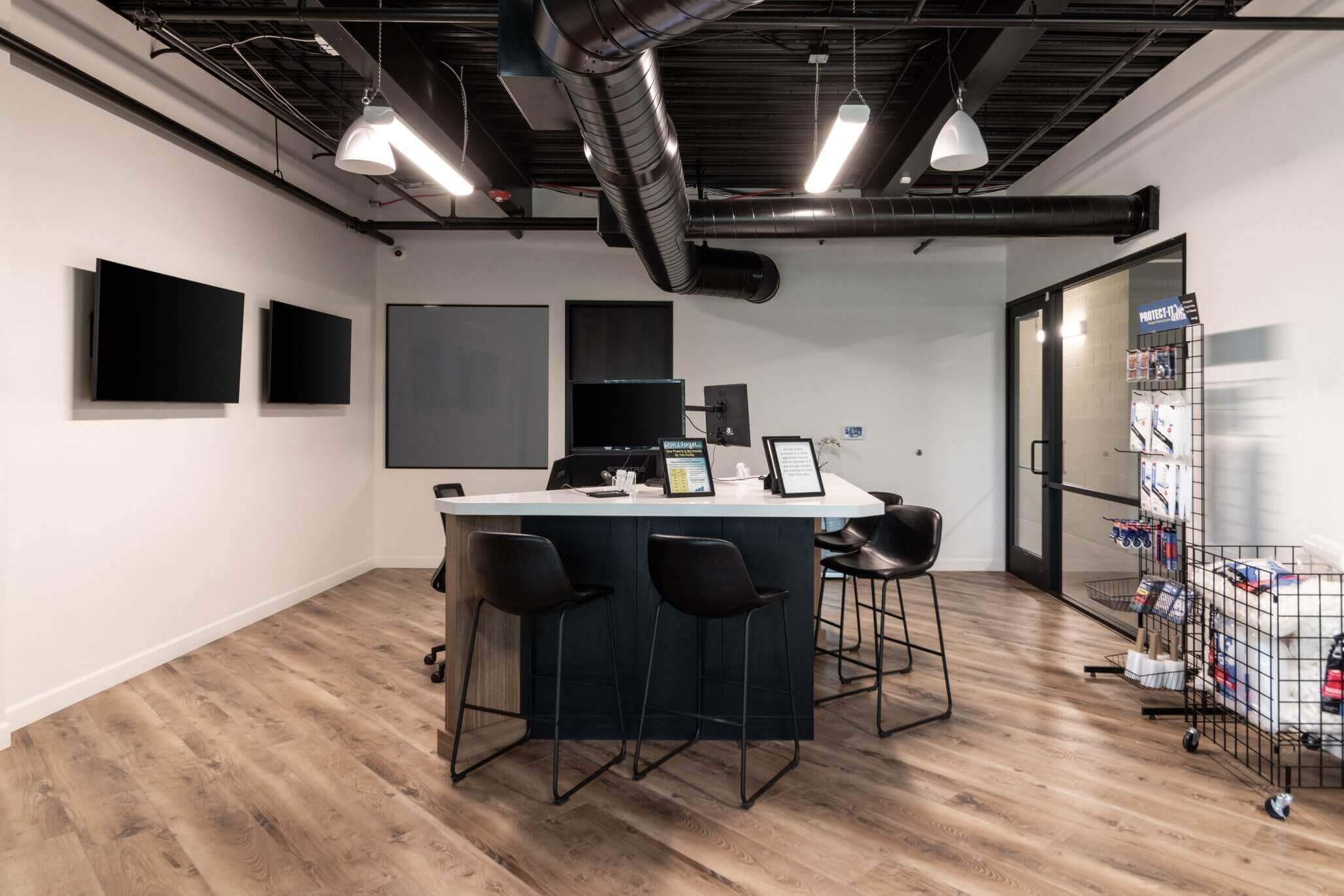
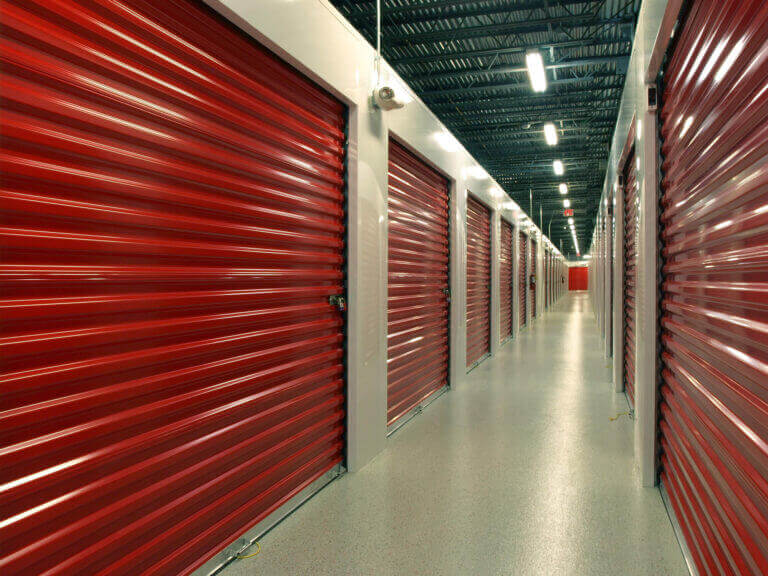
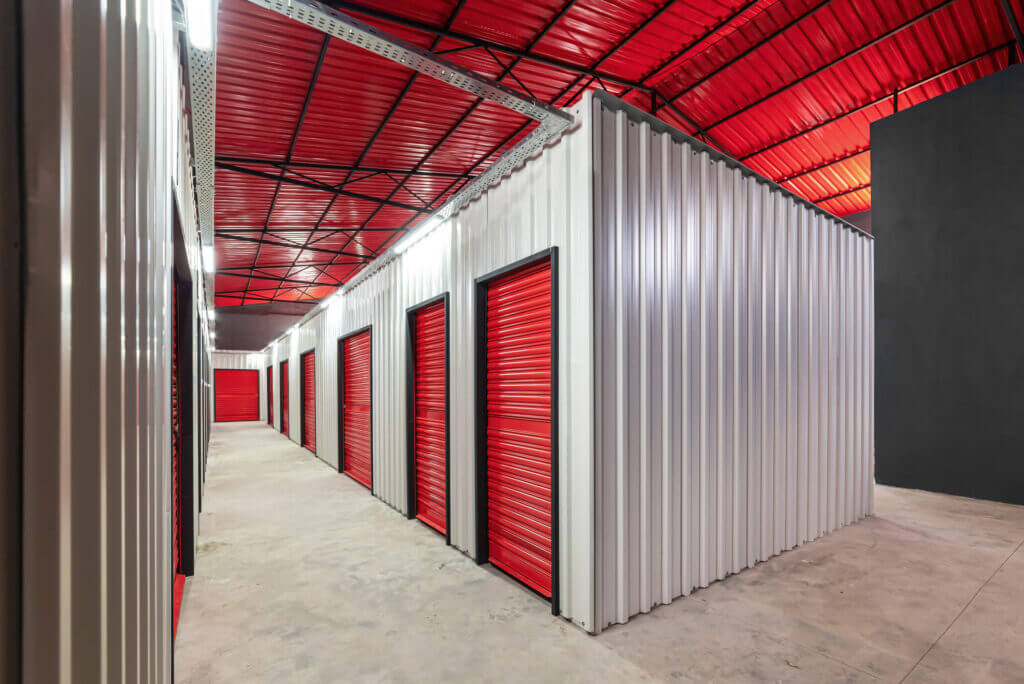
Discover essential storage unit tips for 2025 from McDowell Mountain Community Storage in Scottsdale Arizona.
Learn how to maximize space and security with expert storage tips from McDowell Mountain Community Storage in Scottsdale Arizona.

An organized self storage facility reduces stress and makes finding items easier. Placing heavier boxes at the bottom and lighter ones on top helps maintain stability. Sorting belongings by category—such as seasonal décor, blankets, or office supplies—ensures better organization. For instance, using clear bins for frequently accessed items allows quick retrieval. Working with a team can save time and effort when moving or rearranging storage. There are many ways to optimize your unit, from shelving to labeling, making storage more efficient. Here are some expert organization techniques:

Space-Saving Tips

  • Utilize vertical space: Install shelving to efficiently store boxes, office supplies, and business inventory.
  • Use multi-purpose storage solutions: Opt for stackable containers and bags for better efficiency.
  • Declutter before storing: Remove unnecessary stuff to free up storage space and keep only essential possessions.

Maintaining Order in Your Storage Unit

  • Check storage conditions regularly: Inspect for pests, dust, and moisture to prevent damage.
  • Rearrange items as needed: Update your organization system based on seasonal items and business needs.
  • Keep pathways clear: Avoid clutter by creating a floor space for easy movement inside the unit storage.

5. Protecting Your Belongings from Damage and Theft

Ensuring the safety of your belongings is a top priority when renting a storage facility. Follow these strategies to keep your items secure:

Preventing Common Storage Risks

  • Humidity and moisture protection: Use climate control to avoid mold growth on furniture, clothing, and documents.
  • Pest prevention: Keep food and perishable items out of the storage unit to prevent pests.
  • Dust and debris management: Use protective covers and store boxes off the floor to minimize exposure to dust.

Enhancing Storage Unit Security

  • Use high-quality locks: Invest in secure locks for added protection.
  • Check for security features: Look for storage solutions that include alarm systems, security cameras, and controlled access.
  • Limit access to trusted individuals: Share your unit key or access code only with those needing it.

6. Choosing the Best Storage Solution for Your Needs

Whether you’re storing business storage units, holiday decorations, or home belongings, selecting the proper storage solution is essential. Organizing items by category helps maximize space and improve accessibility. Be mindful of how often you’ll need to access your unit, as frequently used items should be placed on the most accessible sides. Choosing a well-maintained site prevents unnecessary waste of space and resources, ensuring your belongings remain safe and in good condition.

Types of Storage Units Available

  • Indoor vs. outdoor storage: Indoor units offer better security, while outdoor units provide easy vehicle access.
  • Climate-controlled storage: Ideal for sensitive items like electronics, furniture, and documents.
  • Business storage units: Great for business owners needing extra storage space for inventory and office supplies.

Cost Considerations and Budget Planning

  • Compare unit prices: Research the cost of storage facilities in your area before deciding.
  • Factor in additional fees: Some facilities charge extra for climate control, insurance, or 24-hour access.
  • Look for discounts and deals: Many storage providers offer promotions, especially for long-term rentals.

7. Final Steps: Moving into Your Storage Unit

Once you’ve chosen the right storage facility, it’s time to move inefficiently. Follow these steps:

Before Moving Day

  • Create a detailed plan: List all items and decide on their arrangement inside the storage unit.
  • Gather necessary packing supplies: Ensure you have enough boxes, bubble wrap, and labels.
  • Consider rental truck options: If moving large furniture, look for businesses that offer moving services.

During Move-In Day

  • Pack strategically: Place frequently used items at the front for easy access.
  • Check unit conditions: Inspect the storage space for security measures, pests, and humidity.
  • Secure your unit: Lock the door and ensure all items are appropriately arranged for maximum efficiency.

Conclusion

Choosing a storage unit in 2025 requires careful planning, from understanding storage needs to selecting the right storage facility. Following these tips ensures your belongings remain safe, organized, and easily accessible.

Whether you need self-storage for business storage units, household goods, or seasonal items, prioritizing security, climate control, and efficient packing will help you maximize your storage solution.

For those looking for a trusted storage provider, McDowell Mountain Community Storage offers secure, climate-controlled storage units, competitive prices, and top-notch security measures.

Would you like to learn more about storage options? Contact us today for expert guidance on selecting the perfect storage unit for your needs!

Frequently Asked Questions

What items are prohibited in a storage unit?

Most storage facilities prohibit flammable materials (gasoline, propane, fireworks), hazardous chemicals, perishable food, live animals, plants, and illegal substances. Always check the facility’s rules to avoid potential fines or eviction.

How do I determine if I need climate-controlled storage?

Climate-controlled storage is essential for temperature-sensitive items like electronics, wooden furniture, artwork, musical instruments, and documents. It is highly recommended if you’re storing items for an extended period or live in an area with extreme weather conditions.

What is the best way to protect furniture in a storage unit?

Use furniture covers or blankets to prevent dust accumulation. Disassemble large furniture pieces when possible and store them upright to save space. Avoid placing items directly on the floor using pallets or plastic sheeting to prevent moisture damage.

How does storage unit insurance work?

Storage unit insurance protects your belongings against theft, fire, flooding, and other unexpected events. Some storage facilities offer in-house insurance, or you can check if your renters’ or homeowners’ insurance covers off-site storage.

Can I use a storage unit for my small business operations?

Many small businesses use storage units for inventory, equipment, or document archiving. However, operating a business from a unit (e.g., meeting clients or conducting daily operations) may violate facility policies, so check the terms before renting.

What are the best security measures for protecting my storage unit?

Choose a facility with gated access, security cameras, and well-lit surroundings. Invest in a high-quality, tamper-resistant lock, and avoid sharing your access code or key with others unless necessary.

Are there penalties for late payments on storage units?

Yes, most storage facilities charge late fees if you miss a payment. If you fail to pay for an extended period, the facility may auction off your belongings. Review your rental agreement to understand the terms and avoid unexpected penalties.

Can I store a vehicle in a storage unit?

Yes, but it depends on the size of the unit. Cars, motorcycles, boats, and RVs require specific storage accommodations. Some facilities offer indoor vehicle storage, while others provide outdoor parking spaces. Ensure the vehicle is clean, insured, and maintained before storage.

How do I prepare items for long-term storage?

Clean and dry all items before storing them to prevent mold or mildew. To avoid deterioration, use plastic bins instead of cardboard boxes. Place moisture absorbers in the unit and periodically check stored items if possible.

What are the benefits of renting a storage unit versus using a portable storage solution?

Traditional storage units provide better security, climate control, and accessibility, making them ideal for long-term storage. Portable storage units offer convenience for short-term needs, as they can be delivered to your location. The choice depends on your storage duration and mobility requirements.

Business Storage: How Renting a Storage Unit Can Boost Efficiency

In today’s fast-paced business environment, efficacy is essential for maintaining a competitive edge. Renting a storage unit can offer numerous benefits to businesses seeking to optimize operations, enhance organization, and enhance productivity. Business storage, such as self-storage units, can assist your organization in more effectively managing inventory, resources, and space, whether you are a small startup, a developing company, or an established enterprise. With the right system, you can meet your storage needs, whether for essential belongings or things that don’t require immediate access. A container or unit with essential amenities, such as electricity, can provide a secure and organized place to store anything, ensuring your goals are met with commitment and acceptance. With a focus on detail and tips for maximizing space, you can achieve your business objectives while keeping everything aligned with your long-term goals and distribution strategies.

Benefits of Using Business Storage

Optimize Office Space

Space requirements increase as your organization expands. Nevertheless, not all business operations necessitate prominent office locations for each item of inventory or equipment. Renting a storage unit lets you clear out clutter from the office and store non-essential items, such as obsolete files, seasonal products, or equipment that is only used occasionally. This enables you to optimize your office space’s utilization, fostering a more efficient and presentable work environment for your team.

Enhance Organizational Structure

A storage unit offers a designated, offsite location for organizing business inventory, documents, and equipment. Organizing all items in a single location guarantees that your office remains uncluttered and that they are easily accessible when required. A storage unit can assist in organizing business assets, including client records, marketing materials, and office furniture, thereby enhancing productivity and workflow.

Liberate Cash Flow

Leasing additional office space can be costly, and the expense frequently fails to justify the necessity for additional space. Renting a storage unit is a more cost-effective alternative that offers room for expansion and flexible terms. Rather than committing to long-term leases for larger office space, you can store items offsite and allocate your savings to other aspects of your business, such as marketing or operational expansion. This frees up cash flow to support growth.

Safeguard Seasonal Inventory

Businesses in retail, event planning, or any industry with seasonal demand frequently encounter the challenge of storing excess inventory during off-seasons. A storage unit provides a secure and convenient location to hold seasonal items until required. This prevents the primary workspace from becoming overcrowded and guarantees that your stock is well-maintained and prepared for use when the season arrives.

Improve Scalability and Flexibility

The necessity for storage increases as your business expands. Renting a storage unit provides flexibility in terms of duration and space. You can select a device suitable for your current requirements and adjust it as needed. This adaptability enables your business to remain agile and adapt to changing demands without the burden of long-term commitments.

Enhance Employee Efficiency

Employees can concentrate on their assignments without interruptions when they have access to a tidy, well-organized workspace. Renting a storage unit to accommodate surplus inventory, equipment, or documents can facilitate office space organization, fostering a productive atmosphere. By reducing the time spent searching for misplaced items, you can allocate more time to critical duties that propel your business forward.

Enhanced Security and Protection

Most storage facilities implement sophisticated security protocols, such as alarm systems, surveillance cameras, and gated access. This adds a layer.

Types of Business Storage Solutions for the protection of your business assets. You can be assured that sensitive documents, costly equipment, or valuable inventory are securely stored and accessible only to authorized personnel. The assurance that their business assets are secure is invaluable to business proprietors.

Maintain the Organization of Business Records

A storage unit is a secure and efficient solution for businesses that require the maintenance of extensive records or historical documentation. You have the option of storing obsolete documents offsite, as opposed to filing cabinets that consume valuable office space. This guarantees that documents are readily accessible for audits, legal purposes, or reference, all while freeing up space for more pressing business requirements.

Streamline Logistics and Delivery

The management of deliveries, the receipt of bulk shipments, and the proper storage and inventory tracking are all challenges that numerous businesses must confront. A storage facility provides a central location for storing products until they are prepared for shipment or relocation to the primary office. This can assist in optimizing logistics, thereby facilitating the management of incoming deliveries and preventing disruptions to your daily operations.

Cost-Effective Solution

Renting a storage unit is frequently a more cost-effective alternative to the expenses associated with expanding your office or warehouse. There is a storage solution compatible with your operational requirements and budget, as various options are available regarding unit size and lease terms. Additionally, numerous facilities provide climate control services, which are particularly advantageous for storing sensitive equipment or documents.

Types of Business Storage Solutions

The appropriate business storage solution depends on the nature of the items to be stored, the scale of the company, and the specific requirements. Whether you seek free space in your office or secure inventory and equipment, various storage options are available. Consider factors such as lighting, care needed for specific items, and how the storage aligns with your overall business goals. Below is an overview of various business storage solutions that can help you meet your objectives, whether organizing your menu of products or securely storing equipment.

Self Storage Units

Self-storage units are among the most popular and adaptable storage solutions for businesses. These units are generally situated in facilities that are readily accessible and available in various sizes, depending on the amount of space needed. Businesses can adjust their storage requirements as they evolve, with numerous self-storage companies providing month-to-month rental options. Whether you need space to store inventory, archived documents, office furniture, or seasonal items, self-storage offers the flexibility to meet your business’s changing needs. Additionally, the details of your storage requirements, such as the number of trucks needed for transport or the organization of a shop’s inventory, can be easily managed to align with your business goals.

Benefits:

  1. Scalable and cost-effective.
  2. 24/7 accessibility (subject to the facility’s parameters).
  3. Convenient locations near urban centers.

Optimal for: startups, small enterprises, or those needing temporary storage solutions.

Storage Under Climate Control

Climate-controlled storage offers a secure and consistent environment for businesses that store sensitive items such as electronics, artwork, documents, or temperature-sensitive inventory. These devices are designed to prevent damage from extreme weather conditions or fluctuating temperatures by maintaining a specific temperature and humidity level.

Benefits:

  1. Safeguards inventory and sensitive materials.
  2. Ideal for fragile or valuable objects.
  3. Ensures a consistent environment throughout the year.

Optimal for: Organizations that manage archival records, pharmaceuticals, electronics, or wine storage.

Storage in a warehouse

Businesses with substantial inventory or operational requirements can benefit from warehouse storage, which provides ample storage space. Warehouses are well-suited for manufacturers, wholesalers, and e-commerce enterprises due to their capacity to accommodate bulky products, machinery, or bulk supplies. To optimize logistics, warehouses frequently offer inventory management services, including picking, packaging, and shipping.

Benefits:

  1. Ample storage capacity for bulk inventory.
  2. Customizable spaces and flexible rental terms.
  3. Suitable for organizations that operate at a high volume.

Ideal for: Companies that require extensive storage solutions, distributors, manufacturers, and e-commerce businesses.

Storage Units with Drive-Up Doors

Businesses can store products that require frequent access or rapid movement in and out of drive-up storage units. These units are typically situated in outdoor facilities, where driving directly up to the entrance to load and unload items quickly is possible. This convenience makes them optimal for businesses requiring frequent access to weighty or significant equipment.

Benefits:

  1. Easy loading and offloading.
  2. Convenient for businesses that require frequent access to inventory or equipment.
  3. Frequently, they are more cost-effective than indoor storage facilities.

Best suited for: businesses with a substantial inventory and equipment that require regular access, construction companies, or contractors.

Containers for Mobile Storage

Mobile storage containers provide a versatile solution delivered to your business location. You are free to load it at your leisure, and the storage company can transport it to their secure facility or store it on-site when you are prepared. This solution is optimal for businesses that are in the process of transitioning, relocating offices, or requiring storage during a renovation.

Benefits:

  1. On-site storage is convenient.
  2. A solution that is both user-friendly and adaptable for businesses that are constantly on the move.
  3. Ideal for transient storage during office relocations or renovations.

Ideal for: Businesses that require temporary storage solutions, are enduring renovations, or are relocating.

Storage of Documents

Document storage solutions are indispensable for businesses managing substantial legal documents or documentation. They facilitate the secure organization and storage of records. Organizations frequently implement document storage services to safeguard sensitive data and archive files. Additionally, certain document storage services provide document disposal and scanning services for digitization.

Benefits:

  1. The storage of sensitive documents in a secure manner.
  2. Facilitates regulatory compliance (e.g., GDPR, HIPAA).
  3. Document shredding and digitizing for digitization are included in a multitude of services.

Ideal for: Healthcare providers, law firms, accountancy firms, and businesses that maintain extensive records or confidential materials.

Storage of Bulk Pallets

Pallet storage is an optimal solution for businesses that require the storage of substantial quantities of products on pallets. These units are intended for industries requiring effortless access to substantial inventories, as they are frequently configured with storage systems. Warehouses or facilities designed explicitly for palletized products can be used to manage pallet storage.

Benefits:

  1. Suitable for the storage of substantial quantities of products.
  2. Bulk inventory is readily accessible.
  3. Inventory management solutions are frequently included.

Optimal for: Wholesale distributors, manufacturers, and retailers who manage bulk products.

Industrial Storage

Large-scale storage systems, or industrial storage solutions, are specifically engineered to accommodate specific industrial requirements, including massive machinery, parts, and large equipment. These units, which are frequently custom-built, frequently accommodate the bulk and weight of industrial products. Industrial storage is implemented to safeguard inventory and equipment valuable to businesses in logistics, manufacturing, or construction.

Benefits:

  1. Adaptable to accommodate particular industrial apparatus.
  2. Provides secure storage for products that are oversized or heavy.
  3. Typically located in industrial locations for the sake of convenience.

Optimal for: logistics businesses, manufacturers, and construction companies that possess hefty machinery or oversized inventory.

Solutions for Virtual Storage

Cloud or virtual storage has become an increasingly significant business solution. Cloud storage offers an efficient method for businesses that depend on digital files to store and access documents and media without occupying physical space. Document management systems can be incorporated with cloud storage to simplify the sharing, searching, and retrieving of business data.

Benefits:

  1. Easily accessible from any location.
  2. Scalable to accommodate the increasing demand for data.
  3. Decreases the necessity for document storage in human form.

Optimal for: legal firms, technology companies, digital marketing agencies, and any business that manages digital files.

Retail storage

Retail businesses frequently require storage solutions to accommodate excess stock, seasonal inventory, or non-display products. To accommodate additional inventory, backroom shelving, pallet racks, or storage areas in a neighboring facility may be employed for retail storage. This enables retailers to maintain an efficient stock supply while ensuring their exhibit areas are organized and ready for customer browsing.

Benefits:

  1. Keeps retail display areas free of debris.
  2. Facilitates the efficient replenishment of inventory.
  3. Adaptable storage solutions for a wide range of retail requirements.

Optimal for: Fashion boutiques, e-commerce stores, seasonal retailers, and retail businesses. 

Selecting the Right Storage Facility

Understanding the benefits of business storage in Scottsdale, Arizona at McDowell Mountain Community Storage
Secure and Clean Business Storage in Scottsdale, Arizona, at McDowell Mountain Community Storage

Businesses seeking to store inventory, equipment, or documents must make a critical decision regarding the appropriate storage facility. The appropriate storage solution can assist in optimizing operations, enhancing efficiency, and protecting assets. When selecting the optimal storage facility for your business, it is crucial to consider the following factors: whether you are storing seasonal products, sensitive documents, or large equipment.

Accessibility and Location

One of the most critical factors to consider is the location of your storage facility. You desire a storage facility that is conveniently situated, whether it is near your business operations, warehouse, or shipping facilities. The facility’s proximity can facilitate the faster and more convenient retrieval of stowed items, thereby reducing transportation time and expenses.

Factors to Consider:

  1. What is the facility’s proximity to your business location or supply chain?
  2. Is it readily accessible by major roads, highways, or shipping routes?
  3. Is the facility open during reasonable hours? Are there options available around the clock?

Security and Safety Features

Security features are of the utmost importance when selecting a storage facility, particularly when storing sensitive or valuable business assets. To guarantee the security of your products, seek out a facility that implements stringent security protocols.

Security Features to Consider:

  1. Video monitoring and surveillance cameras.
  2. A keycard or PIN entry is required for gated access.
  3. Patrols or security personnel who are present on the premises.
  4. Motion sensors or alarm systems.
  5. Adequate illumination to prevent vandalism or theft.

Factors to Consider:

  1. Does the facility provide adequate security to meet your specific requirements, such as storing confidential documents or high-value equipment?
  2. What is the frequency of security measures updates or inspections?

Type and Size of Storage Unit

It is crucial to choose a storage unit compatible with your business’s current and future storage requirements. Storage units are available in a variety of capacities. The quantity and dimensions of the items that require storage should be considered.

Types of Storage Units:

  • Standard Units: For archives, archives, or modest inventories.
  • Climate-controlled units: Indispensable for delicate items, including electronics, artwork, and documents.
  • Drive-Up Units: Suitable for frequent access or bulky items.
  • Warehouse Space: Intended for businesses that require more substantial, industrial-grade storage solutions.
  • Shelving or pallet racks: Ideal for storing large quantities of inventory or products that require bulk storage.

Factors to Consider:

  1. Is the unit capable of accommodating the quantity of your inventory or equipment?
  2. Can the dimensions be adjusted as your requirements expand?
  3. Does the facility provide both interior and outdoor storage options?

Environmental Security of the Facility

In addition to physical security, evaluating the environment in which your products will be stored is essential. Environmental factors, including temperature, heat, and humidity, can substantially impact the quality of specific inventory categories, including electronics, pharmaceuticals, and perishable goods.

Factors to Consider:

  1. Does the facility provide climate control if you require it? Is it appropriate for your specific needs (humidity, temperature)?
  2. Does the facility provide safeguards against vermin, moisture, or extreme temperatures that could harm your inventory?

Rental Terms and Costs

The cost of storage is a critical factor when selecting the appropriate facility. Compare the rates of various storage providers and ensure that you know all the fees associated with the service, including insurance, access charges, and any concealed fees for early termination or late payments.

Factors to Consider: 

  1. Is the price within your budget?
  2. Are any additional fees associated with facility upgrades, insurance, or access?
  3. Does the facility provide more flexible rental terms, such as long-term or short-term leases?
  4. Is there a discount available for signing a longer-term contract?

Facility Maintenance and Cleanliness

The longevity of your stored items depends on the condition of the storage facility. A well-maintained and sanitary facility minimizes the likelihood of pest infestations, water damage, and other potential issues that could impact your inventory.

Factors to Consider:

  1. Is the facility following a consistent cleansing schedule?
  2. Are the units dry, well-lit, and free of fungi or mildew?
  3. Is there evidence of wear and tear on the property or units?

Services and Customer Support

When selecting a storage facility, it is imperative to prioritize customer service. The staff should be available to answer any inquiries, address any concerns, and be responsive and helpful. Furthermore, consider the facility’s supplementary services, including inventory management, delivery, or packaging supplies.

Factors to Consider:

  1. How responsive and accommodating is the customer service team?
  2. Are additional services available, such as inventory tracking, delivery, or packaging?
  3. Does the facility offer assistance with business-specific requirements, such as bulk inventory management or temperature-sensitive storage?

Liability and Insurance

Comprehending the storage facility’s insurance policies and any liability restrictions is imperative. Numerous facilities offer insurance plans; however, they may only sometimes provide comprehensive coverage for your assets. Ensure you know the coverage included and, if necessary, consider purchasing additional coverage.

Factors to Consider:

  1. Is insurance available for the items you have stored at the facility?
  2. What sort of coverage is offered? Is your inventory, equipment, or documents entirely safeguarded?
  3. Is it advisable to acquire additional insurance through a third party?

Convenience and Accessibility

Access to your stored items is essential, especially for businesses that require frequent access to products or supplies. Select a facility with convenient access, such as 24/7 availability, extended hours, or drive-up units.

Factors to Consider:

  1. Are the access hours sufficiently adaptable to accommodate your business requirements?
  2. Do you require specialized access, such as 24/7 entry or designated loading areas?
  3. Does the facility provide delivery and collection services to save time?

Reviews and Reputation

Research the facility’s reputation by perusing online reviews and speaking with other business owners who may have utilized their services before making a final decision. Feedback from other consumers can offer valuable insights into the facility’s reliability, customer service, and quality.

Factors to Consider:

  1. What are the opinions of current or former customers regarding the facility’s security and service?
  2. Is the facility recognized for its ability to offer dependable storage solutions?
  3. Are there any grievances or issues that could impact your business operations?

Conclusion

Renting a storage unit is prudent to enhance your organization, increase efficiency, and optimize space. A storage unit can enable your business to operate more efficiently and effectively by maintaining a clutter-free office, protecting merchandise, and providing a secure and cost-effective storage solution. With the correct business storage units, you can store everything from retail inventory to boxes and packages, keeping your vehicle, tools, and even a truck organized for easy access. Self-storage offers a flexible way to store something you may not need right away, allowing you to save money while safeguarding your rights to valuable assets. Keeping these items in mind helps you maintain control over your business’s growth, ensuring you remain competitive in a constantly evolving real estate and retail market.

Are you prepared to enhance your business’s efficacy? Consider renting a storage unit today.

Frequently Asked Questions (FAQs)

In what ways does the rental of a storage unit facilitate inventory management?

Renting a storage unit facilitates improved inventory organization by establishing a designated area for surplus stock. This reduces congestion and guarantees your primary business area is dedicated to current, high-priority items. Your team can more effectively monitor stock levels by utilizing well-organized, readily accessible storage, which enhances inventory management.

Can I expand my storage capacity through the expansion of my organization?

Indeed, most storage facilities provide scalable options and flexible rental agreements, which enable you to adjust your storage space as your business requirements expand or contract. If your inventory expands, you can rent additional units or convert to a larger one, guaranteeing that your storage solution is compatible with your evolving business needs.

What sorts of supplementary services could a storage facility provide?

Certain storage facilities offer supplementary services such as packing supplies, document shredding, inventory tracking, delivery and retrieval, and loading assistance. Contact the facility to determine whether they offer these services, which can improve the efficiency and convenience of managing your business’s storage requirements.

What methods can I employ to maintain the organization of my storage unit?

Use shelves, bins, and distinct labeling to ensure that items are easily identifiable in your storage unit. Store frequently used items in the front for easy access and rotate inventory regularly. For businesses with substantial inventories, consider employing inventory management software to monitor the contents of your unit.

Can It be rented to assist with a business relocation or renovation?

Indeed, renting a storage unit can be cost-effective for business relocations or renovations. It provides a secure and transitory location for storing inventory, office furniture, documents, and equipment during the transition of your business. This minimizes disruptions and guarantees the security of your business assets until you are prepared to establish your new location.

In what ways can the organization and workflow be enhanced by renting a storage unit?

Renting a storage unit streamlines your operations by ensuring that only the most essential items are kept on-site, while surplus inventory, equipment, or archived files are securely stored offsite. This increases efficiency and productivity by reducing clutter, allowing employees to concentrate on their duties without distractions, and increasing the functionality of their office or business space.

Can I access my business storage unit at any given moment?

Most storage facilities offer flexible access hours, with many offering 24/7 entry. However, some establishments may have restricted hours or require advance notification for after-hours access. Ensure that the facility’s access policy meets your business’s requirements, especially if you require frequent or urgent access to stored items.

What are the cost factors associated with renting a commercial storage unit?

The cost of renting a storage unit depends on its size, location, and the availability of supplementary features, such as climate control or 24/7 access. Prices can fluctuate significantly, ranging from $50 to $500 monthly. It is crucial to compare prices and consider the long-term savings and efficiency enhancements that renting a storage unit can offer.

What measures can I take to guarantee the security of my stored items?

Search for storage facilities that offer high-level security features, including gated access, 24/7 video surveillance, and on-site security personnel. Alarms, motion sensors, and secure locking are available at numerous facilities. In addition, it may be advantageous to acquire insurance coverage for your stowed items to ensure an additional layer of security.

Is it permissible to retain confidential business documents in a storage unit?

Indeed, business documents can be securely stored in a storage unit. Numerous storage facilities provide document storage services, including climate-controlled and dedicated record storage services. Consider selecting a storage unit with enhanced security features, such as restricted access, and ensuring that documents are stored in sealed cases to safeguard their integrity if you store confidential or sensitive information.

Our Expert Guidance Will Help You Choose the Right Business Storage Solution!

At McDowell Mountain Community Storage, we recognize that selecting the appropriate business storage solution can be daunting. Whether you require additional space for inventory, office supplies, or equipment, our team of professionals is available to streamline the process. Ensuring that your workspace remains organized and efficient, a 10×10 or 10×20 unit can provide the ideal space to store various items, including business files, seasonal products, furniture, and equipment. By utilizing storage containers and shelving, we assist businesses in optimizing their storage capacity, ensuring that their items are easily accessible at all times.

Whether you need a temporary storage facility during a relocation or a permanent solution for long-term inventory storage, we have options that suit your budget and help you achieve your business goal. Explore our range of storage unit sizes and prices today to see how renting a storage unit can be a cost-effective solution for your business. Contact us today to discuss your needs.