Your Ultimate Step-by-Step Checklist for Moving Into a Storage Unit

At McDowell Mountain Community Storage, we understand that moving into a storage unit can feel overwhelming, especially when you have a combination of furniture, appliances, electronics, boxes, and personal belongings to organize, protect, and store. Our company is dedicated to providing the information, guidance, and storage solutions you need to make the process smooth, efficient, and stress-free, whether you are storing a few essential things or the contents of an entire home. From helping you choose the right unit size to providing tips on packing, labeling, and protecting your items, we aim to cover every aspect of your storage experience so you can feel confident that anything you place in our facility is safe and secure.

When you rent a unit with us, the contract is designed to be straightforward and transparent, giving you full access to your belongings while maintaining the security and organization of your space. Our step-by-step guide walks you through preparation, packing, moving, and long-term maintenance, ensuring that all items—whether fragile, bulky, or valuable—are correctly stored. By following our recommendations, every box, piece of furniture, and personal belonging can be organized in a way that maximizes your storage space, protects your belongings, and ensures you can retrieve them quickly when needed. With McDowell Mountain Community Storage, our name represents a commitment to convenience, safety, and a stress-free self storage experience.

Gather All Packing Supplies Before You Begin

Before you start moving any items, we strongly recommend collecting all the packing supplies you will need, including boxes in a variety of sizes, packing tape, bubble wrap, blankets, bags, containers, and any other packing materials designed to protect fragile or bulky items. Having all supplies ready prevents unnecessary delays and ensures a systematic packing process rather than a chaotic one. We also suggest organizing these materials by purpose—for example, keeping packing tape, markers, and labels together, while storing bubble wrap and blankets for delicate furniture or electronics. By preparing your supplies in advance, you create a foundation for a more efficient move, protect your belongings from damage, and make it easier to label and organize boxes for future access.

Plan Storage Space According to Your Items and Needs

One of the first steps in a successful move is evaluating exactly what you need to store so that you can select the appropriate unit size and type for your belongings. We encourage all customers to take a comprehensive inventory of their furniture, appliances, electronics, boxes, and miscellaneous stuff, including essentials like sofas, mattresses, hardware, and bolts, as well as any perishables or fragile items that need special protection. Considering the contents of every room or multiple rooms in your home or apartment, along with the best placement of each item and the type of packing materials or covers needed, helps ensure nothing is overlooked and nothing important is left behind. By taking the time to plan carefully, people can maximize the use of available spaces within the unit, keep most items accessible, and organize everything efficiently.

Our storage facilities, located in convenient cities, provide a variety of unit sizes and features, including climate-controlled spaces for sensitive items and standard units for general storage, allowing us to accommodate everything from a few boxes to the contents of an entire apartment, house, or office. By following our guide, arranging items thoughtfully, and labeling each box or piece of furniture clearly on every page of your inventory, customers can prevent damage, maintain easy access, and make changes when needed without disrupting other belongings. With our team of pros, people can store their stuff confidently, knowing that every item—whether delicate, bulky, or essential—is protected, organized, and ready to be accessed whenever needed.

Create a Detailed Inventory List for Organization and Security

We recommend creating a detailed inventory list of all items going into storage, including furniture, electronics, boxes, appliances, and even small or miscellaneous belongings. Documenting each item helps with organization, labeling, and space management, and it also serves as an essential reference when you need to locate a particular item quickly or file an insurance claim due to damage or loss. Taking photos of your items, especially fragile or high-value belongings, complements the inventory list and provides visual documentation that can protect your investment. Keeping an accurate inventory ensures your storage unit remains organized, your items are easy to find, and you maintain control over your belongings at all times.

Organize Items Into Categories for Efficient Packing

We advise grouping your items into clear categories, such as furniture, electronics, kitchenware, seasonal decorations, clothing, and documents. Organizing by category makes packing more efficient, helps you label boxes clearly, and ensures that items are stored logically within the unit. For example, keeping electronics together and wrapping them in bubble wrap protects them from damage, while stacking boxes of similar sizes maximizes vertical space. Organizing your belongings also makes retrieval easier, reduces clutter, and allows our team to provide storage solutions tailored to the specific needs of your items, ensuring a more convenient and practical storage experience.

Clean All Items Before Placing Them in Storage

Before moving items into your storage unit, we strongly recommend cleaning everything, including furniture, appliances, electronics, boxes, and personal belongings. Dust, dirt, and moisture can cause damage over time, so wiping down surfaces, vacuuming upholstery, and checking electronics for dust or residue is essential. For fragile items such as artwork or mirrors, we suggest using protective materials like bubble wrap or blankets, while appliances should be thoroughly dried to prevent corrosion or mold. By cleaning your items before storing them, you preserve their condition, maintain a hygienic storage environment, and reduce the risk of damage to other items in your unit.

Pack Items Securely Using Proper Materials

We emphasize the importance of packing items securely using the right materials for their type and size. Boxes, bubble wrap, packing tape, blankets, and containers help prevent damage during transportation and while in storage. Fragile items such as electronics, artwork, and glass should be wrapped carefully, while furniture can be disassembled and cushioned with blankets or padding. Using sturdy boxes and distributing weight evenly ensures that heavier items remain at the bottom and lighter items stay on top, protecting both the contents and your storage unit from accidents or damage. Proper packing not only safeguards your belongings but also optimizes space utilization and creates a safer, more organized storage experience.

Label Boxes and Units Clearly for Easy Access

We recommend labeling every box and container with the room, type of contents, and special handling instructions, such as “fragile” or “handle with care.” Using clear markers, printed labels, or color-coded systems allows you to locate items when needed quickly and ensures that items like electronics or delicate artwork are handled correctly. Labeling your storage unit itself, especially if you have multiple units or a large quantity of belongings, also helps maintain organization and accessibility. Clear labeling reduces stress, prevents unnecessary unpacking, and makes it easy to retrieve essential items without disrupting the rest of your storage space.

Arrange Items Strategically in the Storage Unit

We suggest arranging items in your storage unit with careful thought to size, weight, and accessibility. Place heavier furniture or appliances on the bottom and stack lighter boxes on top, leaving walkways so that you can reach everything without moving large items. Using shelving, stacking techniques, and containers allows you to maximize vertical space, while grouping similar items enhances organization. Strategically arranging your storage unit not only protects items from damage but also ensures that you can access what you need quickly, maintain an organized environment, and fully utilize the space available in your unit.

Protect Fragile and Valuable Items Thoroughly

We prioritize protecting fragile or high-value items, such as electronics, artwork, mirrors, and collectibles. Using bubble wrap, blankets, and reinforced boxes helps prevent damage during transportation and while in storage. Furniture can be disassembled and cushioned with padding, while boxes containing delicate items should be labeled and stacked carefully. For items susceptible to temperature or humidity, climate-controlled units are ideal for preventing warping, corrosion, and other damage. Protecting your belongings ensures they remain in the same condition as when you packed them, giving you peace of mind and preserving your investment.

Ensure Security and Accessibility

At McDowell Mountain Community Storage, we maintain strict security measures across all our facilities, including surveillance cameras, gated access, and secure locks on every unit, to protect your belongings. We also recommend choosing units that allow convenient access, such as ground-level units or those with front-facing doors, to make moving items in and out easier. Combining security with accessibility allows customers to store their items safely while maintaining the convenience of easy access whenever needed, whether retrieving a single box or reorganizing the entire unit.

Protect Belongings With Insurance

We advise all customers to consider insurance for stored items, as even in secure facilities, accidents such as water damage, fire, or theft can occur. Insurance coverage protects your investment and provides financial security, particularly for high-value items like furniture, appliances, or electronics. Reviewing policy options and ensuring your coverage matches the value and type of items stored adds an extra layer of protection and peace of mind during storage, complementing the security features offered by our storage facilities.

Plan Your Move and Transportation Carefully

We encourage customers to plan their move and transportation carefully to ensure a smooth, organized process:

  • Select the Right Vehicle or Truck: Choose a vehicle or moving truck that can accommodate all your items, including large furniture, appliances, and boxes, so that you can move everything efficiently without multiple trips across the city.
  • Load Items Systematically: Place heavy items on the bottom, secure them properly, and cushion fragile belongings with blankets, bubble wrap, or other packing materials to prevent damage during transit.
  • Consider Professional Help: For larger moves, hiring a pro or additional movers can make transporting bulky or delicate items safer and more efficient, reducing the risk of damage and stress.
  • Plan for Accessibility and Change: Think ahead about how items will be unloaded and arranged in your storage unit, leaving room to reposition boxes, furniture, or other belongings if needed for better organization or future access.
  • Reduce Stress and Protect Belongings: Proper planning, careful loading, and consideration of city traffic or logistical challenges ensure the move into your storage unit is well-coordinated, efficient, and minimizes the risk of damage to anything you store.

Unload Items Methodically Into the Unit

When unloading items into your storage unit, we recommend a methodical approach: start with large furniture and appliances, then boxes and smaller items. Heavier items should be placed on the bottom with lighter boxes stacked on top, and pathways should remain clear for accessibility. Organizing items as you unload, using labels and inventory lists, ensures that each box or item is in the proper location and that retrieval remains straightforward. A systematic unloading process preserves the organization of your unit, prevents damage, and makes the overall storage experience more convenient.

Maximize Storage Space With Smart Organization Techniques

We advise customers to maximize storage space by using shelving units, stacking boxes of similar sizes together, and grouping items by category or room. Frequently used items should be stored near the front, while less-used items can be placed toward the back. Using containers, blankets, and packing materials effectively helps protect items while optimizing space, and arranging items thoughtfully ensures that the unit remains accessible, organized, and clutter-free. Strategic organization enhances both the usability and the security of your storage space.

Maintain Your Storage Unit Regularly

We recommend that customers check their storage units periodically to ensure that items remain safe, clean, and organized. Regular maintenance includes checking for dust, moisture, pest activity, or damage to boxes, containers, and furniture, as well as ensuring locks and doors remain functional. Keeping the unit in good condition helps preserve the integrity of stored items and maintains a positive, stress-free storage experience over time.

Keep Essential Items Accessible

We advise storing frequently used or essential items near the front of your storage unit for easy access. Documents, cleaning supplies, tools, or seasonal items should be within reach so that retrieving them does not require moving large quantities of other belongings. We also recommend keeping a small kit of packing supplies inside the unit for quick fixes, tape, or emergency packing needs, which improves convenience and reduces unnecessary effort.

Follow Our Complete Storage Checklist for Peace of Mind

By following our comprehensive storage checklist, customers can ensure that every step of the move, from preparation and packing to labeling, unloading, and maintenance, is completed efficiently and effectively. Our checklist helps prevent oversight, protects belongings, and keeps the storage process organized, secure, and stress-free. Using a systematic approach ensures your storage unit remains orderly, your items are well-protected, and your overall storage experience is smooth and convenient.

Use of Climate-Controlled Units for Sensitive Items

We provide climate-controlled storage units for items sensitive to temperature or humidity, including electronics, artwork, certain furniture, and essential documents. The benefits of a climate-controlled storage unit include preventing damage such as warping, corrosion, mold, or fading, ensuring your belongings remain in excellent condition over time. Selecting the appropriate unit type for the items you store adds an extra layer of protection and helps you preserve your belongings for the long term.

Take Photos Before and After Storing

We recommend photographing items before packing and after placing them in the unit to document their condition. Photos serve as a visual record for inventory purposes, insurance claims, and personal peace of mind. Capturing fragile, valuable, or sentimental items ensures that any damage or loss can be addressed quickly and accurately, complementing your inventory list and overall organization strategy.

Secure Units With High-Quality Locks

We stress the importance of securing your storage unit with strong, reliable locks, including high-quality padlocks, cylinder locks, or combination locks. A sturdy lock prevents unauthorized access, protects your belongings, and enhances the security features of our facilities. Combining secure locks with surveillance and gated access provides comprehensive protection and peace of mind for customers storing valuable items.

Utilize Professional Packing Tips for Maximum Protection

Our team recommends professional packing strategies to ensure all items, from delicate electronics to large furniture, are stored safely. Wrap fragile items with bubble wrap or blankets, disassemble bulky furniture when possible, distribute weight evenly in boxes, and clearly label all containers. Following these packing techniques safeguards your belongings, optimizes storage space, and ensures that retrieval remains convenient and damage-free.

Plan for Accessibility and Future Needs

We advise customers to consider accessibility when organizing their storage units, placing frequently accessed items near the front and leaving pathways for easy movement. Proper planning ensures that boxes, furniture, and containers can be reached without disturbing other belongings, making storage more efficient and convenient for both short- and long-term needs.

Update Your Inventory Regularly

Maintaining an up-to-date inventory list is essential as items are added or removed from your storage unit. Accurate records support organization, insurance claims, and space planning, while also allowing you to locate specific items quickly without unnecessary searching. Using a storage size guide can help you choose the right unit for your needs, ensuring your items fit comfortably and efficiently. Our team can guide you on maintaining inventory and implementing efficient labeling systems for continued organization and protection.

Use Our Storage Solutions Across Multiple Cities

McDowell Mountain Community Storage offers convenient storage solutions across multiple locations in the United States, ensuring that no matter where you live or move, we have a facility that meets your needs. Our storage units come in various sizes and types, including climate-controlled spaces, standard units, and specialty solutions for delicate or high-value items. By selecting the right unit and location, customers enjoy secure, accessible, and well-organized storage space wherever they are.

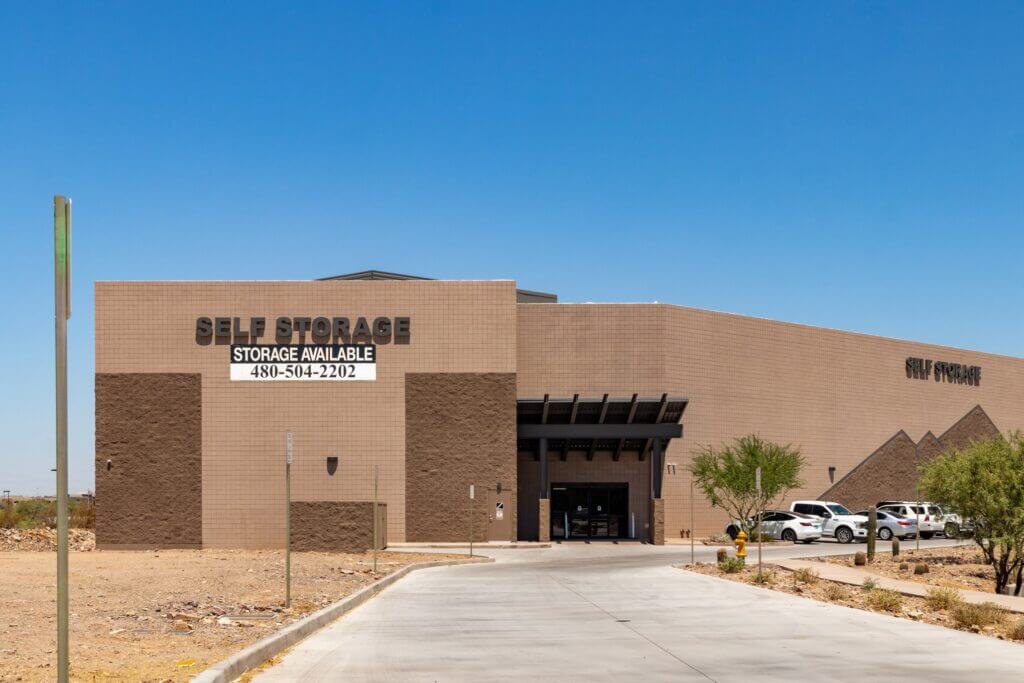
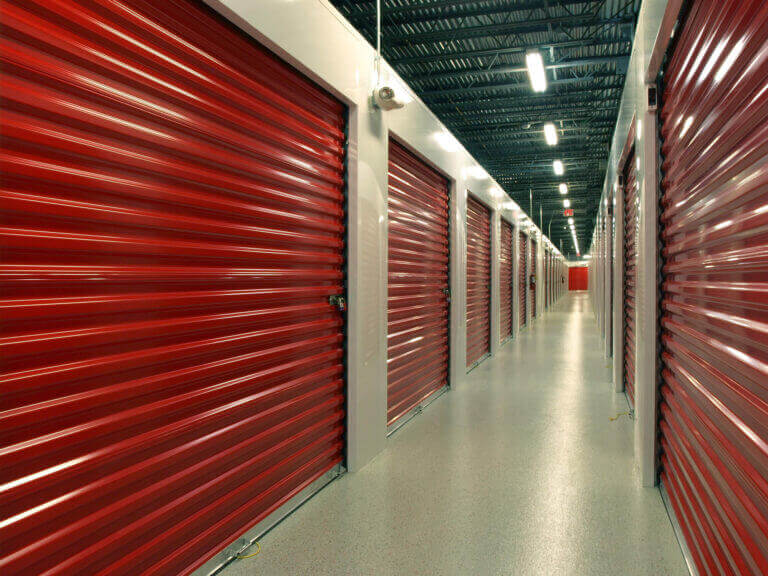
Step by step moving into a storage unit at McDowell Mountain Community Storage in Scottsdale Arizona with organized boxes and furniture
Learn how to move your items safely into a storage unit with this step by step checklist from McDowell Mountain Community Storage in Scottsdale Arizona

Reduce Clutter With Flexible Self-Storage Solutions

Self-storage provides a practical solution for individuals and families looking to declutter apartments, homes, or offices while keeping essential items safe and accessible. We help customers store everything from seasonal decorations and furniture to electronics, documents, and personal belongings, providing a flexible solution that accommodates changing needs. By utilizing self-storage, you can reclaim space in your home, organize your belongings efficiently, and maintain easy access to everything you need.

Enhance the Overall Storage Experience With Expert Guidance

At McDowell Mountain Community Storage, we prioritize the customer experience, ensuring that every step of the storage process is as smooth and stress-free as possible. Our facilities are equipped with secure, accessible units of varying sizes. Our team offers expert guidance on packing, labeling, and organizing, and our storage solutions are designed to meet diverse needs. By following our checklist, utilizing the proper materials, and planning each step thoughtfully, customers enjoy a secure, organized, and convenient storage experience from start to finish.

Conclusion: Follow Our Checklist for a Successful Move

Moving into a storage unit requires careful planning, preparation, and organization, but by following our step-by-step checklist, the process becomes manageable, efficient, and secure. From gathering packing supplies and selecting the right unit size to labeling, protecting, and maintaining your belongings, every step is designed to optimize space, minimize stress, and ensure the safety of your items. At McDowell Mountain Community Storage, we provide the facilities, tools, and guidance needed to make your storage experience seamless, giving you peace of mind and confidence that your belongings are well cared for every step of the way.

Frequently Asked Questions (FAQs)

1. Can I Access My Storage Unit Anytime?

Many people wonder if they can retrieve or add items outside of regular business hours. Our storage facilities typically offer flexible access times, but some locations have limited access hours. It’s essential to check your unit’s accessibility when renting so you can plan your schedule accordingly.

2. What Items Am I Not Allowed to Store?

Certain items, like hazardous materials, perishables, flammable liquids, or illegal items, cannot be stored in self-storage units. This ensures safety for all customers and prevents damage to other belongings or the facility.

3. How Do Climate-Controlled Units Work?

Climate-controlled units maintain stable temperature and humidity levels, which are essential for sensitive items such as electronics, artwork, wooden furniture, and important documents. These units protect items from warping, mold, corrosion, or fading over time.

4. How Do I Handle Long-Term Storage?

For long-term storage, it’s important to periodically check your unit for maintenance issues, dust, or moisture, and ensure that boxes remain stacked safely. Keeping an updated inventory and rotating seasonal items helps keep everything organized over months or years.

5. Can I Share My Unit With Someone Else?

Some people consider sharing storage units with friends, family, or roommates. While it’s possible, only the renter named on the contract has legal access. If you share, it’s essential to clarify responsibilities and insurance coverage.

6. How Do I Protect Valuables While in Storage?

High-value items such as jewelry, artwork, electronics, or collectibles should be insured, securely packed, and placed in areas less prone to damage. Using reinforced boxes, bubble wrap, blankets, and climate-controlled units adds extra protection.

7. What Security Features Are in Place at Your Facilities?

Our facilities include gated access, surveillance cameras, secure locks, and, often, on-site staff. These measures reduce the risk of theft or unauthorized access, giving customers peace of mind that their belongings are safe.

8. Can I Change My Unit Size After Moving In?

Yes! If your storage needs increase or decrease, you can often transfer to a different unit size within the facility. Planning for growth or downsizing helps ensure that your belongings continue to fit comfortably and remain organized.

9. Do You Offer Packing Supplies On-Site?

Many of our storage locations provide packing supplies, including boxes, tape, bubble wrap, blankets, and containers. Having these items on-site is convenient for last-minute packing or replacements.

10. How Do I Set Up Insurance for My Stored Items?

Insurance can cover damage or loss due to fire, water, theft, or accidents. Customers can usually purchase insurance through the storage facility or a third-party provider, ensuring that high-value or fragile items are protected while in storage.
Top Storage Unit Tips You Must Know in 2025

As we enter 2025, the demand for self-storage solutions continues to rise. The proper storage unit is essential for storing seasonal items, business inventory, or personal belongings. From labeling and organizing contents to maximizing storage space to ensuring proper maintenance and understanding security measures, these top tips will help you make informed decisions about everything in one convenient place. 

Whether you’re a homeowner, business owner, or renter, investing in a high-quality self-storage facility can bring peace of mind while protecting your things from damage, dust, pests, and moisture. This approach ensures that your room stays clutter-free while keeping your house organized. This guide will help you select the best unit storage, ensuring efficiency, organization, and money-saving strategies. This idea will make your storage experience smooth and hassle-free, from storing equipment to optimizing space. 

1. Understanding Your Storage Needs

Before renting a storage unit, evaluate your storage needs. Consider the condition of your items and the spaces available. Consider whether you’ll store furniture, electronics, clothing, or business storage units for documents and inventory. The difference between storage types can impact accessibility and protection. Ask yourself important questions about security, climate control, and option availability to ensure your storage run is smooth and efficient. 

  • Short-term vs. long-term storage: An essential storage unit might suffice if you need a solution for just a few months. However, long-term storage facilities require extra precautions, such as climate control and security features. For example, renters storing furniture like dressers should consider a climate-controlled unit to prevent damage. Each step of the process, from choosing the right level of protection to stacking each item properly, helps maintain your belongings. People storing valuable goods should add a protective layer of bubble wrap or covers, ensuring anything fragile stays secure. 
  • Size considerations: The right unit size depends on the number of items you plan to store. Large storage units accommodate furniture, while smaller ones are ideal for boxes, bags, and packing supplies. If you’re storing belongings from an apartment, select the right size to avoid unnecessary costs. Using the proper tools and storage practices will help maximize space with minimal effort. Make a list of what you plan to store to streamline the task. Another critical factor is stacking efficiently, especially when dealing with many fragile or heavy items. 
  • Accessibility: A convenient location with 24/7 access ensures you can retrieve your possessions whenever needed. Consider the facility’s operations—does it offer security and climate control? If you’re storing a vehicle, check if the unit size and accessibility fit your needs. Asking the right questions about locations and security features can make a big difference. Choosing the proper method for organizing your unit will ease your storage experience. Whether you’re storing seasonal items or making space for a new chapter in your life, finding something that fits your needs is essential. 

2. Choosing the Right Storage Facility

When selecting a storage provider, consider key factors that impact security, cost, and convenience. Not all storage facilities are equal—consider the environment inside the unit to ensure it protects your products from damage. Check the walls for insulation and security features. Look for suggestions from other homeowners who have used the facility. Compare price options and review the storage policies to avoid hidden fees. A well-chosen unit can lead to significant savings while keeping your belongings secure, so consider the following:

Security Measures to Look for in a Storage Facility

  • Locks and access control: Ensure your storage unit has strong security measures, including keypad entry, gated areas, and individual unit locks.
  • Monitoring and surveillance: The best storage facilities have 24/7 monitoring to track items and prevent theft.
  • Climate control and protection: To keep possessions safe from humidity levels, temperature fluctuations, and moisture, opt for a climate-controlled storage unit.

Pricing and Insurance Options

  • Storage unit prices: Compare costs and read the description of what’s included in your rental fee.
  • Insurance coverage: Some storage providers offer insurance to protect against theft, damage, or natural disasters.
  • Budget considerations: Plan your storage solution based on your budget and the value of your stored items.

3. Packing Like a Pro for Maximum Protection

Proper packing prevents damage, reduces clutter, and ensures easy accessibility. A well-organized aisle inside your storage unit allows for effortless navigation. Using sturdy boxes and stacking them correctly improves stability, preventing accidents. Focusing on strategic packing will maximize space and minimize frustration when retrieving items. Additionally, labeling boxes offer benefits by making it easier to locate specific belongings. Learning from the experiences of others and seeking advice from customer service can further enhance your storage approach.  Follow these expert packing tips:

Best Packing Supplies to Use

  • Bubble wrap and plastic covers: Protect fragile items like glassware, electronics, and decorations from impact.
  • Boxes and containers: Use sturdy boxes or plastic bins to store documents, clothing, and linens.
  • Labels and inventory lists: Label each box clearly and create a checklist for better organization.

Packing Strategies for Efficiency

  • Stacking and shelving: Use shelves, racks, and floor space wisely to optimize your storage space.
  • Arrangement and accessibility: Place frequently used items at the front and stack seasonal items in the back.
  • Climate considerations: Protect delicate belongings from extreme temperature changes using a climate-controlled storage unit.

4. Maximizing Storage Space and Organization

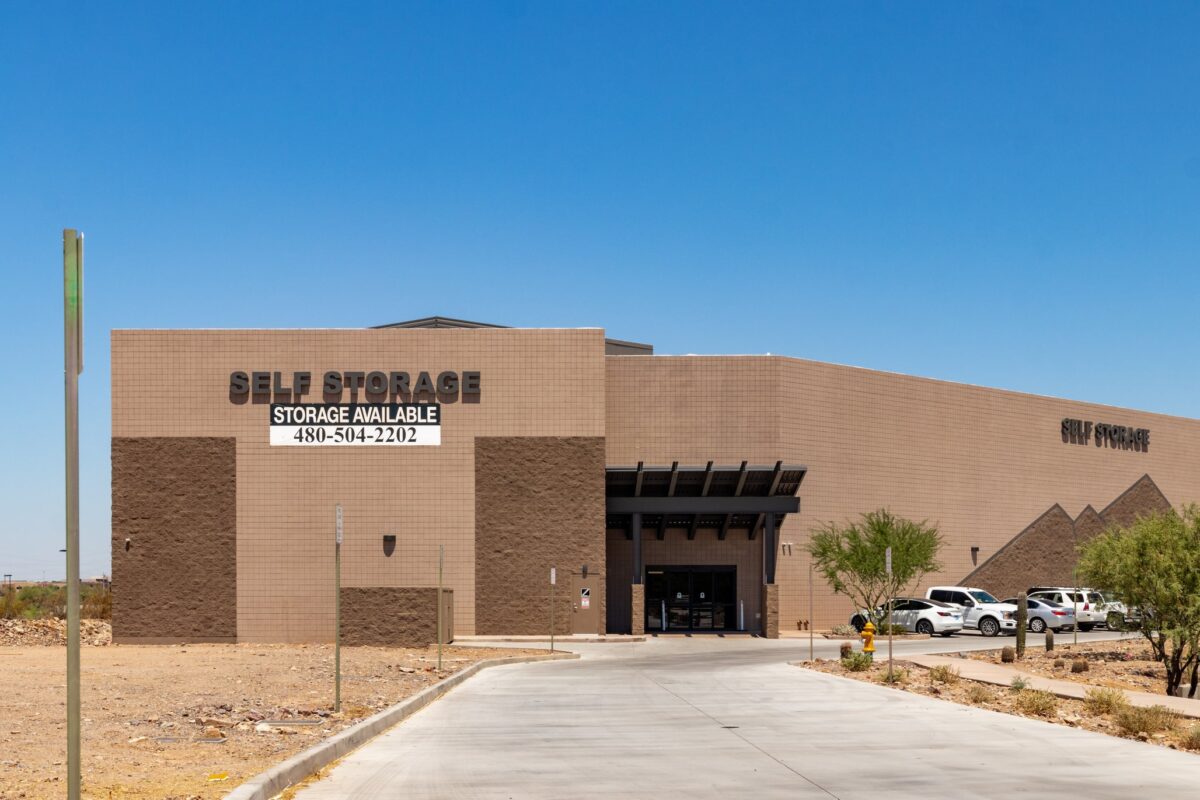
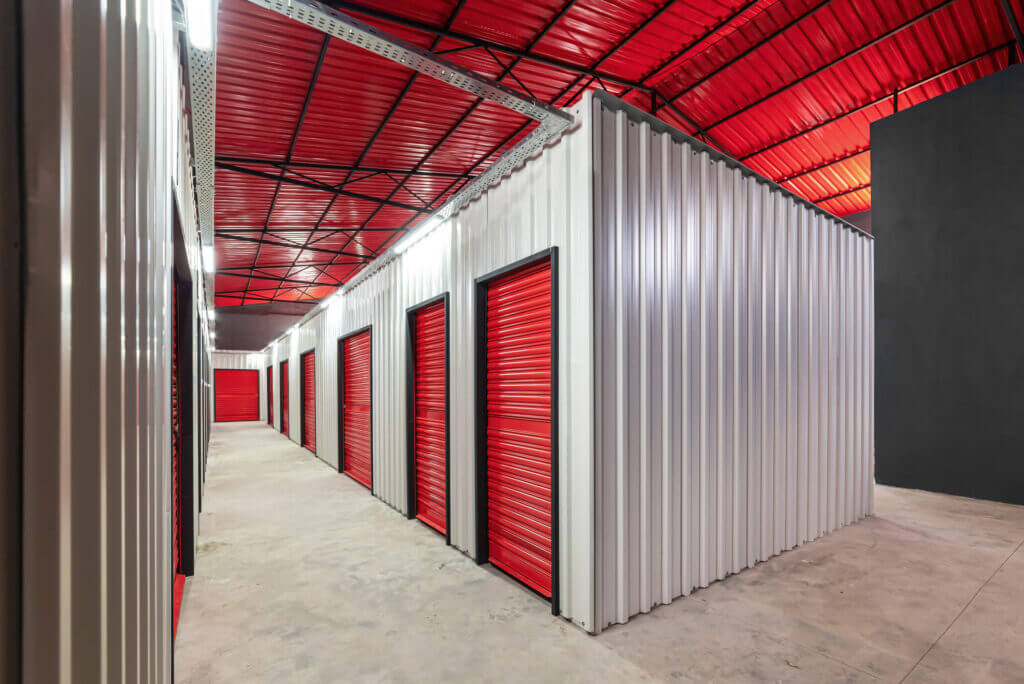
Discover essential storage unit tips for 2025 from McDowell Mountain Community Storage in Scottsdale Arizona.
Learn how to maximize space and security with expert storage tips from McDowell Mountain Community Storage in Scottsdale Arizona.

An organized self storage facility reduces stress and makes finding items easier. Placing heavier boxes at the bottom and lighter ones on top helps maintain stability. Sorting belongings by category—such as seasonal décor, blankets, or office supplies—ensures better organization. For instance, using clear bins for frequently accessed items allows quick retrieval. Working with a team can save time and effort when moving or rearranging storage. There are many ways to optimize your unit, from shelving to labeling, making storage more efficient. Here are some expert organization techniques:

Space-Saving Tips

  • Utilize vertical space: Install shelving to efficiently store boxes, office supplies, and business inventory.
  • Use multi-purpose storage solutions: Opt for stackable containers and bags for better efficiency.
  • Declutter before storing: Remove unnecessary stuff to free up storage space and keep only essential possessions.

Maintaining Order in Your Storage Unit

  • Check storage conditions regularly: Inspect for pests, dust, and moisture to prevent damage.
  • Rearrange items as needed: Update your organization system based on seasonal items and business needs.
  • Keep pathways clear: Avoid clutter by creating a floor space for easy movement inside the unit storage.

5. Protecting Your Belongings from Damage and Theft

Ensuring the safety of your belongings is a top priority when renting a storage facility. Follow these strategies to keep your items secure:

Preventing Common Storage Risks

  • Humidity and moisture protection: Use climate control to avoid mold growth on furniture, clothing, and documents.
  • Pest prevention: Keep food and perishable items out of the storage unit to prevent pests.
  • Dust and debris management: Use protective covers and store boxes off the floor to minimize exposure to dust.

Enhancing Storage Unit Security

  • Use high-quality locks: Invest in secure locks for added protection.
  • Check for security features: Look for storage solutions that include alarm systems, security cameras, and controlled access.
  • Limit access to trusted individuals: Share your unit key or access code only with those needing it.

6. Choosing the Best Storage Solution for Your Needs

Whether you’re storing business storage units, holiday decorations, or home belongings, selecting the proper storage solution is essential. Organizing items by category helps maximize space and improve accessibility. Be mindful of how often you’ll need to access your unit, as frequently used items should be placed on the most accessible sides. Choosing a well-maintained site prevents unnecessary waste of space and resources, ensuring your belongings remain safe and in good condition.

Types of Storage Units Available

  • Indoor vs. outdoor storage: Indoor units offer better security, while outdoor units provide easy vehicle access.
  • Climate-controlled storage: Ideal for sensitive items like electronics, furniture, and documents.
  • Business storage units: Great for business owners needing extra storage space for inventory and office supplies.

Cost Considerations and Budget Planning

  • Compare unit prices: Research the cost of storage facilities in your area before deciding.
  • Factor in additional fees: Some facilities charge extra for climate control, insurance, or 24-hour access.
  • Look for discounts and deals: Many storage providers offer promotions, especially for long-term rentals.

7. Final Steps: Moving into Your Storage Unit

Once you’ve chosen the right storage facility, it’s time to move inefficiently. Follow these steps:

Before Moving Day

  • Create a detailed plan: List all items and decide on their arrangement inside the storage unit.
  • Gather necessary packing supplies: Ensure you have enough boxes, bubble wrap, and labels.
  • Consider rental truck options: If moving large furniture, look for businesses that offer moving services.

During Move-In Day

  • Pack strategically: Place frequently used items at the front for easy access.
  • Check unit conditions: Inspect the storage space for security measures, pests, and humidity.
  • Secure your unit: Lock the door and ensure all items are appropriately arranged for maximum efficiency.

Conclusion

Choosing a storage unit in 2025 requires careful planning, from understanding storage needs to selecting the right storage facility. Following these tips ensures your belongings remain safe, organized, and easily accessible.

Whether you need self-storage for business storage units, household goods, or seasonal items, prioritizing security, climate control, and efficient packing will help you maximize your storage solution.

For those looking for a trusted storage provider, McDowell Mountain Community Storage offers secure, climate-controlled storage units, competitive prices, and top-notch security measures.

Would you like to learn more about storage options? Contact us today for expert guidance on selecting the perfect storage unit for your needs!

Frequently Asked Questions

What items are prohibited in a storage unit?

Most storage facilities prohibit flammable materials (gasoline, propane, fireworks), hazardous chemicals, perishable food, live animals, plants, and illegal substances. Always check the facility’s rules to avoid potential fines or eviction.

How do I determine if I need climate-controlled storage?

Climate-controlled storage is essential for temperature-sensitive items like electronics, wooden furniture, artwork, musical instruments, and documents. It is highly recommended if you’re storing items for an extended period or live in an area with extreme weather conditions.

What is the best way to protect furniture in a storage unit?

Use furniture covers or blankets to prevent dust accumulation. Disassemble large furniture pieces when possible and store them upright to save space. Avoid placing items directly on the floor using pallets or plastic sheeting to prevent moisture damage.

How does storage unit insurance work?

Storage unit insurance protects your belongings against theft, fire, flooding, and other unexpected events. Some storage facilities offer in-house insurance, or you can check if your renters’ or homeowners’ insurance covers off-site storage.

Can I use a storage unit for my small business operations?

Many small businesses use storage units for inventory, equipment, or document archiving. However, operating a business from a unit (e.g., meeting clients or conducting daily operations) may violate facility policies, so check the terms before renting.

What are the best security measures for protecting my storage unit?

Choose a facility with gated access, security cameras, and well-lit surroundings. Invest in a high-quality, tamper-resistant lock, and avoid sharing your access code or key with others unless necessary.

Are there penalties for late payments on storage units?

Yes, most storage facilities charge late fees if you miss a payment. If you fail to pay for an extended period, the facility may auction off your belongings. Review your rental agreement to understand the terms and avoid unexpected penalties.

Can I store a vehicle in a storage unit?

Yes, but it depends on the size of the unit. Cars, motorcycles, boats, and RVs require specific storage accommodations. Some facilities offer indoor vehicle storage, while others provide outdoor parking spaces. Ensure the vehicle is clean, insured, and maintained before storage.

How do I prepare items for long-term storage?

Clean and dry all items before storing them to prevent mold or mildew. To avoid deterioration, use plastic bins instead of cardboard boxes. Place moisture absorbers in the unit and periodically check stored items if possible.

What are the benefits of renting a storage unit versus using a portable storage solution?

Traditional storage units provide better security, climate control, and accessibility, making them ideal for long-term storage. Portable storage units offer convenience for short-term needs, as they can be delivered to your location. The choice depends on your storage duration and mobility requirements.

How Old Do You Have to Be to Rent a Storage Unit?

Renting a storage unit can be convenient for those looking to store belongings, whether for personal, business, or vehicle storage needs. Many people turn to self storage as a flexible option for securing their items safely. However, if you are underage, you may be wondering, as a person without legal rental rights, how old do you have to be to rent a storage unit? Checking a map of nearby facilities and reviewing the rental menu of available storage units can help you navigate this experience smoothly. 

In most locations, including California (CA) and other states, the legal age requirement to sign a rental agreement for a storage unit is 18 years old. This ensures that a tenant can enter into a binding contract, be responsible for the unit space, and follow the storage provider’s regulations. The reason for this rule is to protect both the renter and the facility from potential legal issues. Anyone under 18 may need a guardian to co-sign. Having flexible rental terms is essential; a storage app can help manage payments and access. Additionally, fire safety rules are in place to prevent risks to property, as damage to things inside the unit could be costly. 

If you are under 18, you will likely need a family member or guardian to co-sign the lease agreement. This helps protect the facility from potential legal issues and ensures that the storage space is used responsibly. Once the agreement is signed, you can log in to your account through the facility’s link to manage your rental. The logo of the storage provider will be visible on the app or website for easy recognition. If you’re storing vehicles or boats, check the space and part of the country where the facility is located to ensure it fits your needs. 

In this guide, we’ll cover the rental process, the different storage unit sizes, security deposit requirements, and factors that impact choosing the proper storage unit.

Understanding the Rental Process

Before securing a storage unit, customers must complete a few steps to finalize the rental process. This includes reviewing the available range of storage units, checking the icon for unit details, and ensuring you have the right supplies for packing your belongings. You can also find helpful content on the facility’s website to guide you through the process. You can also explore job opportunities if you’re interested in careers with a career provider. Here’s what you need to know:

1. Meeting the Age Requirement

The first step in the rental process is confirming that you meet the age requirement. If you’re 18 or older, you can sign the rental agreement without assistance. If not, you will need a legal guardian to sign. Once confirmed, you can proceed to make a reservation for your unit. Review the trademarks associated with the facility to ensure you’re renting from a trusted provider. You may also need to choose the room or space based on your storage needs before finalizing your rentals. 

2. Selecting a Storage Unit Size

One of the most common questions is, “What Size Storage Unit Do I Need?” The answer depends on your storage needs.

  • Small units (5×5, 5×10): Great for storing boxes, seasonal items, or small furniture.
  • Medium units (10×10, 10×15): Ideal for apartment-sized moves or business storage.
  • Large units (10×20, 10×30): Perfect for significant house moves, vehicle storage, or storing bulky items.

Check out Your Ultimate Storage Unit Size Guide to determine the best option for your needs.

3. Understanding Pricing and Fees

Prices for storage units vary based on size, location, and additional amenities. Here are some factors that impact price:

  • Storage unit size: Larger units cost more.
  • Climate-controlled storage units provide temperature regulation for sensitive belongings but may be more expensive.
  • Security deposit: Some storage facilities require a security deposit upfront.
  • Monthly payment: Most facilities operate on a month-to-month rental basis.

Choosing the Right Storage Facility

Not all storage facilities are the same, so it’s essential to consider a few factors before deciding.

1. Location Matters

A nearby storage unit is more convenient, especially if you need frequent access. Searching for storage unit locations near your home or office ensures easy access to your items.

2. Safety and Security

One of the most common concerns is “Are Storage Units Safe?” The answer depends on the facility’s security measures. Look for facilities that offer:

  • 24/7 surveillance cameras
  • Gated access with identification requirements
  • Secure lock options for extra protection
  • Insurance plans for added protection

These features ensure your belongings remain safe while in storage.

3. Access and Convenience

Some storage facilities offer 24-hour access rights, while others have restricted hours. If you need frequent access to your unit, check the facility’s schedule before signing a lease agreement. At McDowell Mountain Community Storage, we offer flexible access hours to accommodate your needs, ensuring you can access your belongings conveniently. Our facility provides excellent service with secure, reliable, and easily accessible units, making it the perfect choice for your storage requirements.

Other convenient features include:

  • Online account management for easy rental payments
  • Drive-up storage units for quick loading/unloading
  • Climate-controlled storage units for sensitive items

Types of Storage Units Available

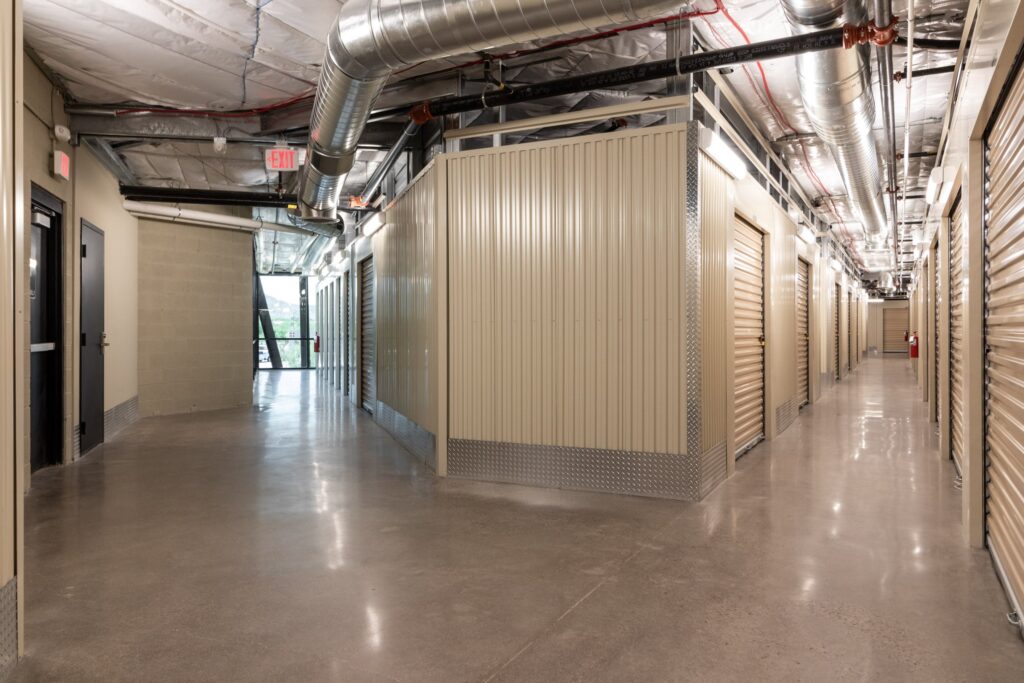
Discover the age requirement and rental process for renting a storage unit at McDowell Mountain Community Storage located in Scottsdale Arizona.
McDowell Mountain Community Storage in Scottsdale Arizona offers a range of storage options, including secure, accessible units for all your storage needs.

There are different types of storage units based on your specific needs.

1. Business Storage

Many businesses use storage facilities to store excess inventory, office furniture, or important documents. Business storage helps free up office space while keeping essential materials accessible.

2. Vehicle Storage

Vehicle storage is an excellent option if you have an extra car, boat, or RV. These storage spaces are designed for long-term vehicle parking, ensuring your car is safe when not in use.

3. Household Storage

Are you moving to a new house or downsizing? Household storage needs vary, and our storage space options can accommodate anything from a few boxes to an entire home’s worth of furniture.

4. Climate Controlled Storage Units

Climate-controlled storage units provide regulated temperatures to protect temperature-sensitive items against extreme heat, cold, and humidity.

Legal Considerations and Contracts

Signing a lease agreement means committing to regulations regarding your storage unit. Some key aspects of a rental agreement include:

  • Identification: You must present a valid ID to rent a storage unit.
  • Security deposit: Some facilities require this as a safeguard.
  • Monthly payment: Most storage providers charge on a month-to-month basis.
  • Access rights: Rules about who can enter the unit space.
  • Insurance: Some facilities require proof of insurance for valuable items.

Read the contract carefully before signing to understand all the details.

How to Reserve a Storage Unit

If you’re ready to rent a storage unit, here’s a simple guide to securing your space:

Step 1: Research Storage Facilities

Look for storage providers in your area by searching on Google or checking reviews from other customers.

Step 2: Choose the Right Size

Use a storage unit size guide to determine what works best for your needs.

Step 3: Check Pricing and Promotions

Some facilities offer discounts or promotions for new customers.

Step 4: Sign the Rental Agreement

Ensure you meet the age requirement and provide the necessary identification.

Step 5: Move in Your Belongings

Use a truck to transport your items, and secure everything with a reliable lock.

Why Choose McDowell Mountain Community Storage?

At McDowell Mountain Community Storage, we offer the following:

  • Variety of storage unit sizes
  • Secure facilities with gated access
  • Climate-controlled storage units for sensitive belongings
  • Competitive prices and flexible lease agreements
  • Friendly assistance from our professional staff

We understand that choosing the proper storage unit is essential. Whether you need business, vehicle, or personal storage space, we provide secure and reliable options for every situation.

For more information, visit our location in Fresno, check our website, or call our phone number. Let us help you find the perfect storage unit for your needs today!

Frequently Asked Questions

What Is the Best Way to Pack a Storage Unit?

The best way to pack a storage unit is to use proper packing materials like boxes, bubble wrap, and packing tape. Start by storing large, heavy items like furniture at the back of the unit. Then, stack lighter boxes on top. Label all boxes for easy access, and leave an aisle to walk through for easier retrieval of items.

Can I Store Hazardous Materials in a Storage Unit?

Hazardous materials such as chemicals, flammable liquids, paints, and explosives are not allowed in storage units. Storage facilities have strict guidelines on what can be stored, and hazardous items are prohibited for safety reasons. Always check the facility’s policy to avoid any issues.

Are There Any Restrictions on What I Can Store?

Yes, most storage facilities restrict items that pose a safety or health risk, such as perishable goods, hazardous materials, firearms, and illegal substances. Always confirm with the storage provider what can and cannot be stored in your unit to ensure compliance with regulations.

How Can I Protect My Belongings in a Storage Unit?

Consider using climate-controlled storage units for sensitive items such as electronics, antiques, and artwork to protect your belongings. Also, use high-quality locks and secure fragile items with protective padding. For extra peace of mind, look for facilities that offer insurance coverage options for your stored belongings.

How Do I Choose Between a Standard or Climate-Controlled Storage Unit?

Choose a climate-controlled storage unit to store sensitive items like electronics, documents, artwork, furniture, or collectibles susceptible to extreme temperatures or humidity damage. Standard units are suitable for items that aren’t affected by these conditions.

What Is the Difference Between Indoor and Outdoor Storage Units?

Indoor storage units are located inside a building and typically provide more security, with restricted access and temperature control. On the other hand, outdoor storage units are often more affordable and convenient for storing vehicles, boats, or large items, as they offer drive-up access for easy loading and unloading.

Can I Use My Storage Unit for Business Purposes?

Many use storage units for business purposes such as inventory, office supplies, or equipment. However, it’s essential to check with the storage facility about any restrictions or regulations regarding business storage, especially if you plan to use it for commercial purposes like shipping or manufacturing.

What Happens If I Miss a Payment for My Storage Unit?

If you miss a payment for your storage unit, the facility may charge late fees or restrict access to your unit. If payments remain overdue, the facility might eventually auction off your belongings to recover the owed amount. Always communicate with the storage provider if you’re having trouble making payments to avoid complications.

How Can I Access My Storage Unit After Hours?

Some storage facilities offer 24/7 access, while others may have restricted hours. If you need access outside regular business hours, check if the facility provides a keycode or electronic gate access. At McDowell Mountain Community Storage, we offer flexible access hours to accommodate your needs.

Do You Offer Moving and Packing Supplies at the Facility?

Many storage facilities, including McDowell Mountain Community Storage, offer a range of moving and packing supplies, such as boxes, bubble wrap, packing tape, and furniture covers. These supplies can be purchased at the facility to help make your storage experience more convenient.

How to Choose the Right Storage Unit for Your Needs

The process can feel overwhelming when it comes to finding the ideal storage unit for your needs. Whether you’re looking to store a few personal items, the contents of an entire house, business inventory, or even vehicles like a boat, RV, or car, selecting the proper storage unit is crucial. At McDowell Mountain Community Storage, we understand that every customer has unique needs, and we strive to provide the perfect solution. To help you make an informed decision, we’ve compiled this comprehensive guide on choosing the proper storage unit for your needs, considering availability, recommendation, duration, amenities, proximity, and specific requirements for storage space, room, and things. Whether you’re looking for self storage solutions across various locations or need tips on choosing the best option for your storage needs, we’re here to guide you every step of the way. 

Assessing Your Storage Needs

Before you even look at available storage units, it’s essential to assess exactly what you’re planning to store. The type of items, the size of the items, and the amount of space you need will significantly influence the type of unit you should choose. The most common items people store in storage units include personal belongings such as furniture, electronics, boxes of books, holiday decorations, and even more significant items like cars or boats. When considering what to store, remember things like appliances, parts of a garage, or office equipment that might require additional space.

Start by making a list of all the items you plan to store. This will give you a better sense of the space you’ll need. If you are moving out of your home, you will likely need a larger unit to fit your furniture, electronics, and other household belongings. Alternatively, a smaller unit might suffice if you’re only storing seasonal items, like holiday decorations, books, or keepsakes. If you have any specific questions about the size or type of unit you need, don’t hesitate to reach out for recommendations.

Additionally, consider whether any of your items are particularly sensitive to temperature changes or humidity. If you have electronics, important documents, or artwork, it might be worth looking into storage units that offer climate control. Climate-controlled units are designed to keep the temperature and humidity consistent to protect sensitive items from extreme heat, cold, or moisture damage. Storing your stuff in a climate-controlled unit ensures your appliances and other valuable items remain in optimal condition, saving you money in the long run.

How to Choose the Right Storage Unit for Your Needs In Scottsdale AZ

Choosing the Right Size of Storage Unit

Choosing the right size is one of the most critical factors when selecting a storage unit. Renting a too small unit will leave you scrambling to find additional storage options, while renting a too-large unit may lead to wasted space and higher rental costs. Therefore, thinking carefully about the space you’ll need and the types of items you’ll be storing is essential.

Storage unit size is crucial, and McDowell Mountain Community Storage offers a wide range of options to fit your needs. A smaller unit, such as a 5×5, may be perfect for a few boxes, personal items, or seasonal decorations. This site could work well if you move a few furniture pieces or store office supplies. A 10×10 unit might be an excellent option for storing furniture from a one-bedroom apartment or business inventory that needs to be stored off-site. If you have more oversized items or a lot of belongings, a 10×20 unit might be more appropriate. For those needing space for vehicles like a truck, RV, or even a boat, we offer larger units that can also accommodate these items.

When you think about storage unit size, also consider how easy it will be to access your belongings. Many self-storage facilities offer convenient features like roll-up doors or drive-up access, making it easier for anyone with a truck or large vehicle to load and unload items. Whether you’re storing personal items, business inventory, or anything else, the storage unit size and features must fit your needs.

If you need more clarification on what size you need, feel free to ask the McDowell Mountain Community Storage staff for guidance. They can help you assess your inventory and recommend the right unit size for your specific needs. Check out our blog for more tips on choosing the best self-storage unit. We’re here to make the process as easy as possible and ensure you find the perfect storage solution for your belongings.

Location and Accessibility

Another important factor when choosing a storage unit is location. The location of your storage facility is essential for various reasons, including convenience, security, and the cost of rent. McDowell Mountain Community Storage is a storage company located in a convenient area with easy access so that you can get to your belongings without hassle. Whether you need frequent access to business inventory or occasionally need to retrieve seasonal items, the location should suit your needs.

Additionally, consider the hours of access that a facility offers. Some facilities have limited hours, while others offer 24/7 access. If you’re storing RVs, business inventory, or other items you need to access outside of typical business hours or have unpredictable schedules, choosing a facility with flexible access hours can make a big difference.

Another consideration is whether you must park nearby for loading and unloading. Some facilities offer drive-up access, which allows you to park directly in front of your unit sizes, making the process of loading and unloading more accessible and more convenient. Whether moving everything in one go or dropping off a few items, drive-up access saves time. Be sure to inquire about access details when choosing a storage facility.

Look for facilities that highlight the benefits of their services, such as convenient payments, secure building features, or the ability to park your door directly back to the unit for easy unloading. Finally, consider if the facility is staffed by someone who can assist with inquiries or provide additional on-site support.

Security Features

Security should always be a top priority when selecting a storage facility. Your belongings are valuable, and you want to ensure they are safe and protected in storage. McDowell Mountain Community Storage understands the importance of security, and we go the extra mile to ensure our customers’ peace of mind. Our facilities have advanced security features such as surveillance cameras, well-lit premises, and gated access to protect everything from small boxes to oversized items like furniture or mattresses.

When looking for a storage unit, ask about the security measures. Do they have 24/7 surveillance? Are there security guards on-site? Does the facility have proper lighting to deter criminal activity? It would help if you also inquired about access control systems. Many modern storage facilities use keypads or smartphone apps to allow customers to enter, which helps to ensure that only authorized individuals can access the property.

Matching your needs with the proper storage unit sizes is also important. Whether you’re storing the contents of apartments, homes, or individual item collections, choosing the correct size unit is critical. Consider what you’ll be storing: from furniture sets to seasonal decorations, selecting the proper size storage unit ensures you only pay for the space you need.

These security measures become even more critical if you store valuable items like electronics, documents, or even a boat or RV. Look for facilities with covered parking areas, protection against pests, and insurance options to cover your belongings. Whatever your storage needs, selecting a facility with these features is an intelligent choice to ensure your peace of mind.

How to Choose the Right Storage Unit for Your Needs

Understanding the Costs

When it comes to storage, cost is always a key consideration. While choosing a storage unit with the lowest rental price is the best option, balancing cost with the features and services offered is essential. Some facilities may offer discounted rates for the first month, while others may have additional fees for features such as climate control, 24-hour access, or enhanced security measures. These features can be precious for homeowners looking to manage clutter or store items that require specific temperatures to maintain their condition.

At McDowell Mountain Community Storage, we offer competitive rates and flexible payment options to suit your needs. Whether you’re storing for the short term or need a long-term solution, we can help you find a storage unit that fits your budget. Consider asking about promotions or discounts that might be available, especially if you’re renting for an extended period. Some facilities offer discounts for students or long-term renters.

While looking at prices, note any additional costs that could come up during the rental period. For example, you may be required to purchase insurance for your belongings, or you might need to pay for a lock to secure your unit. Be sure to clarify any potential extra costs upfront to avoid surprises later. Prioritizing features like climate control and security can also enhance the safety of your items, making it worth considering options beyond just the lowest price.

Climate Control and Specialized Storage Options

Suppose you plan to store items sensitive to temperature and humidity changes, such as electronics, artwork, or certain types of furniture. In that case, consider a climate-controlled storage unit. These units maintain a consistent temperature and humidity level, ensuring that your items are protected from extreme weather conditions, whether it’s the heat of summer or the cold of winter.

At McDowell Mountain Community Storage, we offer climate-controlled storage units to ensure that sensitive items like electronics, important documents, antiques, and even mattresses are kept in optimal condition. Climate control is significant for business owners who need to store inventory that may be affected by temperature and humidity, such as documents, artwork, or electronics.

Customer Reviews and Reputation

A great way to gauge the quality of a storage facility is by reading customer reviews. Take some time to check online reviews to get a sense of the reputation of the storage facility you’re considering. Customer feedback can provide valuable insights into the quality of the facilities, customer service, and the overall experience.

At McDowell Mountain Community Storage, we are proud of our reputation for excellent service. Our customers appreciate our clean, secure facilities and friendly, helpful staff. We work hard to ensure that our customers’ storage needs are met, whether they’re storing a few boxes or a house full of belongings.

Flexibility in Rental Terms

Finally, the flexibility of the rental contract should be considered. Some storage companies offer long-term contracts, while others offer month-to-month rentals. If you need to figure out how long you will need storage, choosing a facility that offers more flexible rental terms may be a good idea. This is especially important if you are still determining whether you need to store your items for a few months or longer.

At McDowell Mountain Community Storage, we offer short-term and long-term rental options, so you can choose a rental agreement that best fits your needs. We also offer flexibility in unit size, allowing you to upsize or downsize your unit as your needs change.

Final Thoughts

Choosing the proper storage unit involves evaluating several vital factors, such as the size, security features, location, and cost. By considering these factors carefully and assessing your storage needs, you can select a unit that offers the perfect balance of convenience, affordability, and security. Whether you store personal items, business inventory, or vehicles like a boat or RV, McDowell Mountain Community Storage is here to help.

If you’re ready to find the ideal storage unit, contact us today to learn more about our options. Our friendly team can help determine the best unit size and guide you through the rental process. Whether moving, decluttering, or needing a place to store your business inventory, McDowell Mountain Community Storage provides a secure, accessible, and affordable storage solution.