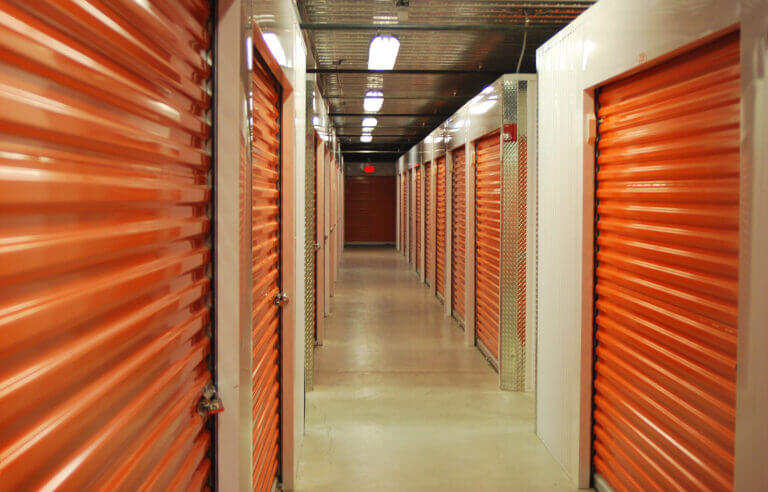
A Practical Guide to a Smooth Moving and Storage Experience

Relocating to a new home or office is more than just a physical move—it’s a significant change in life, environment, and daily routines. At McDowell Mountain Community Storage, we understand the complexities of moving, from packing boxes and organizing belongings to navigating logistics and adjusting to a new neighborhood. Our company has years of experience helping clients manage every aspect of a move, and we offer practical tips to make the process smoother. From coordinating calls with utility providers and arranging transportation to keeping track of paperwork and other essentials, we help ensure that even the most minor details at the bottom of your checklist are covered. Moves often bring a combination of excitement, stress, and disruption, which is why we focus on guidance, planning, and support to keep your transition organized.

We also recognize that moving involves more than just belongings—it includes relationships and connections. Friends and family can provide valuable assistance, but some aspects, like navigation, scheduling, and handling questions from movers or service providers, benefit from professional expertise. Our team monitors reviews and feedback to continually improve our services and help clients manage the right amount of effort and resources for each step of the move. With careful planning, strategic organization, and hands-on support from our company, every part of your move—whether arranging boxes, handling calls, or preparing paperwork—can feel manageable, structured, and ultimately rewarding.

Plan Every Aspect of Your Move in Advance

The foundation of a smooth move is thorough planning, and the first step is organizing all arrangements in a clear, structured way. We recommend creating a detailed timeline that maps out every stage of your relocation, from initial preparations to final unpacking. Start by identifying key tasks such as notifying utility companies, scheduling movers, coordinating transportation, and updating your name and address with banks, subscription services, and the post office. Allocating a realistic budget for these tasks ensures that costs are managed efficiently while still allowing for flexibility. By handling the details in advance, including paperwork, marketing communications for properties you may be leaving or acquiring, and consent for any service changes, you reduce last-minute stress and gain peace of mind throughout the move.

Beyond logistics, advanced planning provides an opportunity to research your new neighborhood and explore local amenities such as parks, grocery stores, and schools. Noting nearby properties, services, and essential contacts helps you share information with family, friends, or roommates who may be assisting with the transition. Planning in this way ensures that every step—from contacting utility companies to updating product deliveries and handling messages related to your relocation—is accounted for. By investing time in this phase, you maintain control over the process, reduce disconnection during the transition, and establish a solid foundation for a smoother, more organized move.

Declutter and Organize Your Belongings

Before packing, we recommend taking a hard look at every room in your home to declutter and organize your belongings. Decluttering is an essential step that not only saves space in your moving truck but also reduces packing costs, time, and stress. Start by sorting items into categories such as essentials, donations, items to sell, and things to store. Hosting a garage sale or listing unwanted items online is a practical way to lighten your load and even earn a little extra cash. Fragile items, valuable documents, and heirlooms should be treated with special care and organized separately. This stage of the move is more than just practical—it is a unique opportunity to reevaluate your possessions and start fresh in your new space. Additionally, decluttering helps create a more organized packing process and simplifies unpacking once you arrive, ensuring that only necessary and meaningful items make the journey with you.

Use the Right Packing Supplies and Techniques

Proper packing supplies and techniques are essential to protect your belongings during the move, especially when preparing items for storage. Using essential packing supplies for an efficient move into storage, such as high-quality boxes, durable packing tape, bubble wrap, and clear labeling markers, helps ensure long-term protection. Heavier items should be packed in sturdy boxes, while fragile belongings like glassware, electronics, or equipment should be carefully wrapped in bubble wrap or towels and clearly marked. Filling empty spaces with packing materials prevents shifting and minimizes the risk of damage during transport or storage.

We also recommend packing room by room and keeping similar items together to simplify organization and retrieval later. Color-coded labels or a numbering system can make locating stored boxes faster and more efficient. Investing time in proper packing strategies not only reduces the risk of damage but also ensures your items remain in excellent condition, making the entire moving and storage process more organized and less stressful.

Create a Comprehensive Checklist

A detailed moving checklist is one of the most effective tools to manage the complexities of relocation. At McDowell Mountain Community Storage, we encourage clients to create a master list that includes every task—from scheduling movers and arranging utilities to packing essentials boxes and updating contact information with banks, subscription services, and government agencies. Checklists help you track your progress, avoid forgetting crucial items, and coordinate efficiently with movers or family members assisting with the move. A well-structured checklist provides a sense of control and organization, helping to minimize stress during this often chaotic process. By following a comprehensive checklist, you ensure that no detail is overlooked, that deadlines are met, and that the transition to your new home or office proceeds smoothly from start to finish.

Label Boxes Clearly for Efficient Unpacking

Proper labeling is a critical step that can save hours of frustration during unpacking. We recommend labeling each box with the destination room, a brief description of its contents, and any handling instructions for fragile items. Using color-coded labels or markers can make identifying boxes quick and easy, even for movers. For example, boxes containing kitchen supplies should be labeled with the word “Kitchen,” while essentials boxes containing clothes, toiletries, chargers, and important documents should be kept easily accessible. Clear labeling not only protects delicate items but also streamlines the placement of boxes in your new home, ensuring that each room is organized from day one. By implementing this strategy, you reduce confusion, maintain order, and make the unpacking process significantly more efficient and stress-free.

Protect Valuables and Fragile Items

Protecting valuable and fragile belongings is a top priority during any move. We advise using bubble wrap, packing tape, and sturdy boxes to safeguard delicate items, while keeping important documents, electronics, and heirlooms separate and easily accessible. Overpacking can lead to breakage, so it’s important to distribute weight evenly and use cushioning materials to prevent damage. Additionally, insurance coverage for high-value items provides an added sense of peace of mind. By taking these precautions, we ensure that your most essential possessions remain safe, reducing stress and allowing you to focus on other aspects of the move. Thoughtful protection of fragile items helps maintain their condition and ensures that your new space feels familiar and intact when you arrive.

Coordinate Movers and Transportation Logistics

Efficient coordination with professional movers is essential to a smooth move. We work with experienced moving companies to help clients schedule, load, and unload in a timely and organized manner. Clear communication about truck size, number of movers, and timelines minimizes confusion and prevents unnecessary delays. For those opting for a DIY move, we provide guidance on loading rental trucks, securing items, and navigating the city safely. Proper planning of transportation logistics ensures that your belongings arrive on schedule, prevent damage, and reduce the physical and mental strain often associated with moving. Effective coordination also allows everyone involved to focus on specific tasks, creating an organized, stress-free experience.

Prepare an Essentials Box

Packing an essentials box is one of the most practical ways to maintain comfort and continuity during the first 24–48 hours after a move. This box should contain items such as clothing, toiletries, medications, chargers, and important documents, so you can function without unpacking every box immediately. We recommend placing this box in an easily accessible location, separate from the rest of your belongings. By preparing an essentials box, you reduce stress, maintain your daily routine, and create a sense of stability while the rest of your items are organized and unpacked. This small step can make a significant difference in your overall moving experience.

Set Up Utilities and Services Before Arrival

Setting up utilities before your move is critical to preventing disruptions and creating a comfortable living environment. Contact providers to activate water, electricity, gas, internet, and trash services in advance. Updating subscription services, banks, and other essential accounts ensures uninterrupted access to vital services. Proper planning of utilities and services provides a sense of connection to your new home and helps avoid unnecessary stress or disconnection. Being proactive in this area allows you to focus on unpacking, organizing, and settling into your new surroundings without worrying about interruptions to daily life.

Pack Rooms Systematically

Packing systematically by room is a proven strategy to simplify both packing and unpacking. Begin with non-essential areas, such as storage rooms or garages, and gradually move to high-use spaces, such as kitchens and bedrooms. This method helps keep boxes organized, ensures that fragile or high-priority items are packed carefully, and makes unpacking more efficient. By maintaining a consistent system for each room, you reduce confusion, save time, and create a smoother, more controlled moving experience. Organizing boxes room by room also allows movers to place items strategically in the truck and ensures that unpacking follows a logical flow in your new home.

Protect Furniture and Large Items

Large furniture and bulky items require careful attention to prevent damage, especially when preparing them for storage. Wrapping furniture for storage using moving blankets or protective padding, securing pieces with straps, and disassembling items when possible are essential strategies. This approach not only protects furniture from scratches, dents, and dust but also ensures safety during loading, unloading, and placement in storage.

Proper handling significantly reduces the risk of injuries and damage, allowing your belongings to remain in excellent condition. Our expertise helps clients manage large and heavy items efficiently, maintaining both safety and the integrity of their possessions throughout the entire moving and storage process.

Utilize Storage Solutions Effectively

Storage can play a pivotal role in the moving process. Whether you need to store excess furniture or temporarily keep seasonal items safe, storage units provide a secure and organized solution. Labeling boxes and organizing them by room or category makes retrieval convenient and straightforward. Storage offers a practical opportunity to declutter your new space before unpacking everything, giving you more room to settle comfortably. Knowing that belongings are safe and accessible provides peace of mind, reducing stress and allowing you to focus on enjoying your new home or office.

Maintain a Detailed Inventory

Keeping a detailed inventory is an essential aspect of any move. Record every item, from boxes to furniture, including fragile or high-value belongings. This inventory allows for accurate tracking during transportation, coordination with movers, and confirmation that nothing is missing. A comprehensive inventory also aids in insurance claims if any items are damaged or misplaced. By documenting your possessions, you create accountability and maintain a sense of control throughout the moving process, resulting in a smoother, more organized experience.

Implement Efficient Packing Strategies

Efficient packing strategies make a significant difference in the overall ease of a move. Techniques such as rolling clothes to save space, stacking boxes by weight, and using proper padding for fragile items reduce risk and improve organization. Grouping similar items and labeling boxes consistently speeds up the unpacking process and ensures that essential items are easy to locate. By applying these strategies, we help clients maximize space, protect belongings, and create a more efficient, stress-free move.

Plan for Pets and Family Members

Moving affects the entire household, including pets and family members. Preparing separate bags with essentials such as food, toys, medications, and comfort items ensures that everyone’s needs are met. Maintaining familiar routines and providing reassurance reduces stress and helps family members adjust to the change more easily. By planning for pets and children, we ensure that the entire household experiences a smoother, more comfortable transition.

Handle Paperwork and Documents Safely

Important documents such as birth certificates, passports, medical records, and financial records should be kept in a secure, easily accessible folder or box. Label these items clearly to prevent loss or confusion. Update addresses with banks, utility providers, insurance companies, and subscription services to avoid disruptions. Proper document management provides peace of mind and ensures you can access everything you need during and after the move.

Label Fragile Items for Maximum Safety

Clearly labeling fragile items is crucial for safe handling. Include details about contents, handling instructions, and the destination room. Using bubble wrap, towels, or other padding prevents damage during transport. Clear labeling ensures movers understand which items require extra care, reducing the likelihood of accidents and providing confidence that all belongings will arrive safely.

Track Every Step of the Timeline

Tracking the moving timeline allows you to monitor progress and stay organized. Include deadlines for packing, loading, transportation, unloading, and unpacking. Breaking down each stage into manageable steps reduces stress, improves coordination, and ensures that nothing is overlooked. A well-documented timeline helps everyone involved understand expectations and responsibilities, making the move more efficient and predictable.

Optimize Unpacking for Comfort and Ease

Unpacking strategically is key to settling into your new home. Begin with essential boxes and high-use rooms, gradually moving to storage areas or less frequently used spaces. Arrange furniture and belongings according to your plan, and unpack in an organized manner to reduce clutter. A methodical approach makes your new space more comfortable more quickly and ensures that essential items are immediately accessible. Organized unpacking allows you to enjoy your home sooner while minimizing stress and confusion.

Prioritize Safety, Security, and Insurance

Safety and security are central to a successful move. Use reliable movers, secure storage solutions, and consider insurance for valuable items. Follow proper lifting, handling, and transportation techniques to protect both people and possessions. By focusing on these measures, you reduce risks, protect your belongings, and create a safe, worry-free moving environment.

Build Connections in Your New Neighborhood

Moving is not just about belongings—it’s about community. Introduce yourself to neighbors, explore local parks, grocery stores, and amenities, and participate in community events. Building connections helps you feel at home faster and fosters a sense of belonging. Engaging with the neighborhood can make the transition feel more positive and enjoyable, turning a practical relocation into an opportunity for social and personal growth.

Reduce Stress Through Organization and Expertise

Organization and planning are key to minimizing stress during a move. By following strategic packing methods, using professional services, and tracking every detail, we help clients approach their relocation with confidence. Our expertise ensures that every aspect—from furniture to documents—is handled efficiently, creating a smooth, controlled experience. Well-planned moves reduce anxiety, save time, and allow clients to focus on settling into their new surroundings with peace of mind.

Take Advantage of Professional Assistance
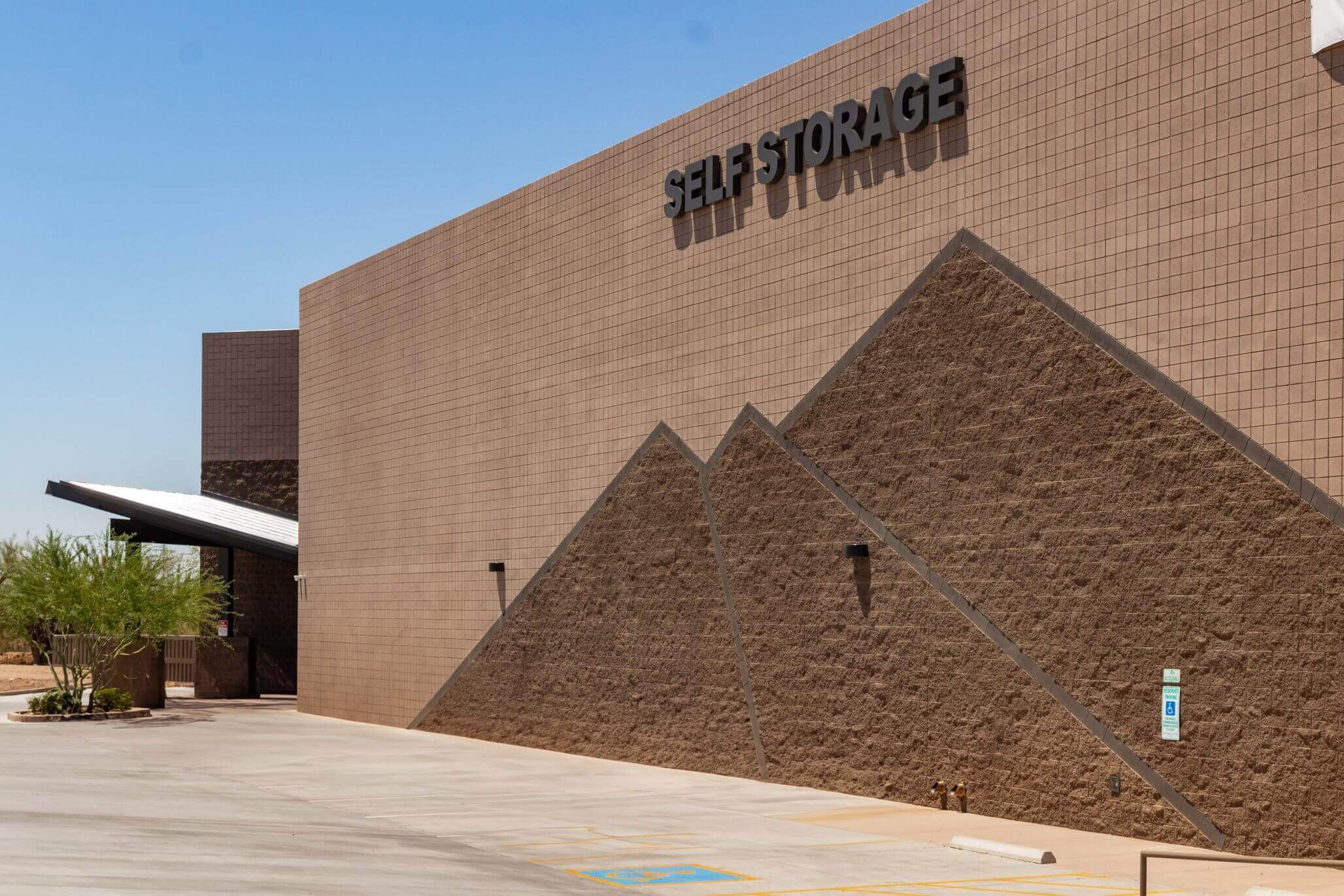
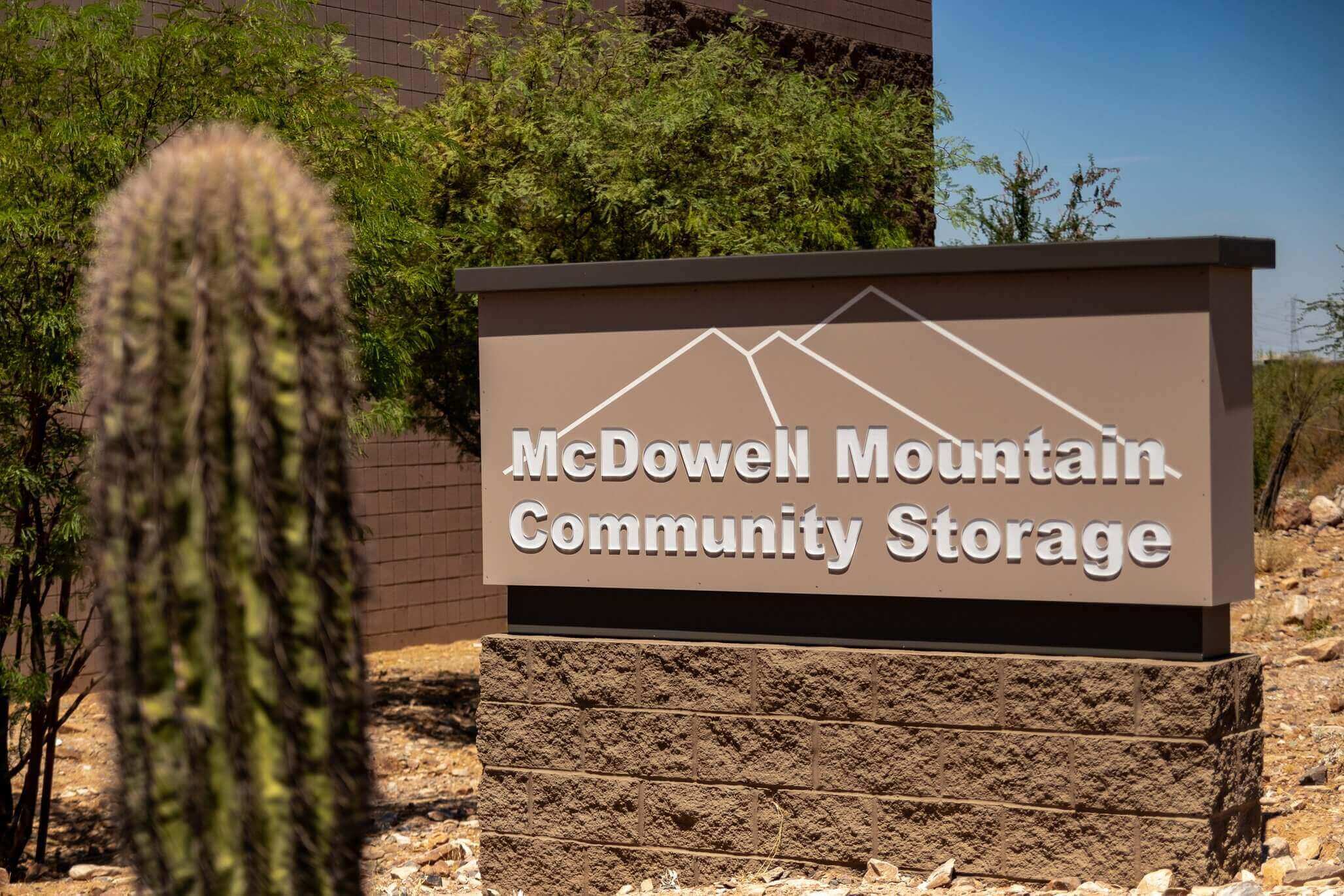
Smooth moving and storage experience supported by McDowell Mountain Community Storage in Scottsdale Arizona
Trusted moving and storage support from McDowell Mountain Community Storage in Scottsdale Arizona

Professional moving and storage services can make an otherwise overwhelming process much easier. Our team provides support with packing, loading, transportation, and storage, ensuring that your belongings are handled carefully and efficiently. Leveraging our knowledge and experience allows clients to focus on other aspects of their move, such as planning the new space, coordinating family needs, and adjusting to life in a new environment. Professional assistance maximizes efficiency, minimizes stress, and provides reassurance throughout the entire relocation.

Keep Communication Open Throughout the Move

Open communication is essential for a smooth transition. Stay in touch with movers, utility providers, family members, and service companies to avoid misunderstandings and delays. Sharing updates, schedules, and special instructions ensures that all parties are aligned and prepared. Clear communication strengthens coordination, reduces stress, and ensures that every aspect of the move proceeds according to plan.

Embrace the Move as a Positive Opportunity

Finally, we encourage clients to view moving as an opportunity rather than a disruption. Change can be challenging, but it also provides the chance to reorganize, declutter, and create a fresh start. By combining careful planning, strategic packing, and professional support, each move can be transformed into a positive, rewarding experience. Embracing the opportunity allows you to focus on the excitement of your new surroundings, build new connections, and start this next chapter with confidence and ease.

At McDowell Mountain Community Storage, our mission is to make moving a stress-free, organized, and positive experience. From planning and packing to transport, storage, and unpacking, we provide the guidance, tools, and expertise necessary to navigate every step. By following our strategies and leveraging professional support, your transition can be efficient, safe, and even enjoyable. Moving is more than relocation—it’s a chance to embrace change, simplify your life, and create a comfortable new home.

Frequently Asked Questions (FAQs)

What size storage unit is needed for a move?

The proper storage unit size depends on the number of items, furniture, and boxes being stored. Selecting an appropriately sized unit prevents paying for unused space and ensures belongings fit comfortably without being cramped.

How far in advance should a storage unit be reserved?

Storage units should ideally be reserved several weeks in advance, especially during peak moving seasons. Early reservations help secure availability and allow sufficient time for packing and organizing items.

Are temperature-controlled storage options available?

Climate-controlled storage units are recommended for sensitive items such as electronics, documents, antiques, and delicate furniture. They help protect belongings from extreme heat, cold, or humidity.

What items are prohibited in storage units?

Hazardous materials, flammable products, perishable food, and certain chemicals are typically prohibited. Checking with the storage facility for a detailed list of restricted items ensures safety and compliance.

How should fragile items be stored safely?

Fragile items should be wrapped in bubble wrap, towels, or packing paper, placed in sturdy boxes, and labeled clearly. Using padding and separating delicate items prevents damage during transport and storage.

Is access available to storage units at any time?

Access hours vary by facility. Many storage locations offer extended or 24/7 access through secure entry systems, allowing retrieval or addition of items as needed.

Can movers assist with heavy furniture in storage units?

Professional movers can provide equipment and guidance to safely transport heavy or bulky items into storage units, reducing the risk of injury or damage.

How can a storage unit be organized for easy retrieval?

Stack boxes by size, label each box with its contents, and place frequently used items near the front. Keeping a detailed inventory of stored items also reduces the time spent searching for specific belongings.

Are stored items insured?

Insurance coverage is recommended for valuable or fragile items. Many policies protect against theft, fire, or natural disasters, providing peace of mind while items are in storage.

How should storage be integrated into a moving schedule?

Storage should be incorporated into the overall moving timeline. Coordinating packing, transportation, and placement of items in storage ensures a smooth transition and minimizes delays between moving from the old home to storage and then to the new location.
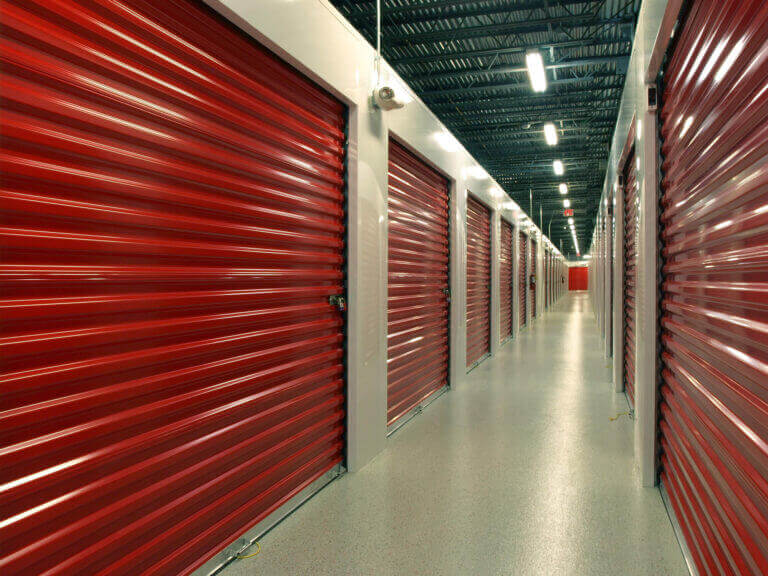
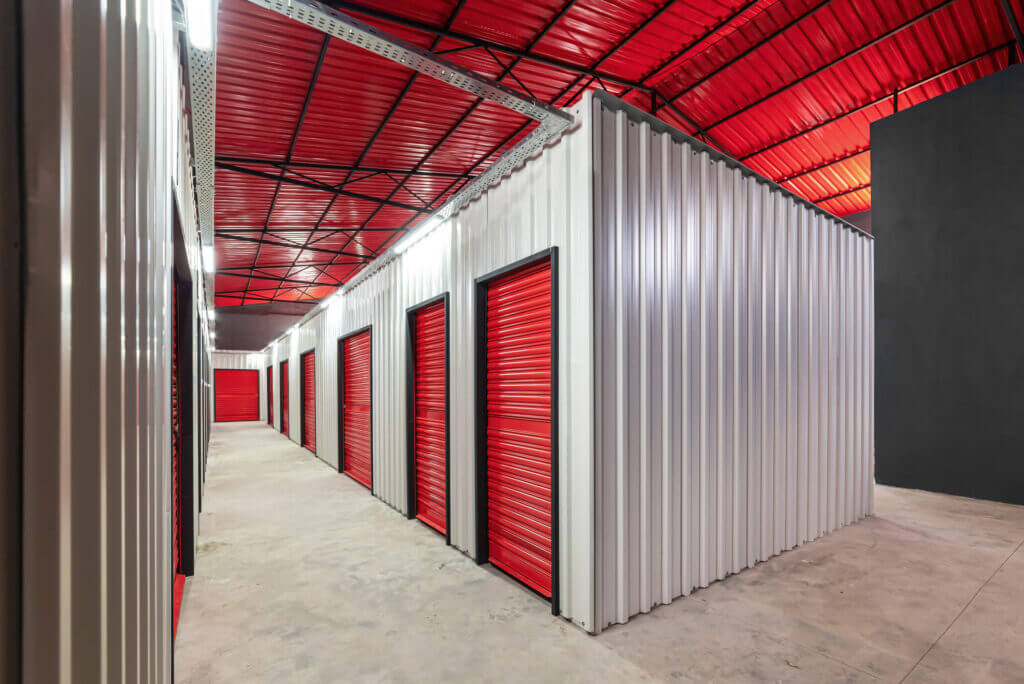
Top Storage Unit Tips You Must Know in 2025

As we enter 2025, the demand for self-storage solutions continues to rise. The proper storage unit is essential for storing seasonal items, business inventory, or personal belongings. From labeling and organizing contents to maximizing storage space to ensuring proper maintenance and understanding security measures, these top tips will help you make informed decisions about everything in one convenient place. 

Whether you’re a homeowner, business owner, or renter, investing in a high-quality self-storage facility can bring peace of mind while protecting your things from damage, dust, pests, and moisture. This approach ensures that your room stays clutter-free while keeping your house organized. This guide will help you select the best unit storage, ensuring efficiency, organization, and money-saving strategies. This idea will make your storage experience smooth and hassle-free, from storing equipment to optimizing space. 

1. Understanding Your Storage Needs

Before renting a storage unit, evaluate your storage needs. Consider the condition of your items and the spaces available. Consider whether you’ll store furniture, electronics, clothing, or business storage units for documents and inventory. The difference between storage types can impact accessibility and protection. Ask yourself important questions about security, climate control, and option availability to ensure your storage run is smooth and efficient. 

  • Short-term vs. long-term storage: An essential storage unit might suffice if you need a solution for just a few months. However, long-term storage facilities require extra precautions, such as climate control and security features. For example, renters storing furniture like dressers should consider a climate-controlled unit to prevent damage. Each step of the process, from choosing the right level of protection to stacking each item properly, helps maintain your belongings. People storing valuable goods should add a protective layer of bubble wrap or covers, ensuring anything fragile stays secure. 
  • Size considerations: The right unit size depends on the number of items you plan to store. Large storage units accommodate furniture, while smaller ones are ideal for boxes, bags, and packing supplies. If you’re storing belongings from an apartment, select the right size to avoid unnecessary costs. Using the proper tools and storage practices will help maximize space with minimal effort. Make a list of what you plan to store to streamline the task. Another critical factor is stacking efficiently, especially when dealing with many fragile or heavy items. 
  • Accessibility: A convenient location with 24/7 access ensures you can retrieve your possessions whenever needed. Consider the facility’s operations—does it offer security and climate control? If you’re storing a vehicle, check if the unit size and accessibility fit your needs. Asking the right questions about locations and security features can make a big difference. Choosing the proper method for organizing your unit will ease your storage experience. Whether you’re storing seasonal items or making space for a new chapter in your life, finding something that fits your needs is essential. 

2. Choosing the Right Storage Facility

When selecting a storage provider, consider key factors that impact security, cost, and convenience. Not all storage facilities are equal—consider the environment inside the unit to ensure it protects your products from damage. Check the walls for insulation and security features. Look for suggestions from other homeowners who have used the facility. Compare price options and review the storage policies to avoid hidden fees. A well-chosen unit can lead to significant savings while keeping your belongings secure, so consider the following:

Security Measures to Look for in a Storage Facility

  • Locks and access control: Ensure your storage unit has strong security measures, including keypad entry, gated areas, and individual unit locks.
  • Monitoring and surveillance: The best storage facilities have 24/7 monitoring to track items and prevent theft.
  • Climate control and protection: To keep possessions safe from humidity levels, temperature fluctuations, and moisture, opt for a climate-controlled storage unit.

Pricing and Insurance Options

  • Storage unit prices: Compare costs and read the description of what’s included in your rental fee.
  • Insurance coverage: Some storage providers offer insurance to protect against theft, damage, or natural disasters.
  • Budget considerations: Plan your storage solution based on your budget and the value of your stored items.

3. Packing Like a Pro for Maximum Protection

Proper packing prevents damage, reduces clutter, and ensures easy accessibility. A well-organized aisle inside your storage unit allows for effortless navigation. Using sturdy boxes and stacking them correctly improves stability, preventing accidents. Focusing on strategic packing will maximize space and minimize frustration when retrieving items. Additionally, labeling boxes offer benefits by making it easier to locate specific belongings. Learning from the experiences of others and seeking advice from customer service can further enhance your storage approach.  Follow these expert packing tips:

Best Packing Supplies to Use

  • Bubble wrap and plastic covers: Protect fragile items like glassware, electronics, and decorations from impact.
  • Boxes and containers: Use sturdy boxes or plastic bins to store documents, clothing, and linens.
  • Labels and inventory lists: Label each box clearly and create a checklist for better organization.

Packing Strategies for Efficiency

  • Stacking and shelving: Use shelves, racks, and floor space wisely to optimize your storage space.
  • Arrangement and accessibility: Place frequently used items at the front and stack seasonal items in the back.
  • Climate considerations: Protect delicate belongings from extreme temperature changes using a climate-controlled storage unit.

4. Maximizing Storage Space and Organization

Discover essential storage unit tips for 2025 from McDowell Mountain Community Storage in Scottsdale Arizona.
Learn how to maximize space and security with expert storage tips from McDowell Mountain Community Storage in Scottsdale Arizona.

An organized self storage facility reduces stress and makes finding items easier. Placing heavier boxes at the bottom and lighter ones on top helps maintain stability. Sorting belongings by category—such as seasonal décor, blankets, or office supplies—ensures better organization. For instance, using clear bins for frequently accessed items allows quick retrieval. Working with a team can save time and effort when moving or rearranging storage. There are many ways to optimize your unit, from shelving to labeling, making storage more efficient. Here are some expert organization techniques:

Space-Saving Tips

  • Utilize vertical space: Install shelving to efficiently store boxes, office supplies, and business inventory.
  • Use multi-purpose storage solutions: Opt for stackable containers and bags for better efficiency.
  • Declutter before storing: Remove unnecessary stuff to free up storage space and keep only essential possessions.

Maintaining Order in Your Storage Unit

  • Check storage conditions regularly: Inspect for pests, dust, and moisture to prevent damage.
  • Rearrange items as needed: Update your organization system based on seasonal items and business needs.
  • Keep pathways clear: Avoid clutter by creating a floor space for easy movement inside the unit storage.

5. Protecting Your Belongings from Damage and Theft

Ensuring the safety of your belongings is a top priority when renting a storage facility. Follow these strategies to keep your items secure:

Preventing Common Storage Risks

  • Humidity and moisture protection: Use climate control to avoid mold growth on furniture, clothing, and documents.
  • Pest prevention: Keep food and perishable items out of the storage unit to prevent pests.
  • Dust and debris management: Use protective covers and store boxes off the floor to minimize exposure to dust.

Enhancing Storage Unit Security

  • Use high-quality locks: Invest in secure locks for added protection.
  • Check for security features: Look for storage solutions that include alarm systems, security cameras, and controlled access.
  • Limit access to trusted individuals: Share your unit key or access code only with those needing it.

6. Choosing the Best Storage Solution for Your Needs

Whether you’re storing business storage units, holiday decorations, or home belongings, selecting the proper storage solution is essential. Organizing items by category helps maximize space and improve accessibility. Be mindful of how often you’ll need to access your unit, as frequently used items should be placed on the most accessible sides. Choosing a well-maintained site prevents unnecessary waste of space and resources, ensuring your belongings remain safe and in good condition.

Types of Storage Units Available

  • Indoor vs. outdoor storage: Indoor units offer better security, while outdoor units provide easy vehicle access.
  • Climate-controlled storage: Ideal for sensitive items like electronics, furniture, and documents.
  • Business storage units: Great for business owners needing extra storage space for inventory and office supplies.

Cost Considerations and Budget Planning

  • Compare unit prices: Research the cost of storage facilities in your area before deciding.
  • Factor in additional fees: Some facilities charge extra for climate control, insurance, or 24-hour access.
  • Look for discounts and deals: Many storage providers offer promotions, especially for long-term rentals.

7. Final Steps: Moving into Your Storage Unit

Once you’ve chosen the right storage facility, it’s time to move inefficiently. Follow these steps:

Before Moving Day

  • Create a detailed plan: List all items and decide on their arrangement inside the storage unit.
  • Gather necessary packing supplies: Ensure you have enough boxes, bubble wrap, and labels.
  • Consider rental truck options: If moving large furniture, look for businesses that offer moving services.

During Move-In Day

  • Pack strategically: Place frequently used items at the front for easy access.
  • Check unit conditions: Inspect the storage space for security measures, pests, and humidity.
  • Secure your unit: Lock the door and ensure all items are appropriately arranged for maximum efficiency.

Conclusion

Choosing a storage unit in 2025 requires careful planning, from understanding storage needs to selecting the right storage facility. Following these tips ensures your belongings remain safe, organized, and easily accessible.

Whether you need self-storage for business storage units, household goods, or seasonal items, prioritizing security, climate control, and efficient packing will help you maximize your storage solution.

For those looking for a trusted storage provider, McDowell Mountain Community Storage offers secure, climate-controlled storage units, competitive prices, and top-notch security measures.

Would you like to learn more about storage options? Contact us today for expert guidance on selecting the perfect storage unit for your needs!

Frequently Asked Questions

What items are prohibited in a storage unit?

Most storage facilities prohibit flammable materials (gasoline, propane, fireworks), hazardous chemicals, perishable food, live animals, plants, and illegal substances. Always check the facility’s rules to avoid potential fines or eviction.

How do I determine if I need climate-controlled storage?

Climate-controlled storage is essential for temperature-sensitive items like electronics, wooden furniture, artwork, musical instruments, and documents. It is highly recommended if you’re storing items for an extended period or live in an area with extreme weather conditions.

What is the best way to protect furniture in a storage unit?

Use furniture covers or blankets to prevent dust accumulation. Disassemble large furniture pieces when possible and store them upright to save space. Avoid placing items directly on the floor using pallets or plastic sheeting to prevent moisture damage.

How does storage unit insurance work?

Storage unit insurance protects your belongings against theft, fire, flooding, and other unexpected events. Some storage facilities offer in-house insurance, or you can check if your renters’ or homeowners’ insurance covers off-site storage.

Can I use a storage unit for my small business operations?

Many small businesses use storage units for inventory, equipment, or document archiving. However, operating a business from a unit (e.g., meeting clients or conducting daily operations) may violate facility policies, so check the terms before renting.

What are the best security measures for protecting my storage unit?

Choose a facility with gated access, security cameras, and well-lit surroundings. Invest in a high-quality, tamper-resistant lock, and avoid sharing your access code or key with others unless necessary.

Are there penalties for late payments on storage units?

Yes, most storage facilities charge late fees if you miss a payment. If you fail to pay for an extended period, the facility may auction off your belongings. Review your rental agreement to understand the terms and avoid unexpected penalties.

Can I store a vehicle in a storage unit?

Yes, but it depends on the size of the unit. Cars, motorcycles, boats, and RVs require specific storage accommodations. Some facilities offer indoor vehicle storage, while others provide outdoor parking spaces. Ensure the vehicle is clean, insured, and maintained before storage.

How do I prepare items for long-term storage?

Clean and dry all items before storing them to prevent mold or mildew. To avoid deterioration, use plastic bins instead of cardboard boxes. Place moisture absorbers in the unit and periodically check stored items if possible.

What are the benefits of renting a storage unit versus using a portable storage solution?

Traditional storage units provide better security, climate control, and accessibility, making them ideal for long-term storage. Portable storage units offer convenience for short-term needs, as they can be delivered to your location. The choice depends on your storage duration and mobility requirements.

Short-Term vs. Long-Term Storage: Which Option is Right for You?

One of the critical decisions you must make when storing your belongings, whether moving, decluttering, or while changing living situations, is choosing short-term or long-term storage. It is crucial to comprehend the distinctions between the two and determine which option is most appropriate for your circumstances, as they each offer unique advantages and are tailored to different requirements. Some customers prefer long-term storage for its moisture protection and security, while others value the freedom and flexibility of short-term solutions. At McDowell Mountain Community Storage, we are committed to helping you make the best choice on a case-by-case basis. Whether you’re storing some things temporarily or need long-term storage for valuable items, we provide a range of options designed to suit your needs. To assist you in selecting the optimal storage solution, we will examine the advantages and disadvantages of both options.

What is Short-Term Storage?

Short-term storage refers to rental spaces that are utilized for a limited period, typically ranging from a few days to a few months. This is the optimal solution for individuals who require transient storage during periods of transition, including:

  • Transitioning to a new residence: Short-term storage can accommodate your possessions while you await the completion of your new residence.
  • Home renovations: Storing furniture and valuables during the renovation process ensures their safety and prevents them from being in the way.
  • Seasonal storage: Seasonal storage involves storing items not required year-round, such as sporting equipment or holiday decorations.

Advantages of Short-Term Storage

  • Flexibility: Most short-term storage rentals are adaptable and can be rented for as little as a few days or weeks, allowing you to modify your rental period as necessary.
  • Accessibility: These units are typically user-friendly and are frequently accessible 24 hours a day, making them ideal for individuals who frequently retrieve or return items.
  • Affordable for transient requirements: The costs are generally lower than long-term storage because you only rent briefly.

Short-Term Storage Drawbacks

  • Limited capacity: The availability of size and location options may vary depending on the provider.
  • Increased monthly expenses: Although rentals are reasonably priced for brief periods, they may accumulate if the rental period is prolonged.

What is Long-Term Storage?

In contrast, long-term storage entails the rental of a facility for an extended period, typically six months to a year or more. This is appropriate for individuals who require the storage of items for an extended period, such as:

  • Excess furniture storage: Long-term storage can be an excellent solution for safeguarding personal objects and furniture when you are downsizing or cannot accommodate everything in your home.
  • Storing business inventory: Businesses that require additional storage space for inventory, documents, or supplies may capitalize on a long-term storage solution.
  • Preserving family heirlooms or memorabilia: A more secure, stable storage environment may be necessary for items you wish to preserve for an extended period, such as family heirlooms, artwork, or antiquities.

Advantages of Long-Term Storage

  • Cost-effective: This is an economical option if you intend to store your possessions for an extended period, as numerous storage companies provide discounts for long-term rentals.
  • Security: Long-term storage units are frequently furnished with sophisticated security features, including climate control, gated access, and surveillance cameras, making them an advantageous option for sensitive or high-value items.
  • Stability: You can rent the unit unlimitedly without fretting about frequent renewals or locating a new space.

Long-Term Storage Drawbacks

  • Less adaptable: Although numerous long-term storage rentals permit lease extensions, penalties or fees may be assessed for early termination of a long-term contract.
  • Infrequent access: While you may not require frequent access to your possessions, it may be less convenient than short-term storage if you do.
A clean and huge Short-Term vs. Long-Term Storage in Scottsdale, Arizona at McDowell Mountain Community Storage Facility
Short-Term vs. Long-Term Storage Unit in Scottsdale, Arizona at McDowell Mountain Community Storage Facility

Key Factors to Consider When Selecting Between Short-Term and Long-Term Storage

There are several critical factors to take into account when selecting between short-term and long-term storage:

  • Duration of Need: If you are still determining your storage requirements, a short-term option provides the flexibility to extend storage as required. A long-term rental may be advantageous if you anticipate a prolonged need for storage.
  • Type of Items: Items of high value, such as electronics or antiquities, may be more suitable for long-term storage with climate control. Conversely, frequently used items, such as clothing or holiday decorations, may be suitable for temporary storage.
  • Budget: Short-term storage may be more costly monthly, whereas long-term storage frequently offers more favorable rates for extended periods.
  • Frequency of Access: Short-term storage may provide more flexibility and straightforward access if you need to access your items regularly.

Conclusion

It is imperative to select the appropriate storage solution, whether decluttering your home, preparing for a move, or simply requiring a secure location to store your possessions. Long-term storage is optimal for individuals with long-term plans, providing security, cost savings, and flexibility to meet various storage needs. In contrast, short-term storage is ideal for temporary scenarios, offering convenience and ease during transitions. By considering your specific timeline, budget, and the differences between short-term and long-term options, you can make an informed decision that guarantees your items’ safe and convenient storage. Whether you need self storage for homes, business inventory, or seasonal items, understanding the benefits of each option will help you select the best fit for your needs. Additionally, seeking tips on maximizing your storage space and saving money ensures your solution aligns with your unique requirements and area.

Frequently Asked Questions

Is it permissible for me to share a storage unit with another individual?

At certain storage facilities, multiple individuals may share a unit. If you require access to the unit at various times or wish to store large items, it is crucial to coordinate the rental agreement with a friend or family member if you intend to share a storage unit.

Can a watercraft or RV be stored in a long-term storage facility?

Indeed, numerous long-term storage facilities provide specialized areas for storing large vehicles, such as RVs and yachts. Typically, these units are equipped with secure parking areas and larger driveways. When storing a boat or RV for an extended period, consider options that offer supplementary features, such as climate control or vehicle maintenance services. These features will help safeguard the condition of your vehicle.

What if I require frequent access to my possessions during prolonged storage?

If you anticipate frequent access to your possessions during a long-term storage period, look for a storage facility that provides convenient access hours and locations. Drive-up units or 24/7 access may be available at certain facilities, simplifying retrieving or adding items as needed.

What is the recommended amount of time to reserve a storage unit?

It is advisable to reserve your storage unit at least a few weeks in advance, particularly during prime moving seasons. Securing a unit in advance guarantees that you will receive the appropriate size and type of storage, as availability may fluctuate. Additionally, certain storage facilities provide reservations for specific dates or longer-term contracts.

Can a mattress or furniture be stored in a long-term storage facility?

Indeed, it is possible to store furniture and mattresses in long-term storage. However, it is crucial to ensure that they are adequately safeguarded. Mattresses should be protected from dust, dirt, and potential harm by being wrapped in plastic. Similarly, furniture should be covered with protective padding to ensure its longevity.

Is climate-controlled storage accessible for both short-term and long-term storage?

Indeed, climate-controlled storage units are accessible for both short-term and long-term rentals. These containers are optimal for storing delicate items, including electronics, artwork, documents, and furniture, and are susceptible to high temperatures or humidity damage. Long-term storage may provide more climate-controlled options to facilitate extended storage periods.

Are there any restrictions on how much data can be stored in a unit for short-term or long-term use?

Indeed, most storage facilities limit specific categories of items. Hazardous materials, perishable products, and flammable substances are generally prohibited. Furthermore, certain facilities may prohibit the storage of large objects, such as boats or vehicles, in smaller units. Before storing any items, it is imperative to consult the facility’s policy regarding prohibited items.

Is insurance coverage provided for my possessions during storage?

Most storage facilities provide basic insurance; however, the extent of coverage may differ. If you require short-term storage, verifying adequate coverage is crucial. If you are storing valuable or high-risk items, purchasing additional insurance or verifying that your homeowner’s insurance covers stored items for long-term storage may be advisable.

Is it possible to store personal and business inventory in the same storage unit?

Personal and business items can typically be stored in the same storage unit. However, it is crucial to consult with your storage provider regarding their specific policies. Certain facilities may provide distinct units for business inventory to guarantee secure and organized storage. It is essential to be aware of the items you store together, as business items may require special handling or conditions that personal items do not.

What are the consequences of terminating my long-term storage contract prematurely?

Depending on the storage facility’s policies, early cancellation of a long-term storage contract may incur a penalty or charge. Before committing to long-term storage, review the contract’s provisions regarding early termination fees. 

Short-Term vs. Long-Term Storage: We Can Help You Decide!

The decision between short-term and long-term storage can be challenging, but we are committed to simplifying the McDowell Mountain Community Storage process. Short-term storage is the optimal solution for temporary requirements, including seasonal storage, home renovations, or relocation. It is ideal for individuals who require temporary storage of personal possessions, appliances, or furniture for weeks or months. However, long-term storage is an ideal solution for individuals who require the preservation of items for an extended period, such as family heirlooms, business inventory, or critical documents. Whether you need storage solutions for travel commitments, packing, and boxes, or secure storage services, our team is dedicated to helping you identify the optimal storage solution for your unique requirements, irrespective of the nature of your storage situation.

Our team of seasoned professionals is dedicated to assisting you in the secure organization and management of your belongings. We offer both temporary and permanent storage options. We ensure the highest level of protection and implement top-tier security measures to give you peace of mind. Contact us today to discover the advantages of long-term versus short-term storage and reserve the appropriate facility for your needs. We are committed to ensuring your storage experience is stress-free, offering convenient and reliable storage services tailored to your lifestyle.