How Much Does a Storage Unit Cost Per Month?

When finding the proper storage solution, one of the most frequently asked questions is, “How much does a storage unit cost per month?” The answer depends on many factors, including size, location, amenities, climate control, and your specific area or city. At McDowell Mountain Community Storage, we understand that people want transparent, affordable pricing and flexibility for their belongings—a few boxes, an entire apartment’s worth of furniture, or valuable collectibles. With multiple locations and unit types available, we aim to provide solutions that meet various needs across different areas and serve others looking for a secure place to store their items. Let’s break down what goes into storage unit costs, what types of units are available, and how to find the best fit for your storage needs and budget. For more information, we’ll also explore how location and space requirements influence pricing. 

Understanding the Basics of Storage Pricing

The average storage unit cost is influenced by several pricing factors, including unit size, floor level, and whether the unit is climate-controlled. For example, a standard 5×5 self-storage unit on the 2nd Floor, indoors, and climate-controlled may rent for $49 per month, while a 10×20 unit with similar features could cost $349. The amount you pay will also vary depending on your location, facility features, availability, and even the length of your rental term. Other important factors include whether you’re storing things like a car, need delivery access, or are looking for units that protect your rights as a renter. No matter where you are in the country, understanding these details is the best way to make a wise decision. Review expert tips before choosing a storage unit that fits your needs. 

Monthly Rent Prices at McDowell Mountain Community Storage

We offer a wide range of indoor, climate-controlled self-storage units to suit various needs. Whether you’re looking for a short-term solution or a longer commitment, our options are designed to be flexible and accessible on a monthly basis. Below is a detailed breakdown of our current self-storage unit options, including their size, location, features, and monthly rent. As part of our dedication to transparency and customer satisfaction, we encourage you to explore reviews and request proof of features and pricing before deciding. 

5×5 Storage Units

  • 2nd Floor – Indoors, Climate Controlled, Standard

      $49/month

  • 3rd Floor – Indoors, Climate Controlled, Standard

      $49/month

  • Ground Floor – Indoors, Climate Controlled, Standard

      $69/month

10×5 & 5×10 Storage Units

  • 10×5 (2nd Floor) – Indoors, Climate Controlled, Standard

      $79/month

  • 10×5 (3rd Floor) – Indoors, Climate Controlled, Standard

      $79/month

  • 5×10 (2nd Floor) – Indoors, Climate Controlled, Standard

      $79/month

  • 5×10 (3rd Floor) – Indoors, Climate Controlled, Standard

      $79/month

  • 5×10 (Ground Floor) – Indoors, Climate Controlled, Standard

      $99/month

  • 10×5 (Ground Floor) – Indoors, Climate Controlled, Standard

      $99/month

10×10 Storage Units

  • 3rd Floor – Indoors, Climate Controlled, Standard

      $119/month

  • Ground Floor – Indoors, Climate Controlled, Standard

      $199/month

Larger Storage Units

  • 10×12 (2nd Floor) – Indoors, Climate Controlled, Standard

      $199/month

  • 10×15 (2nd Floor) – Indoors, Climate Controlled, Standard

      $219/month

  • 10×20 (2nd Floor) – Indoors, Climate Controlled, Standard

      $349/month

All units feature indoor access and climate control to help protect your belongings from temperature fluctuations and humidity. These standard features are ideal for storing furniture, boxes, electronics, collectibles, and other valuables.

Factors That Affect Storage Unit Costs

When considering how much a storage unit will cost, it’s important to weigh a variety of factors:

1. Unit Size

Naturally, the larger the unit, the higher the storage cost. A 5×5 unit might be ideal for storing boxes, books, and documents, making it an excellent option for smaller storage spaces within a well-maintained storage facility. On the other hand, a 10×20 unit can accommodate furniture, vehicles, and the contents of an entire apartment, offering ample square foot capacity. Whether you’re storing seasonal items or downsizing from a larger home, we have a unit to fit almost anything. This article helps explain how unit size impacts pricing and what you can expect based on your storage needs. 

2. Floor Level

Units on upper floors may come at a discounted rate compared to ground floor units, which offer easier access for moving heavy items like electronics, couches, or appliances. One reason ground floor units often cost more is the benefits of convenience and quicker loading and unloading. In addition, these units are typically located near the entrance of the building, saving time and effort. While you may pay a slightly higher fee for this accessibility, many customers find it’s worth it, especially when storing bulky things. Optional insurance coverage can further protect your items, regardless of unit location.

3. Climate Control

Climate-controlled storage units help protect your valuables from humidity, temperature, and weather conditions, especially in hotter climates like Arizona. They are ideal for storing clothing, artwork, wood, electronics, and instruments.

4. Location

Our storage facilities in Scottsdale are competitively priced. Still, rates may vary across cities like New York, Los Angeles, Chicago, or Las Vegas based on demand, neighborhood, and storage space availability.

5. Amenities & Features

Certain features, like security cameras, controlled access, on-site staff, or extra space storage options, can influence overall costs. At McDowell Mountain Community Storage, we offer security features to ensure your belongings are safe.

Choosing the Right Storage Unit Size

Choosing the proper storage unit size is crucial to ensuring you don’t pay for more space than you need. Here’s a breakdown of typical unit sizes and their best use:

  • 5×5 (25 sq. ft.): Ideal for small boxes, books, seasonal clothing, or a few appliances.
  • 5×10 or 10×5 (50 sq. ft.): Great for furniture, instruments, or contents of a walk-in closet.
  • 10×10 (100 sq. ft.): Fits items from a one-bedroom apartment or small office.
  • 10×15 (150 sq. ft.): Suitable for larger furniture, vehicles, or garage items.
  • 10×20 (200 sq. ft.): Perfect for storing everything from a multi-bedroom house or business inventory.

Do you still have questions about unit sizes? Our team is here to help you find the right fit for your needs.

What Does Storage Include?

Each self-storage rental includes standard services such as:

  • 24/7 access (with some restrictions)
  • Indoor, climate-controlled facilities
  • Protection from temperature, humidity, and weather conditions
  • Security features to look for in a storage facility include enhanced systems like cameras, lighting, and gate codes
  • Short and long-term lease options
  • Friendly customer service and support

Budgeting for Storage: Additional Fees and Insurance

While base storage unit prices are clear, there may be additional costs to consider:

  • Deposit: Some units require a refundable deposit
  • Insurance: You may need to provide insurance for your items, which protects against damage, theft, and unforeseen events
  • Administrative fees or account setup fees
  • Optional storage container rentals or vehicle storage options

Make sure you compare all fees, review your contract, and ask for a complete quote that includes insurance, access terms, and discounts.

Storage for Specific Needs


We provide self-storage options for a variety of needs:

For Personal Use:

  • Store furniture, clothing, electronics, books, or appliances
  • Keep documents and paperwork safe during a move or renovation
  • Hold seasonal items or holiday decorations

For Businesses:

  • Safeguard inventory, equipment, tools, and company records
  • Store artwork, instruments, and valuable products
  • Benefit from affordable rentals for growing businesses

For Vehicles and Boats:

  • Vehicle storage, RV storage, and boat storage solutions
  • Indoor and outdoor space for cars, boats, trailers, and motorcycles

Promotions, Discounts, and Lease Options
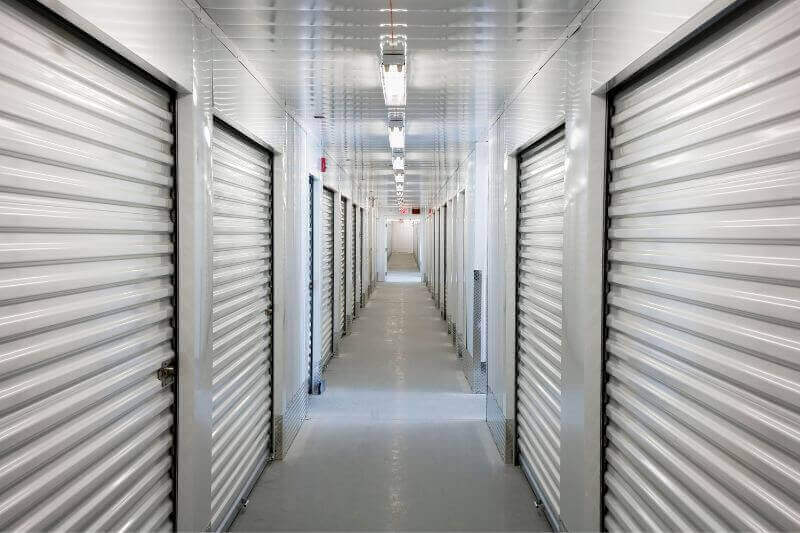
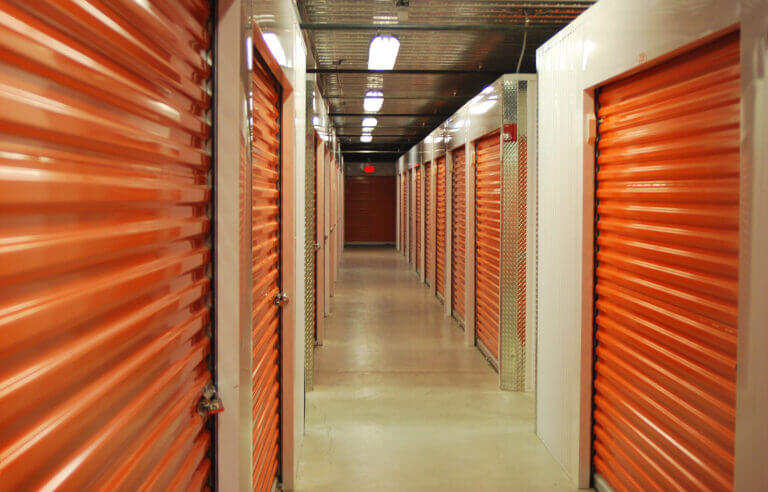
Climate-controlled storage options at McDowell Mountain Community Storage in Scottsdale Arizona
Discover temperature-controlled storage spaces with flexible rental options at McDowell Mountain Community Storage in Scottsdale Arizona

Looking to save money on storage costs? McDowell Mountain Community Storage offers:

  • Promotions for new customers
  • Discounts for long-term commitments
  • Month-to-month leases
  • Pre-pay and save payment options
  • Special rates for students, military, and businesses

When getting a quote, always ask about current offers, availability, and promotions.

Why Choose McDowell Mountain Community Storage?

At McDowell Mountain Community Storage, we go beyond basic storage companies. Our facilities are designed for every storage need, from temperature-sensitive electronics to essential documents, or even large-scale furniture and vehicles. Our team is committed to providing:

  • A clean, secure environment
  • Easy-to-understand pricing
  • A variety of types, features, and unit sizes
  • Transparent quotes and no hidden fees
  • Local, knowledgeable assistance

Whether you’re storing stuff for a few months or looking for long-term storage space, we’re your trusted partner.

Storage Unit Price Comparison: Example Breakdown

Let’s say you’re storing the contents of a one-bedroom apartment, including a couch, clothing, boxes, and some electronics. A 10×10 unit might be perfect. You’d pay:

  • $119/month for a 3rd-floor unit
  • $199/month for a ground-floor unit with easier access

Want even more space? Upgrade to a 10×15 unit for $219/month or a 10×20 unit for $349/month.

Do you need less? Depending on the Floor, a 5×10 unit might suit you for $79 to $99/month.

Final Thoughts

So, how much does a storage unit cost per month? The answer depends on size, features, location, and storage needs. At McDowell Mountain Community Storage, we provide a wide range of affordable options, from small units for just $49/month to larger units with room for everything at $349/month.

We invite you to explore our facilities, speak with our team, and find the perfect unit that fits your budget, location, and needs. Whether you’re downsizing, moving, or needing extra space, we have the solution.

Ready to store with us? Contact McDowell Mountain Community Storage today for a free quote, learn more about our storage unit sizes, and take advantage of ongoing discounts and promotions!

Frequently Asked Questions

1. What is the minimum rental period for a storage unit?

Most self-storage facilities offer flexible month-to-month leases, but some may require a minimum stay depending on the promotion or location. Always check rental terms before committing.

2. Can I upgrade or downsize my storage unit later?

Yes. If your storage needs change, many facilities allow you to switch to a larger or smaller unit, subject to availability.

3. Are there any items I’m not allowed to store?

Yes. Prohibited items typically include flammable liquids, explosives, perishables, illegal substances, and hazardous materials. Always review the facility’s prohibited items list.

4. Do I need to provide my lock for the unit?

Most facilities require you to bring your lock or purchase one on-site. For security, it is strongly recommended that you use a high-quality disc or cylinder lock.

5. Is 24-hour access available for storage units?

Access policies vary. Some storage locations offer 24/7 access, while others may restrict access to business hours or require special permissions.

6. What identification do I need to rent a storage unit?

To complete the rental agreement, you’ll usually need a valid government-issued photo ID, such as a driver’s license, state ID, or passport.

7. Do storage facilities provide moving supplies or trucks?

Many storage centers offer packing supplies like boxes and tape. Some also provide moving truck rentals or free truck use with a new rental agreement.

8. What happens if I miss a storage payment?

Missed payments may incur late fees and restricted access to your unit. After a specific period, the unit could enter default or lien status. Contact the facility immediately if you’re unable to pay.

9. Can I store large or oddly shaped items?

Yes. Larger units or specialty storage spaces are often available for oversized items like equipment, kayaks, or furniture that don’t fit standard dimensions.

10. How do I reserve a storage unit in advance?

Storage units can typically be reserved online, over the phone, or in person. Most facilities allow temporary storage without upfront payment.
How to Save on Storage Unit Costs

Renting a storage unit can be a great solution when you need extra space for your belongings, whether for a move, downsizing, or decluttering. However, storage unit costs can quickly increase, especially when you don’t plan. In this blog, we’ll explore ways to save on storage unit costs while keeping everything you need in mind. You can make the most of your storage space without overspending with the right strategies. Be sure to consider the storage cost, potential fee, and any commitment the storage provider requires. If you have any questions about the rights and terms of your storage agreement, always ask for clarification before you sign. Additionally, remember that prices can change depending on factors like demand, location, and the unit size you need. You may even receive a special discount or promotion to lower your overall cost if you’re lucky. 

1. Choosing the Right Storage Unit Size

One of the most critical factors in saving money on storage is selecting the correct storage unit size. When you rent a storage unit, the cost is often determined by the unit size. Larger units cost more, so picking a unit that suits your storage needs is essential without overestimating the space you’ll need. Understanding the type of storage you need can make a massive difference in the savings you’ll enjoy. Additionally, considering your experience with different storage facilities and the area you’re in can help you make better decisions. Requesting quotes from various companies allows you to compare prices and decide on the best storage solution for your business or personal needs. Be sure to gather all the details you need, whether about the storage costs, insurance, or other factors. If you’re in a different country, the storage cost and availability might vary, so always check what’s available in your location. 

The best storage solution for your belongings is one that gives you enough space but doesn’t go beyond what you need. Many facilities offer a storage size guide to help you figure out which storage unit size fits your inventory. Before renting, inventory your items and consider whether you need to store boxes, furniture, or other stuff. Choosing the right unit size can make your storage costs manageable.

2. Consider Self-Storage Units and Facilities

Not all storage units are created equal. Some self-storage facilities offer more competitive rates, especially those located further from busy urban areas. When choosing between different storage facilities, consider the location as well. Due to demand, storage units near major cities or tourist areas may be more expensive. Opting for a unit further away from the city center can lower your costs, which makes sense for everyone looking to save money. Members of a family or a group that runs a small business might also find it beneficial to consider a more affordable option. It’s essential to look at the big picture and choose a practical unit that fits your budget. This is a part of the decision-making process that ensures you get the best deal for your needs. Whether in Miami or another location, factoring in the distance can help you make a wiser choice. 

Additionally, some storage companies offer discounts or promotions to attract new customers. You can also find self-storage facilities that provide flexible contract lengths. A long-term contract might be more affordable if you plan to store items for an extended period. However, a short-term agreement could be the best option for shorter storage needs. Some facilities also have storage promotions that provide discounts for the first few months, so inquire about these options. When considering your privacy choices, ensure the facility offers appropriate security measures that meet your needs. Some self-storage facilities consider self-storage costs relative to things like temperature, especially for items sensitive to climate. Whether you store anything valuable or seasonal items, use a trusted app or service to help manage your storage inventory. A good app can keep track of everything, making your storage experience more efficient and organized, no matter where you place your belongings. 

3. Organize Your Belongings Efficiently

Packing and organizing your items logically and efficiently can help you maximize your storage space, reducing your needed unit size. When you pack items in boxes, be sure to stack them neatly. Storing items vertically is a good way to maximize your storage space without needing a bigger storage unit. You can also organize your belongings by category to make it easier to find them when needed. Humidity can affect certain items, so consider adding moisture-absorbing products to store items sensitive to the weather. Anyone can benefit from these simple organizing tips; they ensure success when utilizing your storage space. For more tips and information, refer to this helpful article or search for relevant tips on Google to discover additional benefits of organizing your storage space effectively. 

Consider using containers for small items and labeling everything clearly. By efficiently packing and organizing your belongings, you’ll minimize wasted space and, as a result, reduce your storage costs. Additionally, using containers and boxes makes it easier to stack your items to minimize the amount of space they take up.

4. Understand Pricing and Additional Fees

When comparing prices, asking about additional fees that might not be included in the initial price quote is important. For example, some storage facilities charge service fees, delivery charges, or even fees for 24/7 access. Ensure you ask about all potential costs, including any insurance for your belongings. Many self-storage companies require additional insurance for your stored items, which can add to your overall storage costs. Check the available resources to help you understand the terms and conditions. Some storage stores offer competitive rates, but always compare prices and services across different options, even if you’re far from us.

Understanding the full scope of pricing and any service fees associated with your rental will allow you to make an informed decision. Discounts or promotions can cover these costs for a limited time, so don’t forget to ask about them.

5. Negotiate Rates and Terms

Many storage companies are open to negotiation, especially if you plan on renting a unit for an extended period. If you want to sign a longer-term contract, you can negotiate a lower rate for your storage unit. Some self-storage units also offer seasonal discounts during times of low demand. For example, you may find lower rates in winter when demand for storage units tends to be lower.

Don’t hesitate to ask for a better deal when you talk to storage providers. If a storage company is offering promotions, try to ask for a deal that includes discounts on storage fees and waives any administrative or additional charges. Be sure to inquire whether the storage facility offers control over the terms, such as flexibility in contract length or the ability to adjust your plan if your needs change. This will give you more power to manage your storage costs. 

6. Use Online Tools to Compare Options

Using online tools to compare rates across different storage facilities can help you find the best deal without visiting each facility in person. Many websites allow you to enter the location, unit size, and length of rental to see the prices for nearby facilities. You can choose the best storage solution for your budget by comparing prices across several storage companies.

In addition, most storage providers have online tools or apps that let you manage your storage unit. These tools may include payment reminders, discounts for paying online, or easy inventory management access. If you’re storing personal belongings, having access to an online account can save time and ensure that you are always aware of any changes to your storage costs or rates.

7. Review Customer Feedback and Reviews

Before committing to a specific storage facility, checking out customer reviews to see what others think about the company’s service is a good idea. Reviews can give you insights into whether the facility offers reliable security, has clean and well-maintained units, and provides good customer service. Some storage facilities may offer unique amenities like climate-controlled Storage Units, enhanced security features, or 24/7 access. Look for reviews that discuss these features to ensure you’re getting a high-quality storage solution for your belongings.

Additionally, reading customer feedback will help you gauge the facility’s reputation for honoring discounts, providing excellent service, and offering competitive rates. At McDowell Mountain Community Storage, we pride ourselves on delivering top-notch service with competitive rates and transparent pricing. Our customers’ satisfaction is a testament to our commitment to offering the best storage experience in the area. 

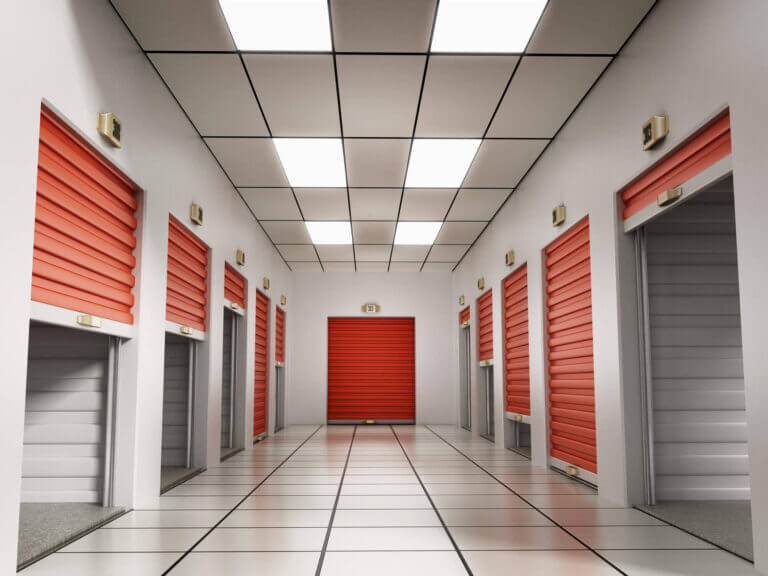
Learn how to save on storage unit costs by choosing McDowell Mountain Community Storage in Scottsdale Arizona for affordable options.
Save on storage costs with McDowell Mountain Community Storage, a trusted facility in Scottsdale Arizona offering budget-friendly options.

8. Plan for Seasonal Changes

Just like any service, storage costs can vary based on demand. Storage rates are often higher during peak seasons when people are moving or need temporary storage for their items. The price for self-storage units may drop during off-peak times, such as winter or early spring. Plan your rental around seasonal pricing if you need storage space for a while.

If you’re not in a rush, consider waiting for lower prices during the off-season. You can also ask for promotions or discounts during this time, as facilities often offer more special deals when demand is lower.

9. Understanding Insurance Options

Whether you need insurance for your stored items depends on what you’re storing. Some storage companies require you to purchase insurance to cover damages or theft. Insurance can be beneficial if you’re storing high-value items but can also add to your overall costs. Be sure to understand the coverage options before signing any agreement.

If you store valuable items, you may want to negotiate for better insurance coverage to protect your stuff from potential damage. You can also check your home or renters’ insurance to see if your policy covers items in a self-storage unit.

10. Optimize Your Storage Space

By organizing your belongings properly, you can make the most of your storage space and reduce the size of the unit you need. Take the time to pack your items carefully, and use containers and boxes to keep everything organized. Stacking boxes and maximizing vertical space can help you store more items in a smaller unit, reducing your overall costs.

If you’re unsure how to pack your items effectively, plenty of storage tips are available online or directly from your chosen storage facility. Some companies even offer packing materials like boxes or bubble wrap to protect your items during storage.

Conclusion

Saving on storage unit costs requires thoughtful planning and smart decisions. By choosing the right storage unit size, organizing your belongings efficiently, and taking advantage of promotions, discounts, and long-term contracts, you can find an affordable storage solution that works for you. Whether you’re storing items for a short period or a longer-term project, these storage tips will help you reduce storage costs and keep your belongings secure.

Understanding the factors influencing storage costs, such as location, unit size, and additional services, allows you to make informed decisions that save you money. The proper storage solution lets you keep your items safe and organized while staying within your budget. Always watch for seasonal deals, and don’t hesitate to ask for discounts when negotiating with storage providers.

By following these strategies and keeping your storage unit costs low, you’ll have peace of mind knowing that your items are safely stored at an affordable price.

Frequently Asked Questions

How Can I Tell Which Storage Unit Size is Right for Me?

To determine the right storage unit size, start by taking inventory of your items. Consider whether you’ll be storing boxes, furniture, or other large items. Many storage facilities provide size guides to help you choose the appropriate unit. It’s better to opt for a slightly smaller unit and pack efficiently than to rent a larger one you don’t need.

What Should I Look for in Terms of Security Features When Renting a Storage Unit?

Look for facilities that offer robust security measures such as 24/7 surveillance, gated access, individual unit alarms, and on-site staff. Some facilities also provide climate control, which can protect valuable or sensitive items from temperature fluctuations. Always ask about the facility’s security protocols to ensure your belongings will be safe.

Can I Change My Storage Unit Size After Renting?

Many storage companies allow you to change the size of your unit during your rental period, but you may need to check availability and adjust your rental contract. Some companies may offer flexibility regarding unit changes, while others may have restrictions, so it’s best to inquire beforehand.

Are There Any Hidden Fees I Should Be Aware of When Renting a Storage Unit?

Be sure to ask about hidden fees not included in the initial quote, such as administrative fees, delivery charges, insurance, or access fees. Some facilities also charge additional fees for things like late payments or requiring 24/7 access. Always get a clear breakdown of all potential costs before committing.

What Are the Benefits of Climate-Controlled Storage Units?

Climate-controlled storage units maintain a consistent temperature and humidity level, ideal for storing sensitive items like electronics, furniture, documents, artwork, and antiques. These units help protect your belongings from extreme temperatures, moisture, and pests, ensuring they remain in good condition over time.

How Do I Ensure That My Belongings Are Properly Insured During Storage?

Some storage facilities offer insurance policies for an additional fee. It’s essential to ask about the coverage options available and read the terms carefully. Alternatively, check if your existing renters’ or homeowners’ insurance covers items stored off-site. If you’re storing valuable items, extra insurance might be a good idea to protect them from damage or theft.

What Are the Seasonal Trends in Storage Unit Pricing?

Storage unit pricing can fluctuate depending on demand. Rates tend to be higher during peak moving seasons (summer months) and around holidays when people may need temporary storage for their items. Conversely, off-peak seasons, like winter or early spring, may offer lower rates, as demand is typically lower. If you can wait, consider renting during these slower months for a better deal.

Are Discounts Available for Long-Term Storage Rentals?

Many storage facilities offer discounts for long-term rentals, especially if you’re willing to commit to a year or more. Long-term contracts lock in lower rates, which helps reduce your overall storage costs. Always ask about any available promotions or discounts when negotiating your rental terms.

Can I Store Vehicles, Boats, or Other Large Items in a Storage Unit?

Many storage facilities offer specialized units for vehicles, boats, RVs, and other large items. These units are often outdoor parking spaces or larger indoor units designed to accommodate oversized items. Make sure to inquire about the size and availability of these units and check if there are any restrictions or additional fees for storing large items.

What Is the Best Way to Pack My Storage Unit for Easy Access and Organization?

Organize your storage unit by grouping similar items and labeling all boxes clearly. Use sturdy containers and stack them efficiently, maximizing vertical space to avoid wasting room. Place frequently accessed items near the front of the unit for easy retrieval. Consider using shelving units to help keep things organized and off the floor. Additionally, ensure that any climate-sensitive items are placed in climate-controlled units for protection.

Short-Term vs. Long-Term Storage: Which Option is Right for You?

One of the critical decisions you must make when storing your belongings, whether moving, decluttering, or while changing living situations, is choosing short-term or long-term storage. It is crucial to comprehend the distinctions between the two and determine which option is most appropriate for your circumstances, as they each offer unique advantages and are tailored to different requirements. Some customers prefer long-term storage for its moisture protection and security, while others value the freedom and flexibility of short-term solutions. At McDowell Mountain Community Storage, we are committed to helping you make the best choice on a case-by-case basis. Whether you’re storing some things temporarily or need long-term storage for valuable items, we provide a range of options designed to suit your needs. To assist you in selecting the optimal storage solution, we will examine the advantages and disadvantages of both options.

What is Short-Term Storage?

Short-term storage refers to rental spaces that are utilized for a limited period, typically ranging from a few days to a few months. This is the optimal solution for individuals who require transient storage during periods of transition, including:

  • Transitioning to a new residence: Short-term storage can accommodate your possessions while you await the completion of your new residence.
  • Home renovations: Storing furniture and valuables during the renovation process ensures their safety and prevents them from being in the way.
  • Seasonal storage: Seasonal storage involves storing items not required year-round, such as sporting equipment or holiday decorations.

Advantages of Short-Term Storage

  • Flexibility: Most short-term storage rentals are adaptable and can be rented for as little as a few days or weeks, allowing you to modify your rental period as necessary.
  • Accessibility: These units are typically user-friendly and are frequently accessible 24 hours a day, making them ideal for individuals who frequently retrieve or return items.
  • Affordable for transient requirements: The costs are generally lower than long-term storage because you only rent briefly.

Short-Term Storage Drawbacks

  • Limited capacity: The availability of size and location options may vary depending on the provider.
  • Increased monthly expenses: Although rentals are reasonably priced for brief periods, they may accumulate if the rental period is prolonged.

What is Long-Term Storage?

In contrast, long-term storage entails the rental of a facility for an extended period, typically six months to a year or more. This is appropriate for individuals who require the storage of items for an extended period, such as:

  • Excess furniture storage: Long-term storage can be an excellent solution for safeguarding personal objects and furniture when you are downsizing or cannot accommodate everything in your home.
  • Storing business inventory: Businesses that require additional storage space for inventory, documents, or supplies may capitalize on a long-term storage solution.
  • Preserving family heirlooms or memorabilia: A more secure, stable storage environment may be necessary for items you wish to preserve for an extended period, such as family heirlooms, artwork, or antiquities.

Advantages of Long-Term Storage

  • Cost-effective: This is an economical option if you intend to store your possessions for an extended period, as numerous storage companies provide discounts for long-term rentals.
  • Security: Long-term storage units are frequently furnished with sophisticated security features, including climate control, gated access, and surveillance cameras, making them an advantageous option for sensitive or high-value items.
  • Stability: You can rent the unit unlimitedly without fretting about frequent renewals or locating a new space.

Long-Term Storage Drawbacks

  • Less adaptable: Although numerous long-term storage rentals permit lease extensions, penalties or fees may be assessed for early termination of a long-term contract.
  • Infrequent access: While you may not require frequent access to your possessions, it may be less convenient than short-term storage if you do.
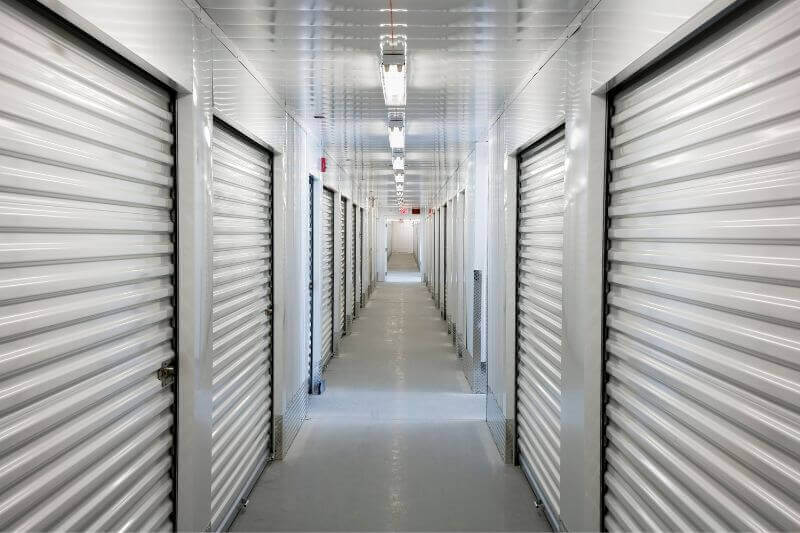
A clean and huge Short-Term vs. Long-Term Storage in Scottsdale, Arizona at McDowell Mountain Community Storage Facility
Short-Term vs. Long-Term Storage Unit in Scottsdale, Arizona at McDowell Mountain Community Storage Facility

Key Factors to Consider When Selecting Between Short-Term and Long-Term Storage

There are several critical factors to take into account when selecting between short-term and long-term storage:

  • Duration of Need: If you are still determining your storage requirements, a short-term option provides the flexibility to extend storage as required. A long-term rental may be advantageous if you anticipate a prolonged need for storage.
  • Type of Items: Items of high value, such as electronics or antiquities, may be more suitable for long-term storage with climate control. Conversely, frequently used items, such as clothing or holiday decorations, may be suitable for temporary storage.
  • Budget: Short-term storage may be more costly monthly, whereas long-term storage frequently offers more favorable rates for extended periods.
  • Frequency of Access: Short-term storage may provide more flexibility and straightforward access if you need to access your items regularly.

Conclusion

It is imperative to select the appropriate storage solution, whether decluttering your home, preparing for a move, or simply requiring a secure location to store your possessions. Long-term storage is optimal for individuals with long-term plans, providing security, cost savings, and flexibility to meet various storage needs. In contrast, short-term storage is ideal for temporary scenarios, offering convenience and ease during transitions. By considering your specific timeline, budget, and the differences between short-term and long-term options, you can make an informed decision that guarantees your items’ safe and convenient storage. Whether you need self storage for homes, business inventory, or seasonal items, understanding the benefits of each option will help you select the best fit for your needs. Additionally, seeking tips on maximizing your storage space and saving money ensures your solution aligns with your unique requirements and area.

Frequently Asked Questions

Is it permissible for me to share a storage unit with another individual?

At certain storage facilities, multiple individuals may share a unit. If you require access to the unit at various times or wish to store large items, it is crucial to coordinate the rental agreement with a friend or family member if you intend to share a storage unit.

Can a watercraft or RV be stored in a long-term storage facility?

Indeed, numerous long-term storage facilities provide specialized areas for storing large vehicles, such as RVs and yachts. Typically, these units are equipped with secure parking areas and larger driveways. When storing a boat or RV for an extended period, consider options that offer supplementary features, such as climate control or vehicle maintenance services. These features will help safeguard the condition of your vehicle.

What if I require frequent access to my possessions during prolonged storage?

If you anticipate frequent access to your possessions during a long-term storage period, look for a storage facility that provides convenient access hours and locations. Drive-up units or 24/7 access may be available at certain facilities, simplifying retrieving or adding items as needed.

What is the recommended amount of time to reserve a storage unit?

It is advisable to reserve your storage unit at least a few weeks in advance, particularly during prime moving seasons. Securing a unit in advance guarantees that you will receive the appropriate size and type of storage, as availability may fluctuate. Additionally, certain storage facilities provide reservations for specific dates or longer-term contracts.

Can a mattress or furniture be stored in a long-term storage facility?

Indeed, it is possible to store furniture and mattresses in long-term storage. However, it is crucial to ensure that they are adequately safeguarded. Mattresses should be protected from dust, dirt, and potential harm by being wrapped in plastic. Similarly, furniture should be covered with protective padding to ensure its longevity.

Is climate-controlled storage accessible for both short-term and long-term storage?

Indeed, climate-controlled storage units are accessible for both short-term and long-term rentals. These containers are optimal for storing delicate items, including electronics, artwork, documents, and furniture, and are susceptible to high temperatures or humidity damage. Long-term storage may provide more climate-controlled options to facilitate extended storage periods.

Are there any restrictions on how much data can be stored in a unit for short-term or long-term use?

Indeed, most storage facilities limit specific categories of items. Hazardous materials, perishable products, and flammable substances are generally prohibited. Furthermore, certain facilities may prohibit the storage of large objects, such as boats or vehicles, in smaller units. Before storing any items, it is imperative to consult the facility’s policy regarding prohibited items.

Is insurance coverage provided for my possessions during storage?

Most storage facilities provide basic insurance; however, the extent of coverage may differ. If you require short-term storage, verifying adequate coverage is crucial. If you are storing valuable or high-risk items, purchasing additional insurance or verifying that your homeowner’s insurance covers stored items for long-term storage may be advisable.

Is it possible to store personal and business inventory in the same storage unit?

Personal and business items can typically be stored in the same storage unit. However, it is crucial to consult with your storage provider regarding their specific policies. Certain facilities may provide distinct units for business inventory to guarantee secure and organized storage. It is essential to be aware of the items you store together, as business items may require special handling or conditions that personal items do not.

What are the consequences of terminating my long-term storage contract prematurely?

Depending on the storage facility’s policies, early cancellation of a long-term storage contract may incur a penalty or charge. Before committing to long-term storage, review the contract’s provisions regarding early termination fees. 

Short-Term vs. Long-Term Storage: We Can Help You Decide!

The decision between short-term and long-term storage can be challenging, but we are committed to simplifying the McDowell Mountain Community Storage process. Short-term storage is the optimal solution for temporary requirements, including seasonal storage, home renovations, or relocation. It is ideal for individuals who require temporary storage of personal possessions, appliances, or furniture for weeks or months. However, long-term storage is an ideal solution for individuals who require the preservation of items for an extended period, such as family heirlooms, business inventory, or critical documents. Whether you need storage solutions for travel commitments, packing, and boxes, or secure storage services, our team is dedicated to helping you identify the optimal storage solution for your unique requirements, irrespective of the nature of your storage situation.

Our team of seasoned professionals is dedicated to assisting you in the secure organization and management of your belongings. We offer both temporary and permanent storage options. We ensure the highest level of protection and implement top-tier security measures to give you peace of mind. Contact us today to discover the advantages of long-term versus short-term storage and reserve the appropriate facility for your needs. We are committed to ensuring your storage experience is stress-free, offering convenient and reliable storage services tailored to your lifestyle.