Self Storage Provides Safe and Flexible Space for Your Belongings

Self-storage has become a reliable and convenient solution for people and businesses looking for additional space. It provides a practical way to organize everything from furniture during a move to seasonal items, electronics, and business inventory. This beginner’s guide provides essential information and ideas for efficiently managing your belongings, helping you understand how self-storage works and how to select the best unit for your specific needs. 

Self Storage Offers Flexible Solutions for Everyone

Self-storage allows a person to rent units at a storage facility to store belongings, boxes, furniture, and vehicles, such as a car or boat, safely. Units come in a lot of sizes and types, from small lockers suitable for documents, holiday decorations, or a garage-sized room, to large spaces capable of holding full household contents or business inventory. There are many reasons people choose self-storage, and an explicit rental agreement provides answers to common questions about accessing and using each part of the unit. 

Individuals frequently use self-storage for situations such as:

  • Moving or Downsizing: Temporary storage for furniture, electronics, and boxes while transitioning to a new home.
  • Seasonal Storage: Keeping holiday decorations, outdoor furniture, or sporting equipment safe during the off-seasons.
  • Protecting Valuable Items: Storing antiques, artwork, instruments, and electronics in controlled environments.

Businesses also benefit from self-storage, using units to store office equipment, documents, inventory, and vehicles. Making the right decision about which unit to rent is easier when you understand the basics of the self-storage industry and the range of storage unit sizes available. Facilities provide flexible access at different times, allowing both personal and professional users to retrieve or store any item. Before renting, it’s essential to know the name of the facility, the state it is located in, and ensure it can safely hold anything you plan to store. 

Storage Facilities Provide Security and Convenience

Modern self-storage facilities focus heavily on security, accessibility, and convenience. Security measures include gated access, key codes, surveillance cameras, alarm systems, and on-site staff. Each unit is secured by the renter’s lock, giving them complete control over who can access their belongings. When signing a contract, it is essential to choose the right size storage unit and understand the available storage spaces, including rooms or smaller sections. These features help ensure that articles and other items remain safe from theft, vandalism, or unauthorized access. In some cases, renters keep a track of items on one side of the unit for easier organization. For every reason related to security and accessibility, a self-storage facility provides peace of mind.

In addition to security, convenience is a key feature. Many facilities offer 24-hour access, drive-up loading, well-lit parking areas, and equipment like dollies, carts, and ramps to simplify the moving process. Facilities may also provide climate-controlled units for sensitive items, ensuring that belongings such as electronics, furniture, and documents are protected from extreme temperatures and humidity.

By choosing a facility with these features, renters can enjoy peace of mind knowing their items are secure, accessible, and well-maintained.

Climate-Controlled Units Protect Sensitive Belongings

Climate-controlled units are essential for storing items sensitive to temperature and humidity. Electronics, artwork, antiques, instruments, and wooden furniture can be damaged by extreme heat, cold, or moisture. These units maintain consistent environmental conditions, preventing deterioration, mold, and warping.

Even vehicles can benefit from climate control. Cars, motorcycles, RVs, and boats may experience paint or interior damage if exposed to fluctuating temperatures and sunlight. Understanding the benefits of climate-controlled storage unit use helps maintain the condition and value of vehicles and other sensitive belongings. This makes it a wise choice for high-value or delicate items, protecting against extreme temperatures, humidity, and environmental damage. 

Unit Types Cater to Different Needs

Self-storage facilities offer a range of unit types designed to accommodate different needs:

  • Indoor Units: Located within a building for added security and protection from the elements. Ideal for boxes, furniture, and sensitive electronics.
  • Outdoor Units: Drive-up units for more effortless loading and unloading of bulky items, such as appliances and large furniture.
  • Vehicle Storage: Spaces specifically designed for cars, motorcycles, RVs, and boats, often including covered or enclosed options.
  • Specialty Units: Climate-controlled or high-security units for valuable or delicate items, including artwork, antiques, and instruments.

Choosing the correct unit type is crucial for protecting items and ensuring convenient access. Consider what you plan to store, how often you’ll access it, and whether climate or security is a priority.

Choosing the Right Storage Unit Size

Selecting the correct unit size is critical for maximizing space and minimizing costs. Standard unit sizes include:

  • Small (5×5 to 5×10 feet): Perfect for boxes, small electronics, or holiday decorations.
  • Medium (10×10 to 10×15 feet): Ideal for apartment furniture, office equipment, and multiple boxes.
  • Large (10×20 to 10×30 feet): Suitable for full-house storage, vehicles, or large business inventory.

Before renting a unit, create a detailed inventory of items you plan to store, including furniture, electronics, documents, appliances, and fragile items. Planning your storage space prevents overpaying for a unit that is too large and avoids the frustration of a cluttered unit that is too small.

Consider special storage requirements. For example, delicate electronics, instruments, or artwork may require climate control, while vehicles may need covered or enclosed spaces. Taking these factors into account ensures the unit meets your long-term needs.

Packing and Organizing Your Storage Unit

Proper packing and organization are key to maximizing storage space and protecting items:

  • Use Durable Boxes: High-quality boxes prevent damage to fragile items like electronics and artwork.
  • Label Clearly: Label each box with its contents to simplify retrieval.
  • Protect Valuable Items: Wrap furniture, artwork, and instruments with bubble wrap, blankets, or protective padding.
  • Stack Strategically: Place heavier items on the bottom and lighter boxes on top.
  • Maintain an Inventory: Keep a detailed list of all stored items for insurance and easy access.

Efficiently organizing units ensures belongings remain in good condition and allows renters to retrieve items without difficulty. For larger items like furniture or appliances, consider disassembling pieces to save space and reduce the risk of damage.

Renting a Unit Is a Simple Process
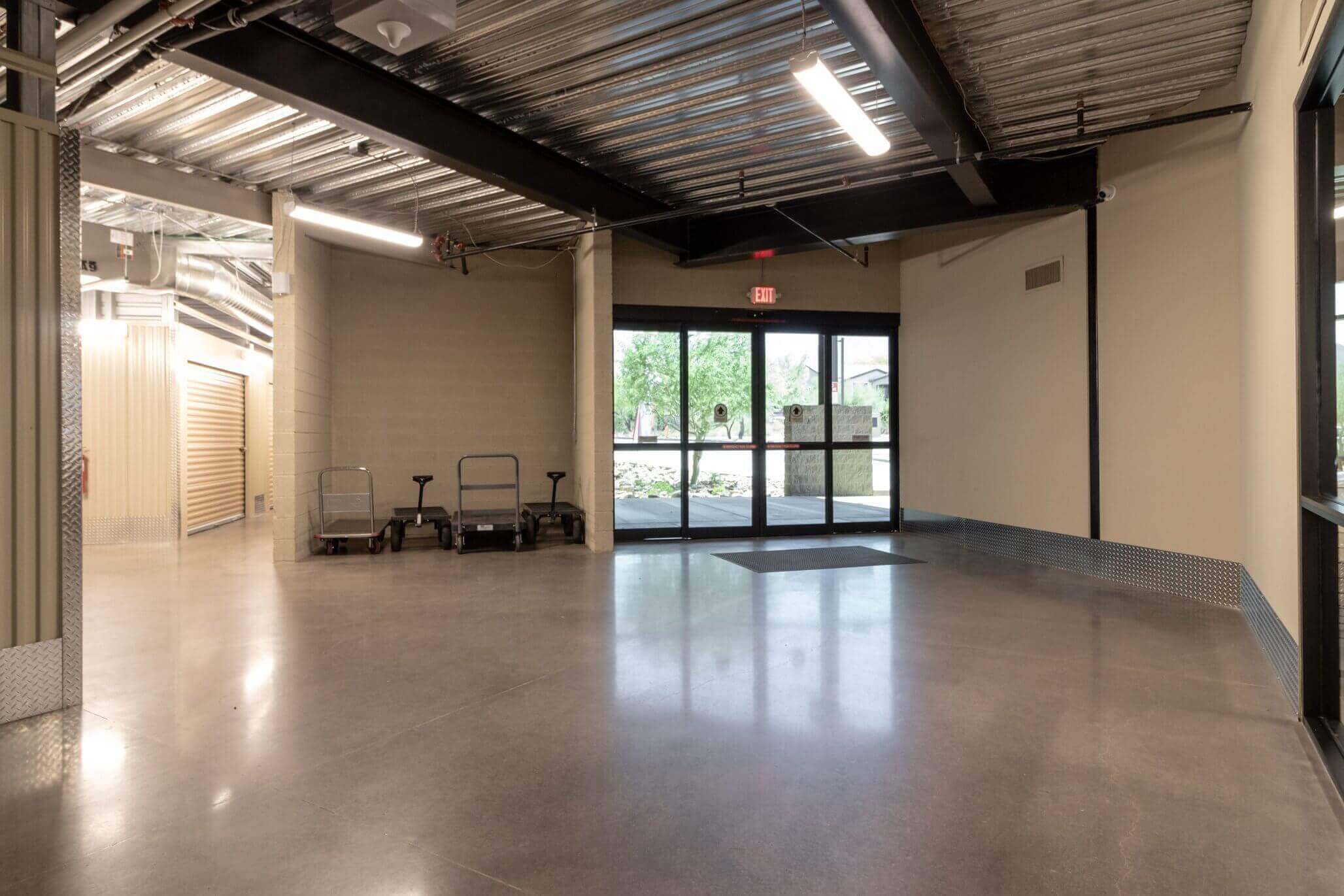
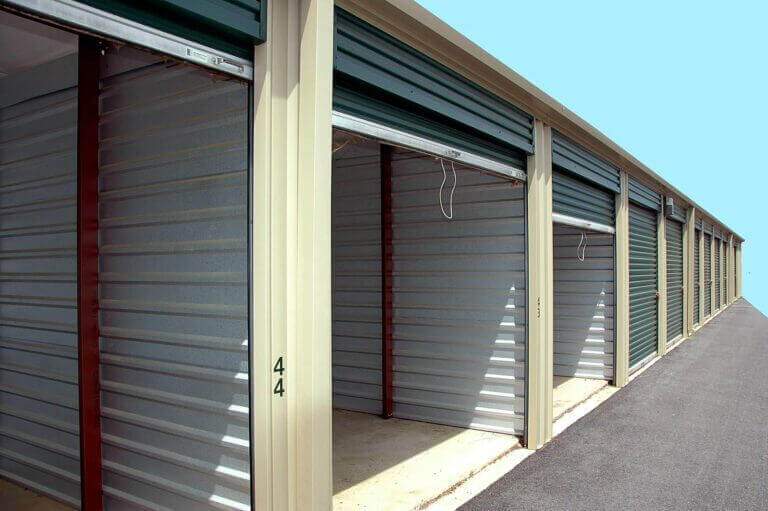
Wide view of self storage units and facility at McDowell Mountain Community Storage in Scottsdale Arizona
Explore the variety of storage unit sizes and types available at McDowell Mountain Community Storage located in Scottsdale Arizona

Renting a self-storage unit is straightforward:

  1. Research Facilities: Compare locations, amenities, unit types, and prices.
  2. Reserve a Unit: Book online or by phone to ensure availability.
  3. Review the Lease Agreement: Check rental fees, access hours, and insurance requirements.
  4. Move In: Transport your belongings, secure your unit with a lock, and maintain an updated inventory.
  5. Make Payments: Most facilities offer monthly payment plans or flexible leases for short-term or long-term storage.

Understanding the rental process helps new renters avoid common mistakes and ensures a smooth experience. Facilities may also provide moving assistance, such as dollies, carts, or packing materials, making the process more convenient.

Pricing Factors Affect Self-Storage Costs

The cost of a self-storage unit depends on multiple factors:

  • Unit Size: Larger units generally have higher monthly fees.
  • Climate Control: Temperature- and humidity-controlled units may cost more.
  • Location: Facilities in high-demand areas often have higher prices.
  • Lease Duration: Short-term rentals can be more expensive per month compared to long-term leases.
  • Additional Services: Insurance, vehicle storage, and packing materials may affect the total cost.

By evaluating your storage needs and comparing multiple facilities, you can choose an option that balances cost, convenience, and security. Consider potential hidden fees or extra charges for late payments, access, or insurance.

Security Measures Ensure Peace of Mind

High-quality self-storage facilities provide multiple security measures to protect belongings, inventory, and vehicles:

  • Gated Access and Key Codes: Restricts entry to authorized customers.
  • Surveillance Cameras: Monitor the property and deter theft.
  • On-Site Staff: Offer assistance and monitor activity.
  • Individual Unit Locks: Give renters control over access to their belongings.

These security measures create a safe environment, allowing customers to store valuable items like electronics, antiques, artwork, and instruments with confidence.

Businesses Benefit from Self Storage

Self-storage is ideal for businesses looking for extra space:

  • Inventory Storage: Store seasonal stock or excess products.
  • Document Storage: Protect essential records and files.
  • Equipment Storage: Utilize free office space to store rarely used equipment or appliances.
  • Vehicle Storage: Secure company cars, trucks, or boats.

Business storage and how renting a unit boosts efficiency provide a cost-effective and flexible solution for businesses that need extra space. Facilities may also offer specialized services tailored to business customers, such as shipping, delivery, or multiple-unit rentals, helping companies manage inventory, equipment, and documents more efficiently. 

Choosing the Best Location

The correct storage facility location is key for convenience and cost efficiency:

  • Proximity: Facilities close to your home, office, or business save time and effort.
  • Accessibility: Wide roads, driveways, and parking spaces accommodate large vehicles.
  • Multiple Locations: Some companies offer flexibility across several facilities.

Location affects both convenience and pricing, so it should be a primary factor in choosing a self-storage facility like McDowell Mountain Community Storage

Insurance and Safety Tips

Protecting your items is essential:

  • Renters Insurance: Covers potential damage or theft.
  • Packing Materials: Bubble wrap, padding, and sturdy boxes protect fragile items.
  • Climate Considerations: Sensitive items should be stored in temperature- and humidity-controlled units.
  • Vehicle Maintenance: Stored vehicles should be maintained and protected from environmental damage.

By planning and taking safety precautions, customers can avoid common risks and ensure the longevity of their stored items.

Tips for Maximizing Storage Space

To make the most of your storage unit:

  • Disassemble Furniture: Saves space and reduces the risk of damage.
  • Stack Uniform Boxes: Optimizes vertical space.
  • Use Shelving: Keeps smaller items organized.
  • Keep Frequently Used Items Accessible: Place them near the front.
  • Protect Fragile Belongings: Wrap electronics, artwork, and antiques carefully.

These tips enable renters to store their items while maintaining easy access and efficient organization.

Long-Term and Temporary Storage Solutions

Self-storage accommodates both temporary and long-term storage needs:

  • Temporary Storage: Ideal during moves, renovations, or travel.
  • Long-Term Storage: Suitable for seasonal items, business inventory, or estate storage.
  • Flexible Leases: Rent units monthly or for extended periods depending on your storage needs.

The flexibility of self-storage allows renters to adapt as their needs change over time.

Bottom Line on Self Storage

Self-storage is a safe, flexible, and convenient solution for managing belongings, furniture, vehicles, and business inventory. By understanding unit types, sizes, security measures, pricing, and planning storage strategies, renters can make informed decisions that meet their specific needs.

McDowell Mountain Community Storage provides a variety of self-storage units, climate-controlled spaces, and vehicle storage options with high-level security features. Whether storing household items, business inventory, or vehicles, these facilities offer convenience, peace of mind, and organized storage solutions.

With proper planning, packing, and the right facility, self-storage is a cost-effective and reliable solution for individuals and businesses seeking additional space.

Frequently Asked Questions

1. Can I store items that I need frequent access to?

Yes. When choosing a unit, consider its location within the facility and access times. Placing frequently used items near the side or front of the unit makes retrieval faster.

2. Are there storage options for very large or unusually shaped items?

Yes. Some storage spaces and rooms can accommodate bulky items such as furniture, boats, or large equipment. Proper planning of the unit size ensures everything fits safely.

3. How do I track what’s inside my storage unit?

Keeping a written or digital inventory of items helps you track belongings. This ensures you know where everything is and can locate anything quickly without unpacking the entire unit.

4. Can I rent more than one storage unit at a time?

Yes. Renting multiple units is an option for larger households, businesses, or individuals who need to store collections of articles and things in separate rooms for better organization.

5. What kind of locks are recommended for storage units?

A high-quality padlock is recommended. Some renters use keyed locks, while others choose combination locks for convenience. Proper locking ensures all items remain secure.

6. How should I pack fragile or valuable items?

Fragile items, such as electronics, artwork, and instruments, should be wrapped in protective materials like bubble wrap and stored in sturdy boxes. Placing them off the floor and away from walls helps prevent damage.

7. Can I use a storage unit to store items during a renovation?

Yes. Units are ideal for temporarily storing furniture, appliances, and things while rooms are being renovated. Proper organization helps keep items safe from dust, paint, and moisture.

8. How do seasonal changes affect my stored items?

Items sensitive to heat, cold, or humidity may require climate-controlled storage spaces. Electronics, wooden furniture, and documents benefit from consistent temperature and humidity levels.

9. Is there a way to save space when storing many small items?

Yes. Group small items in clearly labeled boxes and place them strategically in the unit. Using vertical space efficiently and stacking items correctly maximizes the storage space available.

10. Can I combine different types of storage items in one unit?

Yes, but careful organization is essential. Combining articles, furniture, boxes, and things works best when heavier items are placed at the bottom and lighter or fragile items on top. Keeping a track of what is stored in each room or section of the unit prevents confusion.
The Complete Beginner’s Guide to Self-Storage

Welcome to your complete beginner’s guide to self-storage! Self-storage is the ideal solution whether you’re moving, downsizing, decluttering, or need extra space for your business or belongings. With so many locations, ways to use storage, and unit types available, it’s an excellent idea to improve your organization and manage your stuff more efficiently. At McDowell Mountain Community Storage, we make storing your items easy, safe, and affordable. This guide covers everything you need to know about selecting a storage unit, understanding cost, reviewing your contract, packing, and maximizing the benefits of storage facilities. 

What is Self-Storage?

Self-storage provides individuals and businesses with secure storage units to rent for short- or long-term use. It’s a wise choice for any beginner who needs additional room to store furniture-storage solutions provide a convenient way to keep your inventory organized and secure, allowing you to maximize your space while maintaining easy access to your stored items. re, equipment, boxes, holiday decorations, inventory, or other essential things. Whether protecting personal property or managing business assets, self storage can handle anything you need to store. Before signing a lease, it’s essential to research and look for signs of a well-managed facility, like clean grounds, good lighting, and strong security measures. People choose self-storage mainly because of the convenience, flexibility, and peace of mind it provides to every tenant, individual, or customer. 

Why People Use Storage Units

People seek self-storage for many reasons. Some store belongings during a move between homes, while others need a place to hold furniture or equipment during building renovations or construction projects. Renters often find it helpful when they’re between leases or downsizing. College students take advantage of summer storage options, and many individuals rely on self-storage to safeguard their valuables during transitional life phases or periods of economic uncertainty. Whether you’re storing a boat, a car, or just a few boxes, a reliable self storage facility offers security, accessibility, and peace of mind.

Businesses use self-storage to house archived documents, extra inventory, and packing supplies when office space is limited. Depending on the type of storage needed, you can choose from a variety of units, including climate-controlled spaces and outdoor options. Unit size and lease terms are very flexible. Plus, with 24/7 customer support and phone access to the team, managing your storage needs has never been easier.

Types of Storage Facilities

Many types of self-storage units are available, each designed to meet specific needs. A standard storage unit is perfect for storing every box, item, furniture, or appliance. Climate-controlled storage units are ideal for sensitive items like electronics, clothing, or paper records, as they maintain steady temperature and humidity levels to protect each part from damage. Smaller units or lockers suit students or any person with minimal needs, like storing a few boxes from a dorm or cleaning out a garage. Drive-up units allow for easy loading and unloading directly from a truck, enhancing convenience. The following amenities, such as on-site carts, wide lanes, and secure access, make storing more efficient. When selecting a unit, consider how each article, its fragile parts, and your personal preferences will benefit from a well-equipped self-storage facility. 

At McDowell Mountain Community Storage, we offer a variety of unit sizes and features to suit your situation. Our facility includes modern security measures, such as surveillance systems, coded gate access, and professional on-site staff to ensure the safety of your contents.

Location and Accessibility

The location of your self storage unit is an essential factor when choosing a facility. Ideally, you want a location close to your home, business, or apartment to access your belongings when needed easily. At McDowell Mountain Community Storage, our centrally located facility offers exceptional accessibility. We provide ground-level units, wide driveways for vehicles, well-lit areas for nighttime activity, and a thoughtful layout to ensure your experience is stress-free. Choosing the correct location also reduces the risk of delays when you need to work quickly or retrieve an item during a busy day. For investors, accessibility can enhance the overall investment value of using or managing storage spaces. With growing competition in the self-storage industry, understanding these steps can help you make smarter choices for convenience and long-term benefit. 

Choosing the Right Storage Unit Size

Choosing the appropriate unit size is crucial for optimizing space and staying within budget. Use the guide below to help determine what size unit best matches your storage requirements:

  • Selecting the right unit size is essential to avoid overpaying for unused space or struggling to fit everything you need.
  • 5×5 unit is suitable for storing small boxes or holiday decorations.
  • 5×10 unit can hold small furniture items and appliances.
  • 10×10 unit is ideal for those needing space for a one-bedroom apartment’s worth of belongings.
  • 10×15 unit comfortably fits the contents of a two-bedroom house.

Larger units like 10×20 or more are great for full-house inventory, vehicles, or boats. Use our Storage Unit Size Guide to make informed decisions based on your storage needs.

Understanding Storage Costs and Contracts

Regarding pricing, storage unit costs vary depending on size, location, and available features. In addition to the base rental fee, customers should be aware of any administrative or move-in fees. Monthly payments are standard, and many facilities—including ours—offer the convenience of auto-pay or online billing. Insurance is typically required to protect your valuables, and understanding your contract’s duration and terms is crucial. At McDowell Mountain Community Storage, we offer flexible month-to-month rentals, transparent contracts, and even deals for prepaid leases or long-term commitments. Pricing also reflects broader economic basics such as local population density, service demand, and average income levels in the area. In the case of a recession or financial strain, flexible rental options help customers avoid long-term commitments and reduce overall risks. We’re committed to providing affordable storage with substantial potential value for every customer. 

Packing Tips and Moving Advice

Packing properly is a critical step in the storage process. Begin by using sturdy, labeled boxes to keep your items organized. Fragile items like dishes or electronics should be wrapped in bubble wrap or foam padding for protection. When loading your unit, place heavier items on the bottom and lighter ones on top to prevent damage. We recommend laying down paper or a tarp to protect the floor and prevent mildew from forming. Leave a small path through your unit to access items in the back without unloading everything.

You’ll also want to stock up on packing supplies such as tape, locks, moving dollies, and carts. Vertical storage using shelves is a great way to maximize space. At McDowell Mountain Community Storage, we offer a full selection of packing supplies on-site to make your move easier.

Climate and Environmental Considerations

Climate control is an essential feature for customers storing temperature-sensitive items. Books, documents, electronics, and clothing are particularly vulnerable to damage from extreme heat, humidity, or cold. Climate-controlled units offer the best protection by maintaining a consistent environment year-round. This not only preserves the condition of your belongings but also helps avoid issues like mold, mildew, and material deterioration.

Business and Commercial Storage Solutions

Business storage units are a major driver of the self-storage industry. Companies use storage facilities to hold overflow inventory, secure archived records, and store supplies like packing materials or signage. Self-storage is especially beneficial for real estate, construction, or retail businesses. During economic growth or recession, business owners rely on storage to maintain flexibility without the high costs of expanding office space. We offer various unit sizes, flexible contracts, and unmatched accessibility to support local businesses and entrepreneurs.

Safety, Security, and Peace of Mind

Security is one of the most important aspects of a great self-storage facility. At McDowell Mountain Community Storage, we go the extra mile to provide peace of mind. Our facility has 24/7 surveillance, coded gate access, perimeter fencing, and a responsive management team. We recommend that customers use a high-quality lock and purchase insurance for additional protection. Documenting your inventory ensures you know exactly what’s stored and aids in claims, should the need arise.

The Self-Storage Process Explained

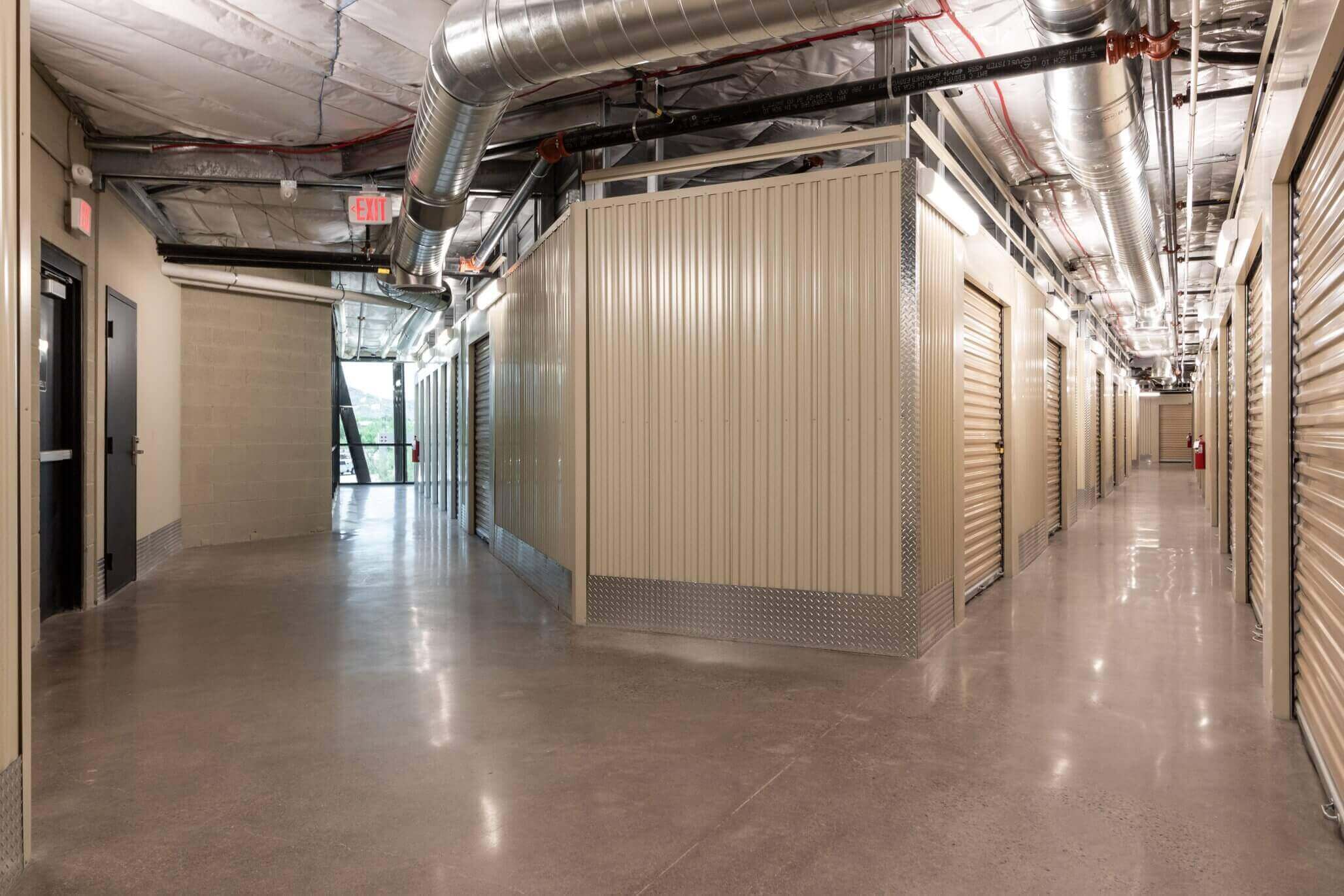
A visual of beginner-friendly storage units at McDowell Mountain Community Storage in Scottsdale, Arizona.
Discover how easy it is to store your belongings with McDowell Mountain Community Storage in Scottsdale, Arizona.

If you’re new to self-storage, the process is simple and stress-free. Start by researching self-storage facilities near your location using Google or local directories. Compare features, prices, and unit availability. After choosing a facility, call or visit the site to ask questions and view available units. Once you select the right option, sign the rental agreement and discuss insurance requirements. Pack and label your belongings, and use moving carts or dollies to load your items safely into your storage unit. Our team is available to assist with each step along the way.

Your First Time Using Storage? Start Here 

New customers often ask whether they can store large vehicles like cars or boats. The answer is yes—our facility offers spacious units and parking areas designed for vehicle storage. Others want to know what they can’t store. We prohibit perishables, hazardous materials, flammable liquids, live animals, and illegal goods. As for rental duration, we offer both short-term and long-term options to match your needs. With friendly on-site staff, customers can count on helpful support and straightforward answers.

Making the Right Storage Decision

Several factors influence your storage decision. Accessibility, location, unit size, fees, security, and overall facility condition should all be considered. A well-maintained facility with good lighting, responsive staff, and strong reviews usually indicates a positive customer experience. We aim to help you find a storage option that delivers maximum value, flexibility, and protection for your belongings.

Life Transitions and Storage

Life events such as moving to a new state, starting a business, getting divorced, or managing an estate often require temporary or long-term storage. Self-storage can reduce stress and simplify transitions by offering a secure space to keep your possessions. Whether between leases, renovating your home, or traveling for an extended period, having reliable storage space available can make all the difference.

Why McDowell Mountain Community Storage is the Ideal Choice

At McDowell Mountain Community Storage, we understand that beginners may feel uncertain about the process. That’s why we offer clear information, honest answers, and expert advice. Our wide variety of unit sizes, flexible options, and exceptional service set us apart from other storage facilities in the area. Our team is always ready to assist with everything from planning your move to choosing the right insurance plan.

Final Thoughts

This guide has walked you through the complete process of using a self-storage facility—from choosing the right unit and packing to understanding contracts and maintaining security. Whether you’re storing valuables, documents, furniture, or holiday decorations, McDowell Mountain Community Storage provides the ideal solution for individuals and businesses.

Let us help you make the best decision for your storage needs. Contact our team today to check availability, compare unit sizes, or schedule a facility tour. Experience the benefits of a clean, secure, and professionally managed storage environment where your belongings are always in good hands.

Frequently Asked Questions

1. Can I access my storage unit at any time of day or night?

Access hours vary by facility. At McDowell Mountain Community Storage, we offer extended access hours to accommodate your schedule, including early and late evenings. Check with our team for current access times.

2. What happens if I lose the key or forget the gate code?

Contact our on-site management immediately if you misplace your unit key or forget your gate access code. We’ll verify your identity and help you regain access safely and securely.

3. Are there storage units available for motorcycles or scooters?

Yes! We offer small- to medium-sized storage units ideal for motorcycles, scooters, and similar vehicles. Drive-up access makes parking and retrieval convenient.

4. Can I upgrade or downsize my unit if my storage needs change?

Absolutely. If your storage needs increase or decrease, we make switching to a different unit size easy without hassle. Just contact our staff to check availability and coordinate the change.

5. How do I reserve a unit in advance?

You can reserve a storage unit online, by phone, or in person. We recommend booking in advance during peak seasons (like summer or end-of-lease months) to ensure you get the size you need.

6. Is pest control provided at the facility?

McDowell Mountain Community Storage implements regular pest control and maintenance to ensure your belongings stay clean, safe, and pest-free.

7. Do you offer moving trucks or rental equipment?

While we don’t rent trucks directly, we can recommend trusted local partners. We also provide moving carts and dollies on-site to assist with your move-in.

8. Can someone else access my storage unit on my behalf?

Yes, but only if you authorize them. You’ll need to add them as an approved contact and ensure they have the gate code and a key to your lock.

9. What types of locks are allowed or recommended?

Disc locks and cylinder locks are highly recommended for added security. We sell approved locks on-site for your convenience and peace of mind.

10. What should I do if I need storage for an extended period?

We offer long-term storage options with flexible lease terms and even discounts for prepaid rentals. Based on your timeline, our team will recommend the best plan for you.