
When it comes to finding extra space for your belongings, choosing the proper storage solution can make all the difference. Whether you’re in the midst of a move, downsizing your home, managing business inventory, or simply looking to declutter, storage facilities offer a safe and convenient way to protect what matters most. However, with various storage options available — ranging from compact lockers to full-sized storage units — it can be challenging to determine which one best suits your specific storage needs, budget, and lifestyle.
When exploring storage options, it’s essential to understand the key differences between storage units and storage lockers. Each offers unique advantages in terms of size, features, cost, and accessibility. By learning the key differences, you’ll be able to make an informed decision and choose the best storage solution for your items at McDowell Mountain Community Storage — where security, flexibility, and convenience come together to give you peace of mind.
Storage Units Defined: Roomy, Flexible Spaces
A storage unit is a private, enclosed space inside a self-storage facility where you can rent enough room to accommodate furniture, appliances, boxes, and even vehicles. This article highlights that storage units are ideal for a wide range of situations, whether you’re storing household items, necessary paperwork, or business equipment. Storage units come in a variety of sizes, ranging from small, closet-sized spaces to extensive, garage-sized options, allowing you to choose the correct location and capacity for your specific needs. Many units include features such as drive-up access, climate control, and ground-floor accessibility, making them a flexible and secure alternative to smaller storage options.
Storage units are ideal when your storage needs exceed what a locker can handle — such as storing household contents, business inventory, or larger items. Available across multiple locations, these units offer easy access and consistent quality, regardless of where you store them. Due to their versatility, storage units are the most common option offered in modern storage facilities, providing excellent flexibility for both short-term and long-term use.
Storage Lockers Defined: Compact, Budget-Friendly Compartments
A storage locker is a smaller, vertical compartment designed for lighter storage purposes. Lockers are typically limited in size and height, often around 4×5 feet or less. They are ideal for storing documents, seasonal gear, small electronics, or boxes of personal belongings.
Lockers are a cost-efficient solution for individuals or businesses with minimal storage needs. They allow you to pay only for the space you actually use. While they don’t offer the same capacity or range of features as full-sized units, they provide a secure and organized place for smaller items that don’t require a lot of room.
Size & Capacity: How Much Can You Store?
- Storage lockers are limited in capacity and are better suited for smaller, stackable items. Their compact footprint means you won’t be able to fit tall furniture or large boxes inside.
- Storage units, on the other hand, come in many sizes — from 5×5 feet for smaller needs to 10×30 feet or larger. This wide range allows you to select a unit that precisely meets your storage requirements.
Due to this flexibility, units can accommodate household storage, business inventory, vehicles, and equipment, including motorcycles, boats, and RVs. If you have large or bulky belongings, a unit is usually the best option.
Cost & Value: What You Pay vs. What You Get
- Storage lockers typically cost less per month due to their smaller size and reduced overhead. They are ideal for individuals who require a modest amount of extra space without incurring the cost of unused capacity.
- Storage units vary in cost depending on size, features, accessibility, and whether they include climate control. Although more expensive, they often offer better value for those with larger storage needs.
If your storage goals are small-scale or temporary, a locker can help you save money. But if you’re storing furniture, appliances, or vehicles, a larger unit delivers better long-term value and flexibility.
Access & Convenience: Ease of Getting to Your Items
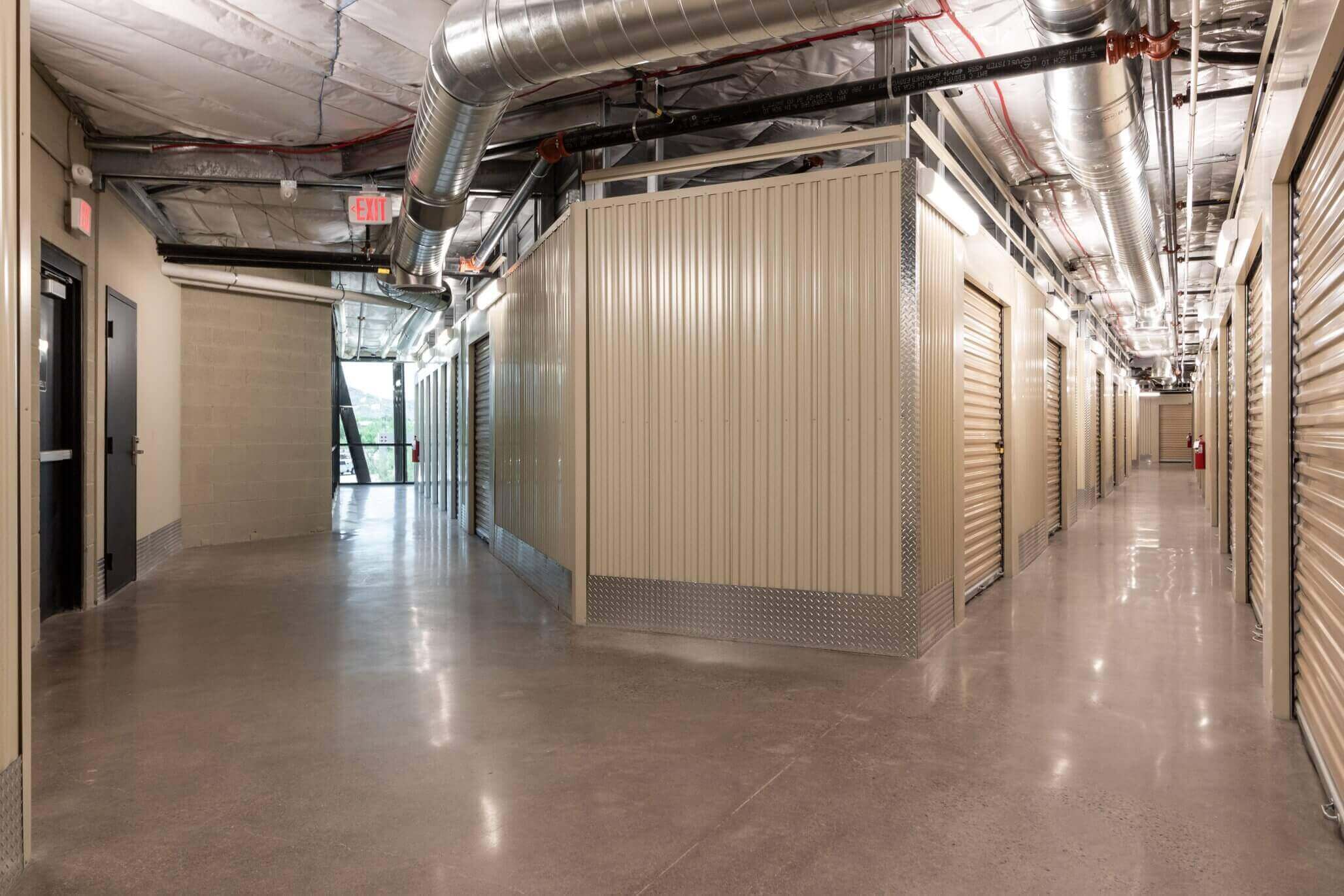
- Storage lockers are often located inside hallways or multi-level buildings. This offers additional security but can make it difficult to move large items.
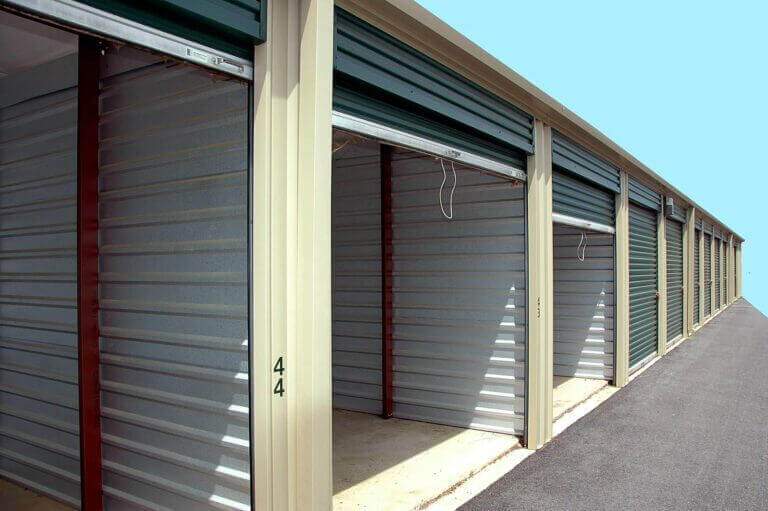
- Storage units typically provide drive-up access or ground-level entry, making loading and unloading easier. You can bring a vehicle, dolly, or ramp directly to your unit, making heavy lifting easier.
If you expect frequent visits or need to store large or heavy belongings, a storage unit offers more convenient access and organization options. This flexibility also benefits students managing dorm move-outs or seasonal transitions — making it a valuable insight often featured in a guide to self storage for college students.
Climate Control & Environmental Protection
A significant difference between units and lockers is the availability of climate control. Many storage units include climate-controlled environments to regulate temperature and humidity, protecting sensitive items such as electronics, artwork, furniture, photos, and musical instruments.
Most storage lockers are not climate-controlled and remain in ambient conditions. If your belongings are susceptible to damage from heat, cold, or moisture, a climate-controlled unit is a safer choice.
Climate control also helps prevent mold, mildew, and warping — one of the key benefits of a climate-controlled storage unit, making it essential for long-term storage solutions or valuable personal items.
Versatility & Use Cases
When to Choose a Storage Locker
- Best for small items, such as documents, clothing, and seasonal gear.
- Suitable for students, apartment dwellers, or minimalists.
- Affordable option for short-term or low-volume storage.
- Easier to keep tidy and organized.
When to Choose a Storage Unit
- Ideal for furniture, appliances, business inventory, or multiple boxes.
- Can accommodate vehicles, boats, or RVs.
- Offers flexibility to upsize or downsize as your needs evolve.
- Provides climate control, security, and drive-up convenience.
- Works well for both household storage and commercial purposes.
Pros & Cons Summarized
Storage Lockers
Pros:
- Lower monthly cost.
- Compact and easy to manage.
- Great for small belongings and personal items.
- Simple organization and minimal maintenance.
- Often located indoors for added security.
Cons:
- Limited size and capacity.
- Not suitable for large furniture or vehicles.
- Rarely offer climate control or extra features.
- Access may require stairs or shared hallways.
- Less availability in some facilities.
Storage Units
Pros:
- Wide range of sizes and options.
- Supports vehicle storage for cars, motorcycles, RVs, and boats.
- Drive-up access makes loading easier.
- Climate control is available in many units.
- Perfect for household storage, business inventory, and equipment.
- Flexible rental terms for changing storage needs.
- Available at most self-storage facilities with modern amenities.
Cons:
- Higher cost compared to lockers.
- A larger space requires more organization and effort.
- May require longer-term planning to optimize usage.
Making the Decision: What to Evaluate
When choosing between a storage unit and a storage locker, consider the following factors:
- What you plan to store – bulky items, vehicles, or numerous boxes favors a unit.
- How often you’ll access items – frequent visits are easier with drive-up access.
- Environmental sensitivity – choose climate-controlled storage for delicate items.
- Budget – Lockers are more affordable for those with limited storage needs.
- Flexibility – units allow for scaling up or down as your requirements change.
- Convenience & accessibility – units offer better paths for loading and unloading.
- Security – larger units often have enhanced surveillance and gated entry.
Evaluating your storage situation with these factors in mind helps ensure your belongings are safe, accessible, and well-protected.
Comprehensive Storage Solutions

At McDowell Mountain Community Storage, we pride ourselves on offering a comprehensive range of storage solutions — from compact storage lockers to spacious storage units — to meet every storage need.
Variety of Sizes & Options
We offer a wide range of unit sizes and locker options, allowing you to find the perfect fit for your belongings. Whether you need a small locker for a few boxes or a large unit for furniture, we make it easy to choose the right space through a clear comparison of storage options tailored to your needs.
Climate Control & Protection
Our climate-controlled units maintain a consistent temperature and humidity, helping to protect sensitive items such as electronics, documents, and instruments. For those storing vehicles, equipment, or appliances, we ensure that each unit provides adequate security, access, and protection.
Vehicle & Equipment Storage
We offer vehicle storage for cars, motorcycles, boats, and RVs. Our secure facility includes drive-up access for easy entry and exit, with ample space to maneuver larger vehicles safely.
Security & Accessibility
Each storage facility is equipped with modern security systems, gated access, and surveillance cameras to provide peace of mind. Our goal is to combine convenience, protection, and flexibility to meet the expectations of every customer.
Flexible Rental Terms
Your storage needs may change over time, and we make it easy to adjust your unit or locker size as needed. With transparent pricing and flexible agreements, you’ll always have control over your storage solution.
Tips to Maximize Your Storage Experience
- Plan your layout – create aisles for accessibility and label boxes clearly.
- Stack safely – place heavier items at the bottom and lighter ones on top.
- Use shelving – vertical storage helps maximize space and organization.
- Wrap and protect – use covers for furniture and appliances to prevent damage.
- Opt for climate control when storing delicate or valuable items.
- Maintain an inventory – keep track of all stored belongings.
- Check security features – ensure your facility offers proper lighting and monitoring.
- Insure valuables – protect your items with appropriate coverage.
These strategies help you make the most of your rented storage space, whether it’s a locker or a full-sized unit.
Summary: The Difference at a Glance
- Storage lockers are small, cost-effective compartments ideal for storing personal items, documents, or seasonal gear.
- Storage units are larger, more versatile, and designed to accommodate furniture, appliances, vehicles, and business inventory.
- Units generally offer better accessibility, features, and flexibility for both personal and commercial storage needs.
- Lockers are ideal for minimalists and those seeking a budget-friendly option, while units offer long-term solutions for households and businesses alike.
At McDowell Mountain Community Storage, we’re dedicated to helping you choose the perfect storage option — providing clean, secure, and flexible storage facilities with the right balance of cost, convenience, and protection for your belongings.
Whether you need a compact storage locker or a spacious storage unit, our team is here to guide you every step of the way so you can store your items with complete confidence and peace of mind.
Frequently Asked Questions
1. How do I decide what size storage unit or locker I need?
Start by listing everything you plan to store and estimating the amount of floor space it will occupy. For example, a 5×5 locker is suitable for storing boxes and small décor, while a 10×20 unit can accommodate furniture, appliances, or an entire household. Facility staff can help you match your items to the right size for optimal efficiency.
2. What’s the difference between drive-up and indoor storage access?
Drive-up access allows you to park directly in front of your unit, making it easy to load and unload, ideal for large or heavy items. Indoor access, often used for lockers, offers added protection from weather and temperature changes, but may require walking through hallways.
3. Can I switch from a locker to a larger storage unit later?
Yes. Most facilities, including McDowell Mountain Community Storage, allow customers to upgrade or downsize their storage based on changing needs. This flexibility ensures you only pay for the space you actually use.
4. What types of items should not be stored in lockers or units?
Items such as perishable food, hazardous materials, flammable substances, or live plants and animals should never be stored in any facility. Always check your rental agreement for a list of prohibited items to ensure safety and compliance.
5. How is security managed at self-storage facilities?
Modern facilities typically include gated access, 24-hour video surveillance, keypad entry, and on-site staff monitoring. Some also feature motion lighting and individual unit alarms for added protection of your belongings.
6. Are storage units and lockers available at all facility locations?
Availability varies by location. While most McDowell Mountain Community Storage facilities offer both lockers and units, some smaller locations may feature limited locker space or specialized areas for vehicle storage. Always check with your preferred facility in advance to ensure availability.
7. How do climate-controlled units differ from standard storage?
Climate-controlled units maintain stable temperature and humidity levels, protecting sensitive items like electronics, wood furniture, paperwork, and artwork from warping or mold. Standard units or lockers are better suited for durable items and are exposed to ambient conditions.
8. Can businesses rent storage units for inventory or equipment?
Absolutely. Many local businesses utilize storage units to store excess stock, tools, marketing materials, and paperwork. Commercial tenants benefit from flexible rental terms, easy access, and the ability to scale their storage as their operations grow.
9. How long can I rent a storage unit or locker?
Storage rentals are highly flexible. You can rent short-term for a few weeks during a move or long-term for continuous storage needs. Most facilities offer month-to-month agreements with the option to extend at any time.
10. What insurance options are available for stored items?
While facilities take extensive security measures, customers are encouraged to take precautions to ensure the security of their stored belongings. Many offer affordable tenant protection plans or allow you to use your homeowner’s or renter’s insurance policy for added peace of mind.