Organize Your Storage: Group, Label, Protect, and Maximize Space

Storing belongings in a storage unit is one of the most practical ways to free up room at home, protect valuable items, and simplify life. But without proper order and strategy, a storage unit can quickly become cluttered, stressful, and hide what you need, putting your belongings at risk of damage. At McDowell Mountain Community Storage, organizing your storage unit neat ensures easy access to everything while maximizing available height and space.  

This guide provides clear steps, tips, and ideas to efficiently sort your items, optimize your storage units, and create a systematic approach that maximizes every inch. With careful planning, smart packing, and strategic layout, you can transform your storage unit into an organized, tidy system that protects your belongings for the long term.

Planning the Storage Process

The process begins with a solid plan. Before moving items into a unit, consider what you need to store, the condition of each piece, and the space required. A well-thought-out plan helps you avoid last-minute stress and prevents problems such as damaged boxes, poor access, or wasted space.

Start with a list of all belongings you plan to store—furniture pieces, boxes of books, electronics, seasonal clothing, decorations, and kitchenware. Use an inventory list to keep track of everything. Once your list is ready, map out the layout of the unit. Consider where shelving units, large furniture, and containers will go.

Planning also allows you to determine the correct unit size. A small unit may work for boxes and bins, while a larger space is better for couches, tables, bed frames, and vehicles. Knowing this upfront ensures that you choose a storage facility that matches your needs.

Decluttering Before Packing

Decluttering is the first physical step in the storage process. Use a straightforward method and the right tools to go through every item by hand, categorizing it into four groups: keep, donate, recycle, or discard. This approach ensures your self-storage unit has plenty of free space, keeps the area organized, and turns the idea of decluttering into a manageable, efficient process. 

Why is this step so important? Because the fewer unnecessary things you store, the more you save on space, effort, and money. For example:

  • Old books, damaged paper records, or broken furniture may not be worth the cost of storage.
  • Duplicate kitchenware or unused electronics can be donated to someone in need.
  • Outdated decorations or clothing may be recycled or discarded.

By sorting belongings before packing, you prevent clutter from following you into the unit and ensure that everything stored truly matters.

Choosing the Right Storage Containers

Once you know what you’ll be storing, it’s time to make a decision and select the proper containers. Not all boxes are created equal, and choosing between bins, cardboard boxes, and specialty containers can provide the perfect solution for each category of items. Picking the right spot for your containers gives you a confident feeling that your belongings will fit safely—almost like finding the right vehicle for every load. Plastic bins with lids: Durable, stackable, and resistant to moisture and pests. Ideal for long-term storage.

  • Cardboard boxes: Affordable and easy to stack, but best for short-term use. They should be kept off the floor to avoid dirt or moisture damage.
  • Specialty containers: Wardrobe boxes for clothing, dish packs for glassware, and padded cartons for electronics provide extra protection.

Always declutter and categorize your items, then use bubble wrap, packing paper, or bags for cushioning. These supplies prevent scratches, dents, and broken glassware. Each container should fit its contents snugly without leaving empty spaces where items can shift.

Labeling for Easy Identification

A well-organized storage system requires clear labeling. Without it, even the tidiest storage unit becomes a guessing game.

Use bold markers or printed labels to mark each box with its contents and category (e.g., “Books – Office,” “Clothing – Winter,” or “Holiday Decorations – Fragile”). Label both the top and front of each box so that identification is easy, even when stacked.

Organize and label stored boxes properly to maximize efficiency, and maintain a master inventory list—digital or paper—that matches your labeling system. Include box numbers, a brief description of contents, and the box’s location in the unit (front, back, or shelf). This approach eliminates the need to open boxes when searching for something.

Maximizing Storage Space with Shelving

Shelving is one of the best ways to maximize storage space. Instead of stacking boxes directly on the floor, use shelving units to build vertical organization.

  • Place heavier bins, such as books or equipment, on lower shelves.
  • Store frequently used items at eye level for quick access.
  • Keep lighter or seasonal belongings, such as decorations or towels, on upper shelves.

Shelving protects boxes from dirt, dust, and moisture on the floor while keeping your layout tidy. Adjustable shelving allows for flexibility as box sizes and storage needs change over time.

Protecting Furniture and Large Items

Furniture pieces and large belongings require special care to remain in good condition. The proper preparation ensures they last through long-term storage.

  • Disassemble furniture such as bed frames, tables, and shelving units. Keep screws and small parts in labeled bags taped securely to the corresponding item.
  • Cover couches, chairs, and dressers with breathable cloth covers, not plastic, to protect against dust while allowing airflow.
  • Stack carefully by keeping furniture pieces upright, never placing heavy boxes on top.
  • Use pallets or blankets under furniture to prevent direct contact with the floor and reduce exposure to moisture.

Electronics should be packed in their original boxes. If not, use bubble wrap, foam, or sturdy bins for added protection.

Packing Belongings Safely

Safe packing ensures that belongings stay intact from the moment they are placed in the unit until the day they are retrieved.

  • Clothing: Use wardrobe boxes for hanging garments or sealed bins to keep pests and dust away.
  • Books and paper records: Pack in smaller boxes to keep weight manageable. Store flat to protect spines.
  • Glassware and decorations: Wrap each item in bubble wrap or paper, and fill empty spaces to prevent shifting.
  • Electronics: Cushion with foam or padded materials. Avoid stacking heavy items on top.

Pack methodically by grouping similar items and filling containers. This not only saves space but also prevents damage from shifting contents.

Arranging the Storage Unit Layout

How you arrange your storage unit determines how easy it is to access items later. A thoughtful layout transforms the unit into a functional system instead of a chaotic pile.

  • Create an aisle: Leave a walkway through the middle or sides for access.
  • Stack smartly: Place heavy boxes at the bottom and lighter ones on top.
  • Group by category: Keep kitchenware together, furniture in one section, and holiday decorations in another.
  • Prioritize access: Store frequently used belongings in the front and less-used items in the back.
  • Map the unit: Draw a simple diagram of where boxes, bins, and furniture are placed.

This arrangement keeps everything accessible, tidy, and easy to maintain.

Protecting Against Environmental Issues

Benefits of climate-controlled storage include protection from environmental factors like humidity, mold, dust, and pests, which can damage belongings if not appropriately managed. Safeguarding against these issues ensures long-term preservation.

  • Moisture control: Place items on pallets or shelves to keep them off the floor. Use moisture absorbers to reduce humidity.
  • Air circulation: Leave space between items and walls to encourage airflow.
  • Pest prevention: Avoid storing food. Seal all bins and boxes tightly, and consider pest deterrents.
  • Dust and dirt protection: Cover furniture and larger belongings with breathable materials.

At McDowell Mountain Community Storage, our facilities are designed to maintain safe conditions that protect against these environmental risks.

Maintaining Long-Term Organization

Organization is not a one-time project—it requires ongoing attention. A storage unit that starts organized can quickly become disordered without regular maintenance.

  • Review belongings every few months to check condition.
  • Update the inventory list when adding or removing boxes.
  • Clean the unit periodically by sweeping floors, wiping down shelves, and dusting covers.
  • Reorganize as necessary to maintain accessibility.

Consistent upkeep ensures your system remains efficient and reliable.

Saving Time, Effort, and Money

An organized storage unit saves more than just space. It also saves time, effort, and money.

  • Time: With labels, a map, and a clear layout, you can quickly find what you need.
  • Effort: A well-planned system reduces the strain of moving heavy boxes or searching through piles.
  • Money: Efficient use of space may allow you to rent a smaller unit, while protecting belongings prevents costly replacements.

By investing a little effort up front, you ensure long-term benefits that make storage truly worthwhile.

Reasons to Choose Our Storage Solutions 

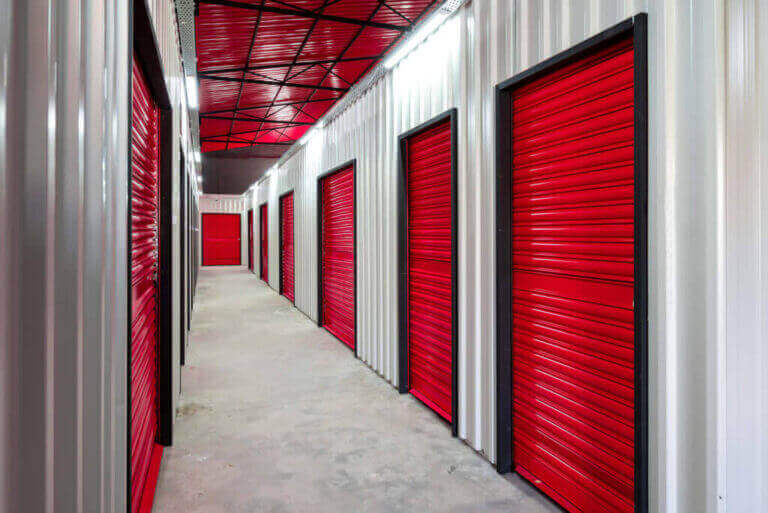
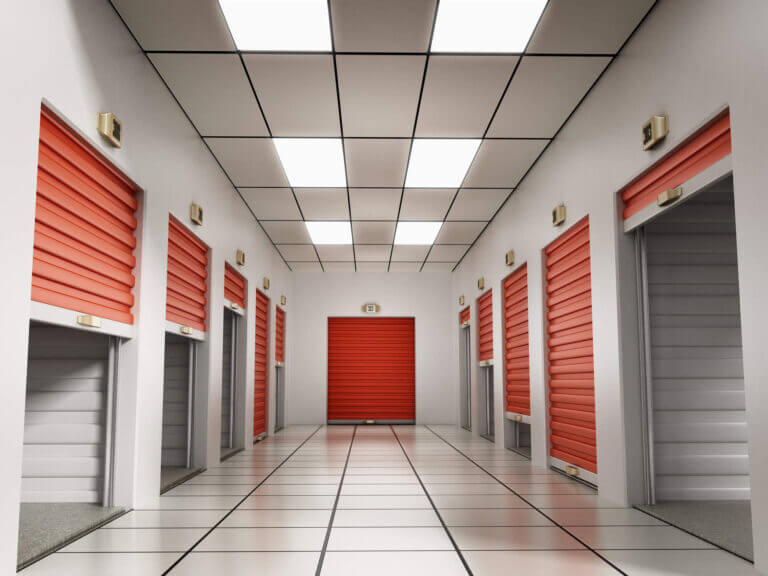
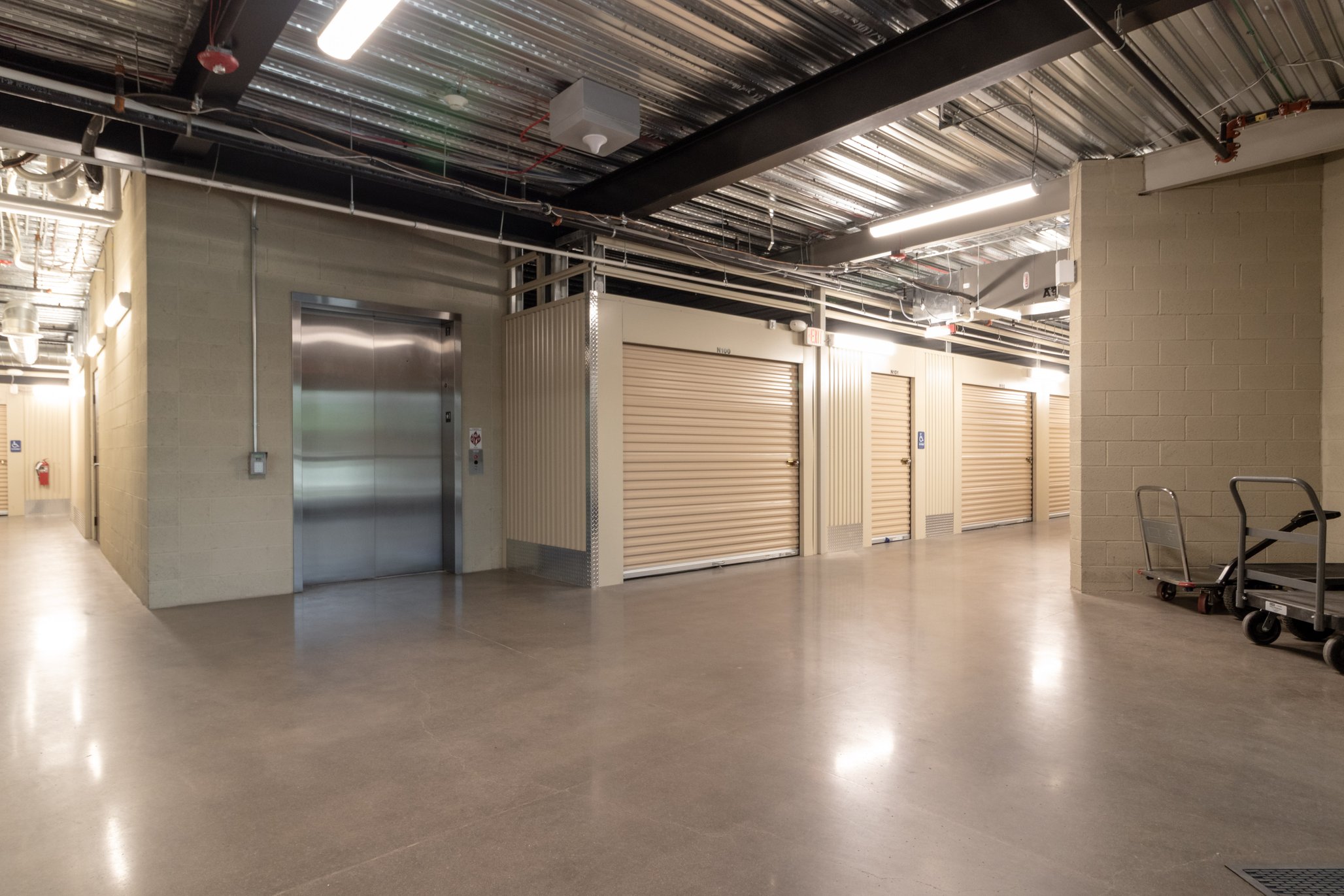
Step by step guide on how to organize a storage unit at McDowell Mountain Community Storage in Scottsdale Arizona
Learn how to declutter categorize and label boxes to maximize space at McDowell Mountain Community Storage in Scottsdale Arizona

At McDowell Mountain Community Storage, we provide more than just space—we provide peace of mind. Our storage facility is designed with customer needs in mind, offering:

  • A variety of unit sizes to suit different storage needs
  • Clean, secure, and climate-controlled units for sensitive belongings
  • Easy access with thoughtful facility layouts
  • Professional staff to support your planning and packing process

Whether you’re storing furniture pieces, holiday decorations, kitchenware, or electronics, we help you protect what matters most.

Final Thoughts on Organizing a Storage Unit

Organizing a storage unit is about more than stacking boxes—it’s about creating a system that keeps belongings safe, accessible, and protected. By decluttering, choosing the proper containers, labeling, using shelves, and arranging an innovative layout, you maximize space and ensure peace of mind.

At McDowell Mountain Community Storage, we make storage simple, secure, and stress-free. With the right approach and the right facility, your belongings remain in excellent condition for as long as you need.

Frequently Asked Questions

1. Can I store temperature-sensitive items in my storage unit?

Yes. Climate-controlled units are ideal for temperature-sensitive items like electronics, artwork, essential documents, and musical instruments. These units maintain a stable environment to protect belongings from extreme heat, cold, and humidity.

2. What is the best way to store seasonal clothing or sports equipment?

Use sealed plastic bins or wardrobe boxes to keep clothing dust-free. For sports equipment, store items in labeled bins and use shelving to maximize vertical space. Keep frequently used seasonal items accessible at eye level for convenience.

3. Are there items that should never be stored in a self-storage unit?

Yes. Flammable materials, perishable food, plants, pets, and hazardous chemicals should never be stored. These items can pose safety risks or attract pests. Check with the storage facility for a complete list of prohibited items.

4. How do I protect valuables like jewelry, documents, or electronics long-term?

Store valuables in a secure, climate-controlled unit inside sturdy, labeled containers. Consider waterproof bags or small lockboxes for extra protection. Keep an inventory of these items for insurance purposes.

5. Can I access my storage unit any time, or are there restricted hours?

Access hours vary by facility. Many provide extended or 24-hour access, while others have set opening and closing times. Check with your storage provider to ensure their schedule fits your needs.

6. How do I safely store large items like vehicles, boats, or appliances?

Clean and dry all large items before storage. For vehicles, ensure they are mechanically ready, tires are inflated, and fuel tanks are partially filled. Cover boats and appliances with breathable covers and store them on pallets to prevent moisture damage.

7. What insurance options are available for stored belongings?

Many storage facilities offer tenant insurance or allow you to use existing homeowners’ insurance. Coverage protects against theft, fire, or water damage. Review policy details to ensure your belongings are fully protected.

8. How can I prevent pests from damaging my stored items?

Seal all boxes tightly, avoid storing food, and use plastic bins over cardboard when possible. Consider adding mothballs or pest deterrents, and keep items off the floor using pallets or shelving. Regularly inspect your unit for any signs of pests.

9. Is it better to use pallets, shelves, or floor space for heavy items?

Use a combination: pallets protect items from moisture, shelves maximize vertical space, and floor space is best for very heavy or large items. Place heavier items at the bottom and lighter ones on top to prevent damage.

10. How do I decide what items to donate, sell, or throw away before storing?

Start by decluttering: keep what you use frequently, donate items in good condition that you no longer need, recycle broken or outdated goods, and discard things that can’t be salvaged. Prioritizing this ensures your storage unit only contains meaningful and valuable belongings.
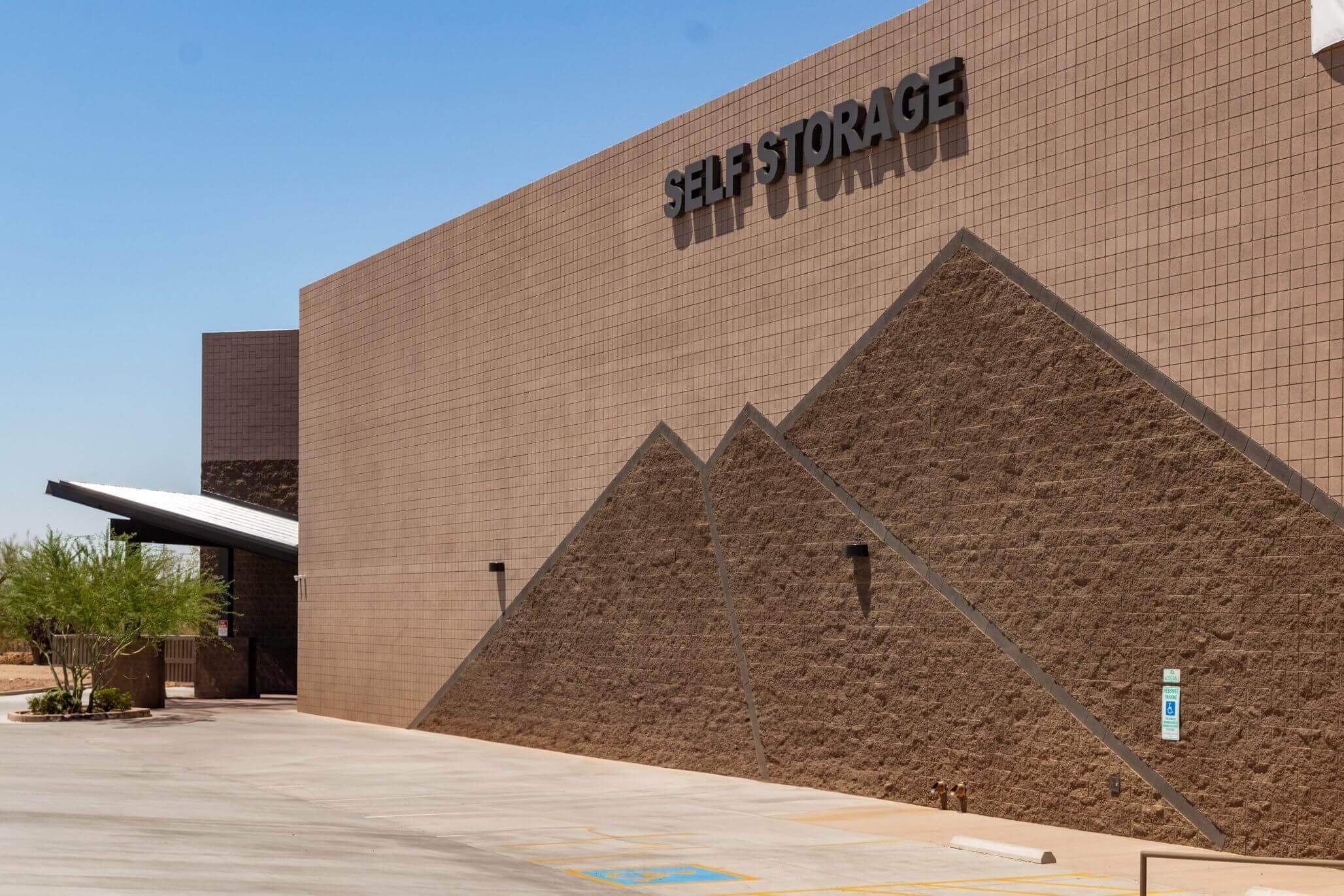

Your Guide to a 5×5 Storage Unit

At McDowell Mountain Community Storage, we understand the value of space. Whether you’re decluttering your apartment, preparing for a move, or undergoing a renovation, a 5×5 storage unit offers an ideal solution to securely pack, stack, and store your essential items. Conveniently located near Las Vegas and serving customers across the United States, our facility offers a competitive price with no hidden fees, making it easy to rent the perfect space for your needs. We offer a range of storage options, including specialized RV storage and boat storage, all backed by top-tier ESS (Exceptional Service Standards) to ensure your belongings are safe, accessible, and efficiently stored. 

In this Guide, we’ll explore everything you need to know about 5×5 storage units, from their size and capacity to tips on how to organize and maximize your storage space. Whether you’re comparing facilities like Extra Space Storage, browsing local stores for packing supplies, or considering unit availability in Washington, D.C., understanding the unique features of different properties will help you make the most informed decision for your storage needs. 

What Is a 5×5 Storage Unit?

A 5×5 storage unit is 5 feet wide and 5 feet deep, offering a total of 25 square feet of space—roughly the size of a small walk-in closet or half a standard bathroom. Though compact, this unit can hold more than you might expect, making it a popular selection among various self storage properties. From seasonal decorations to extra household content, this versatile unit is perfect for maximizing your available space without overwhelming your living area. It’s ideal for storing:

  • Boxes of household items
  • Small furniture such as end tables, chairs, or lamps
  • Seasonal clothing, decorations, or supplies
  • Office documents and business inventory
  • Personal belongings like accessories, containers, and books

This storage solution is well-suited for individuals living in cities such as Chicago, Los Angeles, Miami, or New York, where space is often limited and storage needs are high.

Who Should Consider a 5×5 Storage Unit?

Our customers come from diverse backgrounds and locations across the United States—ranging from Phoenix and Houston to Memphis, Dallas, Atlanta, and Baltimore —and they rely on us for a wide range of storage needs. Some need short-term solutions during a move, while others require long-term space for a variety of personal or business items. Whether you’re storing the contents of an apartment or unloading a truck full of household goods, we offer units that accommodate nearly any amount of belongings. A 5×5 storage unit is suitable for:

  • College students on break or studying abroad
  • Military members relocating temporarily
  • City dwellers in apartments with no storage room
  • Small business owners needing off-site inventory space
  • Families transitioning between homes
  • Individuals storing furniture, clothing, or household items during renovations

Whether you’re in Washington, D.C., Salt Lake City, New Jersey, Pennsylvania, Florida, Georgia, Rhode Island, New Mexico, or North Carolina, the 5×5 unit remains a convenient and flexible option.

Storage Unit Features and Amenities

At McDowell Mountain Community Storage, our facilities are equipped with modern amenities to make your storage experience seamless:

  • Climate-controlled storage unit options to protect temperature-sensitive contents
  • 24/7 access to your unit
  • Secure digital lock and gate access systems
  • Digital account management tools via our mobile app
  • Multilingual support, including Español
  • Helpful faq, tips, and advice from our team

We also provide rental agreements that cater to both short-term and long-term storage unit users. Whether you’re storing for a few weeks or several months, we’ve got a plan for you. With customers from across the country, including various states such as Florida, we offer flexible and convenient options that cater to a wide range of storage needs and timelines.

How Much Can You Store?

Despite its compact size, a 5×5 unit offers impressive capacity. You can comfortably fit:

  • 8–12 medium-sized boxes
  • 1–2 small pieces of furniture
  • Several bags of clothes
  • Small household items, lamps, and accessories

With a little organization, you can even store a bike, motorcycle accessories, or essentials in a walk-in closet. We recommend stacking boxes and using compact, efficient containers to maximize your space.

Comparing Unit Sizes

Is a 5×5 the proper storage unit size for you? Here’s a comparison:

  • 5×5 unit – Great for seasonal items, small furniture, and personal belongings
  • 5×10 unit – Holds contents of a small bedroom
  • 10×10 unit – Suitable for a 1-bedroom apartment
  • 10×20 unit – Best for vehicle storage or a multi-room home

By understanding your storage needs, you can choose the right unit and save storage unit costs.

How Much Does It Cost?

Storage unit prices vary by city, neighborhood, and state. For example:

  • In San Francisco or New York, you may pay more due to high demand
  • In Utah, NJ, or NC, rates are more affordable
  • At our Phoenix location, we offer competitive prices, discounts, and seasonal promotions

Factors influencing cost include:

  • Whether the unit is climate-controlled
  • Location within the facility
  • Length of rental
  • Demand in your location

Contact our team or use our app to get an instant quote.

Business Use of 5×5 Units

Small businesses and information business operators often need quick, secure storage solutions. A 5×5 storage unit is perfect for:

  • Storing documents, files, and paperwork
  • Managing supplies, stock, or trademarks
  • Housing excess inventory or equipment
  • Temporary storage during office moves or expansions

With secure access, climate-control, and helpful staff, our facilities support your growing company across multiple locations.

Making the Most of Your Space

To maximize your 5×5 storage unit:

  • Use vertical height by stacking containers
  • Place heavier items on the bottom
  • Store frequently used contents near the front
  • Label all boxes clearly
  • Disassemble small furniture to save room
  • Use furniture pads to protect delicate household items

You can also utilize storage accessories, such as shelving, corner units, and drawer systems, to organize your unit more efficiently.

Frequently Stored Items

Here are the most common items customers store in a 5×5 unit:

  • Seasonal clothing and furniture
  • Sporting goods and bike equipment
  • Holiday decorations
  • Office Supplies
  • Dorm contents
  • Small appliances
  • Baby gear

People choose these units to free up space at home without having to get rid of valuable belongings.

Benefits of Storing With Us

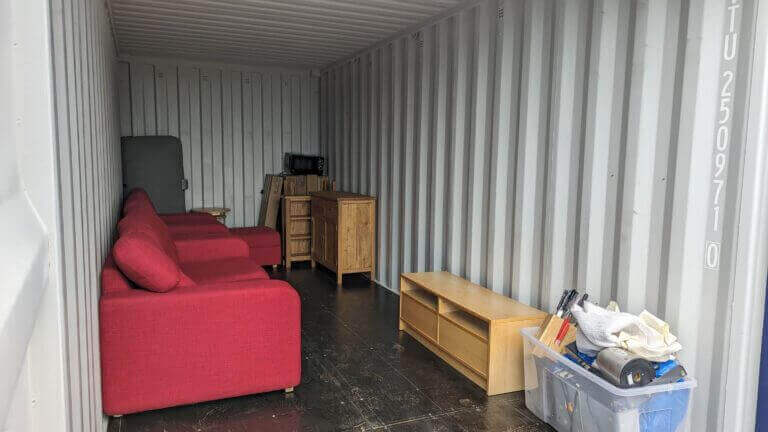
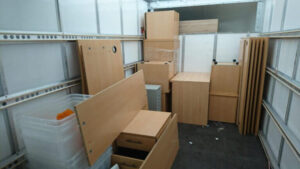
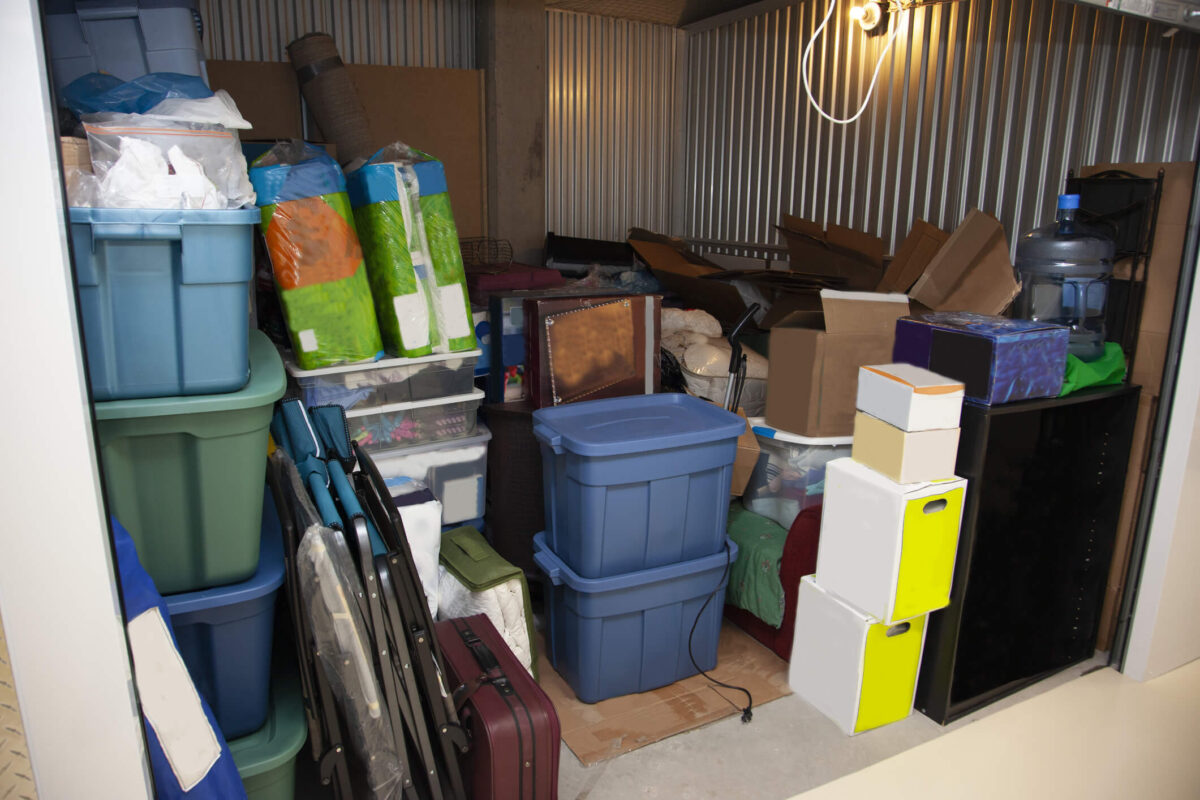
Interior view of a 5×5 storage unit at McDowell Mountain Community Storage in Scottsdale Arizona showcasing organized boxes and small furniture
A look inside a compact and secure 5×5 storage unit at McDowell Mountain Community Storage in Scottsdale Arizona ideal for boxes furniture and seasonal items

When you choose McDowell Mountain Community Storage, you benefit from:

  • Transparent storage unit prices
  • No hidden fees
  • BBB accreditation
  • Professional customer service
  • Secure and climate-controlled storage facilities
  • Accessible locations in Phoenix and surrounding neighborhoods

Our mission is to help you store your belongings with confidence, offering flexibility, security, and convenience.

Access and Security

We prioritize the privacy choices and rights of our customers. That means:

  • 24/7 video monitoring
  • Controlled access
  • Custom PIN entry
  • Locked storage units for maximum safety

Whether you’re storing family keepsakes, furniture, or important documents, you can rest easy knowing your unit is secure.

Commitment to Sustainability

We’re proud to operate with sustainability in mind:

  • Eco-friendly lighting and energy-efficient facilities
  • Recycling options for boxes and packing materials
  • Digital report tools to reduce paper waste

As a trusted storage unit operator, we believe in serving both our customers and the planet.

Get Started Today

Still have questions? Need help choosing a unit? Reach out to our friendly staff for more information, or visit us online to:

  • Browse available units
  • Check storage unit prices
  • Review services, features, and storage facility maps
  • Read verified socials and reviews from other customers

You can even manage your entire account online—from signing your rental agreement to setting up auto-pay.

Final Thoughts

A 5×5 storage unit might be small, but it packs a big punch when it comes to convenience, efficiency, and cost savings. Whether you’re storing boxes for a month or looking for climate-controlled self-storage for the year, this unit provides everything you need in one compact space.

Trust McDowell Mountain Community Storage to guide you through every step—because when it comes to protecting your belongings, we’re committed to making storage simple, secure, and innovative.

Frequently Asked Questions

1. Can I store electronics in a 5×5 storage unit?

Yes, you can store electronics like laptops, monitors, and small TVs. However, we recommend choosing a climate-controlled storage unit to prevent damage from temperature fluctuations or humidity.

2. Is insurance required for my 5×5 storage unit?

While insurance may not be required in all cases, it is strongly recommended to protect your belongings from unforeseen events like theft, fire, or natural disasters. Many storage facilities offer low-cost insurance plans or allow you to use your homeowner’s or renter’s policy.

3. How secure are 5×5 units compared to larger units?

Security features apply to all units, regardless of size. At McDowell Mountain Community Storage, our 5×5 units include surveillance cameras, gated access, and personal lockable doors—offering the same level of security as larger spaces.

4. Can I upgrade from a 5×5 unit if I need more space later?

Absolutely. If your storage needs grow, we make it easy to switch to a larger unit with minimal hassle. Please speak to our staff or manage the upgrade directly through your online account.

5. Is there lighting inside a 5×5 storage unit?

Most 5×5 units do not include individual lighting due to their compact size. However, our facility is well-lit with motion-detected hall lighting for convenience and safety.

6. What happens if I miss a payment?

If you miss a payment, we typically offer a short grace period before applying a late fee. Continued non-payment may result in restricted access and, eventually, auction procedures as outlined in your rental agreement.

7. Can I access my 5×5 storage unit anytime?

Yes, our facility offers 24/7 access, allowing you to visit your storage unit at your convenience—day or night.

8. Do I need to bring my lock?

You can bring your lock or purchase one on-site at our facility stores. We recommend a disc or cylinder lock for maximum security.

9. Can I use a 5×5 storage unit for storing business inventory?

Yes, a 5×5 unit is perfect for small business owners who need off-site space for supplies, documents, or a limited inventory, especially in high-rent areas like Las Vegas or Washington, D.C.

10. Is there a minimum rental period for a 5×5 storage unit?

We offer flexible rental terms with no long-term commitment required. Whether you need storage for one week or several months, we’ll tailor the agreement to your specific needs.

Storage Unit Organization Ideas

Renting a storage unit is a great way to create extra space for your belongings, whether moving, downsizing, or simply trying to free up room at home. However, a storage unit can become cluttered and difficult to navigate without proper organization. Taking the time to declutter and sort your items will help create a more efficient storage space. By implementing smart storage tips, anyone can keep their account of stored belongings in order, whether it’s in a closet, garage, or self-storage location. Whether you’re storing a car, furniture, or personal items, the right system will ensure that your most-needed ones remain easily accessible while protecting everything from damage. 

When planning your storage unit, it’s essential to consider the layout and use the right supplies to keep everything in order. A well-organized unit can be beneficial for a woman managing household items or running a business. Whether you’re storing furniture, seasonal clothes, or business storage documents, arranging items strategically will help maintain easy accessibility. Following a guide with expert advice on storage tips can make a big difference in how efficiently you use your space. Proper organization is crucial to keeping your unit functional, and a simple tip like labeling boxes can save time and reduce stress when searching for specific things. 

Plan Your Storage Unit Layout

Before moving your items into your storage unit, take a moment to plan the best layout for efficiency. Keeping frequently accessed items at the front of the unit will make retrieval more straightforward, while less-used belongings can be placed towards the back. Using a map of your storage space can help track where you’ve placed things, preventing unnecessary searching later.

Using shelving units along the side walls is a great way to maximize space and prevent stacking boxes too high. Place heavy furniture and large bins at the bottom to maintain stability while keeping smaller items on top.

Use the Right Storage Supplies

The right supplies can make a big difference in maintaining an organized storage unit. Use stackable boxes, labeled bins, and durable shelves to store your items properly. If you’re experiencing trouble finding the best solution, try using a table or surface to help with sorting. Assess the needs of your stored items and determine if you need to place each other in specific options like protective containers to prevent damage, especially for fragile items. 

If you need to store furniture in a storage unit, disassemble large pieces whenever possible to save space. Wrap delicate surfaces with blankets or plastic covers to protect them from dust and scratches. Keeping an inventory of your stored items can also help you track your belongings and avoid misplacing anything.

Label and Categorize Everything

Labeling is one of the simplest but most effective storage tips. Mark all bins, boxes, and shelves to locate specific items quickly. Use a system to categorize your belongings based on box size, room, or purpose. For example:

  • Clothes can go in breathable garment bags or labeled bins.
  • Kitchen supplies should be stored in durable containers to prevent spills.
  • Business storage files and paperwork should be kept in waterproof bins.
  • Seasonal decorations should be placed in a dedicated storage unit section.

A proper system will streamline your storage space and make finding things more manageable.

Make Use of Doors, Corners, and Wall Space

Maximizing storage space means using every available area, including the doors, corner spaces, and wall areas. Hanging lightweight tools, supplies, or small items on hooks attached to the door can help keep frequently used things within easy reach. Installing floating shelves or using shelving ideas for the walls can further optimize your unit.

Leave enough room for maneuverability if you’re storing a vehicle or large items. A well-planned layout will ensure smooth access without moving multiple boxes whenever you need something.

Keep Your Storage Unit Secure

When renting a storage unit, security is an essential factor to consider. Choosing a facility with strong security features to look for in a storage facility can help protect your belongings. Features like surveillance cameras, gated access, and on-site management add an extra layer of protection.

Despite these measures, break-ins can still occur, leading to concerns about who is responsible if a storage unit is broken into. Responsibility generally depends on the facility’s policies and whether you have insurance. It’s always best to check the contract and consider getting renter’s insurance for additional protection.

Protect Your Items from Damage

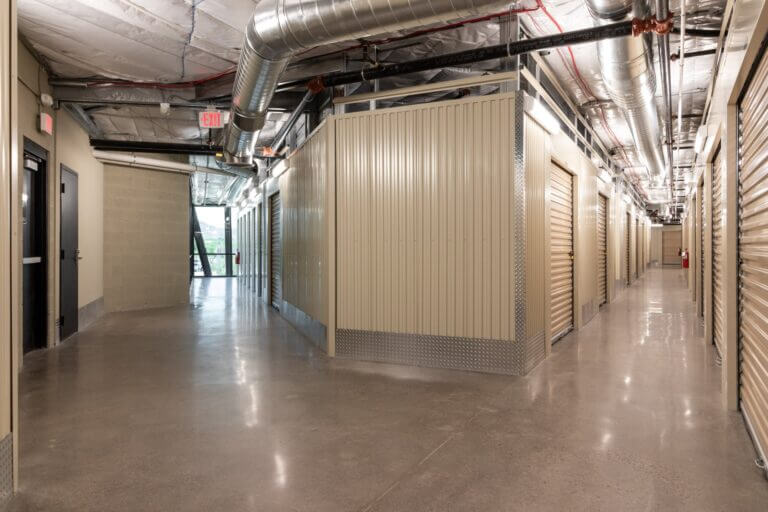
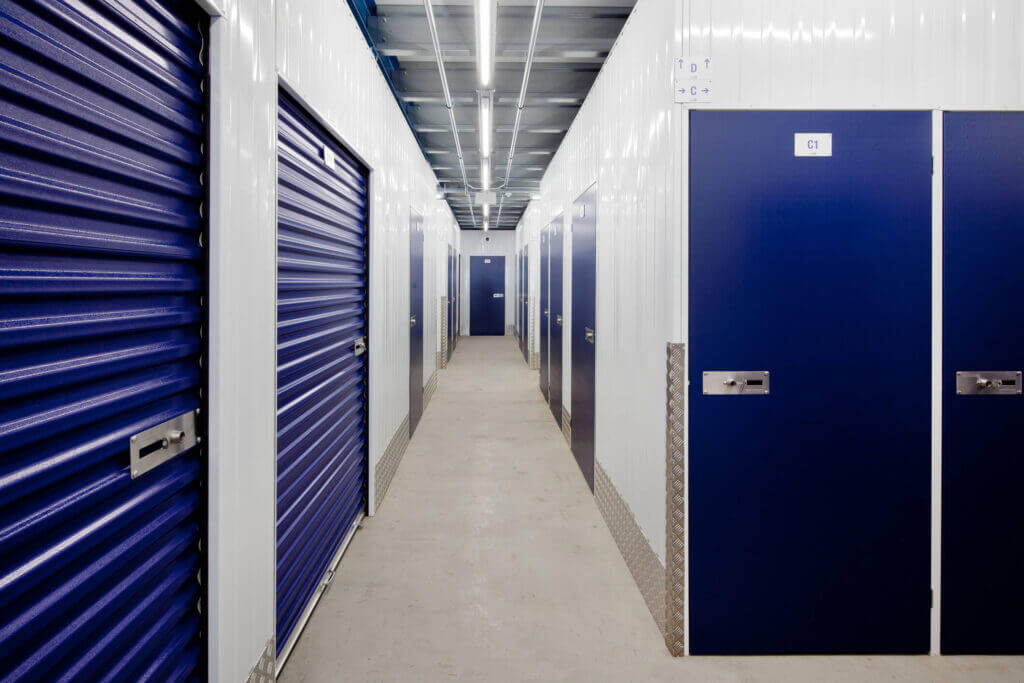
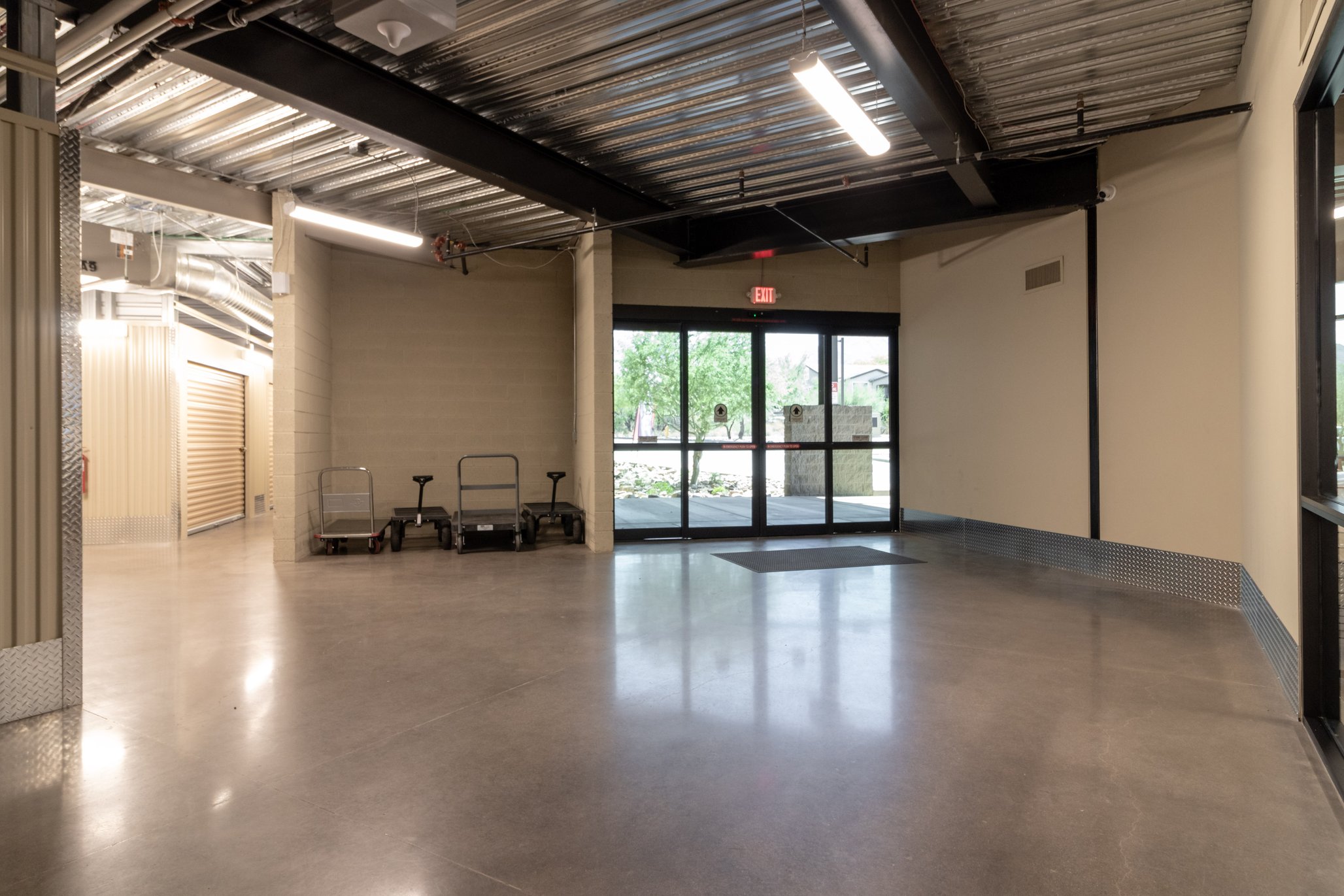
Explore smart and practical storage unit organization ideas at McDowell Mountain Community Storage in Scottsdale Arizona, designed to maximize space and ensure easy access to your belongings.
Transform your storage unit with practical organization tips from McDowell Mountain Community Storage in Scottsdale Arizona.

To avoid damage, keep delicate items in padded containers and use waterproof bins when necessary. Never place items directly on the floor—using pallets or shelving units can provide additional protection. If storing electronics, ensure they are in climate-controlled storage units to prevent overheating or moisture buildup.

Keep heavier furniture at the bottom of stacks for protection, and avoid placing fragile items under heavier bins or boxes. At McDowell Mountain Community Storage, we recommend maintaining an inventory list to help you keep track of your belongings and make retrieval easier. Our secure, organized storage units are perfect for ensuring your items are safely stored and easy to access whenever you need them.

Arrange Items for Accessibility

A common mistake in storage unit organization is stacking items without considering accessibility. You don’t want to dig through multiple boxes to find a single item. To prevent this issue, follow these storage tips:

  • Keep frequently used items at the front of the storage unit.
  • Place bulkier, less-used belongings toward the back.
  • Leave a clear floor path for easy movement.
  • Store similar items together in labeled bins for quick identification.

A well-thought-out plan will keep your storage space tidy and efficient.

Keep an Updated Inventory List

Maintaining an inventory of all your stored items can help prevent confusion and misplaced belongings. Whether you use a digital spreadsheet or a handwritten list, keeping track of what’s inside your storage unit will save time when retrieving things.

You can even create a link to an online blog or document where you store articles or guides about storage tips, allowing easy reference when organizing your storage space.

Final Thoughts on Storage Unit Organization

An adequately organized storage unit ensures that you can quickly find items, maximize space, and protect your belongings from damage. You can create an efficient and neat storage system by following these storage tips, using shelving units, and categorizing items with clear labels.

Additionally, choosing a secure facility with strong security features to look for in a storage facility can help keep your belongings safe. If you ever wonder who is responsible for a storage unit getting broken into, it’s always best to review the facility’s policies and ensure you have adequate insurance coverage.

Keeping important documents, inventory, and office supplies well-organized for those needing business storage will make it easier to manage company resources. Proper wrapping and stacking techniques will also help maintain furniture in a storage unit.

With these organizational strategies, your storage unit will remain tidy, accessible, and optimized for efficiency. Whether you’re storing kitchen products, vehicle accessories, or seasonal clothes, planning and arranging your items properly will make a significant difference.

For more expert storage tips, check out McDowell Mountain Community Storage’s latest blog articles on effective organization, shelving ideas, and ways to keep your storage space in perfect order.

Frequently Asked Questions

How Can I Efficiently Organize a Storage Unit for Seasonal Items? 

Use labeled bins for each season and keep frequently used items at the front. Store delicate items in breathable bags and stack boxes to maximize space.

What Are the Best Practices for Storing Large Appliances? 

Clean appliances, disassemble parts if possible, and wrap them in blankets. Elevate them off the floor to avoid moisture damage and keep doors ajar to prevent odors.

How Do I Prevent Mold and Mildew in a Storage Unit? 

Rent a climate-controlled unit, use moisture-absorbing packs, and ensure items are clean and dry before storing. Avoid storing wet items.

What Is the Ideal Temperature for Storing Sensitive Items? 

Store sensitive items in a climate-controlled unit with temperatures between 50°F and 75°F to protect them from environmental damage.

How Can I Use a Storage Unit to Organize a Home Renovation Project? 

Store tools, materials, and furniture in a designated space. Keep frequently used items at the front for easy access during the renovation.

What Should I Do If I Need Long-Term Storage for Furniture? 

When possible, disassemble furniture, wrap it in protective covers, and store it on pallets to keep it off the floor and prevent damage.

Can I Rent a Climate-Controlled Storage Unit? 

Many facilities offer climate-controlled units, ideal for sensitive items like electronics and furniture that need stable conditions.

How Can I Store Important Documents Safely in a Storage Unit? 

Use waterproof and fire-resistant containers, label everything clearly, and keep documents off the floor to avoid damage.

How Do I Choose the Right Size Storage Unit for My Needs? 

Take inventory of your items, and choose a unit that fits them with extra space for easy access. Staff at the facility can help guide you.

What Are the Benefits of Using a Self-Storage Facility for Business Inventory? 

It’s cost-effective and flexible, offering secure space for inventory, seasonal products, and documents, with 24-hour access and security features.

What Fits in a 10×15 Storage Unit?

Are you considering renting a storage unit but wondering what you can fit inside a 10×15 space? At McDowell Mountain Community Storage, we understand the challenges of moving, downsizing, or simply needing extra room for your belongings—whether for your sofa, bicycle, or other essentials. With multiple locations in the city and competitive price options, our self storage solutions are designed to meet your unique needs. Our 10×15 storage units are among the most popular choices for people with diverse storage needs, as they offer ample space to accommodate various items. Here’s everything you need to know about what you can fit in a 10×15 storage unit and helpful packing tips to make the most of your space. 

Understanding the Size and Capacity of a 10×15 Storage Unit

A 10×15 storage unit provides 150 square feet of space, similar to a spacious bedroom. This unit size is ideal for residential and business storage, making it a popular choice among our self-storage options. Whether you need to store the contents of a small apartment, a few rooms, or a business inventory, this storage unit size offers flexibility. With ceiling heights up to 10 feet, you can maximize the vertical storage capacity, making it easy to stack items or organize belongings on shelves.

This self storage unit can accommodate various storage unit sizes and a wide range of items. It’s large enough to store furniture from multiple bedrooms, household items, and bulky belongings like a car or truck. This flexibility means it can store family possessions, including special items like a piano, while leaving space for seasonal items. Because of its versatility, the 10×15 storage unit is suitable for many purposes. Whether you’re storing seasonal items, managing a move, or temporarily storing belongings while traveling, this self storage unit gives you the flexibility and space you need.

Everyday Household Items That Fit in a 10×15 Storage Unit

A 10×15 storage unit is versatile enough to fit a range of items, from furniture to boxes of household belongings. Here’s a closer look at the types of household items you can store:

  1. Furniture: You can easily store bedroom furniture like a bed, mattress, dresser, and wardrobe. Living room items like a couch, coffee tables, dining room tables, and chairs can also fit comfortably. If you have patio furniture or couches from an apartment, this unit can handle it all. Our self storage units offer plenty of vertical space, with high ceilings that allow for stacking and efficient organization. In addition to furniture, you can store more oversize items like cars if needed. Please get in touch with us for more information on what can fit in our self-storage units. 
  2. Appliances: Larger household appliances like refrigerator, washers, dryers, and microwaves can be stored safely. If you’re moving or remodeling, a 10×15 storage unit offers the space to keep these high-value items safe, along with other essentials like mattresses, a kitchen table, and toys. With ample ceiling height, you can make the most of the vertical space in your storage unit. Many people across the U.S. also use these units to store large items like trucks, providing a secure spot for temporary storage. Managing your storage account is easy, and our units are designed to keep your belongings safe during your transition. 
  3. Boxes and Miscellaneous Items: Moving often involves plenty of boxes, and a 10×15 storage unit offers enough room for boxes of various sizes. Seasonal decorations, books, or household tools fit easily in this unit. By stacking boxes, you can maximize the vertical space for better organization. Our facilities are designed to accommodate storage needs for people moving from apartments or homes, with enough space for large furniture, such as a king-size bed. When you rent a unit, our straightforward rental agreement ensures a smooth process, whether you’re moving locally or from another part of the country. 

Office Equipment and Business Inventory Storage

Many business owners use a 10×15 storage unit to manage inventory overflow, especially in cities with limited and costly real estate. Suppose you’re running a business in Los Angeles, Chicago, Miami, Atlanta, or elsewhere in the U.S.. In that case, a storage unit of this size can serve as an extension of your office or warehouse. For example, you can store excess office supplies, microwaves, and other equipment in this space. This storage solution helps organize business spaces and frees up valuable on-site rooms.

To simplify the process, we provide transparent details about storage unit cost and associated fees so you know what to expect. In today’s market, finding affordable storage options can be challenging, but our facilities offer competitive pricing. Contact us for a list of available units and the availability of different sizes, and choose a storage solution that best fits your business needs or any other things you need to store.

Office Furniture and Supplies:

Storage units can hold a variety of office furniture, such as desks, filing cabinets, office chairs, and storage shelves. If your business has extra office equipment that doesn’t fit your current space, storing these items in a 10×15 unit allows you to keep everything organized and accessible.

Inventory and Promotional Materials:

A 10×15 storage unit can be ideal for businesses that need storage for seasonal inventory or promotional materials. Retailers, e-commerce businesses, and even small service providers often store items such as products, marketing displays, and shipping supplies in these units.

Sensitive Documents and Electronics:

With climate control, you can also store sensitive documents, electronic devices, or other temperature-sensitive items. Climate-controlled units maintain stable temperatures, which helps protect items from damage due to temperature fluctuations.

Storing Vehicles and Specialized Equipment

A 10×15 storage unit can fit smaller vehicles and equipment if you’re looking for vehicle storage. From motorcycles to small boats, this unit size offers the space and convenience to keep your vehicles safe without taking up room in your garage. You can also store children’s items, furniture, boxes, a couch, appliances, a dresser, a bed, and other materials. 

Motorcycles, ATVs, and Small Boats:

Whether an outdoor enthusiast or a casual weekend rider, a 10×15 storage unit is an excellent choice for keeping your motorcycle, ATV, or even a compact boat out of the elements. The convenience of vehicle storage at a secure location gives you peace of mind that your recreational vehicles are well-protected. With the added features of our storage options, you can also store travel-related items, tools, equipment, supplies, chairs, bicycles, and anything else you need. 

Sports Equipment and Hobby Gear:

A 10×15 storage unit is also great for storing sports equipment and gear. If you have a lot of sports equipment—like golf clubs, bicycles, or skis—a storage unit can help you keep everything in one organized space. With plenty of room to spare, you can easily access your items when the season comes around.

Seasonal Items and Tools:

Do you have bulky tools or seasonal equipment, like lawnmowers, snow blowers, or gardening supplies? Rather than cluttering your garage, consider a storage unit. Many people use their storage units to hold tools, workbenches, or even storage containers full of hardware and small tools, keeping their home spaces more organized.

Tips for Maximizing Space in Your 10×15 Storage Unit

A 10×15 storage unit provides significant storage space, but it’s essential to organize it well to make the most of the area available. Here are some tips to help you pack your items efficiently:

  1. Use Shelving Units: Sturdy shelving units can store smaller items and boxes vertically, freeing up more floor space. This is especially helpful if you have items that you need to access frequently.
  2. Pack Similar Items Together: Group similar items, such as kitchen items, living room furniture, or office supplies, to make retrieval easier.
  3. Label Boxes Clearly: To keep your storage organized, label each box clearly with its contents and place the labels facing outwards. This will save you time and prevent the hassle of searching for specific items.
  4. Place Large Items First: Start by loading large items like furniture, appliances, and big boxes. You can fill the remaining space with smaller boxes and containers.
  5. Protect Your Belongings: Consider using blankets or plastic wrap to protect furniture and appliances. Storing in climate-controlled units is highly recommended for sensitive items, such as electronics.

The Benefits of Choosing a 10×15 Storage Unit at McDowell Mountain Community Storage

At McDowell Mountain Community Storage, we offer a range of features to make your storage experience easy and stress-free. Whether you’re storing children’s items, furniture, a sofa, a washer, a dryer, documents, or many other items, our facilities are designed to meet all your storage needs. Plus, we provide clear rental agreements and excellent customer service. 

Security and Safety:

Our facility has advanced security features, including surveillance cameras, access control, and well-lit surroundings. Your belongings, including equipment, a couch, tables, or other items, are safe with us. Be sure to ask about our promotions, fees, and additional details to improve your storage experience. 

Climate Control Options:

We offer climate-controlled units for items that are sensitive to extreme temperatures or humidity. This feature helps protect electronics, wooden furniture, documents, and even furniture like bedrooms or car-related items. If you have any questions, we provide a variety of unit types to suit your needs, whether it’s for your house, move, or anything else. We’re here to help with all your storage needs and provide detailed information about each option. 

Flexible Rental Agreements:

Whether you need short-term or long-term storage, we provide flexible rental agreements to meet your needs. From monthly rentals to extended agreements, we offer flexibility that fits your lifestyle and schedule. Our competitive pricing ensures you get the best value for your space, whether you’re storing a truck, vehicle, living room furniture, or other items. With various facilities, spaces, and amenities, we make it easy to find the perfect place to rent at a cost that suits your budget. 

Affordable Pricing and Discounts:

Our storage unit prices are competitive, and we frequently offer promotions and discounts. We understand that storage costs can add up, so we work to provide affordable options for all of our customers. Whether you need a space for a truck, sofa, or anything from households to packing materials, we prioritize safety and offer detailed information to help you choose the best option. 

Frequently Asked Questions About 10×15 Storage Units.

What is the cost of a 10×15 storage unit?

The cost of a 10×15 storage unit can vary depending on location and amenities, such as climate control. Contact us for the latest pricing and available promotions.

How much can I fit in a 10×15 storage unit?

A 10×15 storage unit can fit the contents of a small apartment, including multiple pieces of furniture, appliances, and boxes. It’s spacious enough to store items from a one- to two-bedroom apartment.

Do I need climate control for my items?

Climate control is recommended for items sensitive to temperature changes, such as electronics, documents, wooden furniture, and some business inventory. Our facility offers climate-controlled units to keep these items in optimal condition.

Can I access my unit at any time?

At McDowell Mountain Community Storage, we offer convenient access hours. Contact us to learn more about access times and how you can easily access your belongings when needed.

How can I maximize space in my 10×15 storage unit?

Use vertical space with shelves, stack boxes, and pack similar items together. Be sure to label your boxes for easy organization, and place frequently needed items near the front for quick access. If you’re storing garage items, moving supplies, tools, or other materials, make sure to maximize your space efficiently for a more organized unit.

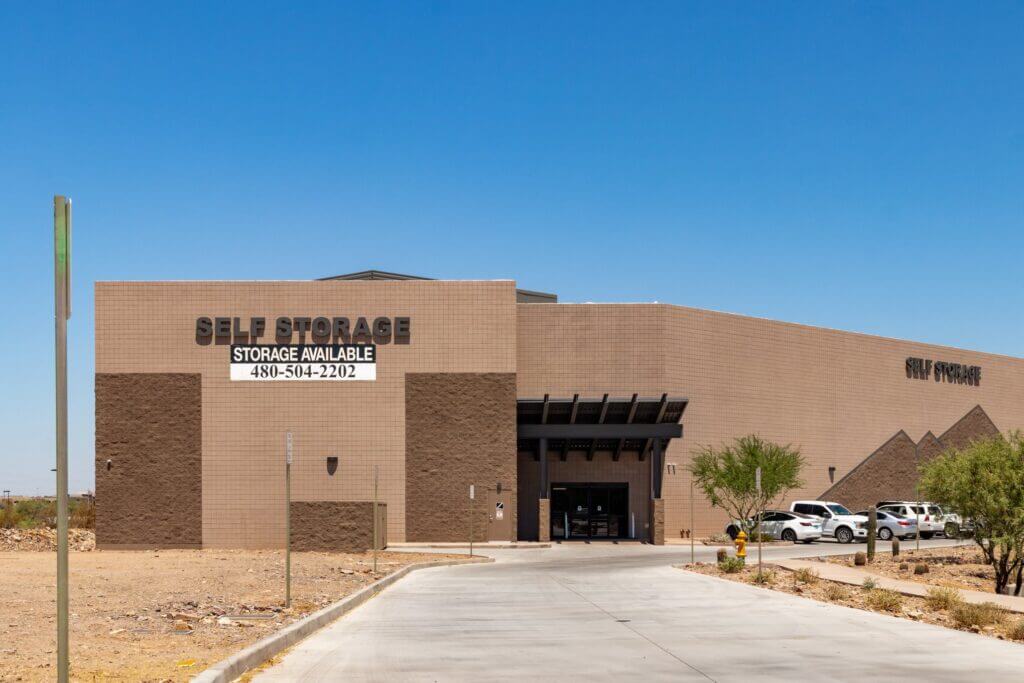
What fits in a 10×15 storage unit at McDowell Mountain Community Storage in Scottsdale, Arizona
Discover the perfect fit for your items in a 10×15 storage unit at McDowell Mountain Community Storage in Scottsdale, Arizona.

Additional Uses for a 10×15 Storage Unit

Storage units are for more than just storing household or business items. Here are some unique ways you might consider using a 10×15 storage unit:

  1. Art and Craft Studio: If you’re an artist, hobbyist, or crafter, a 10×15 unit can be a dedicated space for your work. Use it to store art supplies, finished pieces, and tools.
  2. Home Office Overflow: If your home office is overflowing, consider storing extra files, documents, and office furniture. This setup can keep your home office organized and reduce clutter.
  3. Inventory Storage for Small Businesses: E-commerce businesses, home-based retailers, and other small business owners can use a 10×15 storage unit to manage inventory, packaging supplies, and other business materials.
  4. Temporary Storage for Moving or Renovation: If you’re moving or renovating your home, a 10×15 storage unit is the perfect solution for temporarily holding your belongings.
  5. Sports Team or Club Equipment: Teams or clubs needing extra storage for equipment—like uniforms, balls, or nets—can use a 10×15 unit for organized storage accessible for practices or games.

Why Choose McDowell Mountain Community Storage?

When selecting a storage facility, choosing a trusted provider like McDowell Mountain Community Storage offers numerous advantages. Our facility prioritizes convenience, security, and customer satisfaction. With amenities designed for easy access, climate control options, and a range of unit sizes, we make it easy to store your belongings safely and affordably, including items for children. 

If you’re ready to rent a 10×15 storage unit or have questions about our other options, contact McDowell Mountain Community Storage today! We’re here to help with all your storage needs—from moving assistance to long-term storage solutions. Whether you need storage in Los Angeles, Chicago, Miami, Atlanta, or closer to home, we have the right solution for you. We can store children’s items, dressers, and anything else you need, including your logo materials or blog files.

What Can Fit in a 10×10 Storage Unit?

A 10×10 storage unit is a highly sought-after alternative for storing excess possessions securely, such as gear, a couch, a wardrobe, luggage, a bicycle, and garden equipment. It is approximately the same size as a standard bedroom, with 100 square feet of floor space and typically around 8 feet of vertical space. Although it may appear insignificant, implementing a strategic organization can provide the advantage of accommodating an unexpected quantity of items. So, whether you are downsizing, moving, or simply decluttering, let’s explore the items that can be accommodated in a 10×10 storage unit and how to optimize this space. 

Overview of 10×10 Storage Unit Dimensions

A 10×10 storage unit is popular for individuals and businesses needing additional storage space. Knowing its dimensions and capacity can assist you in effectively planning and optimizing the use of your available space. The following is a comprehensive description of a 10×10 storage unit, including its size, capacity, and prospective applications.

Dimensions

  • Size: A 10×10 storage unit has a total floor space of 100 square feet and measures 10 feet by 10 feet.
  • Height: Storage units are typically 8 to 10 feet in height, which allows for the stacking of crates and other items.
  • Volume: The unit’s total volume can vary between 800 and 1,000 cubic feet, contingent upon its height.

Capacity

A 10×10 storage unit is versatile and can accommodate a wide range of objects, making it an appropriate choice for various storage requirements. The following is a general notion of the contents that can be accommodated:

  • Furniture: It is capable of accommodating the contents of a one-bedroom apartment, such as:
  1. A king-sized cot
  2. A queen-sized cot
  3. A tailor
  4. A settee or sofa
  5. Coffee table
  6. Dining table and seats
  • Cartons and Bins: The capacity to store approximately 30 to 40 cartons depends on their size and organization.
  • Appliances: Small to medium appliances, including a microwave, washer and drier, or refrigerator.
  • Items available during specific seasons: space for sports equipment, seasonal decorations, and other infrequently used items.

Possibilities for Application

A 10×10 storage unit is adaptable and can be used for a variety of purposes, such as:

  • Residential storage is an excellent choice for storing personal possessions during a move, renovation, or downsizing.
  • Business Storage: Appropriate for small businesses requiring additional inventory, documents, or equipment space.
  • Seasonal Storage: This is ideal for storing seasonal items such as winter apparel, camping equipment, or holiday decorations.
  • Student Storage: This is an excellent option for college students who need to store their possessions during summer breaks or study abroad programs.

What is the maximum capacity of a 10×10 storage unit?

An average 10×10 unit can accommodate the contents of a one-bedroom apartment or a modest two-bedroom home. This renders it optimal for:

  1. Sofas, dining room tables, chairs, and bed frames comprise furniture.
  2. A variety of medium-sized to large moving crates
  3. Appliances such as a refrigerator or a laundry and dryer
  4. Bicycles, skis, and gardening tools comprise seasonal equipment.
  5. Items of a personal nature, including sports equipment, holiday decorations, and small business inventory

It is possible to accommodate a more significant number of items than one might anticipate by strategically arranging them.

What are the most suitable items for a 10×10 storage unit?

  • Furniture Sets: A 10×10 unit can accommodate most living room and bedroom furniture arrangements. Couches, armchairs, coffee tables, dressers, and one or two mattresses (with disassembled bed frames) may comprise this list. To safeguard a mattress during storage, wrap it in a plastic case.
  • Appliances: A 10×10 unit can accommodate a variety of standard-sized appliances, including a refrigerator, washer, dryer, or small freezer, for temporary storage of household appliances.
  • Items for the Home Office: A desk, filing cabinets, office chairs, and document storage bins will accommodate be accommodated. Organize and optimize the space using shelving units to store business equipment or inventory.
  • Seasonal Items and Hobbies: A 10×10 unit is the optimal choice for storing sports equipment, skis, and bicycles, as it will ensure that they are out of the way when unused. This unit capacity is ideal for storing tools, art supplies, or musical instruments if you are a hobbyist with larger equipment.
  • Large Selection of Boxes and Bins: Storage units frequently include moving boxes, and with some strategic layering, numerous boxes can be accommodated within a 10×10 unit. For convenience, it is recommended that the most significant or frequently accessed boxes be placed near the front of the storage area, and each box should be plainly labeled.

Strategies for Organizing a 10×10 Storage Unit

To optimize the capacity of your storage unit and safeguard your possessions, adhere to these guidelines:

  • Disassemble Large Furniture: To conserve space, bed frames, tables, and other large furniture must be disassembled.
  • Utilize shelving units: Portable shelving enables the vertical stacking of smaller boxes and items without the danger of tipping over.
  • Carefully stack boxes: Place the heaviest boxes at the bottom and the lightest at the top to establish a stable foundation.
  • Vertically store: Utilize the vertical space by placing furniture items, such as armchairs, on their ends.
  • Please label all items: It is recommended that all crates and containers be labeled to facilitate retrieval in the future.
  • Establish a Route: Maintain a small aisle in the unit’s center to retrieve items from the rear without unpacking the entire area.

Seasonal Item Storage

The items we employ regularly undergo seasonal fluctuations. Seasonal items, whether winter holiday decorations, summer sports apparel, or spring-cleaning supplies, can consume valuable space in your home. Efficiently storing these items can facilitate decluttering your living space and the seamless transition between seasons. Below is a comprehensive guide to seasonal item storage, including maintenance, organization, and preparation advice.

The Importance of Seasonal Item Storage

There are numerous advantages to effectively storing seasonal items:

  • Decluttering: Reducing debris is beneficial because it facilitates the discovery of everyday items and establishes a more organized living environment.
  • Protection: Through appropriate storage, seasonal items are safeguarded from damage caused by extreme temperatures, vermin, moisture, and dust.
  • Accessibility: Seasonal items are more easily located and retrieved when well organized.

Evaluation of Your Seasonal Items

Inventory your seasonal possessions before commencing storage. Common categories consist of:

  • Holiday Decorations: Christmas lights, ornaments, Halloween costumes, Thanksgiving decorations, and other holiday-related objects.
  • Seasonal Apparel: Winter coats, summer garments, swimwear, and seasonal footwear comprise seasonal apparel.
  • Outdoor equipment: Patio furniture, sports equipment, gardening supplies, and lawn care items.
  • Seasonal Sports Gear: Snowboards, skis, beach chairs, and bicycles comprise seasonal sports equipment.

Preparing Items for Storage

It is essential to prepare to maintain the quality of your seasonal products. The following are a few procedures to follow:

  • Thoroughly Clean Seasonal Items: Before storage, it is imperative to thoroughly clean all seasonal items to prevent grime and moisture from causing damage. For instance, cleaning holiday decorations and laundering apparel is advisable before packing.
  • Completely dry: It is crucial to ensure that all items, particularly those made of fabric or leather, are dehydrated to prevent the development of mold and mildew during storage.
  • Reparation of Damage: Any clothing or damaged or fractured items should be repaired before storage to prevent further degradation.

Selecting the Appropriate Storage Solutions

Choose storage options that are suitable for the objects you are storing:

  • Storage containers: Clear plastic containers are optimal for storing smaller items and decorations. They ensure the contents are visible and safeguarded from dust and vermin. Ensure that each bin is plainly labeled.
  • Vacuum-Sealed Bags: Vacuum-sealed bags are designed to protect garments and textiles from moisture and pests and conserve space.
  • Shelving Units: Organize bins and boxes in your storage area by utilizing shelving to facilitate access to items as required.
  • Stackable Containers: Consider stackable storage containers to optimize vertical space, particularly in closets or garages.

Arranging Seasonal Items

Seasonal transitions can be made seamless through effective organization. This is the method to be followed:

  • Sort by season: Arrange items by the season they are employed. This will simplify locating the items you require when the time arrives.
  • Please label all items: Use clear, descriptive labels for each bin or box, indicating the contents and the season to which it pertains. This prevents potential confusion in the future.
  • Make an inventory list: Track the objects you possess by maintaining an inventory list of stored items. This may be a straightforward digital document or checklist.
  • Ensure that frequently used items are easily accessible: place frequently used items, such as seasonal clothing or holiday decorations, at the front of your storage area to facilitate simple access.

Safely Storing Seasonal Items

When it comes to the actual storage of your seasonal objects, we recommend the following:

  • Climate Control: If your items, such as electronics, fine art, or leather products, are susceptible to fluctuations in temperature and humidity, consider a climate-controlled storage unit.
  • Avoid overloading: storage containers or shelves to prevent accidents or breakage. Utilize containers that are durable and capable of accommodating the weight.
  • Avoid Placing Items Directly on the Floor of Your Storage Area: Maintaining a clear floor space is essential to prevent water damage or pests from reaching your possessions. Instead, implement shelving or pallets.

Upkeep of Your Storage Area

It is imperative to conduct routine maintenance to guarantee that your seasonal items remain in optimal condition:

  • Periodically verify: Check the condition of your items periodically in your storage area, particularly if they are stored for an extended period.
  • Inspect for Pests: Look for signs of vermin, such as droppings or damage, and take immediate action if you find any.
  • Update Your Inventory: You must update your inventory list as you add or remove items to ensure you know your stowed items. 

Organizing Boxes and Bins

Clutter can rapidly accumulate in any home or office if improperly organized in boxes and bins. Efficient organization can save you time, space, and tension, regardless of whether you are storing seasonal items, office supplies, or personal belongings. A comprehensive guide is provided to assist you in the efficient and accessible organization of your boxes and containers.

 Evaluation of Your Storage Requirements

Before commencing the organization process, it is crucial to evaluate your storage requirements:

  1. What products are you storing? Determine the categories of items stored in boxes and containers, including toys, documents, clothing, and craft supplies.
  2. How frequently do you require access to these items? Frequently used items should be stored in a more accessible location, while infrequently used ones can be stored at a greater distance.
  3. How much capacity do you have? The dimensions of your storage area, whether it be a closet, garage, cellar, or storage unit, should be considered.

Selecting Appropriate Bins and Boxes

It is essential to choose the appropriate storage containers to achieve effective organization:

  • Material: Evaluate the materials that are most appropriate for your items. Cardboard boxes are recyclable and lightweight but are less durable than plastic containers, which are stackable, water-resistant, and durable.
  • Size: Select boxes and containers equivalent to the size of the items you are storing. Avoid overfilling containers, as this can result in disintegration and complicate access.
  • Transparent containers: Utilizing clear plastic bins enables the immediate identification of contents, thereby simplifying the process of locating items without the need to open each package.
  • Stackability: Opt for stackable containers to optimize vertical space and reduce clutter. Make sure that they are securely stacked on top of one another.

Preparing Items for Storage

It is essential to prepare to maintain the quality of your possessions:

  • Clean and Dry: To prevent the growth of mold and mildew, ensure that all items are clean and dry before arranging them in boxes.
  • Arrange Items: Before preparing, organize similar items. This not only simplifies the unpacking process but also assists in determining the appropriate container size.
  • Label Everything: Use clear labels to designate the contents of each box or bin. Label everything. This can prevent frustration and time wastage during subsequent searches for particular items.

Organizing Your Bins and Boxes

The following are some effective strategies for organizing your crates and bins:

  • Categorize by Function: Arrange items according to their function or category. For instance, organize all holiday decorations in one bin, craft supplies in another, and office supplies in a separate box.
  • Establish zones: Designate distinct areas within your storage space for various categories. For instance, a shelf for seasonal items, a bin for documents, and another for toys.
  • Utilize a filing system: Consider employing a filing system that includes labeled containers within a bin or box for documents or papers. This facilitates the organization and retrieval of critical documents.
  • Prioritize accessibility: Place frequently used items at eye level or within easy reach, while less frequently used items can be placed on higher shelves or in the rear of storage areas.

Making Use of Vertical Space

Utilize vertical storage solutions to optimize your storage capacity:

  • Shelving Units: To establish additional levels for bins and boxes, install shelving in closets or storage areas. This facilitates improved organization and maintains a clear floor space.
  • Hooks and Pegboards: Hang lightweight items, such as tools, bags, or sports equipment, on hooks or pegboards to free up container space.
  • Over-the-Door Organizers: To conserve floor space, it is advisable to employ over-the-door organizers for smaller items, such as craft supplies or shoes.

Upkeep of Your Organizational Framework

It is crucial to preserve the system after you have organized your crates and bins:

  • Regularly Review: Periodically evaluate your storage to eliminate any items that are no longer required or utilized. Items should be recycled or donated as appropriate.
  • Revise the labels: Ensure that labels are updated to ensure that all items are accurate and easily accessible as you add or remove them.
  • Establish a Schedule: Establish a routine for managing your storage space, whether a seasonal clean-out or a monthly check, to guarantee everything is in order.

Storage of Seasonal Items

These supplementary recommendations should be taken into account when purchasing seasonal merchandise:

  • Utilize Seasonal Bins: Assign specific bins for seasonal items, including winter apparel, summer sports equipment, or holiday decorations.
  • Clever Stacking: Arrange seasonal containers by the frequency with which they are required. Current-season items should be readily accessible, while off-season items can be stored in the rear or higher elevations.
  • Regularly Rotate: Establish a routine of rotating containers as the seasons change, bringing forward what is required and packing away what is no longer in season. 

Tips for Maximizing Storage Space

Maintaining an organized and functional home, particularly in smaller living spaces, necessitates optimizing storage space. By employing intelligent strategies and innovative solutions, you can optimize your available space, simplify your surroundings, and improve your overall living experience. Here are a few practical suggestions for optimizing the storage capacity of your residence.

Conduct Consistent Decluttering

Before optimizing storage, it is imperative to eliminate redundant items:

  • Execute a purge: Go through each room and determine whether to retain, donate, or discard items. Pursue a minimalist approach by retaining only the functional or enjoyable items.
  • One In, One Out Rule: To preserve equilibrium, it is advisable to dispose of an old object for each new item introduced into the home.

Maximize Vertical Space

Vertical space needs to be more utilized. Here is how to optimize it:

  • Install Shelves: Utilize wall-mounted shelves to showcase storage containers, decor, or books. This generates additional stowage without occupying floor space.
  • Tall bookcases: Choose tall bookcases to optimize storage without occupying a substantial area. They allow for vertical storage of items.
  • Hooks and Pegboards: Utilize wall-mounted organizers, pegboards, or hooks in kitchens, garages, or entryways to display items such as pots, pans, tools, or bags.

Investing in Furniture that Serves Multiple Purposes

Furniture that serves multiple functions can conserve a substantial amount of space:

  • Storage Ottomans: Utilize ottomans with internal storage compartments to store blankets, toys, or publications.
  • Sofa Beds: A sofa bed may serve as a seating area during the day and transform into a sleeping area for visitors at night.
  • Nesting Tables: These tables can be easily removed when required and retracted when not in use.

Maximize Closet Space

Prime storage areas are frequently closets, which can be optimized:

  • Hangin Rod: Install a second hanging rod beneath your current one to increase the hanging space for clothing, exceptionally shorter items such as blouses.
  • Shelf Organizers: Utilize shelf dividers and organizers to ensure that items are neatly stacked and readily accessible.
  • Under-Shelf Baskets: Use under-shelf baskets to store smaller objects in an organized manner without occupying additional space.

Maximize the Role of Hidden Spaces

Search for concealed storage opportunities within your residence:

  • Under-Bed Storage: Use storage bins or drawers designed to fit beneath your bed. This is the perfect solution for seasonal clothing, shoes, or spare linens.
  • Behind Closed Doors: Use the rear doors to store cleaning supplies, accessories, or shoes by installing over-the-door organizers.
  • Staircase Storage: If you possess staircases, you may utilize the area beneath them for decorative shelving or built-in storage.

Maximize Kitchen Storage

Clutter can readily accumulate in kitchens, which is why it is crucial to maintain an effective organization:

  • Vertical Pan Storage: Utilize vertical dividers in cabinets to store baking sheets and cutting boards erect, thereby saving space and improving accessibility.
  • Magnetic Strips: Install magnetic strips to secure knives and metal implements, maintain tools within easy reach, and free up drawer space.
  • Pull-Out Drawers: We are considering installing pull-out drawers in cabinets to facilitate the retrieval of pots and pans without the need to sift through them.

Establish a Seasonal Items System

When not in use, seasonal items can consume valuable space:

  • Utilize transparent Bins: Store seasonal decorations and clothing in transparent, labeled bins to facilitate identification.
  • Rotate Items: To ensure that only the items that are presently required are accessible, replace seasonal items in your storage space as the season changes.

Utilize digital technology whenever feasible.

Digitize documents and media to minimize physical clutter:

  • Scanning Critical Documents: Utilize a scanner to digitize critical documents, which can then be stored on your computer or in cloud storage.
  • E-books and streaming services: To conserve space, choose e-books over physical books and utilize streaming services for music and movies.

Implement innovative storage solutions.

Consider unconventional storage solutions:

  • Baskets and Decorative Boxes: Utilize decorative baskets and boxes to decoratively store items on shelves or tables.
  • Wine Racks: Utilize wine racks to hold magazines or rolled-up towels, offering a functional and distinctive storage solution.
  • Ladders: Use timber ladders as towel racks or bookshelves to enhance your residence’s storage capacity and aesthetic appeal. 

What Items Are Ineligible for a 10×10 Storage Unit?

While a 10×10 storage unit provides ample space for various storage unit items, more is needed to accommodate the contents of a sizeable multi-bedroom home or oversized items such as grand pianos, desks, or ATVs. If you have substantial belongings or oversized items, consider a larger storage unit to ensure everything fits comfortably, including lamps and shed contents. Estimating your needs and assessing the cost and storage unit prices before making a deal is essential. Additionally, be sure to inquire about facilities that can help accommodate the specific needs of your items. Furthermore, it is advisable to refrain from storing hazardous materials (such as chemicals or flammable items), perishable food, or any items that may attract vermin.

Is a 10×10 unit appropriate for your needs?

A 10×10 storage unit is ideal for individuals requiring a moderate amount of space for various items, including motorcycles, jet skis, and snowmobiles. This unit size is versatile and can accommodate different requirements, whether downsizing, relocating, or simply decluttering. It is also suitable for storing sports gear, covers, and bed frames. This site may be ideal for those residing in a one-bedroom or smaller apartment. However, for larger residences or a growing family with more items, a 10×15 or 10×20 unit may be appropriate, providing additional ceiling height and space to rent for anything you need. 

Final Thoughts

Thoughtful organization and strategic packaging are essential for optimizing the utilization of your 10×10 storage unit. By understanding the various storage unit sizes, features, pricing, and details about storage facility amenities, availability, taxes, and fees, you will gain a better idea of how to maximize space. With meticulous preparation, including estimating the size of items, reviewing records, and planning the arrangement of rooms or pieces of stuff, you will ensure that everything, including how your car fits in the lot, is accounted for in your rental agreement. Ultimately, you will be astounded by the extent of the space that can be accommodated in this compact yet adaptable area of self-storage units.

Frequently Asked Questions

Will the storage unit’s climate impact my possessions?

Indeed, temperature and humidity can influence your stowed items. To safeguard sensitive items from extreme conditions, investing in a climate-controlled storage unit is advisable.

To facilitate accessibility, what is the most effective method for organizing a 10×10 storage unit?

Organize your unit by stacking less-used items toward the rear and placing frequently accessed items near the front. Establish unobstructed pathways to facilitate navigation.

What should I do if my 10×10 storage unit cannot accommodate my belongings?

If you cannot accommodate your belongings, consider renting an additional unit or downsizing your items. Consider employing space-saving strategies, such as selling or donating unnecessary items.

Can I store my documents in a 10×10 storage unit?

Indeed, a 10×10 storage unit is appropriate for storing files and documents. Filing boxes or containers can keep them organized and safeguarded from moisture and dust.

What are the best ways to safeguard my possessions while in storage?

To safeguard your possessions, it is recommended that you use moisture-absorbing materials, cover fragile or valuable items in bubble wrap or blankets, and maintain a clean and organized storage unit to prevent damage.

Can a 10×10 storage unit accommodate a dining room set?

A 10×10 storage unit can accommodate a compact dining room set, which includes a table and chairs. The table and chairs may need to be disassembled and arranged to optimize space utilization.

Is storing a treadmill or other exercise apparatus in a 10×10 storage unit permissible?

A 10×10 storage unit can store a treadmill or other exercise equipment. However, to facilitate storage and access, it is essential to disassemble any removable components.

What is the optimal method for stacking objects in a 10×10 storage unit?

When stacking products, position the heavier boxes at the bottom and the lighter ones at the top. Avoid piling items too high to prevent them from toppling over.

Is it permissible to store artwork or souvenirs in a 10×10 storage unit?

Indeed, it is feasible to store mementos and artwork in a 10×10 storage unit. To prevent damage, ensure they are securely wrapped in bubble wrap or blankets and transported in sturdy crates.

What products should be refrained from being stored in a 10×10 storage unit?

Perishable items, hazardous materials (such as chemicals and explosives), unlawful substances, and live animals should not be stored in your storage unit, as they can pose a safety hazard.

Our Professional Advice Will Assist You in Comprehending the Space of a 10×10 Storage Unit!

Choosing the proper storage solution, especially a 10×10 self storage unit, can be complex. But at McDowell Mountain Community Storage Facility, we’re here to simplify it for you. Our team of professionals is dedicated to helping you make informed decisions, whether you’re storing seasonal items, small appliances, or furniture from a one-bedroom apartment. A 10×10 unit is a versatile space that can accommodate a queen-size bed, a sofa, a dining table, and numerous crates, making it an ideal choice for individuals and small families looking to declutter.

Our professionals are dedicated to assisting you in the efficient and secure organization of your possessions, maximizing the capacity of vertical space in our self-storage units. We offer the necessary resources and guidance for short-term and long-term storage solutions for customers from Miami, New York, Los Angeles, New Jersey, San Diego, San Antonio, and Chicago. Investigate our storage unit sizes and prices to identify the optimal solution for your requirements, whether you need to store items in bedrooms, a family room, or an entertainment center. Contact us today to reserve a unit or to learn more about the items that can be accommodated in a 10×10 storage unit.

What Can Fit in a 5×10 Storage Unit?

What can fit in a 5×10 Storage Unit? A 5×10 storage unit is a highly sought-after option for individuals and businesses regarding storage solutions. Whether you are decluttering your home, moving, or needing additional storage space for seasonal items, understanding the unit sizes and restrictions can significantly help you optimize your storage requirements. While you can place various items in these units, it’s essential to remember that vehicles and boats may be subject to specific regulations. Furthermore, when storing valuable items, be sure to check the rights associated with trademarks to effectively protect your assets. Here are some tips to maximize your space: utilize vertical space to reach the ceiling, ensure items are stored close to the door for easy access, and consider your storage ideas carefully to maximize your unit.

Overview of Dimensions

5×10 storage unit is equivalent to a small room with a total area of 50 square feet. The height is typically approximately eight feet, which provides plenty of vertical space for stacking objects. This type of unit is a versatile choice for various situations, as it is ideal for storing a range of things, including closet items, seasonal decorations, and even motorcycles. If you’re considering renting a unit, it’s essential to understand the storage unit cost and the availability in your area. Whether you need a place for a truck, personal belongings, or just extra space, this is a great idea to meet your storage needs.

Typical Items That Fit

The following is a list of frequently stored items in a 5×10 unit:

Furniture

  • Compact Sofas or Couches: A compact sofa can be adequately accommodated.
  • Mattresses: A twin or full-size mattress can be stored without problems.
  • Chairs: You can stack multiple dining chairs or store a few armchairs.

Appliances 

  • Refrigerators: A mini-fridge or a small standard fridge can be accommodated.
  • Washer and Dryer: Compact and dryer sets may be accommodated.

Containers and Boxes

  • Items available during specific seasons: boxes store winter clothing, summer gear, or holiday decorations.
  • Documents and Files: Ideal for safeguarding and organizing business records.

Sporting Equipment and Bicycles

  • Bicycles: One or two bicycles and a few accessories may be stored.
  • Outdoor Gear: Camping equipment, kayaks (in specific instances), and sports equipment may be compatible.

Miscellaneous Items and Home Décor

  • Artwork: Paintings and framed photographs can be securely stored.
  • Shelves or cabinets that are compact: If necessary, disassemble more oversize furniture to conserve space.

Furniture Storage Options

Finding the appropriate furniture storage solution can be crucial whether you are downsizing, relocating, or simply decluttering your space. By selecting the right option, you can optimize your available space, such as 5×10 storage units, and ensure your possessions are secure and easily accessible. Self-storage units, comparable to the size of a walk-in closet or even a studio apartment, offer flexible storage options for various needs. Additionally, considering different locations and promotions can help you find the best price for the storage unit size that suits your requirements.

Self-Storage Units

Self-storage facilities offer a flexible and convenient method of storing furniture. Our rental units are available in various capacities, ensuring you can quickly locate one that meets your requirements.

Advantages:

  • Accessibility: You can retrieve or add items to your unit anytime.
  • A Wide Range of Sizes: From compact lockers to expansive units, you can select the ideal dimension for your furniture.
  • Security: Numerous facilities provide climate control, security cameras, and secured access.

Portable Storage Containers 

Portable storage containers are delivered to your location, enabling you to store your furniture at your leisure. After they have been sealed, the container can be stored on your property or transported to a storage facility.

Advantages:

  • Convenience: You can load and unload at your tempo.
  • Location Flexibility: The container may be stored at home or in a secure facility.
  • Protection: Containers are secure and resistant to the elements.

Warehouse Storage 

Warehouse storage is frequently employed to store mass items or larger quantities of furniture. This alternative is generally more appropriate for individuals or businesses with significant storage requirements.

Advantages:

  • Space Efficiency: Suitable for storing extensive collections or numerous pieces of furniture.
  • Climate Control Options: Numerous warehouses provide climate-controlled environments to safeguard your items.
  • Professional Management: Frequently overseen by professionals capable of offering packaging and handling services.

Indoor Storage Facilities 

Indoor storage facilities offer climate-controlled containers to safeguard valuable or delicate furniture. Typically, these units are located in secure structures.

Advantages:

  • Temperature and Humidity Regulation: Prevents upholstery and wooden furniture from being damaged.
  • Enhanced Security: Frequently outfitted with sophisticated security systems.
  • Effortless Accessibility: Access your furniture without concern for the elements.

On-Site Storage Solutions 

On-site storage solutions, such as designated areas in a garage or basement or rented shipping containers, can be effective for businesses or individuals who require temporary storage.

Advantages:

  • Immediate Access: Your furniture is readily accessible when required.
  • Cost-effective: Frequently less costly than off-site storage alternatives.
  • Short-Term Convenience: Ideal for transient relocations or renovation projects.

Friends or Family 

In certain instances, the most effective storage solution is to request that friends or family members temporarily store your furniture.

Advantages:

  • Cost-Free: This is a cost-effective alternative, as no fees are associated with it.
  • Reliability: You are confident that the items are in excellent hands.
  • Personalized Care: Your furniture will likely be handled with the utmost care by friends or family members.

Furniture Storage Tip

  1. Cleaning Before Storage: To prevent damage, ensure your furniture is both spotless and dry before storage. This careful preparation will help maintain its condition.
  2. When feasible, disassemble: When feasible, disassemble larger items to conserve space and reduce the likelihood of injury during the moving process. By breaking down these pieces, you can optimize your storage area and ensure safer handling.
  3. Utilize protective coverings: Furniture covers or blankets can safeguard against scratches and dust.
  4. Label all items: Labeling will facilitate the subsequent retrieval of items if you employ multiple storage units or crates. 

Boxes and Bins Packing Techniques

Boxes and Bins Packing Techniques

Packaging can be daunting, whether decluttering your home, preparing for a move, or storing household items for the long term. However, the process can be made more efficient and smooth by utilizing boxes and bins based on the size of the storage unit you choose to rent. A well-organized packing menu can help you keep track of what to pack and how to store items like bedroom furniture. 

Selecting Appropriate Bins and Boxes

The size should be taken into account:

  • Use smaller boxes for bulkier, lighter items, such as clothing and bedding, and larger cartons for heavier items, such as books.
  • Clear containers are recommended to identify contents, particularly toys or seasonal items.

Material Factors:

  • Cardboard crates are lightweight and convenient for stacking; however, they may not protect delicate items effectively.
  • Plastic containers are an excellent choice for long-term storage due to their durability, waterproofness, and ability to withstand various conditions.

Methods of Packing

Layering for Stability

  • Base Layer: To ensure stability, begin with the heaviest items at the bottom of the box or container. For instance, prioritize packing books or other dense items.
  • Middle Layer: Layer lighter items, such as garments or linens, on top of heavier items. This aids in the preservation of equilibrium and the prevention of compression.
  • Top Layer: Conclude delicate or lightweight items, ensuring they are adequately cushioned to prevent harm during transportation.

Cushioning and Wrapping

  • Utilize packaging paper to wrap fragile items and cushion them from impact individually.
  • Bubble wrap or foam padding is recommended for fragile items to mitigate shocks.
  • Fill Gaps: To prevent movement, fill empty spaces in cartons with packing peanuts, crumpled paper, or towels.

Folding vs. Rolling

  • Clothing: Roll clothing rather than fold to conserve space and minimize creases. This method is particularly effective for lightweight items such as trousers and T-shirts.
  • Towels and Linens: Roll towels and linens and store them in containers to optimize space and safeguard them from creasing.

Labeling and Organizing Color Coding:

To facilitate identification, assign colors to distinct categories (e.g., kitchen goods in blue, bedroom items in green).

  • Descriptive Labels: Label each box or bin with its contents and the chamber to which it belongs. For instance, “Kitchen: Dishes” or “Living Room: Books.”
  • Inventory List: Compose an inventory list of each box or bin’s contents for fast reference. This is particularly advantageous for extended storage.

Strategic Stacking

  • The bottom is the most heavily populated. When stacking boxes, arrange the heaviest boxes at the bottom and the lightest at the top to prevent crushing.
  • Form a uniform stack: To optimize stability and prevent tipping, ensure that boxes are arranged uniformly.

Storage for Long-Term Use 

  • Climate Control: Crates and bins should be stored in an excellent, dry location to safeguard items from temperature fluctuations and moisture.
  • Boxes should be raised: store crates on shelves or pallets to prevent water damage in the event of flooding and keep them off the ground.
  • Accessibility: Arrange frequently used items at the top or front of your storage area to facilitate simple access. 

Office Supplies and Documents

A well-organized office can substantially increase productivity and alleviate stress. Establishing a system for managing office supplies and documents is essential, whether you are working from home or in a traditional office setting.

Evaluate Your Office Supplies 

Inventory Your Supplies: Inventory your office supplies, such as staples, binders, paper, and markers. Identify the items that are frequently used and those that can be discarded.

Categorize Items: Divide your supplies into technology, desktop organizers, paper products, and writing instruments. This will simplify locating the item you require at the appropriate time.

Office Supply Storage Solutions

Desk Organizers

Utilize desk organizers or caddies to provide simple access to frequently used items, such as paper clips, sticky notes, and pens. To optimize space, contemplate a multi-compartment organizer.

Drawer organizers

To enhance organization, install drawer organizers to separate and categorize smaller items, such as highlighters, push pins, and elastic bands. This approach not only maximizes space but also makes it easier to find what you need quickly. This maintains the cleanliness of compartments and mitigates the accumulation of debris.

Shelving Units

To maximize your storage space, utilize bookcases or shelving to accommodate larger items, such as notebooks, binders, and reams of paper. This strategy not only helps keep your space organized but also makes accessing your materials more convenient. For safety reasons, it is recommended that heavier products be stored on lower shelves.

Solutions for Wall Storage

Employ wall-mounted organizers or pegboards to ensure that supplies are easily accessible. Hooks can store scissors, ribbons, or other tools, freeing up workstation space.

Document Organization

Physical vs. Digital

Determine the documents that require physical storage and those that can be stored digitally. Transitioning to a digital system can facilitate retrieval and conserve space.

File Management System

Establish an organized filing system for physical documents. Utilize labeled folders or binders to organize documents by project, client, or topic.

Color Coding

Implement a color-coding system for your files. For instance, financial documents should be blue, client files should be green, and project materials should be yellow. This will facilitate quickly locating products.

Document Scanning

It is advisable to scan critical documents and store them in a secure cloud service. This minimizes physical clutter and guarantees that critical files are readily accessible and backed up.

Routine Upkeep

Arrange for Consistent Decluttering

Allocate a specific amount of time each month or quarter to organize your office supplies and documents. Reorganize as needed and discard items that are no longer required.

Evaluate Storage Solutions

It is essential to periodically evaluate your storage solutions to ensure that they continue to satisfy your requirements. As your work progresses, it may be necessary to modify your organizational strategies.

Establish a Filing Routine

Establish a consistent procedure for promptly submitting new documents. Maintaining a filing system, whether daily, weekly, or monthly, prevents piles of paper from accumulating.

Checklist of Essential Office Supplies

Here is a checklist of essential items to guarantee that you have the appropriate supplies for your workspace:

  1. Writing Instruments: Markers, highlighters, pencils, and pens
  2. Paper Products: Notepads, adhesive notes, and printer paper
  3. Desk organizers, labels, containers, and binders comprise organizational supplies.
  4. Technology: Printer, scanner, and computer accessories (keyboard, mouse)
  5. Cleaning Supplies: Microfiber clothes for screens and disinfectant swabs 

Recommended Storage Strategies

Consider the following suggestions to optimize your storage unit:

  • Utilize Vertical Space: Stacking crates and items requires the unit’s height. Shelving units should also be considered for improved organization.
  • Label all items: Ensure that crates are clearly labeled to facilitate the retrieval of items when necessary.
  • Disassemble Items of a greater size: Furniture can be disassembled to increase storage capacity and free up additional space.
  • Establish an aisle: Leave a small aisle to quickly access frequently used items.

Creating an Inventory List

An inventory list is critical for managing personal possessions, office supplies, or business assets. A well-organized inventory list can greatly assist in managing your possessions, preventing loss, and facilitating the retrieval of necessary items when needed. Regardless of whether you are moving, decluttering, or operating a business, having such a list ensures efficiency and peace of mind.

Determine the Objective of Your Inventory List

Before commencing, determine the objective of your inventory list. Are you managing stock for your business, monitoring office supplies, or cataloging personal belongings for insurance purposes? Comprehending your objective will enable you to customize your inventory list to satisfy your precise requirements.

Select Your Format

Digital Inventory Lists:

  • Spreadsheets: Use software such as Google Sheets or Microsoft Excel to organize and modify data. Spreadsheets also facilitate total calculation, categorizing, and filtering.
  • Inventory Management Applications: It is advisable to employ inventory management software or mobile applications that provide real-time updates and barcode scanning capabilities.

Physical Inventory Lists:

  • Notebook or Binder: For those who prefer pen and paper, it is recommended that you have a notebook or binder specifically for your inventory. Utilize dividers to organize distinct sections.

Establish Categories

Managing and locating products will be simplified by categorizing your inventory. Common categories consist of:

  1. Furniture: Desks, tables, chairs, and so forth.
  2. Office Supplies: Folders, paper, pens, and more.
  3. Electronics: Printers, computers, phones, and so forth.
  4. Personal Items: Clothing, accessories, memorabilia, and so forth.
  5. Stock or inventory (for businesses): Products, materials, etc.

Compile Essential Information for Each Item

Including critical information that will facilitate the identification and tracking of the items. The subsequent details should be taken into account:

  1. Item Name: A concise description of the item.
  2. Quantity: The quantity of units in your possession.
  3. Location: Where the item is stored, such as a chamber, shelf, or box.
  4. Condition: Please observe the item’s condition, whether it is new, used, or damaged.
  5. Purchase Date: The date the item was acquired, which can be used to monitor warranty periods or depreciation.
  6. Value: The assessed value of the item for insurance purposes.

Maintain Your Inventory List

  • Consistent Updates: Make it a routine to revise your inventory list whenever you acquire or dispose of items. This will ensure that your list remains current and accurate.
  • Annual Evaluations: Arrange an annual inventory evaluation to evaluate the remaining items and those that can be replaced or declassified.
  • Ensure the Safety of Your Digital Lists: When using digital tools, it is essential to routinely back up your files to prevent the loss of valuable information.

Optimize Your Inventory List

  • Use your inventory list to ensure that all items are packaged and accounted for during a relocation. This practice can significantly facilitate the unpacking process and help alleviate tension, allowing a smoother transition into your new space.
  • Insurance Claims: A comprehensive inventory list will simplify the process and guarantee that you receive the appropriate compensation for lost or damaged items if you need to submit an insurance claim.
  • Tax Deductions: Maintaining an accurate inventory list is crucial for business owners, as it can help them monitor expenses and identify deductions during the tax season. By doing so, they can maximize their potential savings and streamline their financial reporting.

Conclusion

A 5×10 storage unit is an exceptional choice for individuals wishing to store diverse items without occupying excessive space. By comprehending what type of content is appropriate and employing intelligent organization strategies, customers can optimize their storage experience and notice many benefits. A 5×10 unit can help maintain the security and safety of your possessions, whether you are in the process of transferring, decluttering, or simply need additional space. Moreover, this size is ideal for ensuring that your belongings remain organized and protected throughout any transition. Remember that renting a unit also features certain taxes and fees, so be sure to check with your state’s regulations.

Frequently Asked Questions (FAQ)

What are the dimensions of a 5×10 storage unit?

A 5×10 storage unit is 10 feet in length and 5 feet in width, with an average height of 8 feet. This results in a total stowage area of approximately 50 square feet.

What is the maximum capacity of a 5×10 storage unit?

A 5×10 storage unit can typically accommodate the contents of a modest one-bedroom apartment. This may include a mattress, bed frame, small settee, chairs, boxes, and seasonal items.

Can large furniture be accommodated in a 5×10 storage unit?

Indeed, it is feasible to accommodate substantial furniture pieces within a 5×10 storage unit; however, it is most advantageous for smaller items. Consequently, if you plan to store larger items, consider supplementing your storage solution with a larger unit to ensure everything fits comfortably. For instance, you can store a bureau, a couch, a wardrobe, a queen-size or full-sized mattress, and boxes alongside other items like luggage and a bicycle. Nevertheless, larger items, such as sectional sofas or dining tables, may need to be accommodated elsewhere to ensure adequate space.

What are the most suitable products for a 5×10 storage unit?

The following objects are suitable for a 5×10 storage unit: First, smaller furniture items like chairs and end tables can fit comfortably. Additionally, boxes containing seasonal clothing or decorations are ideal for efficient use of space. Moreover, sports equipment, such as bikes and skis, can be stored with little room.

What are the most effective methods for optimizing the space in a 5×10 storage unit?

To optimize space:

  • Furniture disassembly: To conserve space, disassemble bed frames, tables, and shelving.
  • Utilize vertical space: Utilize shelving units and stack crates to optimize the unit’s height.
  • Completion of deficiencies: To address completion of deficiencies, arrange smaller items within larger ones, such as placing packing crates inside a dresser. This not only maximizes space but also helps keep your belongings organized and easily accessible.
  • Boxes should be clearly labeled to facilitate the identification of objects without the need to unpack everything.

Is storing sensitive objects in a 5×10 storage unit permissible?

Although a 5×10 storage unit can accommodate delicate items, it is crucial to consider the environment in which they are stored. Consequently, ensuring proper climate control and protection from potential damage will help preserve the integrity of your belongings. In addition, taking precautions such as using protective packaging can further enhance the safety of your items. Avoid storing electronics, documents, or photographs in high humidity or temperatures. Consider a climate-controlled unit if necessary.

How can I retrieve my belongings from a 5×10 storage unit?

Most storage facilities offer easy access to your unit during business hours. A key or access code will be provided to enable you to access the facility. Ensure your unit is well-organized to facilitate the effortless retrieval of items when required.

Is a 5×10 storage unit secure?

Most storage facilities employ security measures, including gated access, surveillance cameras, and individual locking for each unit. It is imperative to select a reputable facility to guarantee the safety of your items.

What items should I avoid storing in a 5×10 storage unit?

The following items should not be stored in your unit: First, hazardous materials, such as chemicals and flammable substances, pose safety risks. Additionally, perishables, including food and plants, can spoil and attract pests. Furthermore, valuable items like cash and important documents should be kept in secure locations to ensure their safety.

What is the cost of a 5×10 storage unit?

The price of a 5×10 storage unit depends on the facility’s amenities, demand, and location. The average monthly cost ranges between $50 and $150; however, it’s worth checking for any discounts that may be available. Additionally, different types of self-storage facilities often offer varying prices based on the size of the storage unit and the services included. Therefore, exploring your options can help you find the best deal for your needs. Please consult with the facilities in your area for specific pricing information.

Our Professional Advice Will Enable You to Determine Which Items are Optimally Suited for a 5×10 Storage Unit.

Selecting the appropriate storage unit can be difficult, particularly when determining what can be accommodated in a 5×10 space. A well-organized unit will help prevent congestion and guarantee you only pay for the necessary space. At McDowell Mountain Community Storage, we are committed to assisting you in determining what is appropriate for your 5×10 storage unit.

Our team, with their extensive knowledge and experience, is committed to providing you with the information necessary to make well-informed decisions regarding self-storage. Whether you are storing personal items, furniture, a car, or a motorcycle, we will help you optimize the potential of your 5×10 unit. Furthermore, we are dedicated to assisting you in evaluating your possessions, which enables you to ascertain whether this condensed space meets your requirements. Specifically, we will help you consider various storage unit sizes to ensure the best fit for your needs.

There is no longer any need to make assumptions about what will work. Our professional guidance will provide essential information regarding the categories of items most suitable for a 5×10 storage unit. For example, you can store sports equipment, boxes, furniture, and vehicles. Additionally, we will guide you on optimizing the space to ensure that all items are stored safely and efficiently. Specifically, we will consider the ceilings and any unique requirements you may have.

Investigate Our Additional Resources for Additional Storage Solutions:

Whether you need short-term storage during a move or a long-term solution for your possessions, our team is dedicated to assisting you at every stage of the process. Additionally, we will provide guidance and support to ensure your storage needs are met effectively. To learn how we can enhance your storage experience and ensure the safety of your valuables, please contact us today to make a reservation or inquire about storage unit prices and size guide.

What Fits in a 10×20 Storage Unit?

Are you considering renting a 10×20 storage unit but need to know how much it can hold? Whether you’re in the process of moving, downsizing, or needing extra space to store your belongings, understanding what fits in a 10×20 storage unit of this size can help you make informed decisions and maximize the utility of your rental space.

Understanding the Dimensions

A huge storage size or a 10×20 storage unit, measuring 10 feet wide by 20 feet long and totaling 200 square feet of space, offers ample room akin to a standard one-car garage. Its dimensions accommodate a wide array of items, from bulky furniture pieces to smaller belongings.

With its generous space, individuals can comfortably store large items like sofas, mattresses, and appliances, alongside boxes of various sizes containing clothes, books, kitchenware, and decorations. This large storage unit size also allows for the storage of vehicles such as cars or small boats, making it a versatile option for both personal and business storage needs.

What Fits in a 10x20 Storage Unit In Scottsdale

What Fits Inside?

10×20 storage units offer ample room for various items, making them suitable for personal and business storage. Let’s explore what you can expect to fit inside this spacious storage unit and some tips for optimizing the available space.

1. Furniture

One of the primary uses for a 10×20 storage unit is storing furniture. With its generous dimensions, you can comfortably fit the contents of a one to two-bedroom apartment or house. Common items include:

  • Couches and sofas
  • Armchairs
  • Coffee tables
  • Dining tables and chairs
  • Beds and mattresses
  • Dressers and wardrobes

When storing furniture (e.g., living room furniture, patio furniture, and bedroom furniture), disassemble larger pieces whenever possible to maximize space. This not only facilitates more accessible transport but also enables the stacking of components, such as chairs and tables.

Additionally, storing mattresses and bed frames vertically rather than horizontally can further maximize floor space within the unit, ensuring efficient utilization of the available area.

2. Appliances

When it comes to storing appliances in a 10×20 storage unit, there’s ample room to accommodate various household essentials. From refrigerators and washing machines to stoves and dryers, these bulky items can be neatly arranged to optimize space.

Remember to clean and dry appliances thoroughly before storage to prevent mold and mildew buildup. Additionally, consider leaving refrigerator and freezer doors slightly ajar to ensure proper ventilation.

With careful planning and organization, you can effectively utilize the available space in your storage unit while keeping your appliances in top condition for future use.

3. Boxes and Containers

Utilize sturdy boxes and containers to organize and store smaller items efficiently. Label boxes clearly to easily locate items when needed. Common household items to store in boxes include:

  • Clothing and linens
  • Books and documents
  • Kitchenware and small appliances
  • Electronics
  • Decorations and seasonal items

To make the most of the available space, it’s important to maximize vertical storage by strategically stacking boxes and containers. Heavier items should be placed at the bottom to ensure stability, while lighter ones can be safely stacked on top.

Additionally, incorporating shelving units into the storage layout further optimizes space by providing additional storage space and keeping items off the floor, ultimately creating a more organized and accessible storage environment.

4. Vehicles and Recreational Equipment

For those needing to store vehicles or recreational equipment, a 10×20 storage unit provides ample space. You can store:

  • Cars
  • Motorcycles
  • Bicycles
  • Kayaks or canoes
  • Camping gear
  • Sports equipment

To optimize the space further, consider investing in storage racks or wall-mounted hooks. These accessories enable you to store bicycles, kayaks, and sports equipment vertically, effectively utilizing the height of the unit and leaving more floor space available for larger items like vehicles or bulky furniture.

When it comes to car storage, a 10×20 storage unit can accommodate a compact car, making it an ideal option for those in need of a secure place to store their vehicle. This strategic approach not only maximizes the storage capacity but also ensures easy accessibility to your recreational gear whenever needed.

5. Miscellaneous Items

Finally, a 10×20 storage unit can accommodate various miscellaneous items, including:

  • Tools and equipment
  • Gardening supplies
  • Seasonal decorations
  • Musical instruments
  • Business inventory or supplies

To ensure the longevity of your stored items, it’s essential to clean, dry, and properly package them before storage. Utilizing storage bins or shelves helps maintain organization and facilitates easy access to smaller items amidst the array of belongings within the unit.

What Fits in a 10x20 Storage Unit In Scottsdale, AZ

Tips for Maximizing Space

To make the most of your 10×20 storage unit, consider the following tips:

1. Plan and Organize – Before filling your 10×20 storage unit, take the time to create a detailed layout plan. Visualize where each item will go, considering accessibility and space optimization. Planning ahead allows you to arrange your belongings strategically, maximizing the available space and ensuring easy access to items when needed.

2. Use Vertical Space – To maximize floor space, invest in sturdy shelving units and utilize vertical storage. Stack boxes and lighter items on shelves, freeing up valuable floor space for larger furniture pieces or vehicles. By utilizing vertical space effectively, you can store more items while maintaining an organized and accessible storage unit.

3. Optimize Packing – When packing items for storage, aim to pack them tightly to prevent wasted space. Use uniform-sized boxes for easy stacking, ensuring stability and maximizing the use of available space. Consider disassembling large furniture items to save space and packing smaller items inside larger ones to make the most of every inch of your storage unit.

4. Label Everything – Clearly label boxes and containers with their contents to streamline the retrieval process. By labeling each box, you can quickly locate specific items without the need for extensive searching or unpacking. This not only saves time but also helps maintain organization within the self storage unit, preventing unnecessary clutter and confusion.

5. Create Aisles – Leave narrow aisles between stacks of boxes and furniture to facilitate easy access to items stored towards the back of the unit. By creating clear pathways, you can navigate through the storage unit without obstacles, ensuring that every item remains accessible whenever needed. Additionally, periodically rearrange items to maintain access to all parts of the unit and prevent items from becoming inaccessible over time.

6. Consider Climate Control – If you’re storing items that are sensitive to temperature and humidity fluctuations, such as electronics, wooden furniture, or important documents, investing in a climate-controlled storage unit is worth considering. Climate control helps protect your belongings from damage caused by extreme environmental conditions, ensuring they remain in optimal condition for the duration of their storage.

By implementing these tips, you can make the most of your 10×20 storage unit, optimizing space and ensuring that your belongings are stored safely and securely. Whether you’re storing furniture, appliances, vehicles, or miscellaneous items, strategic planning and organization are key to maximizing the efficiency of your storage space.

Choosing the Right Storage Solution for Your Needs

When seeking a storage solution for your various needs, it’s essential to consider the range of items you plan to store. Whether it’s sporting goods, toys, files, holiday decorations, exercise equipment, kitchen appliances, or office furniture, a well-organized storage unit can accommodate them all.

Before selecting a storage facility, assess your storage needs and determine the appropriate size unit. Most facilities offer a variety of storage unit sizes to suit different requirements. Once you’ve identified the right size, review the rental agreement carefully to understand the terms, including pricing, access hours, and security measures.

Ensure the facility has availability for your desired timeframe and inquire about any current promotions or discounts. With the right storage facility and a well-planned approach, you can safely store your belongings and declutter your living spaces effectively.

FAQs

Here are some frequently asked questions about what fits in a 10×20 storage unit:

Q. How many boxes can I fit in a 10×20 storage unit?

The number of boxes you can fit in a 10×20 storage unit depends on several factors, including the size of the boxes and how tightly you pack them. However, as a rough estimate, you could potentially fit around 100 to 150 medium-sized moving boxes in a 10×20 unit. Keep in mind that this number can vary based on the layout of the unit and the size of your items. It’s always a good idea to create a layout plan and utilize vertical space to maximize storage capacity.

Q. What gardening tools can fit in a 10×20 storage unit?

A 10×20 storage unit provides sufficient space to accommodate a wide range of gardening tools. You can store essentials like shovels, rakes, hoes, hand trowels, pruners, and garden hoses. Additionally, larger items such as lawnmowers, wheelbarrows, and gardening pots can typically fit comfortably in this size of storage unit. With proper organization and utilization of vertical space, you can efficiently store all your gardening equipment while still leaving room for other items.

Q. What types of vehicles can fit in a 10×20 storage unit?

A 10×20 storage unit can typically accommodate various types of vehicles, including cars, motorcycles, small boats, jet skis, ATVs, and bicycles. The spacious dimensions of the unit provide ample room for storing vehicles securely, making it a convenient option for vehicle storage needs.

Q. How much is a 10×20 storage unit?

The cost of a 10×20 storage unit can vary depending on factors such as location, amenities, and demand. On average, you can expect to pay anywhere from $100 to $300 per month for a standard 10×20 unit. However, prices may be higher in urban areas or facilities with climate control and enhanced security features. It’s recommended to contact local storage facilities for accurate pricing information based on your specific needs and location.

Q. How do I find cheap 10×20 storage units near me?

To find affordable 10×20 storage units near you, start by researching local storage facilities online or through directories. Compare prices, promotions, and available amenities. Additionally, consider reaching out directly to storage companies to inquire about any current deals or discounts. Don’t forget to check for customer reviews and ratings to ensure you’re selecting a reputable facility.

Rent a Storage Unit Today!

At McDowell Mountain Community Storage, we’re dedicated to providing solutions tailored to your storage needs, including insights into what fits in a 10×20 storage unit. Our spacious 10×20 units are designed to accommodate a wide range of belongings, from furniture and appliances to vehicles and miscellaneous items. Whether you’re in the midst of a move, decluttering your home, or seeking long-term storage solutions, our units offer ample space to securely store your possessions. Our self storage facilities provides easy access for residents in Scottsdale, Arizona.

Contact us today to rent one of our self storage units and experience the peace of mind that comes with knowing your belongings are safe and accessible whenever you need them!

Tips for Organizing Your Self-Storage Unit

Need a location to keep your belongings? A nearby climate-controlled storage facility may provide self-storage units for rent. These storage units offer a solution for people who need short- or long-term storage before, during, or after a move.

To avoid losing track of everything you have, just be sure to pack, organize, and plan the storage unit. After all, what good is it if you need help finding what you’re looking for in a storage facility? Hint: not at all good. We can assist if you need help setting up a storage unit. You can maximize your unit’s interior capacity and enhance your storage experience with our straightforward organization tips and packing hacks.

This blog post offers tips for organizing your self-storage unit. So keep on reading.

Common Mistakes People Make When Organizing Their Self-Storage Units?

Organizing a self-storage unit can be a challenging task. Still, it becomes even more complicated when people make common mistakes, leading to disorganization, wasted space, and difficulty accessing their belongings.

Here are some of the most common mistakes people make when organizing their self-storage units:

  1. Failing to plan:  One of the biggest mistakes people make is not having a clear plan before moving their items into the storage unit. Without a plan, you may randomly place items, leading to inefficiency and difficulty finding them later. Take the time to plan and visualize how you want to organize your unit before you start.
  2. Not labeling boxes: Neglecting to label boxes is a recipe for confusion and frustration. When you need to find something in the future, you’ll have to go through each unlabeled box to locate it. Always label your boxes with a brief description of the contents, making it easier to identify what’s inside without opening them.
  3. Overpacking and underutilizing space: Many people tend to overpack boxes or stack them haphazardly, failing to consider available space. Overpacking can lead to damaged items, while underutilizing space wastes potential storage capacity. Optimize space by using appropriately sized boxes, filling them, and stacking them efficiently.
  4. Neglecting to create aisles:  A lack of designated walkways and aisles within the storage unit is a common mistake. You may have to move multiple boxes or items without clear paths to access something you need. Leave ample space between rows of items to create easily accessible aisles so you can reach any part of your unit without hassle.
  5. Forgetting about regular maintenance: Dust and dirt can accumulate in a storage unit over time. Neglecting regular maintenance, such as cleaning and organizing, can lead to a messy, unmanageable space. Schedule periodic visits to your storage unit to clean, organize, and ensure everything remains in good condition.

By avoiding these common mistakes, you can ensure a well-organized and easily accessible self-storage unit that maximizes space and keeps your belongings in good condition.

Tips for Organizing Your Self Storage Unit

8 Tips for Organizing Your Self-Storage Unit

Here are 8 storage tips to organize your self-storage unit.

Label your boxes

Priorities come first. Labeling your storage bins or boxes is one of the most crucial components of storage unit organization. It might be stressful when you’re looking for that one book for a book club, but can’t remember which boxes are for “books” and which are for “kitchen”! Label every box to avoid making this simple error. A box number, the room it originated from, and a description of everything within should all be written at the top and on at least one side of each box. Please be as specific as possible.

It can seem like a waste of effort to unpack and repack boxes to mark them if you’ve already packed everything. However, you’d be happier if you took the time to search your unit immediately rather than waiting until later.

Make a master list

Make a master’s list once you’ve labeled every box. Even while it may seem ominous, it will ultimately be beneficial. Note the box number and contents for every box container in your storage unit. You’ll get a reference sheet for each item that is located this way. If you’re computer literate, you can also build or copy the list into a Word or spreadsheet document and try sorting it out for a better outcome.

Map it out

Making a map of your storage space is an excellent way to keep it tidy. It’s ideal to have a basic sense of where everything is in your storage unit, rather than a precise architectural layout with dimensions (though it’s possible if you like). It might be a simple sketch that divides your storage unit into areas for each room. Pack the kitchen boxes, bedroom boxes, office boxes, and so on all together. When you need a specific item or box later, even designating a small portion of your storage space to a particular area might be helpful.

Stack Everything

Maximizing storage space is crucial, and height is vital to achieving it. Surprisingly, most storage units are 10 feet or taller, providing ample vertical room for your belongings, including keepsakes, mementos, photos, albums, scrapbooks, paperwork, documents or files, electronic appliances, sports equipment and gear, and hobby supplies. To ensure stability and prevent accidental toppling, we advise placing sturdy, large boxes or goods at the base of your stack while positioning lighter or smaller boxes on top. Additionally, you can optimize space utilization by stacking furniture, such as tables, on top of one another. By employing these strategies, you can maximize your storage space while safeguarding and organizing your cherished items.

Put items that you need to access in the front

Place everything you’ll frequently need to access toward the front of your storage container. As a result, you won’t have to dig around in the back of your unit whenever you need certain products, because they will always be nearby and easy to find. Winter clothing like coats or boots for seasonal weather, paperwork documents for the office or school, or holiday decorations are a few examples.

You may even use a special remark or a distinct color to draw attention to these tote boxes before you begin packing everything into your self-storage unit, so that you remember to place them at the front.

Make a center aisle

Your self-storage unit could quickly turn into an impossible maze. Make a central aisle to avoid the pain and embarrassment of struggling to reach the back of the storage unit. Your belongings will still have plenty of areas to spread out, and any boxes in the back of your storage unit are still within easy reach.

Allow your items to breathe

Even if your storage container is climate-controlled, allowing air movement is still crucial. Packing boxes on top of pallets will allow air to circulate beneath them. Additionally, consider leaving a little gap between the walls of your storage room and your belongings to allow for ventilation.

Get stylish and get shelving

Although you may not feel your storage container needs shelving, it might be useful. Utilizing your storage space’s height strategically is essential, but you should avoid putting fragile items like glassware on top of other items. Making the most of your available space with shelves also ensures that nothing will accidentally fall and shatter.

Wrapping Up

We sincerely hope these tips and advice have helped you organize your storage unit and keep your things in order. Check out McDowell Mountain Community Storage if you’re doing preventative research and are now looking for inexpensive storage nearby. To give you the ideal storage option for all your things, we offer a range of unit sizes and high-quality amenities!

Conclusion

Organizing your self-storage unit doesn’t have to feel overwhelming. With a clear plan, labeled boxes, mapped-out sections, and designated pathways, you can dramatically improve both efficiency and accessibility. Creating a simple system that allows you to sort items by category, rotate seasonal belongings as needed, and keep frequently used boxes within reach will save you time and frustration in the long run. By maintaining order and making thoughtful use of vertical space and shelving, your storage unit can remain functional, easy to navigate, and stress-free whenever you need to access your belongings.

Find Your Ideal Storage Unit Now

Discover the perfect storage solution to place items for your needs at McDowell Mountain Community Storage. With a wide range of unit sizes and convenient amenities, we make storage easy and accessible.

Take the first step towards an organized and stress-free life—find your ideal storage unit now! If you have any questions, contact us at (602) 899-5484.

Tips for Organizing Your Self Storage Unit In Scottsdale AZ

Frequently Asked Questions

What is the best way to pack items in a storage unit?
Start by sorting your belongings into clear categories so everything has a designated place. Use sturdy cardboard boxes for lightweight items and durable plastic bins for anything sensitive to moisture. Keeping similar items together makes it easier to track the amount of boxes you have and simplifies future organization.

How should I arrange my storage unit for easy access?
Create a clear path from the door to the back of the unit so you can move around safely. Leave small spaces between stacks to improve accessibility and airflow. This setup lets you quickly reach items without unloading everything.

How can I store furniture properly?
Disassemble large pieces when possible and store chairs upside down on tables to save room. Use the inside of drawers to hold smaller items, but avoid overloading them. Placing furniture along the walls keeps the center open and organized.

How do I keep track of everything in storage?
Label boxes clearly and create a list of item locations within your unit. Keeping an inventory gives you peace of mind and prevents unnecessary searching. A simple tracking system ensures you always know where your belongings are stored.

How can I maximize space in my self-storage unit?
To maximize space in your self-storage unit:

  • Prioritize arranging items based on size and frequency of use.
  • Place larger, less frequently needed items at the bottom or back of the unit, and keep items you’ll access more often towards the front.
  • Make use of vertical space by stacking securely and using shelving units.

This approach maximizes floor area and helps maintain an efficient, organized space in your self-storage unit.

What are some tips for organizing my self-storage unit efficiently?
Organizing your self-storage unit efficiently requires a strategic approach. Begin by categorizing your items before you move them into the unit. Once categorized, arrange these items in a way that allows for easy access. Use labels on boxes and bins to quickly identify contents. A logical system might involve grouping similar items or storing items by season or use. Secure shelving units can provide a stable platform for stacked items, making the best use of vertical space and keeping your floor area clear.

Are there specific storage containers or bins that work best for an organization?
Yes, certain types of storage containers and bins are more effective for keeping your self-storage unit organized. Look for durable, stackable containers with secure lids to protect against dust and damage. Clear bins can be especially helpful because they let you see the contents without opening them. For clothes or fabrics, consider using vacuum-seal bags to save space and protect against moisture. Ensure that all containers are manageable to facilitate easy handling and rearrangement.

How do I categorize and label items in my self-storage unit?
Categorizing and labeling items in your self storage unit begins with dividing your belongings into logical groups. You might categorize by item type (e.g., books, kitchenware, clothes), by event (e.g., holiday decorations), or by season (e.g., summer gear, winter coats). Once categorized, label each box or bin clearly with a detailed description of its contents. Labels can be placed on multiple sides for visibility regardless of orientation. An efficient labeling system reduces the need to search multiple boxes for a single item.

Are there any strategies for preventing damage to items in the storage unit?
Preventing damage to items stored in a self-storage unit involves several vital strategies. Use bubble wrap or other protective materials for fragile items. Ensure that boxes are not overpacked to avoid crushing and that shelving units are not overloaded to prevent collapsing. Keep items off the floor using pallets or tarps to protect against potential water damage. Finally, ensure your storage unit is clean and secure to guard against pests and theft.

What are effective ways to declutter and maintain an organized storage unit over time?
Effective ways to declutter and maintain an organized storage unit include regular reviews of its contents, ideally once or twice a year. During each review, assess whether each item still serves a purpose or holds value. Be prepared to donate, sell, or discard items that no longer meet your needs. Continuously update your inventory and labeling system to reflect any changes. Implementing these practices ensures your self-storage unit remains a functional, efficient space that meets your storage needs over time.

Updated February 12, 2026