
Storing belongings in a storage unit is one of the most practical ways to free up room at home, protect valuable items, and simplify life. But without proper order and strategy, a storage unit can quickly become cluttered, stressful, and hide what you need, putting your belongings at risk of damage. At McDowell Mountain Community Storage, organizing your storage unit neat ensures easy access to everything while maximizing available height and space.
This guide provides clear steps, tips, and ideas to efficiently sort your items, optimize your storage units, and create a systematic approach that maximizes every inch. With careful planning, smart packing, and strategic layout, you can transform your storage unit into an organized, tidy system that protects your belongings for the long term.
Planning the Storage Process
The process begins with a solid plan. Before moving items into a unit, consider what you need to store, the condition of each piece, and the space required. A well-thought-out plan helps you avoid last-minute stress and prevents problems such as damaged boxes, poor access, or wasted space.
Start with a list of all belongings you plan to store—furniture pieces, boxes of books, electronics, seasonal clothing, decorations, and kitchenware. Use an inventory list to keep track of everything. Once your list is ready, map out the layout of the unit. Consider where shelving units, large furniture, and containers will go.
Planning also allows you to determine the correct unit size. A small unit may work for boxes and bins, while a larger space is better for couches, tables, bed frames, and vehicles. Knowing this upfront ensures that you choose a storage facility that matches your needs.
Decluttering Before Packing
Decluttering is the first physical step in the storage process. Use a straightforward method and the right tools to go through every item by hand, categorizing it into four groups: keep, donate, recycle, or discard. This approach ensures your self-storage unit has plenty of free space, keeps the area organized, and turns the idea of decluttering into a manageable, efficient process.
Why is this step so important? Because the fewer unnecessary things you store, the more you save on space, effort, and money. For example:
- Old books, damaged paper records, or broken furniture may not be worth the cost of storage.
- Duplicate kitchenware or unused electronics can be donated to someone in need.
- Outdated decorations or clothing may be recycled or discarded.
By sorting belongings before packing, you prevent clutter from following you into the unit and ensure that everything stored truly matters.
Choosing the Right Storage Containers
Once you know what you’ll be storing, it’s time to make a decision and select the proper containers. Not all boxes are created equal, and choosing between bins, cardboard boxes, and specialty containers can provide the perfect solution for each category of items. Picking the right spot for your containers gives you a confident feeling that your belongings will fit safely—almost like finding the right vehicle for every load. Plastic bins with lids: Durable, stackable, and resistant to moisture and pests. Ideal for long-term storage.
- Cardboard boxes: Affordable and easy to stack, but best for short-term use. They should be kept off the floor to avoid dirt or moisture damage.
- Specialty containers: Wardrobe boxes for clothing, dish packs for glassware, and padded cartons for electronics provide extra protection.
Always declutter and categorize your items, then use bubble wrap, packing paper, or bags for cushioning. These supplies prevent scratches, dents, and broken glassware. Each container should fit its contents snugly without leaving empty spaces where items can shift.
Labeling for Easy Identification
A well-organized storage system requires clear labeling. Without it, even the tidiest storage unit becomes a guessing game.
Use bold markers or printed labels to mark each box with its contents and category (e.g., “Books – Office,” “Clothing – Winter,” or “Holiday Decorations – Fragile”). Label both the top and front of each box so that identification is easy, even when stacked.
Organize and label stored boxes properly to maximize efficiency, and maintain a master inventory list—digital or paper—that matches your labeling system. Include box numbers, a brief description of contents, and the box’s location in the unit (front, back, or shelf). This approach eliminates the need to open boxes when searching for something.
Maximizing Storage Space with Shelving
Shelving is one of the best ways to maximize storage space. Instead of stacking boxes directly on the floor, use shelving units to build vertical organization.
- Place heavier bins, such as books or equipment, on lower shelves.
- Store frequently used items at eye level for quick access.
- Keep lighter or seasonal belongings, such as decorations or towels, on upper shelves.
Shelving protects boxes from dirt, dust, and moisture on the floor while keeping your layout tidy. Adjustable shelving allows for flexibility as box sizes and storage needs change over time.
Protecting Furniture and Large Items
Furniture pieces and large belongings require special care to remain in good condition. The proper preparation ensures they last through long-term storage.
- Disassemble furniture such as bed frames, tables, and shelving units. Keep screws and small parts in labeled bags taped securely to the corresponding item.
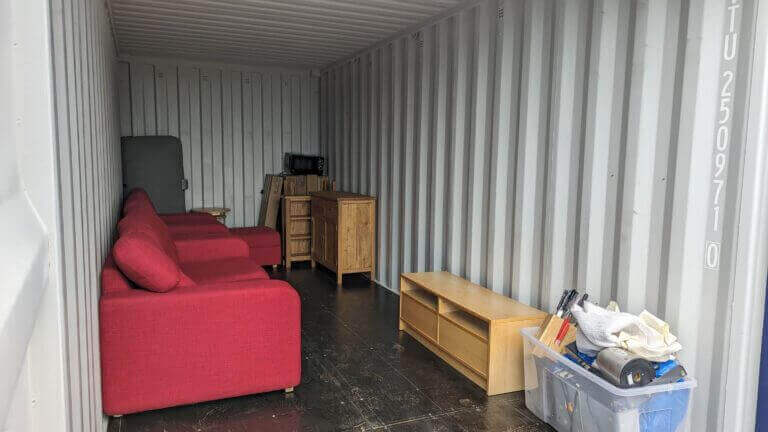
- Cover couches, chairs, and dressers with breathable cloth covers, not plastic, to protect against dust while allowing airflow.
- Stack carefully by keeping furniture pieces upright, never placing heavy boxes on top.
- Use pallets or blankets under furniture to prevent direct contact with the floor and reduce exposure to moisture.
Electronics should be packed in their original boxes. If not, use bubble wrap, foam, or sturdy bins for added protection.
Packing Belongings Safely
Safe packing ensures that belongings stay intact from the moment they are placed in the unit until the day they are retrieved.
- Clothing: Use wardrobe boxes for hanging garments or sealed bins to keep pests and dust away.
- Books and paper records: Pack in smaller boxes to keep weight manageable. Store flat to protect spines.
- Glassware and decorations: Wrap each item in bubble wrap or paper, and fill empty spaces to prevent shifting.
- Electronics: Cushion with foam or padded materials. Avoid stacking heavy items on top.
Pack methodically by grouping similar items and filling containers. This not only saves space but also prevents damage from shifting contents.
Arranging the Storage Unit Layout
How you arrange your storage unit determines how easy it is to access items later. A thoughtful layout transforms the unit into a functional system instead of a chaotic pile.
- Create an aisle: Leave a walkway through the middle or sides for access.
- Stack smartly: Place heavy boxes at the bottom and lighter ones on top.
- Group by category: Keep kitchenware together, furniture in one section, and holiday decorations in another.
- Prioritize access: Store frequently used belongings in the front and less-used items in the back.
- Map the unit: Draw a simple diagram of where boxes, bins, and furniture are placed.
This arrangement keeps everything accessible, tidy, and easy to maintain.
Protecting Against Environmental Issues
Benefits of climate-controlled storage include protection from environmental factors like humidity, mold, dust, and pests, which can damage belongings if not appropriately managed. Safeguarding against these issues ensures long-term preservation.
- Moisture control: Place items on pallets or shelves to keep them off the floor. Use moisture absorbers to reduce humidity.
- Air circulation: Leave space between items and walls to encourage airflow.
- Pest prevention: Avoid storing food. Seal all bins and boxes tightly, and consider pest deterrents.
- Dust and dirt protection: Cover furniture and larger belongings with breathable materials.
At McDowell Mountain Community Storage, our facilities are designed to maintain safe conditions that protect against these environmental risks.
Maintaining Long-Term Organization
Organization is not a one-time project—it requires ongoing attention. A storage unit that starts organized can quickly become disordered without regular maintenance.
- Review belongings every few months to check condition.
- Update the inventory list when adding or removing boxes.
- Clean the unit periodically by sweeping floors, wiping down shelves, and dusting covers.
- Reorganize as necessary to maintain accessibility.
Consistent upkeep ensures your system remains efficient and reliable.
Saving Time, Effort, and Money
An organized storage unit saves more than just space. It also saves time, effort, and money.
- Time: With labels, a map, and a clear layout, you can quickly find what you need.
- Effort: A well-planned system reduces the strain of moving heavy boxes or searching through piles.
- Money: Efficient use of space may allow you to rent a smaller unit, while protecting belongings prevents costly replacements.
By investing a little effort up front, you ensure long-term benefits that make storage truly worthwhile.
Reasons to Choose Our Storage Solutions

At McDowell Mountain Community Storage, we provide more than just space—we provide peace of mind. Our storage facility is designed with customer needs in mind, offering:
- A variety of unit sizes to suit different storage needs
- Clean, secure, and climate-controlled units for sensitive belongings
- Easy access with thoughtful facility layouts
- Professional staff to support your planning and packing process
Whether you’re storing furniture pieces, holiday decorations, kitchenware, or electronics, we help you protect what matters most.
Final Thoughts on Organizing a Storage Unit
Organizing a storage unit is about more than stacking boxes—it’s about creating a system that keeps belongings safe, accessible, and protected. By decluttering, choosing the proper containers, labeling, using shelves, and arranging an innovative layout, you maximize space and ensure peace of mind.
At McDowell Mountain Community Storage, we make storage simple, secure, and stress-free. With the right approach and the right facility, your belongings remain in excellent condition for as long as you need.
Frequently Asked Questions
1. Can I store temperature-sensitive items in my storage unit?
Yes. Climate-controlled units are ideal for temperature-sensitive items like electronics, artwork, essential documents, and musical instruments. These units maintain a stable environment to protect belongings from extreme heat, cold, and humidity.
2. What is the best way to store seasonal clothing or sports equipment?
Use sealed plastic bins or wardrobe boxes to keep clothing dust-free. For sports equipment, store items in labeled bins and use shelving to maximize vertical space. Keep frequently used seasonal items accessible at eye level for convenience.
3. Are there items that should never be stored in a self-storage unit?
Yes. Flammable materials, perishable food, plants, pets, and hazardous chemicals should never be stored. These items can pose safety risks or attract pests. Check with the storage facility for a complete list of prohibited items.
4. How do I protect valuables like jewelry, documents, or electronics long-term?
Store valuables in a secure, climate-controlled unit inside sturdy, labeled containers. Consider waterproof bags or small lockboxes for extra protection. Keep an inventory of these items for insurance purposes.
5. Can I access my storage unit any time, or are there restricted hours?
Access hours vary by facility. Many provide extended or 24-hour access, while others have set opening and closing times. Check with your storage provider to ensure their schedule fits your needs.
6. How do I safely store large items like vehicles, boats, or appliances?
Clean and dry all large items before storage. For vehicles, ensure they are mechanically ready, tires are inflated, and fuel tanks are partially filled. Cover boats and appliances with breathable covers and store them on pallets to prevent moisture damage.
7. What insurance options are available for stored belongings?
Many storage facilities offer tenant insurance or allow you to use existing homeowners’ insurance. Coverage protects against theft, fire, or water damage. Review policy details to ensure your belongings are fully protected.
8. How can I prevent pests from damaging my stored items?
Seal all boxes tightly, avoid storing food, and use plastic bins over cardboard when possible. Consider adding mothballs or pest deterrents, and keep items off the floor using pallets or shelving. Regularly inspect your unit for any signs of pests.
9. Is it better to use pallets, shelves, or floor space for heavy items?
Use a combination: pallets protect items from moisture, shelves maximize vertical space, and floor space is best for very heavy or large items. Place heavier items at the bottom and lighter ones on top to prevent damage.
10. How do I decide what items to donate, sell, or throw away before storing?
Start by decluttering: keep what you use frequently, donate items in good condition that you no longer need, recycle broken or outdated goods, and discard things that can’t be salvaged. Prioritizing this ensures your storage unit only contains meaningful and valuable belongings.