At McDowell Mountain Community Storage, we understand that maximizing the space in a small storage unit can be challenging. Whether you’re storing furniture, seasonal items, documents, or business inventory, taking time to declutter and categorize your belongings before placing them in the unit is essential. By carefully sorting and arranging your things, you can create a system that makes every inch of space functional. Our team works with you to systematize your storage, ensuring that every item has a designated place and nothing gets lost or damaged over time.
We also know that storing something in a small unit requires thoughtfulness, rather than simply piling boxes or containers. With our guidance, you can efficiently arrange and categorize your belongings, declutter unnecessary items, and maximize the benefits of your self storage experience. From labeling boxes to creating accessible pathways, we help you implement strategies that keep your unit tidy, organized, and easy to navigate, regardless of the size or type of items you are storing.
Prioritize Planning Before You Pack
Before placing any items in your storage unit, we recommend taking time to assess your storage needs and review what other storage facilities offer. Consider the size of your unit, the types of belongings you plan to store, and how often you’ll need access. Creating a plan enables us to recommend the ideal storage unit size, shelving options, and packing materials, providing you with a clear understanding of how to maximize your space. Our menu of available unit sizes and features helps you choose the one that fits best. Browsing helpful articles and guides can also provide valuable organization tips.
We also advise creating an account to keep track of your rental, payments, and unit details, and making a comprehensive list of all items, categorizing them by use and priority. Store frequently used items near the front of the unit for easy access, while seasonal or long-term items can go toward the back. With this thoughtful planning, your small storage unit can feel spacious, organized, and easy to navigate, even if it’s only a few hundred square feet.
Use Shelves and Containers to Maximize Space
One of our most effective tips is to utilize shelving and containers whenever possible. In other words, shelves allow you to utilize vertical space, keeping items off the floor where moisture, pests, or mold could become a problem. Clear plastic containers are handy, as they allow you to see your items without opening every box and provide protection against dust and pests. Taking a little bit of extra time to sort your belongings before placing them on shelves makes a big difference in organization and accessibility.
When stacking boxes, we suggest placing heavier items on the bottom and lighter ones on top. Using uniform-sized containers creates a compact and stable stack, which prevents tipping and maximizes every inch of your unit. Considering factors such as item size, fragility, and storage locations within the unit helps ensure that everything is stored efficiently. Our self-storage facility provides all the information and guidance you need to place another layer of boxes safely, maintaining a tidy and well-organized space.
Label Everything Clearly
Labeling is one of the simplest yet most effective ways to stay organized. At McDowell Mountain Community Storage, we encourage customers to label each box or container with its contents clearly. Label the top and sides of each box so you can easily identify items without having to move multiple boxes.
Maintaining an organized labeling system helps anyone accessing the unit—whether it’s you, our team, or a family member—locate what’s needed quickly and efficiently. A well-labeled unit also saves time, reduces the risk of damage from shifting boxes, and ensures your inventory remains easy to manage.
Keep Frequently Used Items Accessible
Accessibility is critical in a small storage unit. We advise placing items you need most often near the front. This approach reduces the time spent moving boxes and keeps your storage experience efficient. Items like seasonal clothing, documents, or appliances you use occasionally should still be easily accessible without unpacking the entire unit.
Creating clear paths in your storage unit and avoiding overpacking the middle can improve access and safety. Our team can advise on layout strategies to optimize space and ensure every inch of your unit is functional.
Store Furniture and Large Items Wisely
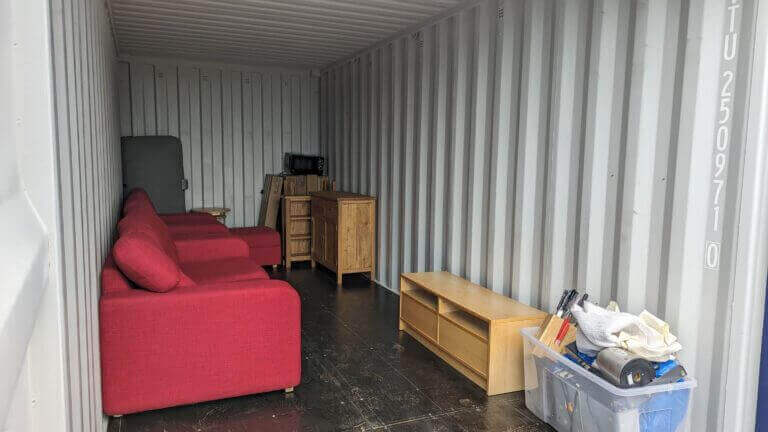
When storing furniture, mattresses, or large appliances, we suggest using proper covers to protect them from dust, weather fluctuations, and pests. Keep mattresses upright and off the floor when possible. If you have multiple pieces of furniture, consider disassembling them to save space and placing protective padding between pieces to avoid scratches or damage.
Using our storage facility’s Storage Tips on shelving and floor layout ensures that even large items fit without creating hazards. By planning the arrangement of bulky goods, you maintain room for smaller boxes and containers, making the unit more organized overall and maximizing every inch of your storage space.
Avoid Storing Perishable or Unsafe Items
One of the key don’ts we emphasize is storing perishable food, plants, or anything that could attract pests. Food can spoil and create mold, while plants may not survive in fluctuating temperatures. Similarly, avoid storing hazardous materials such as flammable liquids, chemicals, or explosives.
Our self-storage units are designed for personal and business belongings, with climate-controlled options available for sensitive items. Following these safety measures protects your items and ensures the storage facility remains secure for everyone.
Protect Documents and Valuables
For important documents, photos, or valuable items, we recommend using waterproof containers and keeping them off the floor. Creating a dedicated container for paperwork, financial records, or sentimental goods allows us to advise you on additional security measures, such as locks or insurance options.
We also suggest maintaining a digital inventory or photo record of your stored belongings. This helps track what’s in your unit, simplifies insurance claims if necessary, and allows you to locate items quickly without having to dig through boxes.
Maximize Vertical Space Without Overloading
Vertical stacking is a key strategy in small storage units, but there’s a delicate balance between maximizing space and maintaining safety. We advise against stacking boxes too high or placing cumbersome items. Using shelving units ensures that even the topmost levels remain stable, accessible, and safe.
Our storage facility offers guidance on load distribution and space utilization, ensuring that every shelf and container serves its intended purpose without compromising the integrity of your items or unit structure.
Keep an Organized Layout With Zones
Creating zones within your unit can significantly improve organization. At McDowell Mountain Community Storage, we recommend dividing the unit into separate areas for different categories, including clothing, seasonal items, documents, appliances, and business inventory.
Zoning prevents mixing items, reduces the time spent searching, and keeps your storage unit organized and tidy. Use bins, containers, or even temporary dividers to keep categories separate, ensuring a neat system that maximizes efficiency.
Implement a Tidy Packing Strategy
Packing efficiently starts with selecting the right boxes and containers. We suggest using sturdy, uniform-sized boxes that fit together well. Avoid overpacking boxes to prevent damage. Cushion fragile items with padding or materials like bubble wrap or towels.
When placing boxes in the unit, consider stacking by size and weight. Heavy items should be placed at the bottom, and lighter, less dense items should be placed on top. This approach prevents crushing, optimizes storage space, and maintains the safety of all your belongings.
Don’t Overcrowd or Block Access
A common mistake we see is overfilling a storage unit to the point that access is blocked. While it’s tempting to maximize every inch of space, overcrowding reduces accessibility and increases the risk of damage or injury.
Leave walkways and space to maneuver, especially if you plan to visit the unit frequently. Our team can help you identify layout strategies that strike a balance between capacity and accessibility, ensuring you can retrieve items with ease.
Use Climate-Controlled Options When Needed
Certain items, such as electronics, wooden furniture, or sensitive documents, benefit from climate-controlled storage. We offer units with temperature and humidity control to protect items from mold, weather, and other forms of deterioration.
Choosing the right self-storage unit for your contents prevents long-term damage and ensures your items remain in the same condition as when you stored them. Our customer service team can help you find the ideal unit type and features that match your storage needs.
Maintain Security Measures
Security is a top priority for us. Our facility features gated access, surveillance cameras, and secure locks to protect your belongings. When storing valuable or sensitive items, consider additional personal locks or insurance for peace of mind.
Regularly reviewing your security measures and understanding the options available at our facility ensures that your storage experience is safe, convenient, and worry-free.
Keep an Updated Inventory
Maintaining an inventory of everything in your storage unit allows you to track items and plan for future storage needs. We encourage customers to note the contents of each box, its location within the unit, and the date it was stored.
An up-to-date inventory also helps with insurance claims, unit cleanouts, and planning for future storage needs. Digital tools or simple spreadsheets can streamline the inventory process, making it easy to manage even a small unit efficiently.
Label Boxes by Priority
In addition to labeling contents, we advise noting the priority of items on each box. Using labels such as “frequent access,” “seasonal,“ or “long-term storage“ helps us plan the layout and ensures that items are easily accessible when needed.
This method keeps your storage system organized, reduces unnecessary movement of boxes, and allows you to optimize the storage space in your unit.
Avoid Storing Damaged or Moldy Items
Before placing anything in a unit, check for damage, pests, or mold. Storing compromised items can harm other belongings and reduce storage efficiency. Cleaning, drying, and repairing items before storage ensures they remain in good condition and do not negatively impact other contents. Following our advice on item preparation helps you systemize your unit from the start, creating a safer and more organized storage environment.
We also recommend periodically inspecting your unit to catch any potential issues early, especially if you plan to store items for long periods. Regular check-ins allow you to adjust your organization strategy and keep your storage unit fully systemized for maximum efficiency.
Utilize All Available Storage Options
Our facility provides a variety of unit sizes and storage solutions. Using the appropriate size prevents overcrowding and ensures optimal use of space. Whether you need small units for documents or large units for furniture and appliances, we help you find options that match your budget, storage needs, and accessibility requirements.
Additionally, accessories like shelving units, protective covers, and specialized containers help optimize space and maintain organization. Our team can advise on the best combination for your unique storage situation.
Make Regular Visits to Stay Organized
Even with the best planning, small storage units require occasional maintenance. We suggest visiting your unit periodically to check for damaged items, reorganize boxes, and ensure the layout still meets your needs.
Regular visits also allow you to update your inventory, assess storage strategies, and address any potential security or accessibility concerns. Staying proactive keeps your storage unit efficient and clutter-free.
Choose the Right Facility Location
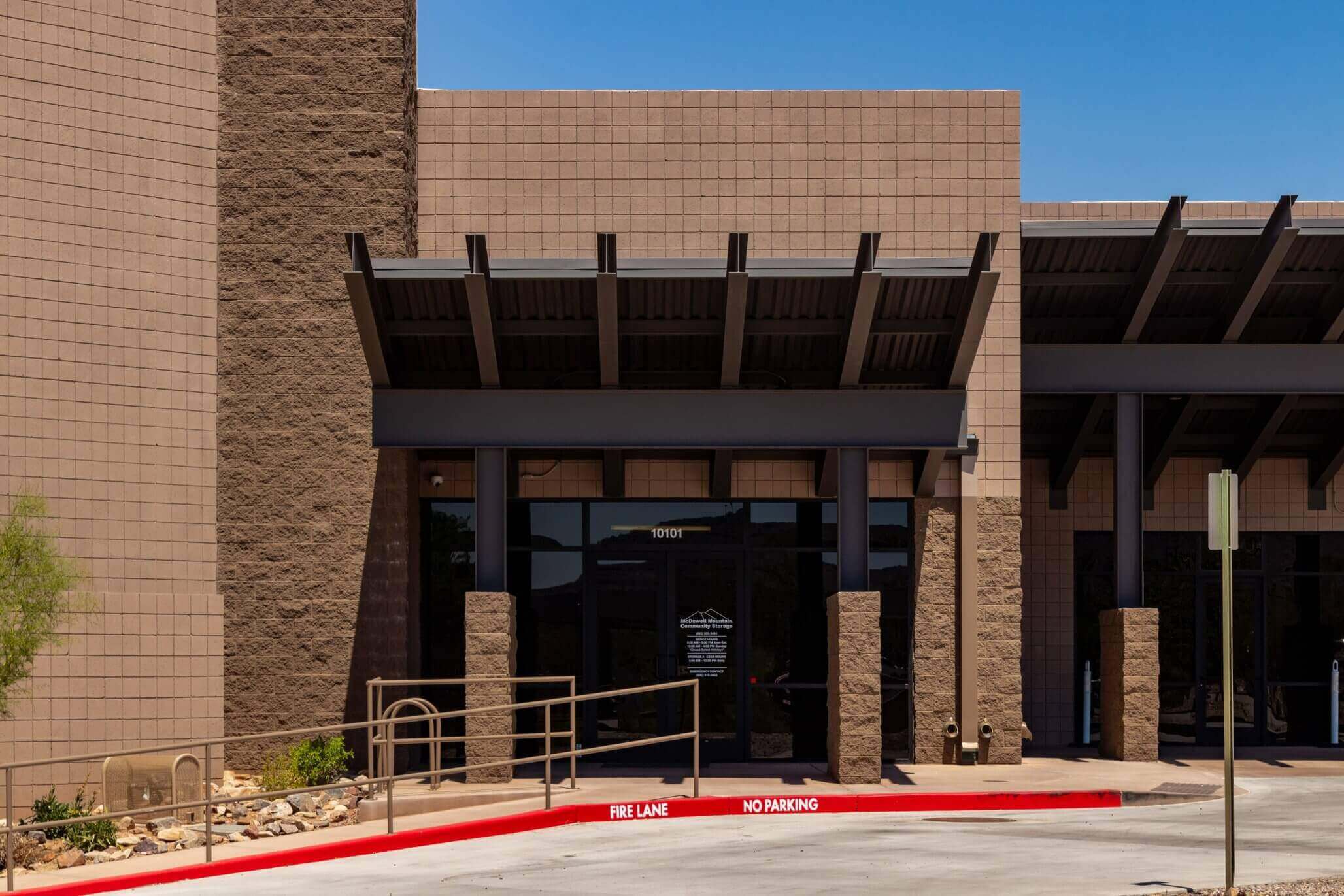
Location matters. Choosing a self-storage facility close to your home or business increases convenience, accessibility, and reduces travel time. At McDowell Mountain Community Storage, we prioritize customer accessibility by offering a location that is easily accessible and well-organized to meet all your storage needs.
An ideal location paired with professional customer service ensures your storage experience is smooth, secure, and reliable.
Take Advantage of Promotions and Services
We offer a variety of services, promotions, and storage solutions to enhance your experience. From flexible rental rates to additional security features, our team is here to help you maximize your storage space while staying within your budget.
Staying informed about available options enables you to adjust your storage strategy, expand your unit size as needed, and maintain an organized and efficient storage system.
Conclusion: Organized Storage is Achievable with Planning and Strategy
At McDowell Mountain Community Storage, even a small storage unit can be functional, tidy, and efficient when approached strategically. By planning, using shelving and containers, labeling items, maintaining accessibility, and adhering to our storage dos and don’ts, you can optimize every inch of your unit.
Our self-storage facility offers the tools, guidance, and services to make storage simple and stress-free. Whether you’re storing personal belongings, business inventory, or seasonal goods, following these tips ensures your storage experience is organized, safe, and tailored to your needs. With the right strategy, any small storage unit can feel spacious, manageable, and perfectly suited to your life.
Frequently Asked Questions
Can I store items directly on the floor of my storage unit?
While you can, we recommend using shelves or pallets to keep items off the floor, thereby avoiding moisture, pests, and mold damage. Proper elevation also makes your unit more straightforward to navigate.
How do I decide which items to place at the front versus the back of my unit?
Frequently accessed items, such as seasonal clothing, documents, or appliances, should be placed near the front. Long-term storage or bulky items are best toward the back for efficiency and accessibility.
What is the best way to protect fragile items in a small storage unit?
Use sturdy boxes with padding such as bubble wrap, towels, or foam. Clearly label fragile boxes and place them on top of heavier boxes to avoid crushing.
Is it necessary to use climate-controlled storage for small units?
It depends on the items. Electronics, wooden furniture, important documents, and photos benefit from climate-controlled units to prevent damage from temperature and humidity fluctuations.
How often should I visit my storage unit to maintain organization?
Periodic visits every few months are recommended. This allows you to check for damage, adjust the layout, update your inventory, and maintain accessibility.
Can I use mismatched boxes and containers in a small storage unit?
You can, but uniform-sized boxes are more space-efficient and stack safely. Clear containers also allow you to quickly identify contents without unpacking.
How should I store furniture, such as mattresses or large appliances, to prevent damage?
Keep mattresses upright, disassemble larger furniture if possible, and use protective covers to prevent damage. Place heavy items at the bottom and lighter items on top to prevent damage.
Are there any items I should never store in a self-storage unit?
Yes. Avoid perishable food, plants, hazardous materials, chemicals, or anything that could attract pests or create safety hazards.
What is the safest way to stack boxes in a small storage unit?
Stack heavier boxes at the bottom and lighter boxes on top. Consider shelving for vertical space and stability. Always leave walkways for easy access.
How can I create an efficient labeling and inventory system?
Label boxes on the top and sides with contents and priority (frequent access, seasonal, long-term). Maintain a digital or written inventory with detailed locations and dates to locate items and manage space effectively.