At McDowell Mountain Community Storage, we understand that your storage unit is more than just a space—it’s a sanctuary for your belongings. Whether you are storing furniture, electronics, seasonal items, or essential documents, proper maintenance ensures they remain safe, organized, and in excellent condition. By paying attention to ventilation, keeping a checklist of your belongings, and thoughtfully arranging every area and room in your unit, we help ensure nothing is overlooked. Even moving something delicate or valuable can require extra care, and we provide guidance to ensure every item is stored in a way that protects it from damage, moisture, pests, and dust.
With a combination of preparation, proactive care, and innovative organization, we help our customers make the most of their self-storage units. From labeling boxes and containers to planning the unit’s layout so every piece of furniture, equipment, or document has its place, we focus on maximizing both accessibility and space. Whether it’s a lot of holiday decorations, fragile electronics, or everyday belongings, following a practical checklist allows us to maintain the condition of all stored items, ensuring peace of mind and long-term protection for everything entrusted to us.
Keep Your Storage Unit Clean and Free of Debris
Maintaining a clean environment in your self-storage unit is the foundation for protecting your belongings. We recommend routinely removing dust, dirt, and debris from floors, shelves, and shelving units. Items stored directly on the floor are more susceptible to moisture damage, leaks, and pests, so using pallets or raised shelving is a simple solution to create airflow and prevent direct contact with the surface. A clean unit not only preserves the condition of your furniture, boxes, appliances, and even a car stored in vehicle storage areas but also enhances accessibility, making it easier to locate everything efficiently. Keeping labels on boxes, bins, and containers up to date provides critical information about the contents, so you can move items safely and avoid unnecessary handling.
Using proper cleaning supplies—brooms, dusters, microfiber cloths, and mild cleaning agents—can remove dirt without damaging sensitive items such as electronics, artwork, glassware, or clothes. We also advise sweeping the aisles and corners regularly to prevent dust and mold from accumulating, which can compromise storage space and affect the overall environment in your unit. For the same reason, maintaining cleanliness and organization gives you the advantage of quickly retrieving something you need, whether it’s a phone, documents, or other essential belongings.
Organize Your Items Strategically for Maximum Efficiency
Proper organization is key to maintaining a functional and safe storage unit. We always recommend grouping items logically and labeling boxes and storage containers clearly. This practice ensures that your contents are easily accessible and prevents unnecessary handling that could lead to damage.
When placing boxes and storage bins, heavier items should be on the bottom, while fragile or lighter items should be on top. This not only protects delicate belongings like glassware, artwork, and electronics but also prevents boxes from collapsing under weight. Shelving units are invaluable for keeping your storage space orderly, allowing you to store a variety of items while keeping the unit clutter-free.
We also encourage creating an inventory list of all items, including clothing, documents, appliances, and equipment, to maintain an overview of what’s in your self-storage unit. This simple step enhances both organization and peace of mind.
Protect Your Belongings From Moisture and Humidity
One of the most common causes of damage in storage units is moisture. Water, high humidity, and leaks can lead to mold, mildew, and warping of wood, furniture, and documents. At our facilities, climate control options are available for units of different sizes. They are designed to state-of-the-art standards, providing consistent temperature and humidity levels to protect sensitive items such as electronics, computers, paper, and clothing. For those looking for the right spots to store delicate items or seasonal belongings, we provide guidance to ensure everything is stored safely and efficiently.
We recommend storing items in moisture-resistant containers or sealed storage bins, particularly those containing clothing, books, or holiday decorations. Placing silica gel packets or moisture absorbers inside boxes can further prevent mold and mildew growth. Following our storage guide and regularly inspecting the condition of your unit for leaks or water accumulation on the floor are crucial steps to protect your belongings from irreversible damage.
Implement Pest Prevention Measures
Pests such as rodents and insects pose a significant threat to stored items. Boxes, storage containers, furniture, and even electronics can be compromised if pests gain access. We advise sealing boxes tightly with tape and using plastic storage bins wherever possible. Elevating items off the floor and keeping the unit clean discourages pests from settling in.
We also recommend periodic checks for signs of pest activity. If you notice any droppings or damage, taking prompt action is critical to protect the contents of your storage unit. Our facilities implement robust pest control measures to safeguard all units, giving our customers confidence that their belongings remain secure.
Use Proper Packing Materials to Avoid Damage
The right packing materials can make a significant difference in preserving the condition of your items. We advise using sturdy boxes, bubble wrap, packing paper, and tape to protect fragile items such as glassware, artwork, and electronics. For clothing, vacuum-sealed bags or wardrobe boxes can save space and reduce exposure to dust and moisture.
Labeling each box clearly with its contents ensures that everything is easy to locate without unnecessary searching. Using uniform-sized boxes wherever possible allows for more efficient stacking and better use of shelving units, further enhancing the organization and safety of your storage space.
Prioritize Accessibility and Efficient Layout
Accessibility is an often-overlooked aspect of storage unit maintenance. We recommend placing frequently used items near the front of your unit for easy access. Seasonal items, such as holiday decorations, camping gear, or skis, can be stored at the back, while less frequently accessed belongings occupy the top shelves or deeper areas.
Creating clear aisles within your unit ensures that all items are reachable without having to move multiple boxes or furniture. This layout not only protects your belongings from unnecessary handling and potential damage but also provides a safer environment when using equipment, moving vehicles, or accessing larger items.
Regularly Inspect the Condition of Your Storage Unit
Maintaining a routine inspection schedule is one of the most effective ways to ensure the ongoing safety of your storage unit. We recommend checking the unit at least once a month to examine boxes, furniture, appliances, and electronics for signs of wear, damage, or pest activity.
This proactive approach allows us to identify potential issues early, such as water leaks, mold, or humidity-related damage, and take corrective steps immediately. Regular inspections also allow us to rotate items if needed, ensuring that the condition of all belongings remains optimal over time.
Protect Fragile and Valuable Items
Special care is required for fragile and high-value items. When safely storing fragile items in a storage unit, it’s important to wrap glassware, artwork, electronics, and collectibles in protective materials and place them in sturdy storage containers. Items like computers, phones, and delicate appliances should be kept off the floor and away from areas prone to moisture or dirt.
For additional security, some customers choose to store documents, jewelry, or sensitive equipment in a climate-controlled unit with enhanced locks. This dual strategy—physical protection and controlled environment—provides maximum safeguarding for the most valuable belongings.
Maintain Furniture and Large Equipment
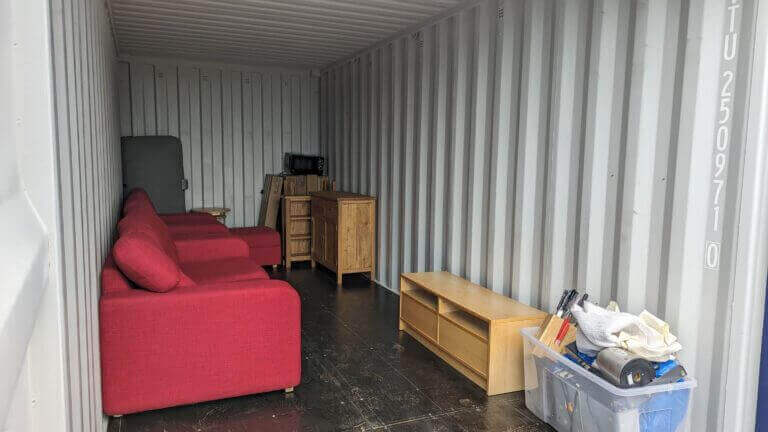
When storing furniture, tables, chairs, desks, or large appliances like washers, dryers, and refrigerators, we encourage proper preparation to maintain their condition. Cleaning surfaces, removing liquids from refrigerators, and disassembling larger pieces help prevent damage.
Placing furniture on elevated pallets or shelving units reduces contact with moisture on the floor, and covering items with breathable materials prevents dust accumulation while avoiding mold buildup. For large equipment like vehicles, RVs, or cars, using appropriate storage options, covering the surface, and maintaining fluid levels help ensure everything remains in good condition throughout storage.
Plan Your Storage Unit Layout With a Strategy
A well-thought-out strategy transforms your storage unit into an organized and accessible space. We encourage our customers to plan the unit layout based on the frequency of access, the weight of boxes, and the fragility of items. Heavier items and bins go on the bottom or on sturdy shelving units, while lighter, fragile items go on top.
Using labeling systems, color-coded tape, and clear signage for each section makes it easy to identify items. Creating zones for clothing, electronics, documents, furniture, holiday decorations, and miscellaneous supplies minimizes confusion and keeps your self-storage unit orderly.
Rotate and Declutter Items Periodically
Even the most organized unit benefits from occasional rotation and decluttering. We recommend reviewing stored items every few months to assess whether anything can be donated, discarded, or reorganized.
This process prevents overcrowding, keeps dust and dirt from accumulating, and ensures that frequently used belongings remain accessible. Rotating items also allows us to inspect the condition of boxes and containers, ensuring that nothing suffers unnoticed damage over time.
Secure Your Storage Unit Effectively

At McDowell Mountain Community Storage, we prioritize security, and we take it very seriously. We use high-quality locks, maintain a well-lit and well-monitored facility, and implement access control measures to protect your belongings.
We also encourage maintaining insurance coverage for high-value items and electronics to provide an extra layer of protection. By combining physical security, climate control, and regular maintenance, we make sure every storage unit under our care is a safe, reliable solution for all types of belongings.
Keep Electronics and Sensitive Items Safe
Electronics, computers, phones, and appliances are susceptible to environmental changes. When storing electronics in a storage unit, it’s best to choose a climate-controlled space, use original packaging or protective storage bins, and keep items away from moisture-prone areas.
Using anti-static materials, bubble wrap, or padded storage containers reduces the risk of damage, while labeling cords and components ensures everything is ready for easy setup when retrieved. Careful handling and proper storage methods help keep electronics functional, secure, and well-protected throughout their time in storage.
Maintain an Up-to-Date Inventory
An accurate inventory is one of the best tools for managing storage units. We encourage our customers to maintain a detailed list of all items, including their location within the unit, condition, and special handling instructions.
This practice not only improves organization but also protects against loss or damage. In the event of an insurance claim, a thorough inventory provides critical documentation for your belongings. Keeping an updated inventory is a simple step that maximizes peace of mind and enhances overall storage efficiency.
Use the Right Storage Containers and Bins
Choosing the correct storage containers and bins is vital for protection and organization. We recommend plastic storage bins for moisture-sensitive items and cardboard boxes for lightweight, non-fragile items. Clearly labeled containers with tight-fitting lids prevent dust, pests, and accidental spills, keeping the contents safe and in excellent condition.
For specialized storage, consider using shelving units, wardrobe boxes, or stackable bins to optimize vertical space. The combination of proper containers, labeling, and shelving creates a reliable system for managing all types of belongings.
Conclusion: Maintain Storage Units With Care and Strategy
At McDowell Mountain Community Storage, we understand that proper storage unit maintenance is the key to protecting your belongings, from furniture and electronics to clothing and holiday decorations. By keeping your unit clean, organized, and secure; using proper packing materials; monitoring for pests and moisture; and maintaining an up-to-date inventory, you can maximize the safety and longevity of your possessions.
Our approach combines strategy, preparation, and regular care to ensure that every storage space meets your needs efficiently. With careful attention to detail, thoughtful organization, and the right supplies, our customers enjoy peace of mind knowing that their belongings are protected, accessible, and well-maintained in every self storage unit.
Frequently Asked Questions (FAQs)
1. Can Hazardous Materials Be Stored in a Storage Unit?
Flammable, corrosive, or hazardous chemicals should not be stored in a storage unit, as they pose safety risks to other items and units. Proper handling and alternative storage options are recommended.
2. How Should Valuable Documents Be Stored Long-Term?
Essential documents should be kept in waterproof and fire-resistant containers with clear labels. Climate-controlled units provide added protection against humidity, temperature changes, and environmental damage.
3. Is It Safe to Store Appliances Like Refrigerators or Washers?
Yes, appliances can be stored if they are cleaned, dried, and disassembled when possible. Elevating them off the floor and covering surfaces prevents moisture, dust, and potential damage.
4. How Can Space Be Maximized in a Small Storage Unit?
Using uniform-sized boxes, stackable storage bins, and shelving units optimizes vertical space. Clearly labeling items and strategically organizing them allows efficient access without overcrowding.
5. What Items Require Climate-Controlled Units?
Electronics, computers, phones, artwork, antiques, and sensitive paper documents benefit most from climate control. It protects against mold, humidity, and temperature fluctuations.
6. Can a Vehicle or Car Be Stored in a Storage Unit?
Yes, specific units are designed for vehicle storage. Preparing the vehicle by covering it, maintaining fluid levels, and selecting a dry, clean area helps preserve its condition.
7. How Often Should a Storage Unit Be Inspected?
Monthly inspections are recommended to check for leaks, moisture, dust, pests, or damage to boxes, furniture, or electronics. Early detection prevents long-term damage.
8. What Materials Are Best for Packing Fragile Items?
Bubble wrap, packing paper, sturdy boxes, and plastic storage containers protect glassware, artwork, electronics, and delicate appliances. Labels on each box make retrieval safer and easier.
9. How Can Pests Be Prevented From Entering a Unit?
Sealed boxes, plastic storage containers, elevating items off the floor, and maintaining cleanliness reduce the risk of pest activity. Regular checks help ensure continued protection.
10. Is Maintaining an Inventory Important?
Yes, a detailed inventory listing the location, description, and condition of items provides peace of mind, simplifies retrieval, and supports insurance claims if necessary.