Organize Your Storage: Group, Label, Protect, and Maximize Space

Storing belongings in a storage unit is one of the most practical ways to free up room at home, protect valuable items, and simplify life. But without proper order and strategy, a storage unit can quickly become cluttered, stressful, and hide what you need, putting your belongings at risk of damage. At McDowell Mountain Community Storage, organizing your storage unit neat ensures easy access to everything while maximizing available height and space.  

This guide provides clear steps, tips, and ideas to efficiently sort your items, optimize your storage units, and create a systematic approach that maximizes every inch. With careful planning, smart packing, and strategic layout, you can transform your storage unit into an organized, tidy system that protects your belongings for the long term.

Planning the Storage Process

The process begins with a solid plan. Before moving items into a unit, consider what you need to store, the condition of each piece, and the space required. A well-thought-out plan helps you avoid last-minute stress and prevents problems such as damaged boxes, poor access, or wasted space.

Start with a list of all belongings you plan to store—furniture pieces, boxes of books, electronics, seasonal clothing, decorations, and kitchenware. Use an inventory list to keep track of everything. Once your list is ready, map out the layout of the unit. Consider where shelving units, large furniture, and containers will go.

Planning also allows you to determine the correct unit size. A small unit may work for boxes and bins, while a larger space is better for couches, tables, bed frames, and vehicles. Knowing this upfront ensures that you choose a storage facility that matches your needs.

Decluttering Before Packing

Decluttering is the first physical step in the storage process. Use a straightforward method and the right tools to go through every item by hand, categorizing it into four groups: keep, donate, recycle, or discard. This approach ensures your self-storage unit has plenty of free space, keeps the area organized, and turns the idea of decluttering into a manageable, efficient process. 

Why is this step so important? Because the fewer unnecessary things you store, the more you save on space, effort, and money. For example:

  • Old books, damaged paper records, or broken furniture may not be worth the cost of storage.
  • Duplicate kitchenware or unused electronics can be donated to someone in need.
  • Outdated decorations or clothing may be recycled or discarded.

By sorting belongings before packing, you prevent clutter from following you into the unit and ensure that everything stored truly matters.

Choosing the Right Storage Containers

Once you know what you’ll be storing, it’s time to make a decision and select the proper containers. Not all boxes are created equal, and choosing between bins, cardboard boxes, and specialty containers can provide the perfect solution for each category of items. Picking the right spot for your containers gives you a confident feeling that your belongings will fit safely—almost like finding the right vehicle for every load. Plastic bins with lids: Durable, stackable, and resistant to moisture and pests. Ideal for long-term storage.

  • Cardboard boxes: Affordable and easy to stack, but best for short-term use. They should be kept off the floor to avoid dirt or moisture damage.
  • Specialty containers: Wardrobe boxes for clothing, dish packs for glassware, and padded cartons for electronics provide extra protection.

Always declutter and categorize your items, then use bubble wrap, packing paper, or bags for cushioning. These supplies prevent scratches, dents, and broken glassware. Each container should fit its contents snugly without leaving empty spaces where items can shift.

Labeling for Easy Identification

A well-organized storage system requires clear labeling. Without it, even the tidiest storage unit becomes a guessing game.

Use bold markers or printed labels to mark each box with its contents and category (e.g., “Books – Office,” “Clothing – Winter,” or “Holiday Decorations – Fragile”). Label both the top and front of each box so that identification is easy, even when stacked.

Organize and label stored boxes properly to maximize efficiency, and maintain a master inventory list—digital or paper—that matches your labeling system. Include box numbers, a brief description of contents, and the box’s location in the unit (front, back, or shelf). This approach eliminates the need to open boxes when searching for something.

Maximizing Storage Space with Shelving

Shelving is one of the best ways to maximize storage space. Instead of stacking boxes directly on the floor, use shelving units to build vertical organization.

  • Place heavier bins, such as books or equipment, on lower shelves.
  • Store frequently used items at eye level for quick access.
  • Keep lighter or seasonal belongings, such as decorations or towels, on upper shelves.

Shelving protects boxes from dirt, dust, and moisture on the floor while keeping your layout tidy. Adjustable shelving allows for flexibility as box sizes and storage needs change over time.

Protecting Furniture and Large Items

Furniture pieces and large belongings require special care to remain in good condition. The proper preparation ensures they last through long-term storage.

  • Disassemble furniture such as bed frames, tables, and shelving units. Keep screws and small parts in labeled bags taped securely to the corresponding item.
  • Cover couches, chairs, and dressers with breathable cloth covers, not plastic, to protect against dust while allowing airflow.
  • Stack carefully by keeping furniture pieces upright, never placing heavy boxes on top.
  • Use pallets or blankets under furniture to prevent direct contact with the floor and reduce exposure to moisture.

Electronics should be packed in their original boxes. If not, use bubble wrap, foam, or sturdy bins for added protection.

Packing Belongings Safely

Safe packing ensures that belongings stay intact from the moment they are placed in the unit until the day they are retrieved.

  • Clothing: Use wardrobe boxes for hanging garments or sealed bins to keep pests and dust away.
  • Books and paper records: Pack in smaller boxes to keep weight manageable. Store flat to protect spines.
  • Glassware and decorations: Wrap each item in bubble wrap or paper, and fill empty spaces to prevent shifting.
  • Electronics: Cushion with foam or padded materials. Avoid stacking heavy items on top.

Pack methodically by grouping similar items and filling containers. This not only saves space but also prevents damage from shifting contents.

Arranging the Storage Unit Layout

How you arrange your storage unit determines how easy it is to access items later. A thoughtful layout transforms the unit into a functional system instead of a chaotic pile.

  • Create an aisle: Leave a walkway through the middle or sides for access.
  • Stack smartly: Place heavy boxes at the bottom and lighter ones on top.
  • Group by category: Keep kitchenware together, furniture in one section, and holiday decorations in another.
  • Prioritize access: Store frequently used belongings in the front and less-used items in the back.
  • Map the unit: Draw a simple diagram of where boxes, bins, and furniture are placed.

This arrangement keeps everything accessible, tidy, and easy to maintain.

Protecting Against Environmental Issues

Benefits of climate-controlled storage include protection from environmental factors like humidity, mold, dust, and pests, which can damage belongings if not appropriately managed. Safeguarding against these issues ensures long-term preservation.

  • Moisture control: Place items on pallets or shelves to keep them off the floor. Use moisture absorbers to reduce humidity.
  • Air circulation: Leave space between items and walls to encourage airflow.
  • Pest prevention: Avoid storing food. Seal all bins and boxes tightly, and consider pest deterrents.
  • Dust and dirt protection: Cover furniture and larger belongings with breathable materials.

At McDowell Mountain Community Storage, our facilities are designed to maintain safe conditions that protect against these environmental risks.

Maintaining Long-Term Organization

Organization is not a one-time project—it requires ongoing attention. A storage unit that starts organized can quickly become disordered without regular maintenance.

  • Review belongings every few months to check condition.
  • Update the inventory list when adding or removing boxes.
  • Clean the unit periodically by sweeping floors, wiping down shelves, and dusting covers.
  • Reorganize as necessary to maintain accessibility.

Consistent upkeep ensures your system remains efficient and reliable.

Saving Time, Effort, and Money

An organized storage unit saves more than just space. It also saves time, effort, and money.

  • Time: With labels, a map, and a clear layout, you can quickly find what you need.
  • Effort: A well-planned system reduces the strain of moving heavy boxes or searching through piles.
  • Money: Efficient use of space may allow you to rent a smaller unit, while protecting belongings prevents costly replacements.

By investing a little effort up front, you ensure long-term benefits that make storage truly worthwhile.

Reasons to Choose Our Storage Solutions 

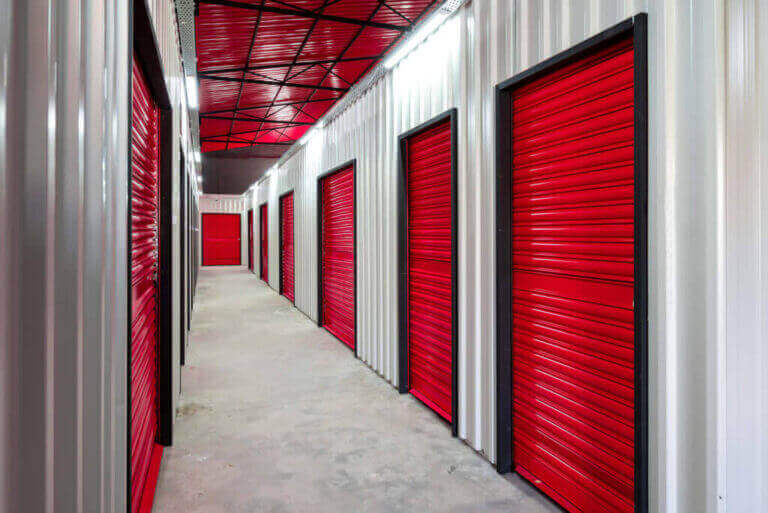
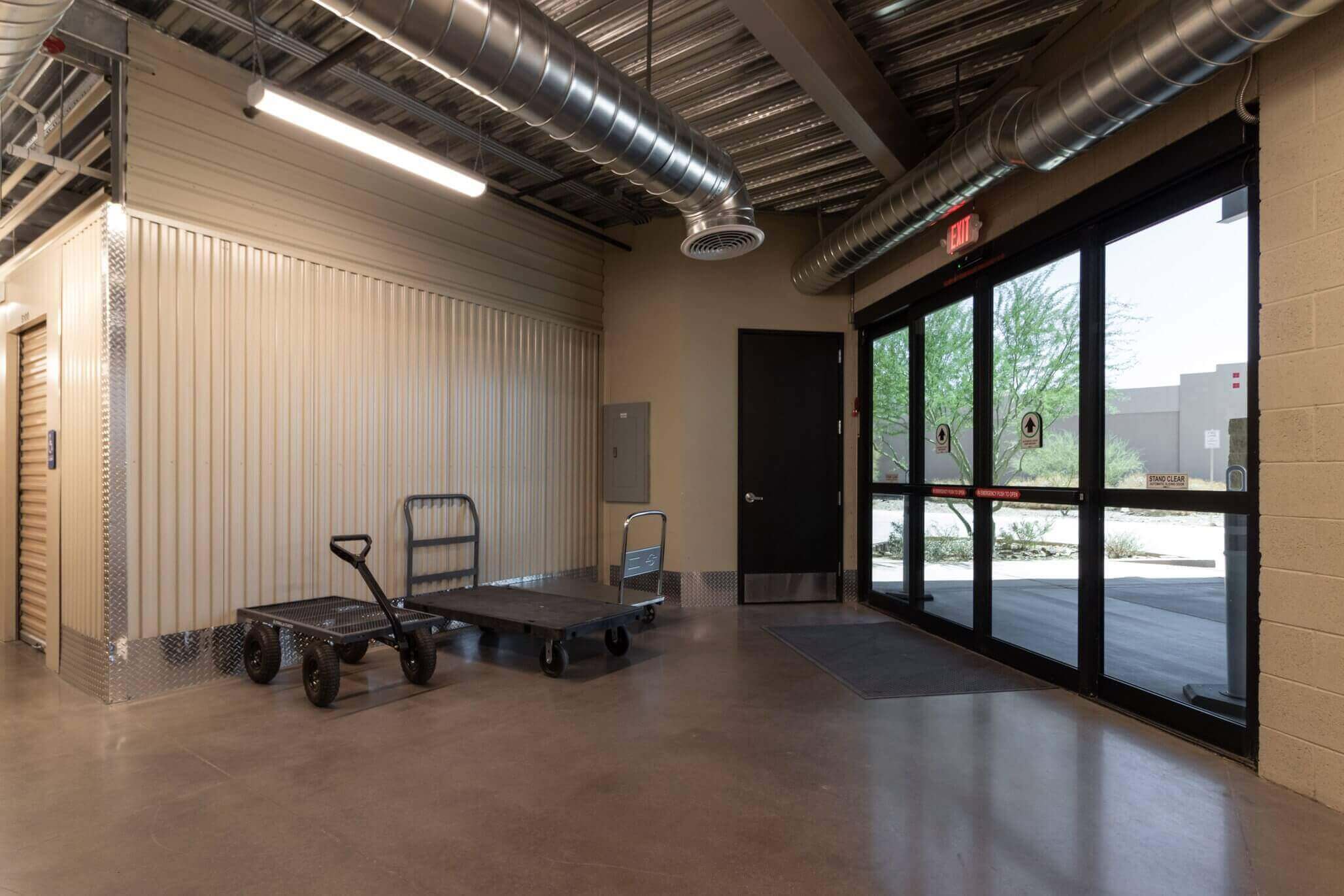
Step by step guide on how to organize a storage unit at McDowell Mountain Community Storage in Scottsdale Arizona
Learn how to declutter categorize and label boxes to maximize space at McDowell Mountain Community Storage in Scottsdale Arizona

At McDowell Mountain Community Storage, we provide more than just space—we provide peace of mind. Our storage facility is designed with customer needs in mind, offering:

  • A variety of unit sizes to suit different storage needs
  • Clean, secure, and climate-controlled units for sensitive belongings
  • Easy access with thoughtful facility layouts
  • Professional staff to support your planning and packing process

Whether you’re storing furniture pieces, holiday decorations, kitchenware, or electronics, we help you protect what matters most.

Final Thoughts on Organizing a Storage Unit

Organizing a storage unit is about more than stacking boxes—it’s about creating a system that keeps belongings safe, accessible, and protected. By decluttering, choosing the proper containers, labeling, using shelves, and arranging an innovative layout, you maximize space and ensure peace of mind.

At McDowell Mountain Community Storage, we make storage simple, secure, and stress-free. With the right approach and the right facility, your belongings remain in excellent condition for as long as you need.

Frequently Asked Questions

1. Can I store temperature-sensitive items in my storage unit?

Yes. Climate-controlled units are ideal for temperature-sensitive items like electronics, artwork, essential documents, and musical instruments. These units maintain a stable environment to protect belongings from extreme heat, cold, and humidity.

2. What is the best way to store seasonal clothing or sports equipment?

Use sealed plastic bins or wardrobe boxes to keep clothing dust-free. For sports equipment, store items in labeled bins and use shelving to maximize vertical space. Keep frequently used seasonal items accessible at eye level for convenience.

3. Are there items that should never be stored in a self-storage unit?

Yes. Flammable materials, perishable food, plants, pets, and hazardous chemicals should never be stored. These items can pose safety risks or attract pests. Check with the storage facility for a complete list of prohibited items.

4. How do I protect valuables like jewelry, documents, or electronics long-term?

Store valuables in a secure, climate-controlled unit inside sturdy, labeled containers. Consider waterproof bags or small lockboxes for extra protection. Keep an inventory of these items for insurance purposes.

5. Can I access my storage unit any time, or are there restricted hours?

Access hours vary by facility. Many provide extended or 24-hour access, while others have set opening and closing times. Check with your storage provider to ensure their schedule fits your needs.

6. How do I safely store large items like vehicles, boats, or appliances?

Clean and dry all large items before storage. For vehicles, ensure they are mechanically ready, tires are inflated, and fuel tanks are partially filled. Cover boats and appliances with breathable covers and store them on pallets to prevent moisture damage.

7. What insurance options are available for stored belongings?

Many storage facilities offer tenant insurance or allow you to use existing homeowners’ insurance. Coverage protects against theft, fire, or water damage. Review policy details to ensure your belongings are fully protected.

8. How can I prevent pests from damaging my stored items?

Seal all boxes tightly, avoid storing food, and use plastic bins over cardboard when possible. Consider adding mothballs or pest deterrents, and keep items off the floor using pallets or shelving. Regularly inspect your unit for any signs of pests.

9. Is it better to use pallets, shelves, or floor space for heavy items?

Use a combination: pallets protect items from moisture, shelves maximize vertical space, and floor space is best for very heavy or large items. Place heavier items at the bottom and lighter ones on top to prevent damage.

10. How do I decide what items to donate, sell, or throw away before storing?

Start by decluttering: keep what you use frequently, donate items in good condition that you no longer need, recycle broken or outdated goods, and discard things that can’t be salvaged. Prioritizing this ensures your storage unit only contains meaningful and valuable belongings.
Make the Most of Your Storage Space

Whether you’re downsizing, moving, decluttering, or needing more room at home, using a storage unit can bring peace of mind and organization to your life. Whether you’re storing a lot or just a few things, taking proper care during the packing process is essential to protect your belongings. But packing a storage unit properly—without damaging your items or losing track of your inventory—requires thoughtful steps, especially for beginners.

Choosing the right storage facility plays a significant role in your overall experience. From climate-controlled options to convenient access, there’s a right way to ensure your possessions are safe and well-preserved. For example, if you’re storing delicate items or electronics, finding a facility that supports a stable environment is crucial.

At McDowell Mountain Community Storage, efficient and secure self storage starts with a well-planned packing strategy. This detailed, step-by-step guide will help you master the art of organizing, stacking, labeling, and protecting your items, ensuring a smooth and stress-free storage journey.

Step 1: Start with a Clear Plan

Jumping into packing without a strategy is a recipe for chaos. Before you even open a box of tape or pull out a tarp, it’s essential to plan. Proper preparation helps you determine the types of items you’ll be storing—whether it’s mattresses, towels, dishes, or bulky equipment—and the amount of space you’ll need. Take a look at the walls of your unit to determine the maximum height you can safely stack items, and consider using at least one sturdy container for smaller essentials. If you’re storing liquids or appliances, don’t forget to account for items like tanks, which require special handling and positioning. 

Make an Inventory List

Walk through your home or business and make a list of items you plan to store. This might include:

  • Furniture (couches, tables, shelving)
  • Appliances (refrigerators, microwaves)
  • Electronics
  • Books, photos, documents
  • Clothing and blankets
  • Seasonal gear and tools

Group the inventory by category and estimate the amount of space you’ll need.

Choose the Right Storage Unit Size

Use your list to determine the best-size storage unit for your needs. Most facilities, including McDowell Mountain Community Storage, offer a variety of unit sizes to suit your needs—from small lockers to complete garage-sized units. Whether you’re storing a personal item, a vehicle, or everyday household goods, matching your storage needs to the right area is crucial.

If you’re unsure, contact our location to speak with one of our friendly staff members or use our online size estimator app. We’re proud to serve customers across the country, offering secure, clean locations with practical amenities that cater to a wide range of storage needs. Some may require short-term solutions, while others seek long-term options for storing valuables. Regardless of your situation, you have the right to a well-suited, protected space tailored to your needs.

Step 2: Gather the Right Packing Supplies

The best-packed units begin with the best materials. Here’s what you’ll need:

  • Cardboard boxes (in multiple sizes)
  • Plastic containers
  • Storage bins
  • Bubble wrap, packing paper, and blankets
  • Masking tape and heavy-duty packing tape
  • Permanent markers or labels
  • Tarps, shelves, or pallets (optional)

Don’t forget specialty protection for fragile items, such as glassware, artwork, mirrors, or electronics. Protecting your belongings from damage, mold, moisture, and dust is key.

Step 3: Prep Your Items for Long-Term Storage

Whether you’re storing items for just a few weeks or several months, preparation is key. When comparing a long-term and short-term storage unit, the level of care differs— the short term needs only basic cleaning and simple packing, while the long term requires thorough cleaning, protective materials, and careful packing to guard against dust, moisture, and pests over time. 

Clean Everything Before You Store

To prevent mildew, pests, or mold, clean and thoroughly dry all items, especially furniture, clothing, and appliances.

  • Wipe down wooden surfaces with a gentle cleaner
  • Vacuum fabric surfaces and air out any blankets or linens
  • Defrost and dry refrigerators and freezers
  • Use a mild disinfectant for electronics

Disassemble What You Can

Disassemble beds, tables, or modular shelving to save space. A helpful tip is to keep track of pieces by bundling legs, ties, and small parts in labeled bags, then taping them securely to the larger piece to which they belong. If anything has a fragile or broad base, protect it with padding or place it flat to avoid warping during storage. 

Step 4: Pack Strategically by Group and Frequency of Use

When it’s time to pack, group your boxes, bins, and containers by how often you’ll need access to them:

  • Front of unit: Items you’ll access frequently (e.g., seasonal clothes, paperwork, tools)
  • Back of unit: Long-term storage (e.g., furniture, off-season appliances, stored books)

Label all containers using permanent markers or printed labels. Be sure to include:

  • Contents (e.g., “kitchenware,” “holiday decorations”)
  • Handling instructions (e.g., “fragile,” “this side up”)
  • Room of origin (e.g., “bedroom,” “garage”)

Don’t overload boxes. Keep them under 40 lbs for safety and easier stacking.

Step 5: Stack, Arrange, and Shelve Like a Pro

This step is the secret to packing a storage unit efficiently and safely.

Stack by Weight and Size

  • Heavy boxes go on the bottom
  • Light or fragile boxes go on top
  • Group similar-sized boxes for more stable stacking

Use shelving or storage bins to create vertical levels. Place pallets or tarps on the floor before stacking to protect against moisture and mildew.

Leave Clear Pathways

It might be tempting to stack from wall to wall, but always leave a narrow walkway for access to the back of the unit. This allows you to retrieve items later without having to move everything.

Step 6: Protect and Secure Your Items

Climate Considerations

If you live in a humid climate, such as Miami, a climate-controlled storage unit is essential for protecting items like glass, electronics, photos, clothing, and artwork. These features prevent temperature swings, mildew, and warping.

Wrap and Cover

Use blankets, bubble wrap, and cloth to cushion surfaces. Cover large furniture, mirrors, and electronics with breathable tarps or cotton sheets to protect them from damage.

Avoid plastic wrap that traps moisture, especially over time, as it can cause damage.

Step 7: Maximize Space with Creative Solutions

Go Vertical

Install standalone shelves or utilize stacked storage bins to maximize vertical space. This helps keep items off the floor and opens up pathways for more effortless movement.

Use Hidden Storage Areas

Use drawers, cabinets, and even the insides of appliances to store smaller items. Just remember to label or list these in your inventory so you don’t forget what’s inside.

Step 8: Know What NOT to Store

Some things don’t belong in your storage unit. For your safety and others, avoid:

  • Perishable food
  • Flammable or hazardous materials
  • Firearms (unless permitted)
  • Vehicles (unless approved and documented)
  • Living creatures or plants

If you’re ever in doubt, please check your storage facility’s policy or contact a staff member.

Step 9: Use Technology for Organization

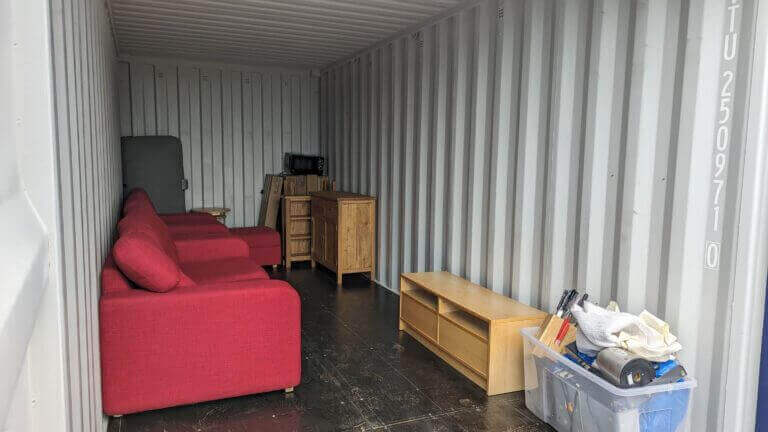
How to pack a storage unit at McDowell Mountain Community Storage located in Scottsdale Arizona
Step-by-step instructions for packing a storage unit properly at McDowell Mountain Community Storage in Scottsdale Arizona

At McDowell Mountain Community Storage, we make it easy to stay organized and in control of your storage unit. Our team is always available to help with billing, inventory updates, and general questions. To keep your storage space easy to manage, consider creating a simple layout or map of your unit. This can help you track where items are placed and make future visits more efficient. You can:

  • Pay bills
  • View access logs
  • Update your inventory
  • Request assistance
  • Track your storage experience

You can even upload a map or layout of your unit to keep everything visual and easy to navigate.

Step 10: Maintain and Update as Needed

Storage isn’t a one-time event. Over time, you may need to:

  • Add or remove items
  • Update your labels
  • Refresh tarp covers
  • Check for signs of mildew, dust, or pests

Set a reminder every 1–2 months to visit your unit and do a quick inspection.

Trusted Storage Backed by Community Values 

We aren’t just another storage facility—we’re part of the community. At McDowell Mountain Community Storage, our storage units are designed with your peace of mind in mind.

Our Features Include:

  • Clean, secure storage units in a variety of sizes
  • Climate control to protect sensitive items
  • 24/7 access to your unit
  • Online account and inventory management
  • Friendly customer support

We help you organize, protect, and maximize your storage space—whether you’re a college student with a few boxes or a business with a complete inventory.

Closing Advice for First-Time Storers 

Packing a storage unit efficiently takes more than just stacking boxes and closing the door. It requires thoughtful organization, the right supplies, and a plan tailored to your items and your lifestyle.

At McDowell Mountain Community Storage, we’re here to make your storage experience smooth, secure, and stress-free—from the first box to the last.

Need help choosing the right unit or planning your move-in? Contact our team today or visit our location for a tour of our facilities. Let’s protect what matters most—together.

Frequently Asked Questions

1. What are the best ways to organize items for easy access inside my storage unit?

Group items by category and frequency of use. Place things you’ll need often near the front and stack long-term items in the back. Label everything clearly, and leave a center aisle to reach all areas.

2. Should I use cardboard boxes or plastic containers?

Both work, but plastic containers offer better protection from moisture and pests for long-term storage. Cardboard is fine if you’re storing for a shorter period in a climate-controlled unit.

3. Do I need to prep furniture before placing it in storage?

Yes. Clean all surfaces, disassemble large items, and wrap them with blankets or bubble wrap. This reduces space and protects pieces like mattresses and wood furniture from dust and damage.

4. How high can I safely stack boxes in a storage unit?

It depends on the walls and ceiling height, but generally, don’t stack more than 4–5 boxes high unless they’re very stable and uniform in size. Use heavier boxes on the base and lighter ones on top.

5. Can I store kitchenware, such as dishes and glassware?

Absolutely—but wrap dishes in packing paper or bubble wrap, use dividers, and mark boxes as fragile. Stack boxes carefully and avoid placing weight on top of those containing breakables.

6. How can I protect fabric items, such as clothing and towels?

Store towels, linens, and clothes in breathable containers with cedar blocks or moisture absorbers. Avoid sealing fabric in plastic, which can trap moisture and lead to mildew.

7. Is it safe to store appliances like washing machines or fridges?

Yes, but clean and dry them thoroughly first. Remove water from tanks and hoses. Store doors slightly open to prevent odor and mildew. You can also use appliance interiors as hidden storage for smaller items.

8. Do I need a climate-controlled unit for my belongings?

If you’re storing sensitive items (electronics, wooden furniture, documents, fabrics), especially in areas with extreme temperatures or humidity, climate control helps maintain a stable storage environment.

9. What should I avoid storing even if it seems safe?

Never store perishable food, flammables, weapons (unless approved), or hazardous material. Also, avoid storing irreplaceable items, such as family heirlooms, unless essential.

10. How do I verify that everything is still in good condition after packing?

Visit your unit every 1–2 months to inspect for signs of damage, pests, or moisture. Refresh labels, reseal boxes, and rearrange equipment or furniture as needed.

Storage Unit Organization Ideas

Renting a storage unit is a great way to create extra space for your belongings, whether moving, downsizing, or simply trying to free up room at home. However, a storage unit can become cluttered and difficult to navigate without proper organization. Taking the time to declutter and sort your items will help create a more efficient storage space. By implementing smart storage tips, anyone can keep their account of stored belongings in order, whether it’s in a closet, garage, or self-storage location. Whether you’re storing a car, furniture, or personal items, the right system will ensure that your most-needed ones remain easily accessible while protecting everything from damage. 

When planning your storage unit, it’s essential to consider the layout and use the right supplies to keep everything in order. A well-organized unit can be beneficial for a woman managing household items or running a business. Whether you’re storing furniture, seasonal clothes, or business storage documents, arranging items strategically will help maintain easy accessibility. Following a guide with expert advice on storage tips can make a big difference in how efficiently you use your space. Proper organization is crucial to keeping your unit functional, and a simple tip like labeling boxes can save time and reduce stress when searching for specific things. 

Plan Your Storage Unit Layout

Before moving your items into your storage unit, take a moment to plan the best layout for efficiency. Keeping frequently accessed items at the front of the unit will make retrieval more straightforward, while less-used belongings can be placed towards the back. Using a map of your storage space can help track where you’ve placed things, preventing unnecessary searching later.

Using shelving units along the side walls is a great way to maximize space and prevent stacking boxes too high. Place heavy furniture and large bins at the bottom to maintain stability while keeping smaller items on top.

Use the Right Storage Supplies

The right supplies can make a big difference in maintaining an organized storage unit. Use stackable boxes, labeled bins, and durable shelves to store your items properly. If you’re experiencing trouble finding the best solution, try using a table or surface to help with sorting. Assess the needs of your stored items and determine if you need to place each other in specific options like protective containers to prevent damage, especially for fragile items. 

If you need to store furniture in a storage unit, disassemble large pieces whenever possible to save space. Wrap delicate surfaces with blankets or plastic covers to protect them from dust and scratches. Keeping an inventory of your stored items can also help you track your belongings and avoid misplacing anything.

Label and Categorize Everything

Labeling is one of the simplest but most effective storage tips. Mark all bins, boxes, and shelves to locate specific items quickly. Use a system to categorize your belongings based on box size, room, or purpose. For example:

  • Clothes can go in breathable garment bags or labeled bins.
  • Kitchen supplies should be stored in durable containers to prevent spills.
  • Business storage files and paperwork should be kept in waterproof bins.
  • Seasonal decorations should be placed in a dedicated storage unit section.

A proper system will streamline your storage space and make finding things more manageable.

Make Use of Doors, Corners, and Wall Space

Maximizing storage space means using every available area, including the doors, corner spaces, and wall areas. Hanging lightweight tools, supplies, or small items on hooks attached to the door can help keep frequently used things within easy reach. Installing floating shelves or using shelving ideas for the walls can further optimize your unit.

Leave enough room for maneuverability if you’re storing a vehicle or large items. A well-planned layout will ensure smooth access without moving multiple boxes whenever you need something.

Keep Your Storage Unit Secure

When renting a storage unit, security is an essential factor to consider. Choosing a facility with strong security features to look for in a storage facility can help protect your belongings. Features like surveillance cameras, gated access, and on-site management add an extra layer of protection.

Despite these measures, break-ins can still occur, leading to concerns about who is responsible if a storage unit is broken into. Responsibility generally depends on the facility’s policies and whether you have insurance. It’s always best to check the contract and consider getting renter’s insurance for additional protection.

Protect Your Items from Damage

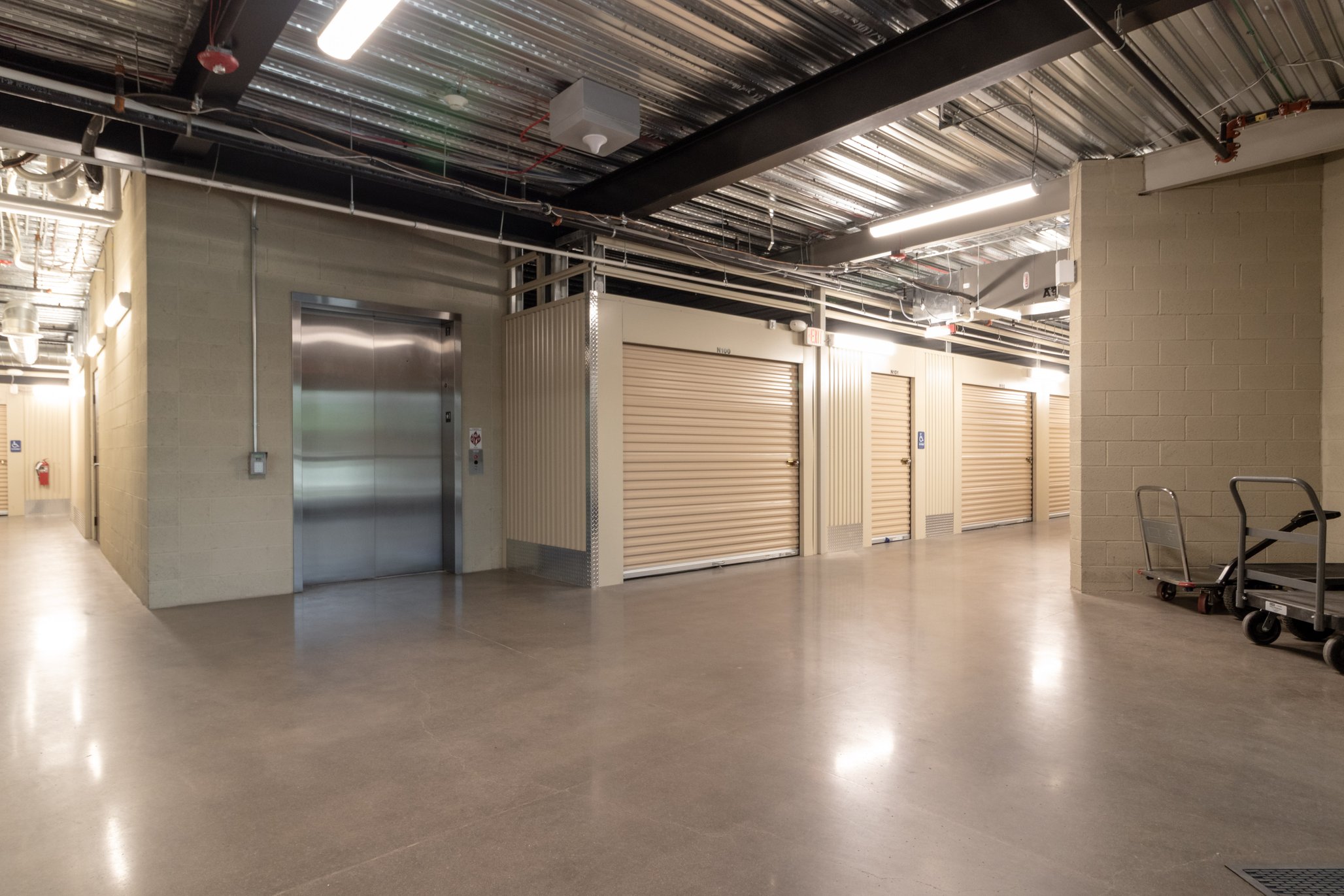
Explore smart and practical storage unit organization ideas at McDowell Mountain Community Storage in Scottsdale Arizona, designed to maximize space and ensure easy access to your belongings.
Transform your storage unit with practical organization tips from McDowell Mountain Community Storage in Scottsdale Arizona.

To avoid damage, keep delicate items in padded containers and use waterproof bins when necessary. Never place items directly on the floor—using pallets or shelving units can provide additional protection. If storing electronics, ensure they are in climate-controlled storage units to prevent overheating or moisture buildup.

Keep heavier furniture at the bottom of stacks for protection, and avoid placing fragile items under heavier bins or boxes. At McDowell Mountain Community Storage, we recommend maintaining an inventory list to help you keep track of your belongings and make retrieval easier. Our secure, organized storage units are perfect for ensuring your items are safely stored and easy to access whenever you need them.

Arrange Items for Accessibility

A common mistake in storage unit organization is stacking items without considering accessibility. You don’t want to dig through multiple boxes to find a single item. To prevent this issue, follow these storage tips:

  • Keep frequently used items at the front of the storage unit.
  • Place bulkier, less-used belongings toward the back.
  • Leave a clear floor path for easy movement.
  • Store similar items together in labeled bins for quick identification.

A well-thought-out plan will keep your storage space tidy and efficient.

Keep an Updated Inventory List

Maintaining an inventory of all your stored items can help prevent confusion and misplaced belongings. Whether you use a digital spreadsheet or a handwritten list, keeping track of what’s inside your storage unit will save time when retrieving things.

You can even create a link to an online blog or document where you store articles or guides about storage tips, allowing easy reference when organizing your storage space.

Final Thoughts on Storage Unit Organization

An adequately organized storage unit ensures that you can quickly find items, maximize space, and protect your belongings from damage. You can create an efficient and neat storage system by following these storage tips, using shelving units, and categorizing items with clear labels.

Additionally, choosing a secure facility with strong security features to look for in a storage facility can help keep your belongings safe. If you ever wonder who is responsible for a storage unit getting broken into, it’s always best to review the facility’s policies and ensure you have adequate insurance coverage.

Keeping important documents, inventory, and office supplies well-organized for those needing business storage will make it easier to manage company resources. Proper wrapping and stacking techniques will also help maintain furniture in a storage unit.

With these organizational strategies, your storage unit will remain tidy, accessible, and optimized for efficiency. Whether you’re storing kitchen products, vehicle accessories, or seasonal clothes, planning and arranging your items properly will make a significant difference.

For more expert storage tips, check out McDowell Mountain Community Storage’s latest blog articles on effective organization, shelving ideas, and ways to keep your storage space in perfect order.

Frequently Asked Questions

How Can I Efficiently Organize a Storage Unit for Seasonal Items? 

Use labeled bins for each season and keep frequently used items at the front. Store delicate items in breathable bags and stack boxes to maximize space.

What Are the Best Practices for Storing Large Appliances? 

Clean appliances, disassemble parts if possible, and wrap them in blankets. Elevate them off the floor to avoid moisture damage and keep doors ajar to prevent odors.

How Do I Prevent Mold and Mildew in a Storage Unit? 

Rent a climate-controlled unit, use moisture-absorbing packs, and ensure items are clean and dry before storing. Avoid storing wet items.

What Is the Ideal Temperature for Storing Sensitive Items? 

Store sensitive items in a climate-controlled unit with temperatures between 50°F and 75°F to protect them from environmental damage.

How Can I Use a Storage Unit to Organize a Home Renovation Project? 

Store tools, materials, and furniture in a designated space. Keep frequently used items at the front for easy access during the renovation.

What Should I Do If I Need Long-Term Storage for Furniture? 

When possible, disassemble furniture, wrap it in protective covers, and store it on pallets to keep it off the floor and prevent damage.

Can I Rent a Climate-Controlled Storage Unit? 

Many facilities offer climate-controlled units, ideal for sensitive items like electronics and furniture that need stable conditions.

How Can I Store Important Documents Safely in a Storage Unit? 

Use waterproof and fire-resistant containers, label everything clearly, and keep documents off the floor to avoid damage.

How Do I Choose the Right Size Storage Unit for My Needs? 

Take inventory of your items, and choose a unit that fits them with extra space for easy access. Staff at the facility can help guide you.

What Are the Benefits of Using a Self-Storage Facility for Business Inventory? 

It’s cost-effective and flexible, offering secure space for inventory, seasonal products, and documents, with 24-hour access and security features.

Tips for Organizing Your Self-Storage Unit

Need a location to keep your belongings? A nearby climate-controlled storage facility may provide self-storage units for rent. These storage units offer a solution for people who need short- or long-term storage before, during, or after a move.

To avoid losing track of everything you have, just be sure to pack, organize, and plan the storage unit. After all, what good is it if you need help finding what you’re looking for in a storage facility? Hint: not at all good. We can assist if you need help setting up a storage unit. You can maximize your unit’s interior capacity and enhance your storage experience with our straightforward organization tips and packing hacks.

This blog post offers tips for organizing your self-storage unit. So keep on reading.

Common Mistakes People Make When Organizing Their Self-Storage Units?

Organizing a self-storage unit can be a challenging task. Still, it becomes even more complicated when people make common mistakes, leading to disorganization, wasted space, and difficulty accessing their belongings.

Here are some of the most common mistakes people make when organizing their self-storage units:

  1. Failing to plan:  One of the biggest mistakes people make is not having a clear plan before moving their items into the storage unit. Without a plan, you may randomly place items, leading to inefficiency and difficulty finding them later. Take the time to plan and visualize how you want to organize your unit before you start.
  2. Not labeling boxes: Neglecting to label boxes is a recipe for confusion and frustration. When you need to find something in the future, you’ll have to go through each unlabeled box to locate it. Always label your boxes with a brief description of the contents, making it easier to identify what’s inside without opening them.
  3. Overpacking and underutilizing space: Many people tend to overpack boxes or stack them haphazardly, failing to consider available space. Overpacking can lead to damaged items, while underutilizing space wastes potential storage capacity. Optimize space by using appropriately sized boxes, filling them, and stacking them efficiently.
  4. Neglecting to create aisles:  A lack of designated walkways and aisles within the storage unit is a common mistake. You may have to move multiple boxes or items without clear paths to access something you need. Leave ample space between rows of items to create easily accessible aisles so you can reach any part of your unit without hassle.
  5. Forgetting about regular maintenance: Dust and dirt can accumulate in a storage unit over time. Neglecting regular maintenance, such as cleaning and organizing, can lead to a messy, unmanageable space. Schedule periodic visits to your storage unit to clean, organize, and ensure everything remains in good condition.

By avoiding these common mistakes, you can ensure a well-organized and easily accessible self-storage unit that maximizes space and keeps your belongings in good condition.

Tips for Organizing Your Self Storage Unit

8 Tips for Organizing Your Self-Storage Unit

Here are 8 storage tips to organize your self-storage unit.

Label your boxes

Priorities come first. Labeling your storage bins or boxes is one of the most crucial components of storage unit organization. It might be stressful when you’re looking for that one book for a book club, but can’t remember which boxes are for “books” and which are for “kitchen”! Label every box to avoid making this simple error. A box number, the room it originated from, and a description of everything within should all be written at the top and on at least one side of each box. Please be as specific as possible.

It can seem like a waste of effort to unpack and repack boxes to mark them if you’ve already packed everything. However, you’d be happier if you took the time to search your unit immediately rather than waiting until later.

Make a master list

Make a master’s list once you’ve labeled every box. Even while it may seem ominous, it will ultimately be beneficial. Note the box number and contents for every box container in your storage unit. You’ll get a reference sheet for each item that is located this way. If you’re computer literate, you can also build or copy the list into a Word or spreadsheet document and try sorting it out for a better outcome.

Map it out

Making a map of your storage space is an excellent way to keep it tidy. It’s ideal to have a basic sense of where everything is in your storage unit, rather than a precise architectural layout with dimensions (though it’s possible if you like). It might be a simple sketch that divides your storage unit into areas for each room. Pack the kitchen boxes, bedroom boxes, office boxes, and so on all together. When you need a specific item or box later, even designating a small portion of your storage space to a particular area might be helpful.

Stack Everything

Maximizing storage space is crucial, and height is vital to achieving it. Surprisingly, most storage units are 10 feet or taller, providing ample vertical room for your belongings, including keepsakes, mementos, photos, albums, scrapbooks, paperwork, documents or files, electronic appliances, sports equipment and gear, and hobby supplies. To ensure stability and prevent accidental toppling, we advise placing sturdy, large boxes or goods at the base of your stack while positioning lighter or smaller boxes on top. Additionally, you can optimize space utilization by stacking furniture, such as tables, on top of one another. By employing these strategies, you can maximize your storage space while safeguarding and organizing your cherished items.

Put items that you need to access in the front

Place everything you’ll frequently need to access toward the front of your storage container. As a result, you won’t have to dig around in the back of your unit whenever you need certain products, because they will always be nearby and easy to find. Winter clothing like coats or boots for seasonal weather, paperwork documents for the office or school, or holiday decorations are a few examples.

You may even use a special remark or a distinct color to draw attention to these tote boxes before you begin packing everything into your self-storage unit, so that you remember to place them at the front.

Make a center aisle

Your self-storage unit could quickly turn into an impossible maze. Make a central aisle to avoid the pain and embarrassment of struggling to reach the back of the storage unit. Your belongings will still have plenty of areas to spread out, and any boxes in the back of your storage unit are still within easy reach.

Allow your items to breathe

Even if your storage container is climate-controlled, allowing air movement is still crucial. Packing boxes on top of pallets will allow air to circulate beneath them. Additionally, consider leaving a little gap between the walls of your storage room and your belongings to allow for ventilation.

Get stylish and get shelving

Although you may not feel your storage container needs shelving, it might be useful. Utilizing your storage space’s height strategically is essential, but you should avoid putting fragile items like glassware on top of other items. Making the most of your available space with shelves also ensures that nothing will accidentally fall and shatter.

Wrapping Up

We sincerely hope these tips and advice have helped you organize your storage unit and keep your things in order. Check out McDowell Mountain Community Storage if you’re doing preventative research and are now looking for inexpensive storage nearby. To give you the ideal storage option for all your things, we offer a range of unit sizes and high-quality amenities!

Conclusion

Organizing your self-storage unit doesn’t have to feel overwhelming. With a clear plan, labeled boxes, mapped-out sections, and designated pathways, you can dramatically improve both efficiency and accessibility. Creating a simple system that allows you to sort items by category, rotate seasonal belongings as needed, and keep frequently used boxes within reach will save you time and frustration in the long run. By maintaining order and making thoughtful use of vertical space and shelving, your storage unit can remain functional, easy to navigate, and stress-free whenever you need to access your belongings.

Find Your Ideal Storage Unit Now

Discover the perfect storage solution to place items for your needs at McDowell Mountain Community Storage. With a wide range of unit sizes and convenient amenities, we make storage easy and accessible.

Take the first step towards an organized and stress-free life—find your ideal storage unit now! If you have any questions, contact us at (602) 899-5484.

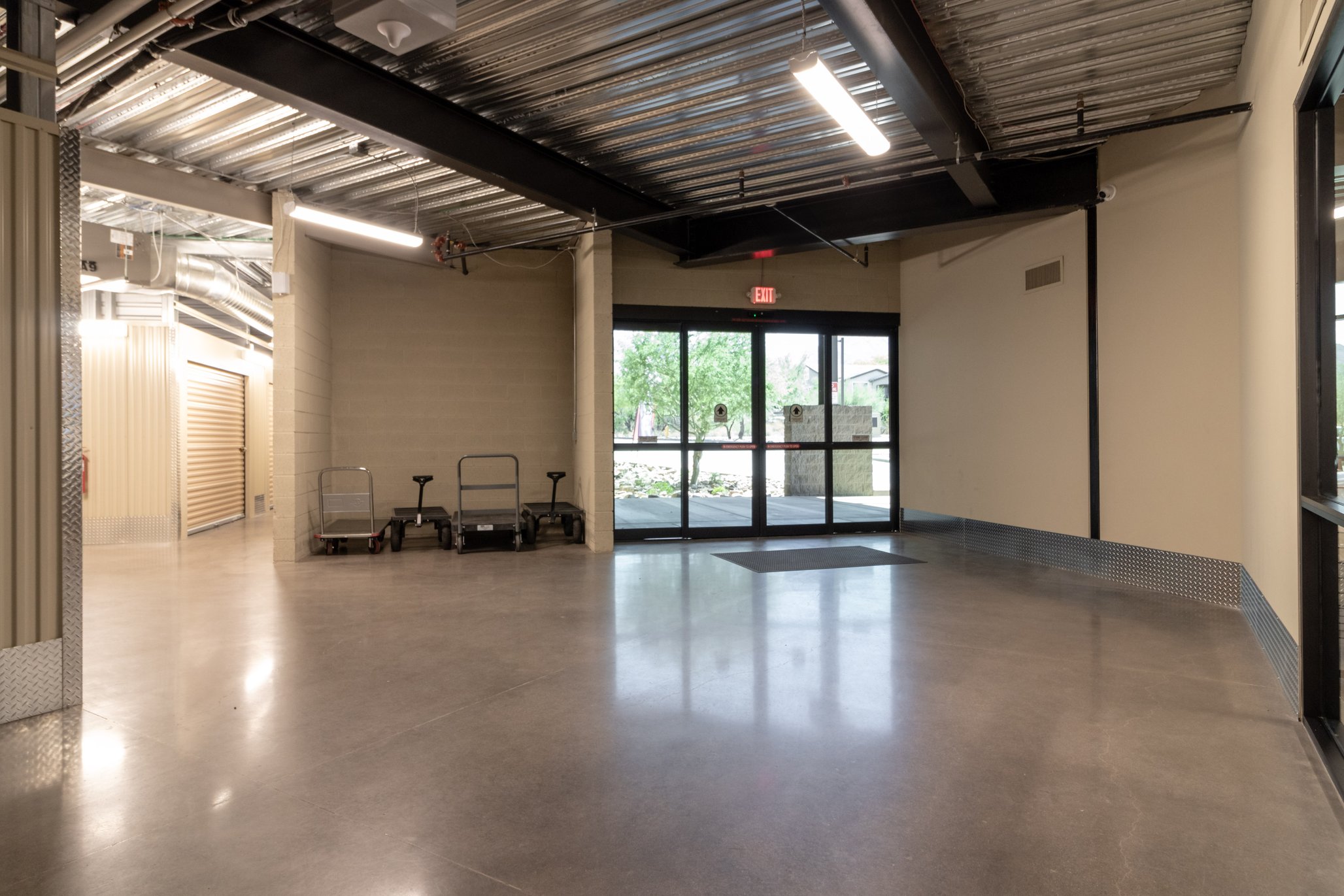
Tips for Organizing Your Self Storage Unit In Scottsdale AZ

Frequently Asked Questions

What is the best way to pack items in a storage unit?
Start by sorting your belongings into clear categories so everything has a designated place. Use sturdy cardboard boxes for lightweight items and durable plastic bins for anything sensitive to moisture. Keeping similar items together makes it easier to track the amount of boxes you have and simplifies future organization.

How should I arrange my storage unit for easy access?
Create a clear path from the door to the back of the unit so you can move around safely. Leave small spaces between stacks to improve accessibility and airflow. This setup lets you quickly reach items without unloading everything.

How can I store furniture properly?
Disassemble large pieces when possible and store chairs upside down on tables to save room. Use the inside of drawers to hold smaller items, but avoid overloading them. Placing furniture along the walls keeps the center open and organized.

How do I keep track of everything in storage?
Label boxes clearly and create a list of item locations within your unit. Keeping an inventory gives you peace of mind and prevents unnecessary searching. A simple tracking system ensures you always know where your belongings are stored.

How can I maximize space in my self-storage unit?
To maximize space in your self-storage unit:

  • Prioritize arranging items based on size and frequency of use.
  • Place larger, less frequently needed items at the bottom or back of the unit, and keep items you’ll access more often towards the front.
  • Make use of vertical space by stacking securely and using shelving units.

This approach maximizes floor area and helps maintain an efficient, organized space in your self-storage unit.

What are some tips for organizing my self-storage unit efficiently?
Organizing your self-storage unit efficiently requires a strategic approach. Begin by categorizing your items before you move them into the unit. Once categorized, arrange these items in a way that allows for easy access. Use labels on boxes and bins to quickly identify contents. A logical system might involve grouping similar items or storing items by season or use. Secure shelving units can provide a stable platform for stacked items, making the best use of vertical space and keeping your floor area clear.

Are there specific storage containers or bins that work best for an organization?
Yes, certain types of storage containers and bins are more effective for keeping your self-storage unit organized. Look for durable, stackable containers with secure lids to protect against dust and damage. Clear bins can be especially helpful because they let you see the contents without opening them. For clothes or fabrics, consider using vacuum-seal bags to save space and protect against moisture. Ensure that all containers are manageable to facilitate easy handling and rearrangement.

How do I categorize and label items in my self-storage unit?
Categorizing and labeling items in your self storage unit begins with dividing your belongings into logical groups. You might categorize by item type (e.g., books, kitchenware, clothes), by event (e.g., holiday decorations), or by season (e.g., summer gear, winter coats). Once categorized, label each box or bin clearly with a detailed description of its contents. Labels can be placed on multiple sides for visibility regardless of orientation. An efficient labeling system reduces the need to search multiple boxes for a single item.

Are there any strategies for preventing damage to items in the storage unit?
Preventing damage to items stored in a self-storage unit involves several vital strategies. Use bubble wrap or other protective materials for fragile items. Ensure that boxes are not overpacked to avoid crushing and that shelving units are not overloaded to prevent collapsing. Keep items off the floor using pallets or tarps to protect against potential water damage. Finally, ensure your storage unit is clean and secure to guard against pests and theft.

What are effective ways to declutter and maintain an organized storage unit over time?
Effective ways to declutter and maintain an organized storage unit include regular reviews of its contents, ideally once or twice a year. During each review, assess whether each item still serves a purpose or holds value. Be prepared to donate, sell, or discard items that no longer meet your needs. Continuously update your inventory and labeling system to reflect any changes. Implementing these practices ensures your self-storage unit remains a functional, efficient space that meets your storage needs over time.

Updated February 12, 2026