Who is Responsible If a Storage Unit Gets Broken Into?
In today’s world, storage units are essential for individuals and families who need extra space to store their items. Whether due to downsizing, moving, or simply a lack of available space at home, renting a storage unit provides an excellent option to store belongings safely. However, what happens when the worst-case scenario occurs—your storage unit is broken into, and your items are stolen? Many are unsure who is ultimately responsible for covering stolen or damaged property costs in these situations. Is it the storage facility? The tenant? The insurance company?
If you find yourself in this predicament, you’re not alone. This blog post will delve deep into understanding the legalities, insurance claims, tenant rights, and how to protect yourself against theft, breach, and loss. We will also explore the role of storage facilities like McDowell Mountain Community Storage, a premier Scottsdale-based storage facility, in ensuring your belongings are secure.
Understanding Your Rental Agreement and Insurance Coverage
When renting a storage unit, it’s crucial to understand the legal framework that governs your relationship with the storage facility. This relationship is typically defined by a rental agreement, a contract that outlines the terms of your lease, and, more importantly, where the responsibility lies if your storage unit is broken into or your items are stolen.
One of the first things to look for in your rental agreement is a section on liability. Most storage facilities include a clause that explicitly limits or excludes their responsibility for stolen or damaged property. This means that, in most cases, the facility will not cover the cost of replacing stolen items unless the theft was due to the facility’s negligence. For instance, if a lock was tampered with due to a failure in the security system or the facility did not maintain its security measures, the tenant may have grounds to hold the facility accountable.
While the storage facility may not be liable for theft, this doesn’t mean you’re out of options. Most storage facilities, including McDowell Mountain Community Storage, offer insurance plans that cover specific types of losses, such as theft, fire, or natural disasters. It’s highly recommended that you purchase insurance through the facility or ensure that your current homeowner’s or renter’s insurance covers the items in your storage unit. You may ask your insurance company for details regarding what is covered when your belongings are offsite.
Another critical factor is that many insurance policies limit coverage for items stored outside your home. Therefore, it’s a good idea to thoroughly review your policy or speak to an insurance attorney if necessary. In many cases, you may be able to purchase additional coverage to ensure that your items are fully protected in the event of theft or damage.
At McDowell Mountain Community Storage, we understand how important your personal property is to you. That’s why we advise on the best insurance options for your storage needs. Whether you’re storing valuable family heirlooms, business documents, or extra furniture, having adequate coverage can offer much-needed peace of mind.
Security Measures and Preventive Actions
Security is often the first defense when preventing theft at a storage facility. Most reputable storage facilities, including McDowell Mountain Community Storage, implement comprehensive security measures to protect tenants and their belongings. These include security cameras, secure gates, personal locks, and limited access points that require tenants to enter personal codes or badges to enter the facility.
Despite these robust security measures, no system is entirely foolproof. Thieves can be highly opportunistic, and some may have extensive knowledge about bypassing locks or avoiding detection from security cameras. Therefore, tenants should also take preventive actions to reduce the theft risk. For instance, it’s advisable to use a high-quality lock, such as a disc lock or cylinder lock, which are generally more resistant to tampering. If you’re storing high-value items, you may consider adding an extra layer of protection, like a portable alarm system for your unit.
At McDowell Mountain Community Storage, we employ state-of-the-art security systems that monitor the premises 24/7. Our facilities have security cameras, motion detectors, and on-site personnel to deter unauthorized access. We regularly update our security measures based on the latest technology to provide our tenants with the safest storage environment possible.
If a break-in does occur despite these security measures, the first step is to file a police report. This is crucial for documenting the incident and can be required when filing an insurance claim. You should also immediately notify the storage facility management so they can begin an investigation and review any evidence, such as footage from security cameras or records of who accessed the facility during the break-in.
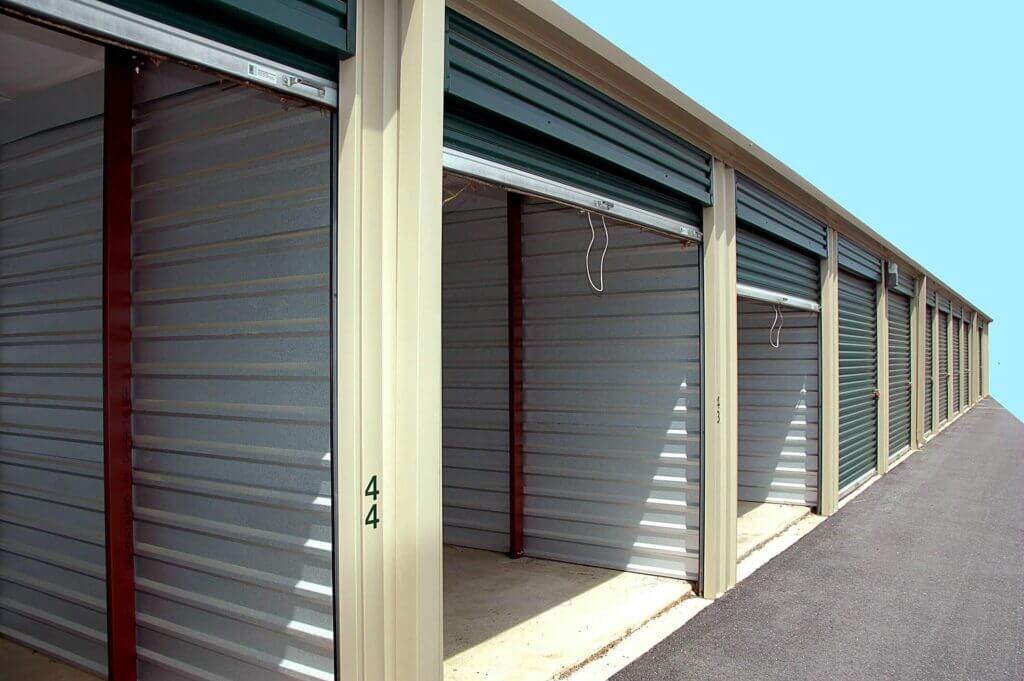
Legal Liability: Who is at Fault?
The issue of legal liability after a storage unit break-in can be complicated. As mentioned earlier, most storage facilities are not automatically held liable for theft unless there is clear evidence of negligence. If a facility fails to maintain proper security measures—such as malfunctioning locks, broken cameras, or gates that don’t close properly—the tenant may have grounds for legal action. However, the burden of proof lies with the tenant to show that the facility’s negligence contributed directly to the theft.
Tenants who wish to pursue legal action should first gather all available evidence. This includes the police report, a list of stolen items, and any correspondence with the facility regarding previous security concerns. It’s also essential to consult with an attorney specializing in property law or tenant rights to explore your options for filing a lawsuit. In some cases, lawsuits can be settled out of court through mediation or arbitration, depending on the terms of your rental agreement.
In rare instances, tenants may also file a negligence claim against the storage facility if the facility’s security system is compromised or maintenance is overlooked. However, such claims can be challenging to prove and often require the guidance of legal counsel.
At McDowell Mountain Community Storage, we maintain an open dialogue with our tenants and take all complaints about security seriously. We aim to prevent issues before they arise by regularly inspecting our facilities and addressing potential security concerns. Should a tenant experience a break-in, we work with local law enforcement and insurance companies to ensure that the tenant’s needs are handled efficiently and professionally.
The Role of Insurance Claims
If your storage unit is broken into and your belongings are stolen, filing an insurance claim is one of the most critical steps. Whether your insurance is through the storage facility, owner, or renter insurance policy, filing a claim follows a similar path.
The first step is to document everything. Make a detailed list of the stolen items, their estimated value, and any evidence you have that proves ownership (e.g., receipts, photographs, or appraisals). You’ll also need to submit the police report and, in some cases, provide a copy of your rental agreement.
Next, contact your insurance company to begin the claims process. Depending on your policy, the insurance company may cover the total value of the stolen items or a portion based on depreciation or a deductible. It’s essential to ask for answers to any questions you might have upfront so that you fully understand what will and won’t be covered.
At McDowell Mountain Community Storage, we assist our tenants in navigating the insurance claims process by offering support and helping them compile the necessary documentation. While we hope our tenants never face such an unfortunate situation, we aim to make the process as smooth and stress-free as possible.
In some cases, tenants may find that their insurance policy does not fully cover the value of their storage. This is why it’s vital to periodically review your insurance coverage and update it as needed, especially if you’re ng precious items. Many insurance companies offer additional coverage for offsite storage, which can be worth the investment if you’re concerned about potential losses.
Tenant Rights and Legal Recourse
As a tenant of a storage facility, you have specific rights that protect you in the event of a theft or break-in. However, these rights can vary depending on your state and the terms outlined in your rental agreement.
For example, in some states like Texas or Arizona, storage facilities must meet specific minimum security measures, and tenants have the right to take legal action if the facility fails to meet those standards. In other cases, tenants may need to go through arbitration rather than taking the case to court, depending on whether the court has an arbitration clause.
If you believe that your storage facility is at fault due to negligence, it’s critical to consult an attorney who specializes in property or tenant law. A good lawyer can advise you on whether you have a strong case and what legal actions are available. Whether you’re seeking compensation for losing your items or trying to hold the facility accountable for failing to meet basic security measures, a lawyer can guide you through filing a lawsuit or negotiating a settlement.
At McDowell Mountain Community Storage, we work diligently to ensure that our tenants are well informed about their rights and have all the necessary resources. We encourage our tenants to ask questions and express concerns at any point during their lease.
Conclusion
While storage facilities like McDowell Mountain Community Storage take every precaution to ensure that your belongings remain safe, the unfortunate reality is that theft can happen anywhere. Whether due to negligence on the part of the facility or the actions of a determined thief, having a plan in place can make all the difference.
Understanding your rental agreement, investing in insurance, and being proactive about security measures can significantly reduce your risk and protect yourself during a break-in. At McDowell Mountain Community Storage, we offer top-tier storage solutions and the information and resources needed to make informed decisions about security and insurance.
We encourage you to review your rental agreement carefully, consult your insurance provider, and stay informed about the latest security measures. Whether you’re a renter or considering renting a storage unit, please contact us with any questions. We’re here, too, and are committed to providing the highest level of protection for your belongings.
Final Key Points Recap:
- Understand the rental agreement and the liability clauses under all circumstances, ensuring you are clear on who is responsible for anything that happens to your stored belongings.
- Review your insurance coverage and consider additional policies for offsite storage, ensuring they fit your unique circumstances as a client.
- Take preventive actions such as using high-quality locks and staying informed about security protocols to avoid leaving anything to chance.
- Be prepared to file a detailed insurance claim if necessary, considering the steps that might involve multiple persons and lawyers during the process.
- Know your rights as a tenant and consult with lawyers or legal counsel if you believe the facility is at fault to ensure you properly handle anything related to the breach of responsibility.
McDowell Mountain Community Storage is always available to provide guidance and support in the event of a theft or break-in. Your peace of mind is our priority, and we’re here to answer any questions about your storage unit and its security.
Frequently Asked Questions
How frequently should I inspect my storage unit to guarantee its security?
Regular inspections, such as monthly visits, can help guarantee the security of your unit and enable you to identify any potential issues at an early stage.
Is it permissible to install my security camera in my storage unit?
While storage facilities have varying policies, most do not permit tenants to install personal security cameras. Inquire with the facility regarding the availability of this option.
What is the frequency of storage unit break-ins?
Although break-ins are uncommon at reputable facilities with robust security measures, they are somewhat unheard of. Risk is mitigated by selecting a secure facility and insuring products.
Is theft from a storage unit covered by my credit card?
Purchase protection is available on specific credit cards, which may provide coverage for items that are temporarily stored. Contact your credit card provider to inquire about the terms of storage units.
In the event of a break-in, does my selection of a lock impact my liability?
In certain instances of larceny, the use of a high-quality, tamper-resistant lock, which may reduce risk and demonstrate diligence, may impact liability.
Are alarms installed in storage units to prevent break-ins?
While some units are equipped with individual alarms, others depend on security measures implemented throughout the building. It is advisable to inquire about the specific security features.
Can I file a lawsuit against the storage facility for a break-in?
If you suspect the facility was negligent, you may have a valid claim for a lawsuit. It is possible to ascertain whether there is a viable case by consulting with a legal professional.
Is it mandatory for the storage facility to notify tenants of break-ins?
Indeed, reputable facilities typically inform tenants about break-ins, particularly if they impact their units. Additionally, facility personnel may collaborate with law enforcement to conduct investigations.
Can I hold them accountable if the storage facility’s security measures are unsuccessful?
You may have a valid claim in certain instances if you demonstrate that the facility’s negligence or lack of security contributed to the break-in. Legal counsel may be required.
Does my storage facility offer compensation for missing items?
The majority of storage facilities do not provide compensation unless negligence contributed to the break-in. Please consult your contract for the specific terms and conditions.